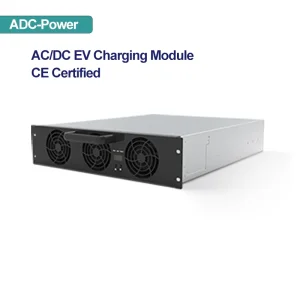
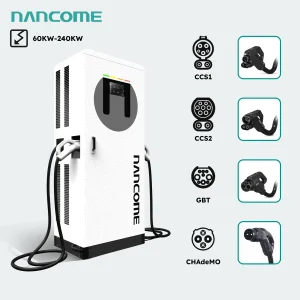
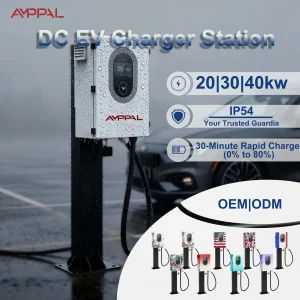
High-efficiency, network-integrated power distribution systems designed for dynamic grid stabilization, fleet operations, and commercial facilities.

Power Rectifier Efficiency
Global Industrial Projects
Full Smart Protocol Support
Grid Overload Violations
As the global transportation sector undergoes rapid electrification, the demand on localized electrical grids is scaling exponentially. The dynamic integration of electric vehicles (EVs) into the power grid—known as Electric Vehicle Grid Integration (VGI)—has transitioned from an academic concept to an operational necessity. VGI encompasses all strategies aimed at managing the interaction between the vehicle, the charger, and the utility grid. This includes unidirectional managed charging (V1G), bidirectional energy transfer (Vehicle-to-Grid, V2G), and localized integration with Distributed Energy Resources (DERs) such as solar photovoltaic (PV) setups and Battery Energy Storage Systems (BESS).
As a leading China Wholesale Electric Vehicle Grid Integration Supplier & Exporter, Dongguan Voltra Charger Co., Ltd. is at the forefront of this industrial transition. The company designs, manufactures, and integrates smart infrastructure that allows vehicles to communicate dynamically with the grid, helping municipal grids avoid high demand charges, buffer peak load requirements, and absorb surplus green energy.
Modern VGI leverages high-frequency power electronics and real-time communication modules to transform an EV fleet from a passive electric load into a distributed power plant. In times of grid frequency degradation, millions of aggregated EVs can dynamically scale down charging rates (V1G) or inject power back to the grid (V2G) in milliseconds. This bidirectional response acts as a virtual synchronous generator, ensuring grid security while providing substantial financial returns to fleet operators and charge point operators (CPOs) through ancillary market participation.
By using Voltra Charger's advanced DC fast charging modules and integrated battery swapping systems, commercial operators can build zero-emission hubs that function independently of local substations during peak pricing hours, bypassing grid capacity upgrades and maximizing asset ROI.
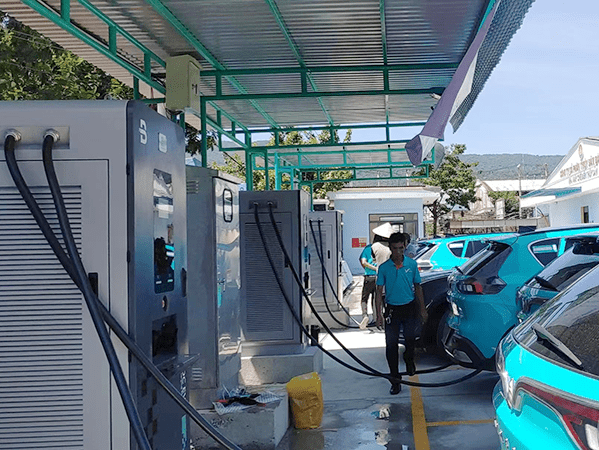
The successful deployment of VGI on a national scale requires a holistic systems approach. Dongguan Voltra Charger Co., Ltd. delivers comprehensive solutions that bridge the gap between heavy industrial equipment and software-defined energy management systems. Key system components include:
Proprietary algorithms that continuously adjust power allocation to charging plugs based on building demand, safety thresholds, and grid frequency variations, preventing transformer overload.
Support for V2G protocols that allow aggregated chargers to participate in frequency containment reserves (FCR), voltage control, and primary response markets.
Seamless synchronization with on-site solar systems and commercial BESS units, allowing facilities to capture excess PV generation and store it for EV charging or peak shaving.
Dongguan Voltra Charger's hardware architectures are designed to accept complex external controls via modbus, OCPP, and direct REST APIs. This allows system integrators to orchestrate energy flows between variable wind and solar installations, public utility grids, and stationary storage. By balancing the local network's reactive power, the integration setups improve local power quality indices, including total harmonic distortion (THD) and phase alignment.
The transition toward smart electrification varies significantly across continents, dictated by local utility regulations, transmission capacities, and government incentives:
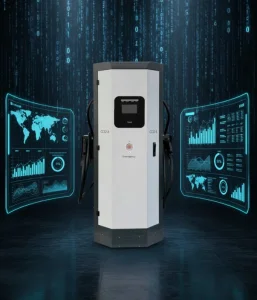
As a global exporter, Dongguan Voltra Charger Co., Ltd. has engineered a highly adaptable line of power modules and centralized charging stations. These units feature configurable input voltage tolerances, phase configurations, and software stacks that conform to the grid standards of individual destinations, ensuring quick deployment and hassle-free commissioning for international EPC contractors.
Engineering robust grid-tied equipment demands meticulous attention to thermal performance, isolation levels, and conversion efficiency. Below is an overview of the technical profiles for our flagship components:
| Technical Parameter | VGI Rectifier Modules (50kW) | Centralized Charging Systems | Commercial BESS (1MW) |
|---|---|---|---|
| Input Voltage Range | 260V - 530V AC (3-Phase) | 380V - 480V AC ± 15% | Custom Medium/Low Voltage |
| Power Factor (PF) | ≥ 0.99 (at Full Load) | ≥ 0.99 (Dynamic adjustment) | Bi-directional, Four-Quadrant |
| Peak Efficiency | 97.5% - 98.5% | ≥ 96.5% (System level) | ≥ 98.2% (PCS efficiency) |
| Communication Protocols | CAN 2.0B / RS485 | OCPP 1.6J / OCPP 2.0.1 | Modbus TCP / IEC 61850 |
| Cooling Configuration | Forced Air / Liquid Cooled Options | Independent Air Ducting | Liquid Thermal Management |
Entering international utility networks demands rigorous validation against complex compliance frameworks. Dongguan Voltra Charger Co., Ltd. addresses this challenge by obtaining multi-regional certifications and building deep interoperability into its core control firmware:
Our VGI hardware complies with ISO 15118 (including parts 2 and 20 for advanced V2G bidirectional communication, security certificates, and Plug & Charge functionalities). This ensures that vehicles from various manufacturers can communicate seamlessly with the charger, verify authorization, and exchange energy without manual user intervention. Furthermore, our hardware is compliant with IEC 61851, CE-EMC/LVD, and UL 2231/2594 standards, enabling trouble-free installation across Europe and North America.
For grid-tied export installations, our systems meet stringent national grid codes such as G99 in the UK, VDE-AR-N 4105 in Germany, and IEEE 1547 in the United States. These codes govern how distributed generators and chargers disconnect during grid faults, how they inject active and reactive power, and how they ride through temporary voltage fluctuations.
Additionally, Dongguan Voltra Charger offers localization services that include white-label software customization, integration with local payment portals, and remote maintenance support via local technical service centers. This hands-on assistance reduces operational risk for importers and local CPOs.
Implementing grid-integrated charging infrastructure varies based on the target application. Below are three primary scenarios where Voltra Charger solutions provide critical functionality:
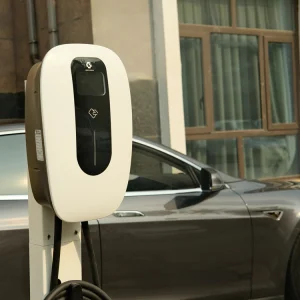
In retail and corporate settings, the main challenge is managing high peak demand when employees or shoppers arrive simultaneously. Utilizing our IP65 Level 2 AC Chargers and smart rectifiers, commercial properties can implement localized load shedding. The system dynamically monitors building load, diverting power to vehicles only when base energy consumption drops, avoiding costly peak demand penalties from local utilities.
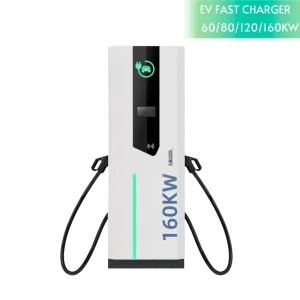
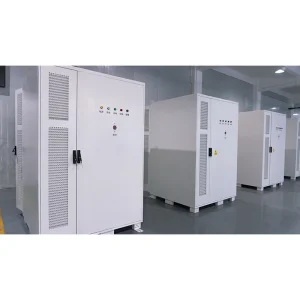
Logistics fleets operate on rigid schedules, requiring highly predictable charging windows. Using the Solar 60kW to 240kW DC Fast Charging Solutions combined with 1MW BESS cabinets, fleet operators can charge vehicles overnight using cheap off-peak electricity or during the day using solar power. During peak commercial hours, if the utility grid goes down or prices surge, the BESS and parked vehicles can feed power back to the facility, maintaining business continuity.
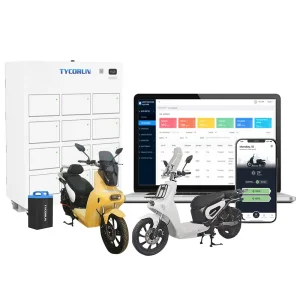
For last-mile delivery drivers in high-density urban areas, battery swapping stations like the Tycorun Commercial Outdoor Swapping Cabinet offer an efficient alternative to traditional charging. By maintaining a buffer of charged batteries, swapping cabinets can draw power from the grid at a steady rate, buffering peak grid strain and ensuring drivers always have access to a fresh battery.
The VGI sector is evolving rapidly. Our technical development roadmap focuses on three main pillars:
Technical clarifications on Electric Vehicle Grid Integration (VGI) design, installation, and compliance.
V1G (Smart Charging) is unidirectional, allowing the system to adjust the rate and timing of vehicle charging to protect the grid. V2G (Vehicle-to-Grid) is bidirectional, enabling the vehicle to both draw power from and feed stored energy back into the grid, helping support local energy demands during peak periods.
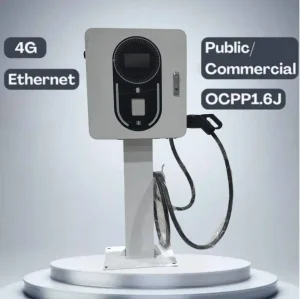
Our chargers support standard communication protocols like OCPP 1.6J and 2.0.1, and conform to international grid standards like IEEE 1547 and VDE-AR-N 4105. This allows grid operators to safely regulate charging behavior and maintain system stability during load changes.
Yes. When integrated with on-site solar PV systems and a battery storage system (BESS), our charging systems can operate in island mode. This setup allows them to charge vehicles using stored solar energy, even during local power outages.
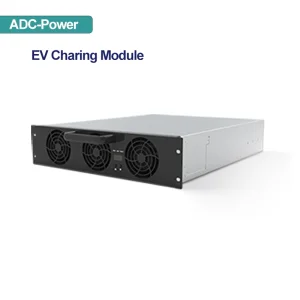
Our 50kW EV charging power modules reach a peak conversion efficiency of over 98.5%. This high efficiency minimizes heat generation and energy waste, lowering operational costs for commercial fleet operators.
High-efficiency, network-integrated power distribution systems designed for dynamic grid stabilization, fleet operations, and commercial facilities.
 Voltura Charger