Explore our premium product portfolio engineered for high compatibility, industrial-grade efficiency, and smart grid integration. As a top trusted EV charging supplier, our equipment meets strict international safety standards.


As the automotive landscape shifts inexorably toward zero-emission powertrains, the demand for high-capacity, smart-grid integrated Battery Electric Vehicle (BEV) charging infrastructure has grown from a localized utility project into a critical macroeconomic engine. Power distribution grids, industrial hubs, fleet operators, and real estate developers are facing the complex challenge of scaling up electrification while maintaining power factor reliability, grid load balance, and cost efficacy.
Achieving this requires deep domain expertise. Successful deployment depends heavily on selecting Tier-1 manufacturing partners who understand how hard hardware integrates with intelligent energy software. Dongguan Voltra Charger Co., Ltd., along with other leading global EV component factories, represents the vanguard of this technical shift, engineering hardware that scales safely from home garages to multi-megawatt transit hubs.
In mature markets like Europe and North America, regulatory mandates are accelerating EV adoption. Regulatory structures like the EU's "Fit for 55" legislation and the United States' NEVI (National Electric Vehicle Infrastructure) formula program are driving massive capital flows into highway and urban fast-charging networks. These programs mandate high uptime, standardized communication protocols, and accessible payment systems, making reliable production partners critical for commercial deployment.
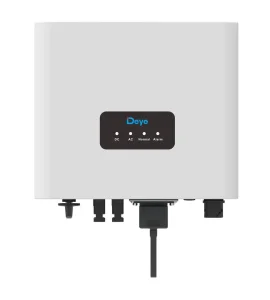
Meanwhile, emerging industrial markets in APAC and LATAM are jumping directly to integrated microgrid architectures. In these regions, grid capacity constraints mean that EV charging is rarely deployed in isolation. Instead, it is paired with Photovoltaic (PV) arrays and Containerized Battery Energy Storage Systems (BESS) to capture off-peak generation and manage peak load charges. This makes hybrid equipment that bridges solar generation, storage, and mobility demand highly sought after by modern operators.
Dongguan Voltra Charger Co., Ltd. is a forward-thinking manufacturer specializing in smart EV charging solutions for residential, commercial, and fleet applications. With a strong focus on innovation and energy efficiency, the company integrates research and development, production, and global sales to deliver reliable and intelligent charging infrastructure.
Voltra Charger offers a comprehensive product portfolio, including home EV charging stations, commercial charging systems, fleet charging solutions, and advanced charging power management units. Designed to meet diverse customer needs, its solutions support both AC and DC charging, ensuring compatibility with a wide range of electric vehicles.
Driven by the growing demand for sustainable mobility, the company emphasizes intelligent power management technologies such as load balancing, real-time monitoring, and energy optimization. These features help users reduce operational costs while improving charging efficiency and grid stability.
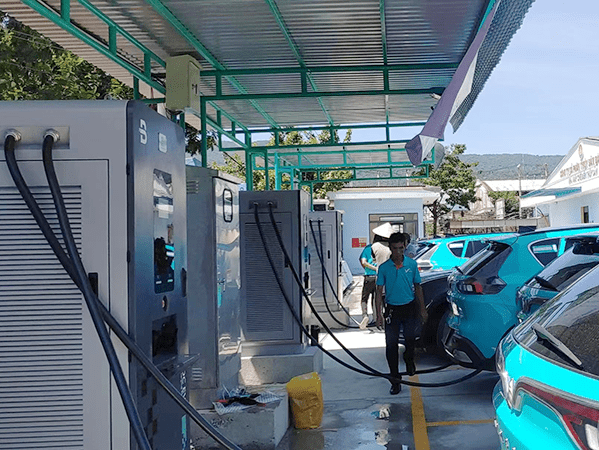
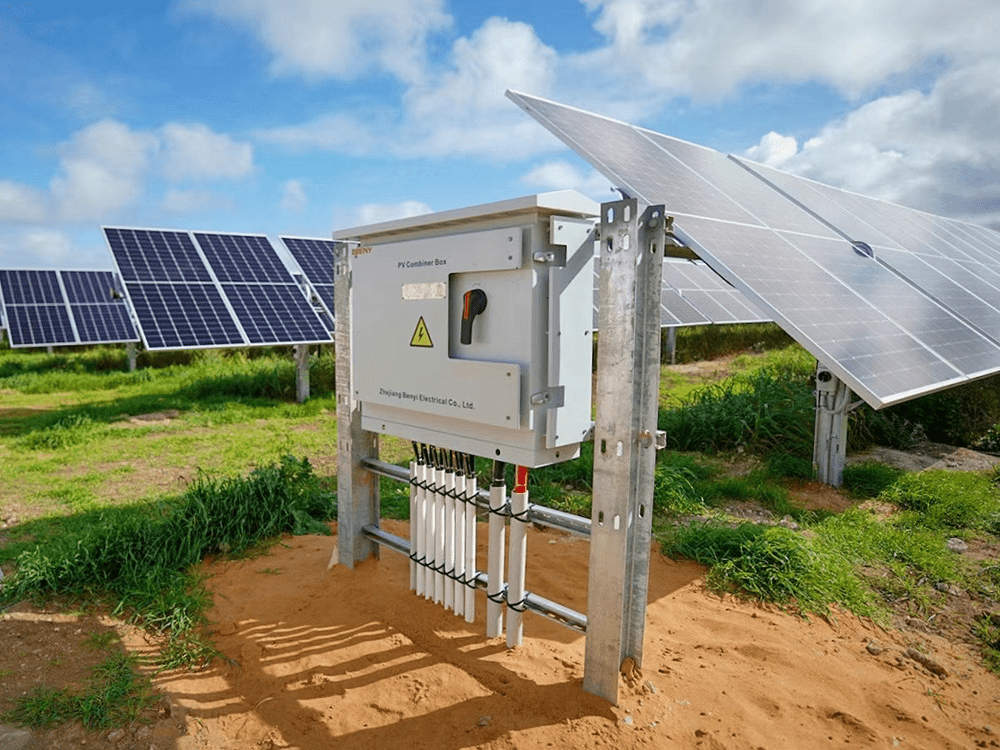
Adhering to strict international quality standards, the company continuously invests in technological upgrades to enhance product performance and safety. Its solutions are widely applied in residential communities, office buildings, public charging networks, and logistics fleets.
With a commitment to green energy and smart transportation, Voltra Charger aims to become a trusted global partner in the EV charging industry, empowering customers with efficient, safe, and future-ready charging solutions.
The transition from basic power supply equipment to grid-responsive nodes is driven by several key technical developments. The next generation of charging systems will rely heavily on these technologies:
Protects local electrical grids from overload by monitoring total building power draw and dynamically shifting power among active EV chargers. Enables deployment without expensive grid upgrades.
Turns electric vehicle batteries into mobile power sources. During peak demand periods, vehicles can feed stored energy back to the building (V2H) or the regional utility grid (V2G).
Standardizes the secure transaction link between charging hardware and backend central monitoring systems. Improves operational security, payment management, and network flexibility.
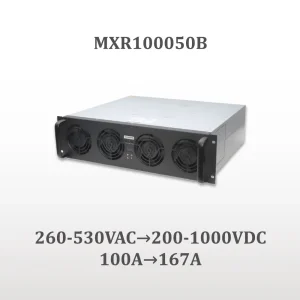
Integrates liquid-cooling mechanisms and active monitoring in high-power charging modules (50kW-240kW) to ensure thermal safety during prolonged rapid charging sessions.
Different operating environments present unique challenges. Our technical team works with clients to deploy right-sized hardware combinations built for specific regional needs:
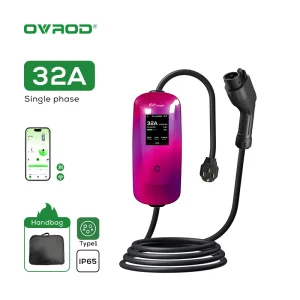
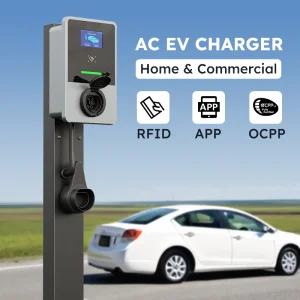
Urban multi-family residential projects often face limited power capacities. Our solution uses space-efficient 32A Three Phase EV Home Charging units running Dynamic Load Balancing. This setup charges multiple vehicles overnight without overloading the building's main breaker. With RFID access cards and mobile app controls, property managers can track usage and automatically bill tenants for their consumption.
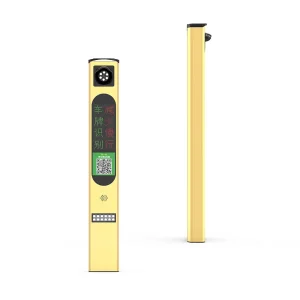
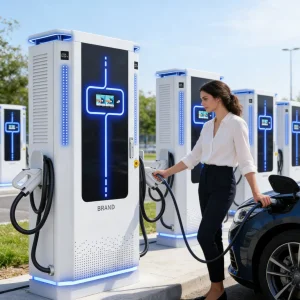
High-turnover parking lots require fast, reliable charging and secure payment systems. Combining high-speed DC charging units with License Plate Recognition (LPR) cameras streamlines operations. LPR cameras track vehicle entry and parking duration, linking plates directly to charge sessions and parking fees to reduce operator overhead.
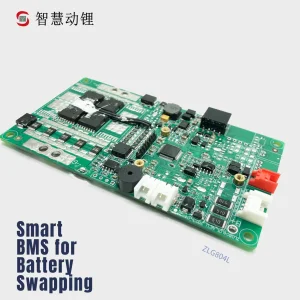
For logistics and transit systems, scheduling and maximizing uptime are vital. High-capacity DC stations ranging from 180kW to 240kW deliver rapid turnaround times. Pairing these systems with Smart Battery Management Systems (BMS) keeps fleet batteries balanced and monitors state-of-health (SoH) metrics over long-term operations.
Expert answers to key technical and operational questions for developers, fleet managers, and procurement officers.
Browse our specialized components, heavy-duty commercial hardware, and system integrations designed to complete your energy infrastructure setup.
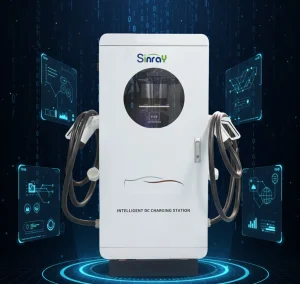

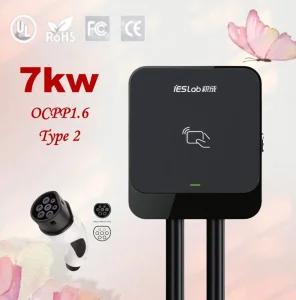
 Voltura Charger