Explore our flagship electric vehicle charging solutions, custom-engineered for optimal power conversion efficiency, dynamic load balancing, and multi-protocol compliance.
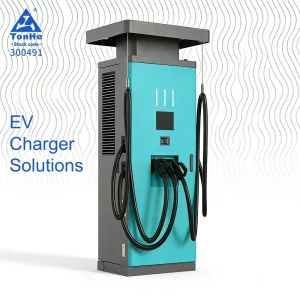
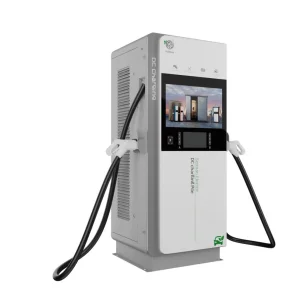
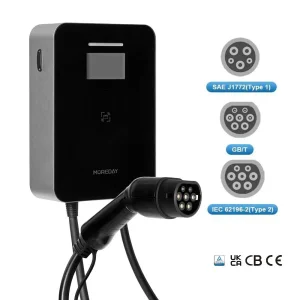
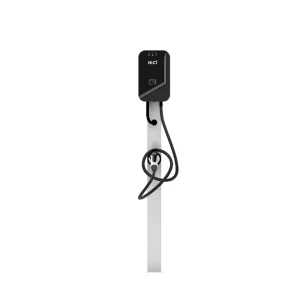
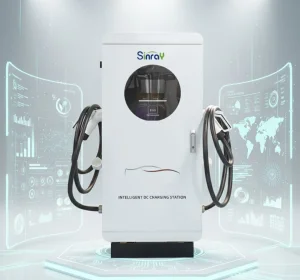
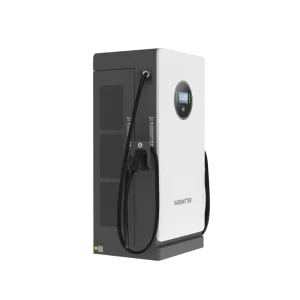
As the global transition toward electromobility accelerates, the availability of scalable, cost-efficient, and highly reliable electric vehicle supply equipment (EVSE) has transitioned from a localized infrastructure project to a cornerstone of global energy strategies. Procurement managers, fleet operators, municipal authorities, and real estate developers face the ongoing challenge of acquiring top-tier charging technologies without exceeding CAPEX budgets.
In this context, "Affordable EV Charging" does not mean compromising on components or security protocols. Instead, it refers to the optimization of the value chain, advanced technological integration, and manufacturing scale. By leveraging the vertical integration and industrial clustering of specialized hubs, Tier-1 manufacturing facilities deliver high-density power modules, intelligent controllers, and OCPP-compliant systems at a competitive total cost of ownership (TCO). This structural cost advantage accelerates ROI for public charging operators and private fleet deployments worldwide.
Corporate purchasing of electric vehicle chargers requires balancing strict technical parameters with financial viability. Hardware compliance must align with local grid connections, load profiles, and software integrations. B2B procurement trends highlight key requirements across different industries:
To address these demands, modern manufacturing processes combine modular designs with platform-based components. This enables manufacturers to configure customized systems matching regional charging profiles (such as CCS1, CCS2, GBT, and CHAdeMO) without significant re-engineering costs.
EV charging stations are no longer isolated endpoints; they are integrated nodes within local distribution grids. Expanding charging networks requires addressing localized utility constraints. Modern installations resolve grid capacity issues using advanced smart-energy strategies:
DLB technology monitors real-time building energy consumption and dynamically adjusts EV charging currents. This prevents the building's main breaker from tripping during peak load periods. It allows properties to install multiple 22kW chargers without upgrading utility service connections.
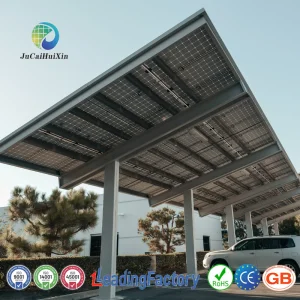
Integrated Solar Carports convert sunlight directly into clean energy for vehicles, storing excess generation in local battery systems. This setup provides continuous off-grid charging capability, reduces peak demand charges, and supports localized grid stability.
Next-generation EV chargers support bidirectional power flow. Under utility orchestration, vehicles can discharge stored battery capacity back to the local grid or facility, helping to balance peak demand. This transforms EVs from simple loads into active assets on the grid.
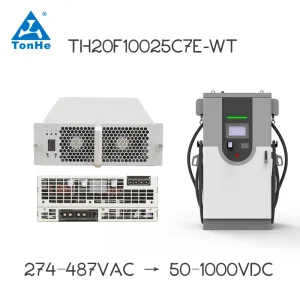
The performance of a DC fast charger depends heavily on its internal power modules. Transitioning from older silicon (Si) based switch topologies to wide-bandgap semiconductors, such as Silicon Carbide (SiC) MOSFETs, has improved high-frequency switching and thermal efficiency.
Wireless DC/AC charging stations represent another major advancement in EV charging technology. Using resonant magnetic induction, these systems charge vehicles without physical cables. Eliminating physical wear points lowers maintenance overhead and supports automated charging layouts for autonomous transport.
Dongguan Voltra Charger Co., Ltd. is a manufacturer specializing in smart EV charging solutions for residential, commercial, and fleet applications. With a strong focus on innovation and energy efficiency, the company integrates research and development, production, and global sales to deliver reliable and intelligent charging infrastructure.
Voltra Charger offers a comprehensive product portfolio, including home EV charging stations, commercial charging systems, fleet charging solutions, and advanced charging power management units. Designed to meet diverse customer needs, its solutions support both AC and DC charging, ensuring compatibility with a wide range of electric vehicles.
Driven by the growing demand for sustainable mobility, the company emphasizes intelligent power management technologies such as load balancing, real-time monitoring, and energy optimization. These features help users reduce operational costs while improving charging efficiency and grid stability.
Dongguan Voltra Charger Co., Ltd. adheres to strict international quality standards and continuously invests in technological upgrades to enhance product performance and safety. Its solutions are widely applied in residential communities, office buildings, public charging networks, and logistics fleets.
With a commitment to green energy and smart transportation, Voltra Charger aims to become a trusted global partner in the EV charging industry, empowering customers with efficient, safe, and future-ready charging solutions.
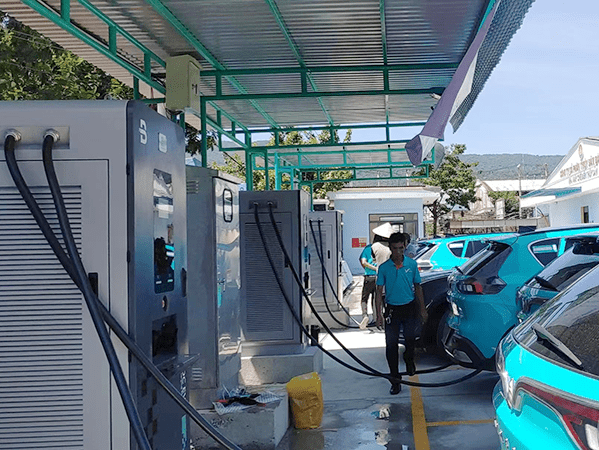
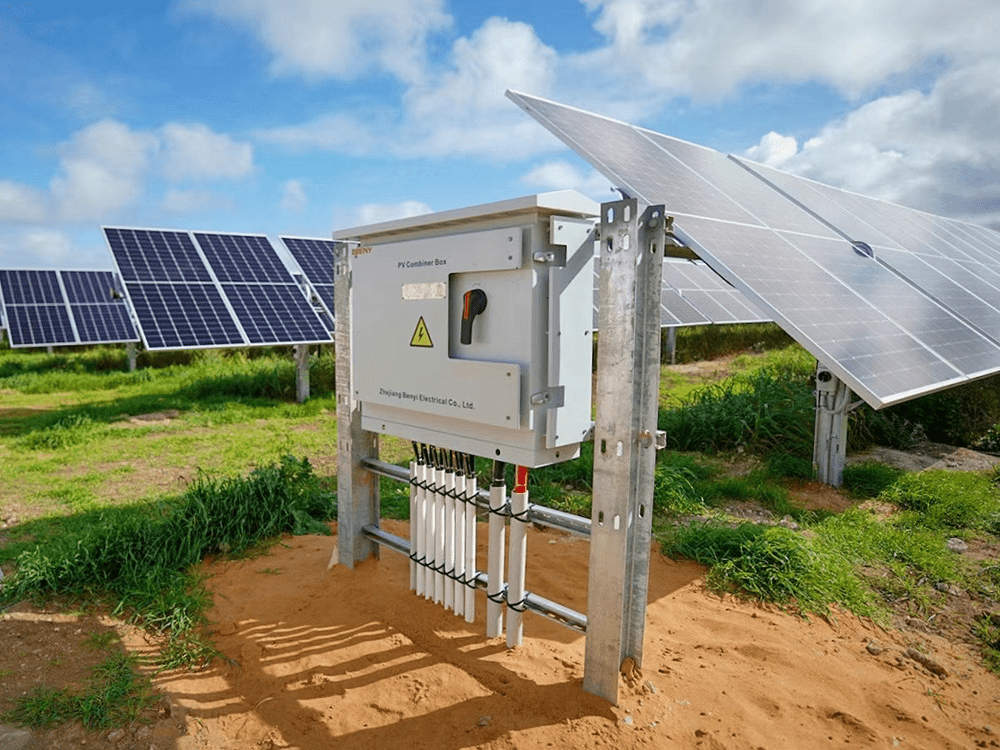
The expansion of EV charging installations varies by region, driven by local policies and grid capacities:
Managing compliance is a critical step when introducing Chinese-manufactured EVSE into international markets. Working with a qualified factory ensures compliance with key regulatory and safety standards:
Electrical Safety Standards: Hardware must carry appropriate marks (such as CE, TUV, UL, RoHS, and FCC) and pass functional safety evaluations to confirm grid protection under diverse conditions (including overvoltage, short circuits, and ground faults).
Communication Protocols: Utilizing standard OCPP 1.6J and OCPP 2.0.1 integrations ensures interoperability with various third-party backend management systems. This gives operators flexibility in selecting billing, diagnostic, and user management platforms.
Enclosure Durability: Systems installed outdoors require weather-resistant enclosures. Using powder-coated sheet metal with IP54/IP55 protection ratings and IK10 impact resistance ensures the internal electronics remain protected from dust, rain, and vandalism.
Industrial-grade components, smart interfaces, and power modules engineered to maximize fleet uptime and streamline parking systems.
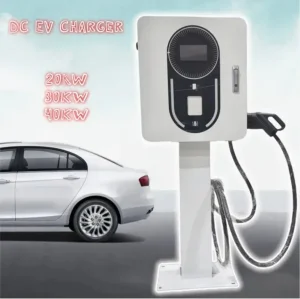

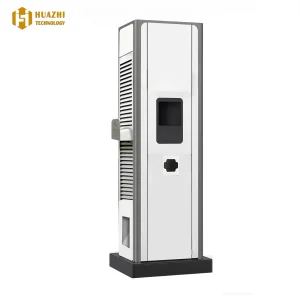
Crucial technical and business responses to support procurement managers during vendor evaluation.
 Voltura Charger