Canada is currently witnessing a paradigm shift in its transportation and energy sectors. As the federal government pushes towards a 100% zero-emission vehicle (ZEV) sales target for all new light-duty vehicles by 2035, the demand for robust DC Fast Charge Modules Factories and localized supply chains has never been higher. From the bustling streets of Toronto to the rugged mining terrains of Northern Quebec, the infrastructure is scaling at an unprecedented rate.
Programs like the Zero-Emission Vehicle Infrastructure Program (ZEVIP) are fueling the installation of DC fast chargers across Ontario, BC, and Quebec, offering up to 50% project cost coverage.
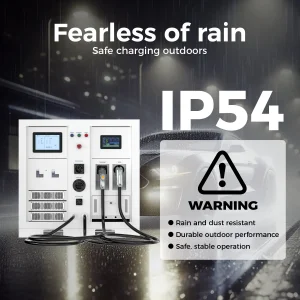
Canadian charging modules require advanced thermal management. Our factories focus on systems that operate efficiently at -40°C, a critical requirement for Prairie provinces and Northern territories.
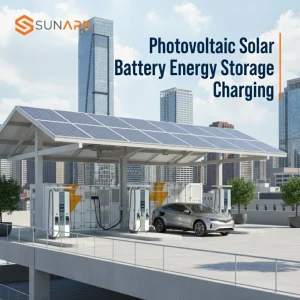
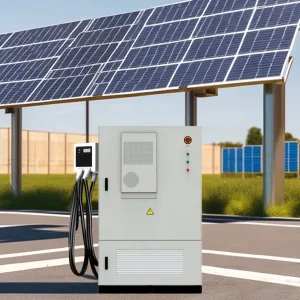
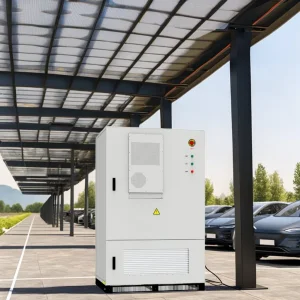
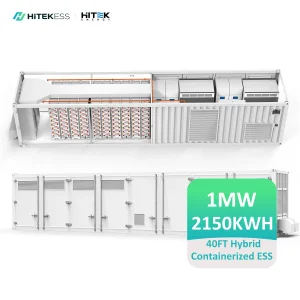
With the rise of BESS (Battery Energy Storage Systems), Canadian businesses are integrating solar and storage to mitigate high peak demand charges from utilities like Hydro One and Hydro-Québec.
In the world of EV infrastructure, the DC Fast Charge Module is the critical component that converts grid AC power into the high-voltage DC power required by EV batteries. For Canadian factories, the focus is on modularity and high power density.
Modern commercial systems in Canada are moving towards 30kW and 40kW modules that can be stacked to provide 150kW, 350kW, or even megawatt-scale charging for heavy-duty electric trucks and transit buses.
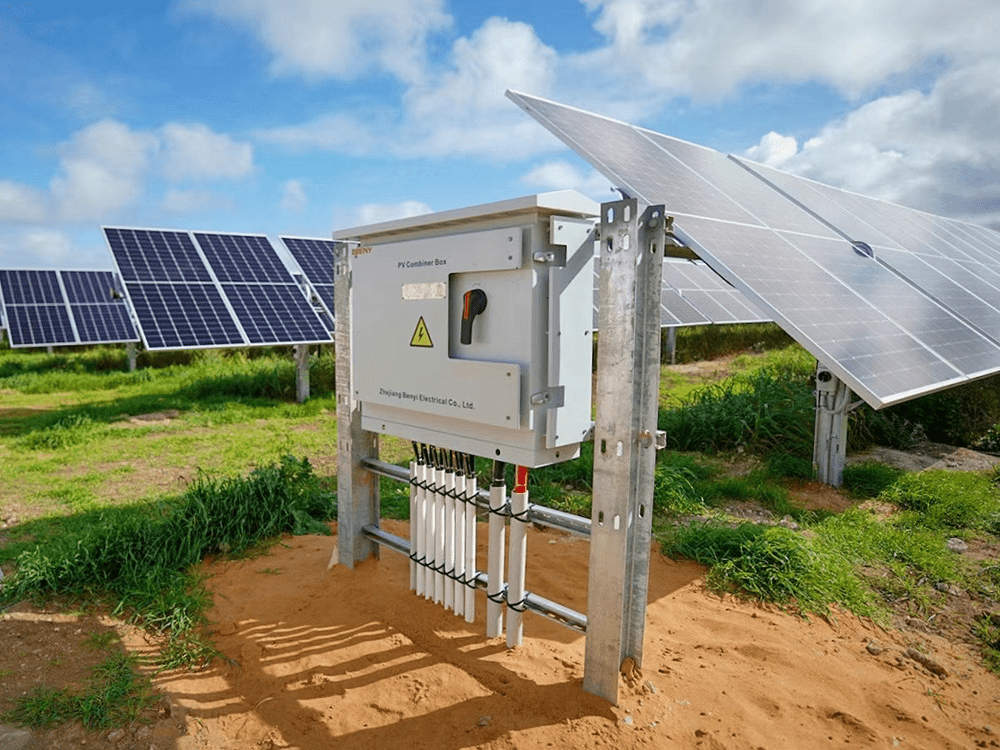
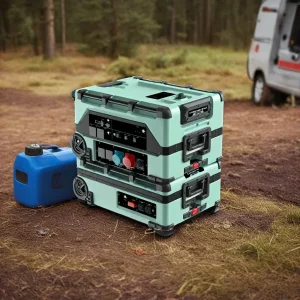
Electrifying mining fleets in the Ring of Fire or BC's interior requires off-grid solutions. Our All-in-One Solar ESS systems provide the necessary buffer to charge heavy-duty mining equipment without heavy reliance on diesel generators.
In cities like Vancouver and Toronto, condo developers are integrating smart load balancing modules to share limited electrical capacity across hundreds of parking stalls, avoiding million-dollar grid upgrades.
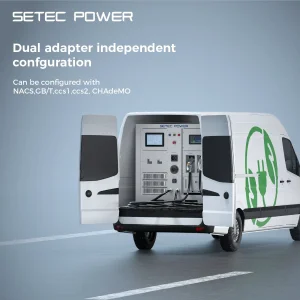
With companies like Canada Post and Amazon Canada shifting to EV vans, the need for rapid overnight charging modules is critical. High-density DC chargers ensure vans are at 100% SoC by the start of the morning shift.
Dongguan Voltra Charger Co., Ltd. is a forward-thinking manufacturer specializing in smart EV charging solutions for residential, commercial, and fleet applications. With a strong focus on innovation and energy efficiency, the company integrates research and development, production, and global sales to deliver reliable and intelligent charging infrastructure.
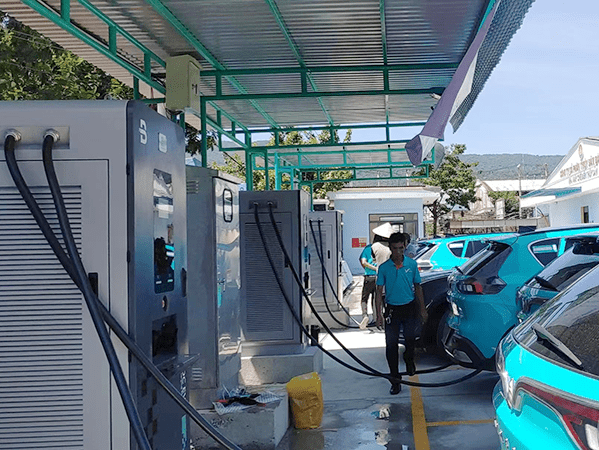
Voltra Charger offers a comprehensive product portfolio, including home EV charging stations, commercial charging systems, fleet charging solutions, and advanced charging power management units. Designed to meet diverse customer needs, its solutions support both AC and DC charging, ensuring compatibility with a wide range of electric vehicles.
Driven by the growing demand for sustainable mobility, the company emphasizes intelligent power management technologies such as load balancing, real-time monitoring, and energy optimization. These features help users reduce operational costs while improving charging efficiency and grid stability.
Dongguan Voltra Charger Co., Ltd. adheres to strict international quality standards and continuously invests in technological upgrades to enhance product performance and safety. Its solutions are widely applied in residential communities, office buildings, public charging networks, and logistics fleets.
The next decade of EV charging in Canada will be defined by Vehicle-to-Grid (V2G) technology and AI-driven load management. As we deploy more DC Fast Charge Modules, the ability of these units to communicate with the grid will be paramount. During winter peaks, electric vehicle batteries can act as a massive decentralized power plant, feeding energy back to the grid when demand spikes in cold weather.
Factories are now integrating AI chips into their charging modules to predict usage patterns and optimize charging schedules, ensuring that fleet operators in cities like Calgary or Halifax can minimize their carbon footprint while maximizing ROI.
 Voltura Charger