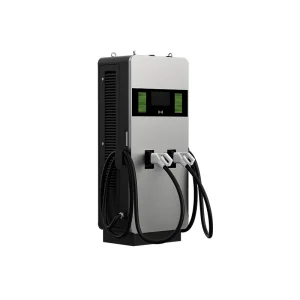
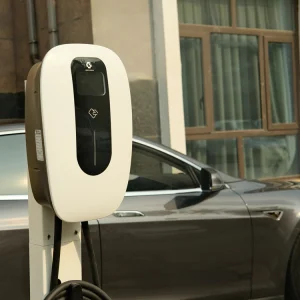
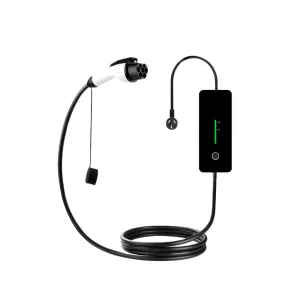
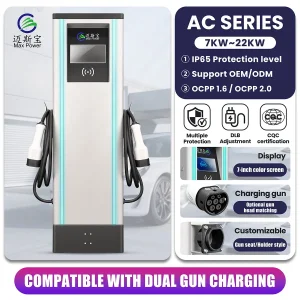
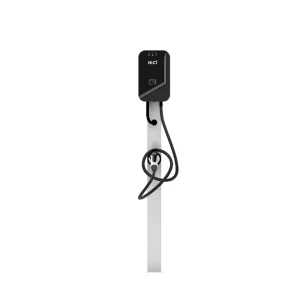
Selected Level 2 AC chargers configured specifically for public, commercial, and micro-grid EV deployments in the Southern African sub-region.
Lesotho, geographically situated as a highland enclave, presents a unique operating template for smart infrastructure deployment. Known globally for its mountainous peaks, rugged terrains, and elevation ranging from 1,400 meters to over 3,400 meters above sea level, the kingdom's climate is characterized by extreme temperature fluctuations and severe atmospheric exposure. Historically reliant on traditional fossil fuel imports and regional power syndicates via the Southern African Power Pool (SAPP), Lesotho is actively transitioning its focus toward municipal grid autonomy, utilizing decentralized hydro-power assets (such as the Katse Dam infrastructure) and robust, newly commissioned rural solar microgrids.
The core bottleneck holding back local electric vehicle (EV) uptake is not the appetite for sustainable transport, but the sheer lack of industrial-grade EVSE (Electric Vehicle Supply Equipment) adapted to the high altitudes and thermal variation of the Maloti Mountains. Developing a network of AC Level 2 chargers is the most economically viable mechanism to kickstart this ecosystem. Operating on standard 220V–240V single-phase or 380V–415V three-phase systems, AC Level 2 charging provides the optimal compromise between capital investment, installation density, and grid loading. This is particularly relevant in Maseru and industrial pockets like Maputsoe, where commercial zones require continuous, long-term fleet charging and overnight charging solutions without triggering destabilizing grid peak-demands.
On a global scale, the electrification of transport is driven by rapid battery density improvements, regional zero-emission mandates, and massive investments in ultra-fast DC charging corridors. However, localizing these strategies to a developing economy like Lesotho requires a radical recalibration of engineering and procurement targets. High-power DC fast-chargers (50kW to 350kW+) place immense stress on localized substation transformers, require complex cooling configurations, and carry prohibitive upfront hardware and integration costs.
Conversely, smart AC Level 2 chargers ranging from 7.4kW to 22kW operate as decentralized grid assets. In Lesotho, where rural and peri-urban locations rely on localized off-grid hybrid power systems (combining solar photovoltaic arrays, battery energy storage systems, and backup diesel generators), these smart chargers act as controllable, shiftable loads. Through Open Charge Point Protocol (OCPP 1.6J or OCPP 2.0.1) and Dynamic Load Balancing (DLB) protocols, charging rates can scale up and down dynamically in real-time based on local solar generation curves, protecting battery banks and minimizing generator cycles.
At high altitudes (above 2,000 meters), the dielectric strength of air decreases, rendering standard electrical components more susceptible to arcing and reducing natural convection cooling efficiency. Standard EVSE designed for European coastal plains will experience accelerated aging, component overheating, and safety-tripping when deployed in towns like Mokhotlong or Thaba-Tseka.
Our designated AC Level 2 charging stations incorporate high-specification relays, reinforced clearances, and custom-designed heatsinks capable of functioning at altitudes up to 4,000 meters. The enclosures are built from high-durability polycarbonate or automotive-grade sheet metal coated with UV-resistant coatings to prevent degradation under intense, high-elevation solar radiation.
Meeting the complex demands of the Southern African market requires an agile manufacturing partner. Dongguan Voltra Charger Co., Ltd., based in China's premier industrial manufacturing cluster, offers the specialized engineering capabilities required to deliver customized EVSE hardware. The company stands at the intersection of absolute structural quality, localized supply chain responsiveness, and cost-effective scaling.
By leveraging Dongguan’s highly integrated electronic components ecosystem, Voltra Charger implements strict design-for-manufacturability (DFM) guidelines. This enables rapid cycles of customization, such as modifying internal firmware to handle regional voltage swings (common in rural Lesotho grids), integrating pre-configured 4G LTE-M and NB-IoT modems to bypass patchy local Wi-Fi, and adding surge protection modules rated up to 6kV/8kV to withstand seasonal lightning strikes in the Maloti range.
Furthermore, China’s industrial scale guarantees highly competitive pricing metrics, making bulk procurement of commercial charging stations a reality for municipal councils, real estate developers, and logistics operations within Lesotho. Rather than relying on rigid, off-the-shelf Western solutions, procurement teams can source systems with localized branding, customized charge control profiles, and modular components that simplify maintenance in remote parts of Africa.
Dongguan Voltra Charger Co., Ltd. is a forward-thinking manufacturer specializing in smart EV charging solutions for residential, commercial, and fleet applications. With a strong focus on innovation and energy efficiency, the company integrates research and development, production, and global sales to deliver reliable and intelligent charging infrastructure.
Voltra Charger offers a comprehensive product portfolio, including home EV charging stations, commercial charging systems, fleet charging solutions, and advanced charging power management units. Designed to meet diverse customer needs, its solutions support both AC and DC charging, ensuring compatibility with a wide range of electric vehicles.
Driven by the growing demand for sustainable mobility, the company emphasizes intelligent power management technologies such as load balancing, real-time monitoring, and energy optimization. These features help users reduce operational costs while improving charging efficiency and grid stability.
Dongguan Voltra Charger Co., Ltd. adheres to strict international quality standards and continuously invests in technological upgrades to enhance product performance and safety. Its solutions are widely applied in residential communities, office buildings, public charging networks, and logistics fleets.
With a commitment to green energy and smart transportation, Voltra Charger aims to become a trusted global partner in the EV charging industry, empowering customers with efficient, safe, and future-ready charging solutions.
Adapting smart charging infrastructure to match the operational and geological profile of Southern African industries.
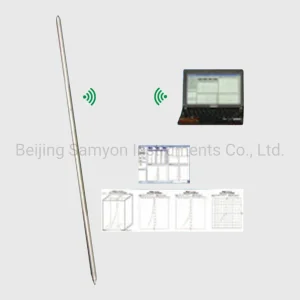
Lesotho's premier diamond mining assets require rugged fleet charging systems. Heavy-duty vehicles, employee shuttles, and light utility fleets can be recharged overnight with robust 22kW wallboxes integrated with industrial inclination sensors to monitor terrain stability and local structural integrity.
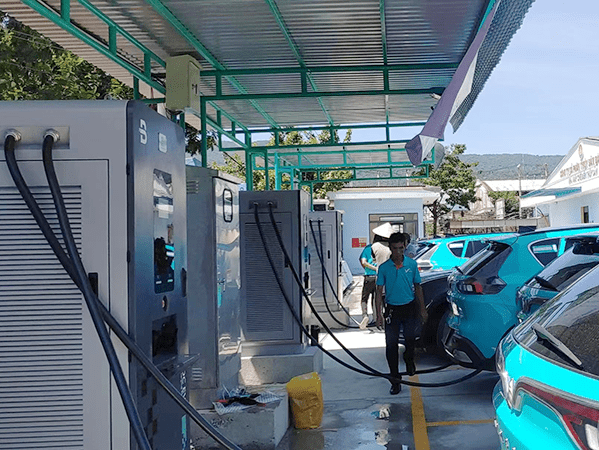
Retail developments in Maseru and high-end eco-lodges situated in tourist gateways (e.g. Semonkong, Katse) can leverage IP65 rated public chargers. Offering Type 2 sockets ensures compatibility with European and South African tourist vehicles, providing a major drawcard for travelers.
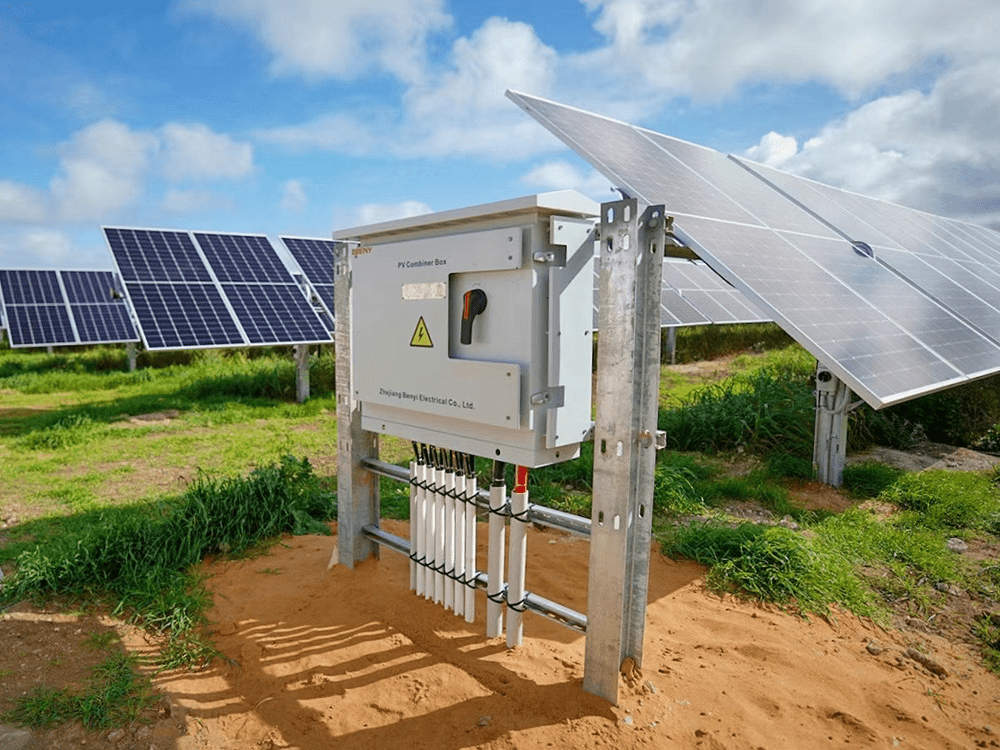
Integrating solar EV chargers directly with decentralized PV generation plants in remote valleys. Excess daytime solar energy is redirected dynamically into waiting vehicles, mitigating battery storage cycling and eliminating load shedding concerns.
The Southern African region is transitioning toward comprehensive vehicle electrification, driven by the volatile cost of refined petroleum products and the local availability of renewable hydro and solar resources. Key trends shaping the future of industrial infrastructure in this region include:
Our manufacturing facility supplies both advanced electrical vehicle chargers and complementary industrial instrumentation to ensure long-term site stability.

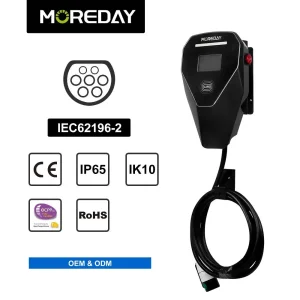
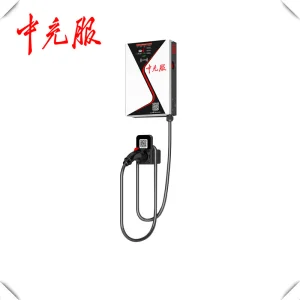
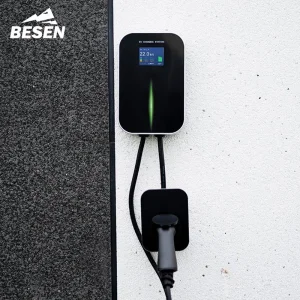


For multi-tenant commercial EV installations, mining fleet stations, or remote mountain site deployments, monitoring high-pressure lines and site structural integrity is critical. Below are additional specialized sensors and instruments available for configuration:
Frequently asked questions by engineering, procurement, and infrastructure planning teams in Lesotho and Southern Africa.
 Voltura Charger