High-efficiency DC fast chargers, integrated energy storage systems, and advanced power supply modules engineered for global deployment.
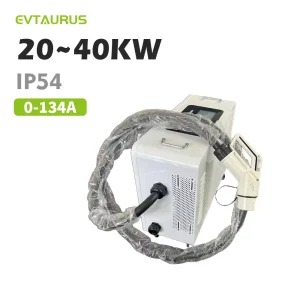
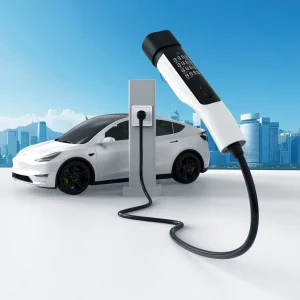
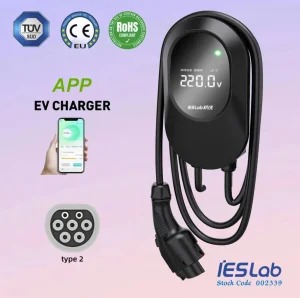
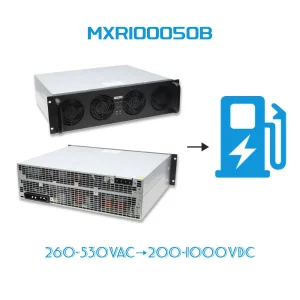
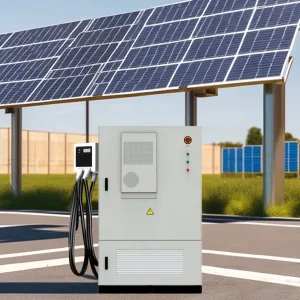
The global convergence of Photovoltaics (PV), Battery Energy Storage Systems (BESS), and Electric Vehicle (EV) infrastructure.
The global clean energy landscape is experiencing an unprecedented structural transition. As fleet electrification accelerates, grid operators and commercial enterprise managers face a shared bottleneck: grid capacity limitations. Sourcing equipment from a high-tier solar-powered EV charging exporter is no longer just a procurement transaction—it is a strategic decision to implement decentralized, zero-emission microgrids.
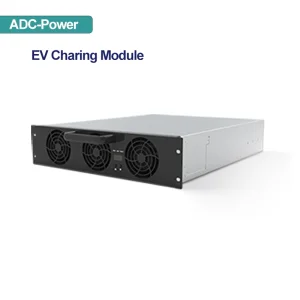
By capturing solar energy directly, converting it via high-efficiency rectifiers, storing it in dedicated Lithium Iron Phosphate (LFP) Battery Energy Storage Systems (BESS), and delivering it via liquid-cooled fast chargers, systems designed by leading Chinese manufacturers bypass grid congestion. This minimizes the levelized cost of energy (LCOE) while allowing commercial facilities to meet strict corporate carbon-reduction mandates.
Expert manufacturer specializing in smart EV charging solutions for residential, commercial, and fleet applications.
Dongguan Voltra Charger Co., Ltd. is a forward-thinking manufacturer specializing in smart EV charging solutions for residential, commercial, and fleet applications. With a strong focus on innovation and energy efficiency, the company integrates research and development, production, and global sales to deliver reliable and intelligent charging infrastructure.
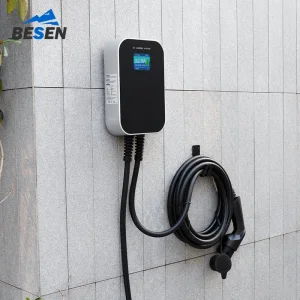
Voltra Charger offers a comprehensive product portfolio, including home EV charging stations, commercial charging systems, fleet charging solutions, and advanced charging power management units. Designed to meet diverse customer needs, its solutions support both AC and DC charging, ensuring compatibility with a wide range of electric vehicles.
Driven by the growing demand for sustainable mobility, the company emphasizes intelligent power management technologies such as load balancing, real-time monitoring, and energy optimization. These features help users reduce operational costs while improving charging efficiency and grid stability.
Dongguan Voltra Charger Co., Ltd. adheres to strict international quality standards and continuously invests in technological upgrades to enhance product performance and safety. Its solutions are widely applied in residential communities, office buildings, public charging networks, and logistics fleets.
With a commitment to green energy and smart transportation, Voltra Charger aims to become a trusted global partner in the EV charging industry, empowering customers with efficient, safe, and future-ready charging solutions.
Deciphering grid compatibility, protocol standards, and microgrid engineering for international procurement directors.
International corporate procurers evaluate solar-charged EV systems not just on upfront CAPEX, but on the Operational Cost (OPOC) savings achieved via Peak Shaving and Load Management.
Ensuring seamless operational logic between local OCPP 1.6J/2.0.1 platforms, solar inverters, and battery management systems (BMS) for real-time telemetry.
Navigating strict CE, TUV, UL, and localized grid connection certifications (such as G99 in the UK or IEEE 1547 in North America).
| Feature Parameter | Standard Grid-Tied Charger | Integrated Solar PV-BESS EV Charging Station |
|---|---|---|
| Primary Power Dependency | 100% Grid Dependent | Hybrid: Solar Generation (Primary) + BESS Support + Grid (Back-up) |
| Grid Connection Level | High peak demand, often requires costly transformers | Stabilized peak demand via local BESS dispatch and peak shaving |
| Levelized Cost of Energy (LCOE) | Subject to local commercial utility rates | Highly cost-effective (utilizing free solar generation) |
| Operational Continuity | Susceptible to grid blackout events | Uninterrupted charging capability using stored power in off-grid mode |
| Environmental Carbon Footprint | Corresponds directly to national grid utility mix | Direct reduction of Scope 1 & Scope 2 greenhouse gas emissions |
How China's manufacturing clusters scale PV-BESS-EV technologies while maintaining cost leadership.
China's dominance as the primary solar-powered EV charging station exporter is built on advanced manufacturing clusters. At Dongguan Voltra Charger Co., Ltd., production lines leverage Factory 4.0 standards to ensure product uniformity and rapid scale-up capability. This includes automated pick-and-place lines for PCBA, automated optical inspection (AOI), and environmental chambers for thermal stress testing of high-voltage charging modules.
This ecosystem secures key components—from raw lithium cells for energy storage cabinets to high-power semiconductor devices (such as silicon carbide MOSFETs used in rectifier modules)—with minimal supply chain delay. This local cluster design translates directly into shorter lead times, consistent quality, and a highly competitive total cost of ownership (TCO) for global operators.
Decentralized power systems customized for varied site parameters and infrastructure requirements.
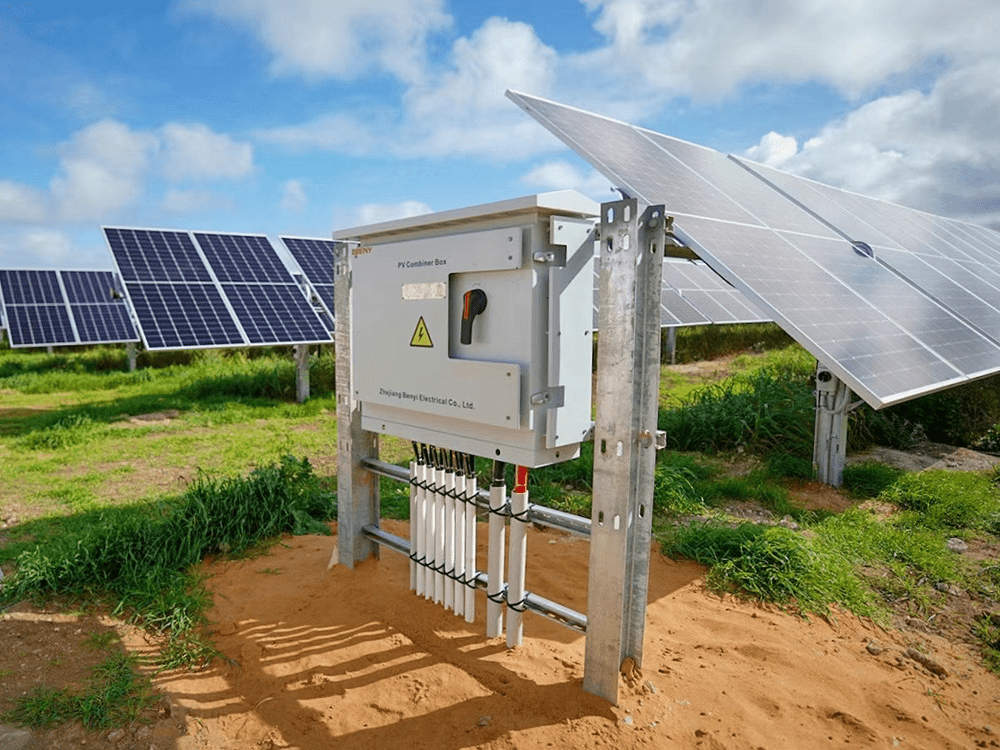
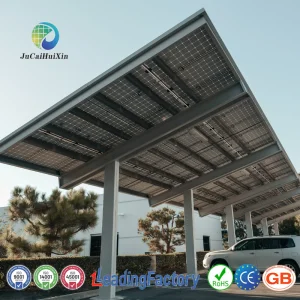
Transforming open office parking spaces into revenue-generating solar carports. Using smart load balancing, buildings charge fleet vehicles and employees' cars using rooftop solar power while keeping peak building demand within safe limits.
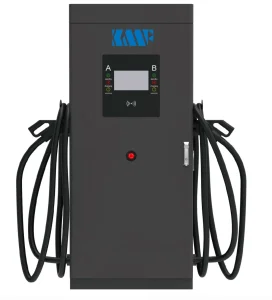
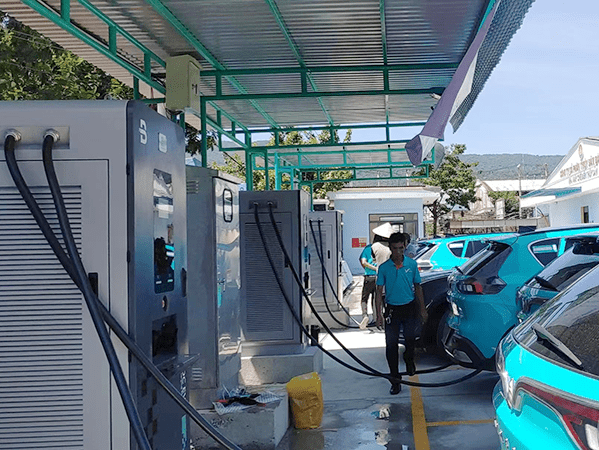
High-power fleet hubs require 180kW to 320kW DC fast charging. When integrated with a 215kWh or larger BESS outdoor energy system, this configuration ensures continuous charging throughput without triggering expensive grid upgrades.
For remote areas, national parks, and highway rest stops where grid expansion is cost-prohibitive. Off-grid microgrids pair high-capacity solar carports with battery swapping cabinets to deliver continuous clean power.
Detailed answers to complex questions regarding integrated solar charging microgrids.
The system operates on an Energy Management System (EMS) that controls power flow in real time. It prioritizes direct PV-to-EV power transfer to minimize conversion losses. Excess PV power is routed to charge the BESS. If the EV charging demand exceeds solar output, the EMS blends power from the BESS and the grid to maintain constant charging without exceeding the maximum grid connection limit.
Outdoor components are designed with IP54/IP65 ingress protection to prevent dust and water intrusion. In addition, the integrated BESS features active liquid cooling, aerosol fire suppression systems, and built-in surge protection. The charging modules also include protection against over-voltage, under-voltage, short circuits, and ground faults to ensure safe operation.
Yes, our bidirectional power electronics support V2G and V2B protocols based on ISO 15118. This allows vehicle fleets to act as mobile batteries, discharging power back to the building or grid during peak hours to generate revenue or provide support during emergencies.
Integrating storage reduces demand charges from utility companies, which can make up a large portion of a commercial electric bill. By shifting load peak demands and utilizing stored low-cost solar energy, the system lowers the overall LCOS and shortens the ROI period to 4 to 6 years, depending on regional commercial energy pricing.
A complete suite of infrastructure components including solar structures, management software, and auxiliary equipment.


 Voltura Charger