Explore our core selection of commercial-grade EV chargers, power modules, and intelligent grid components engineered for global energy transition markets.
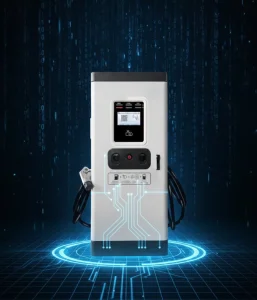
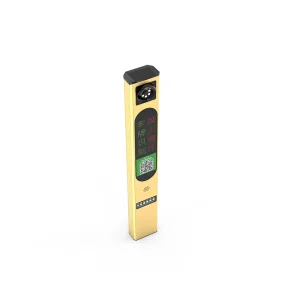
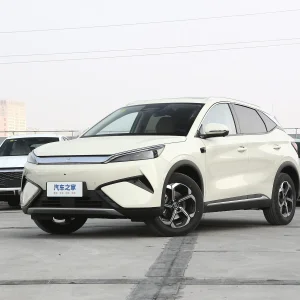


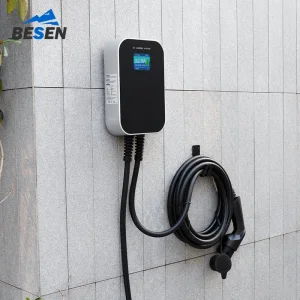
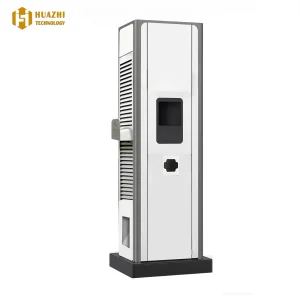
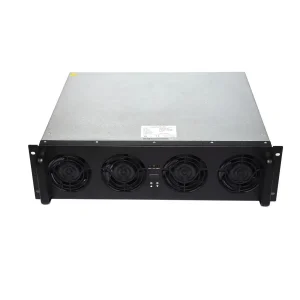
As global electric vehicle penetration rates soar past critical thresholds, local distribution grids face unprecedented peak load stresses. Transitioning from passive, unidirectional EV charging units to active, smart-grid integrated nodes is no longer optional—it is a critical requirement for grid stability.
Industrial and commercial operations worldwide are deploying multi-megawatt systems linked with distributed energy resources (DERs) like commercial battery storage and industrial solar panels. By utilizing intelligent software-driven solutions, fleet operators and commercial property owners can execute Peak Shaving, Dynamic Load Balancing (DLB), and participate in Demand Response (DR) programs. China has emerged as the global epicenter for this technology, consolidating raw material supplies, advanced power electronics R&D, and precision manufacturing within highly integrated industrial hubs.
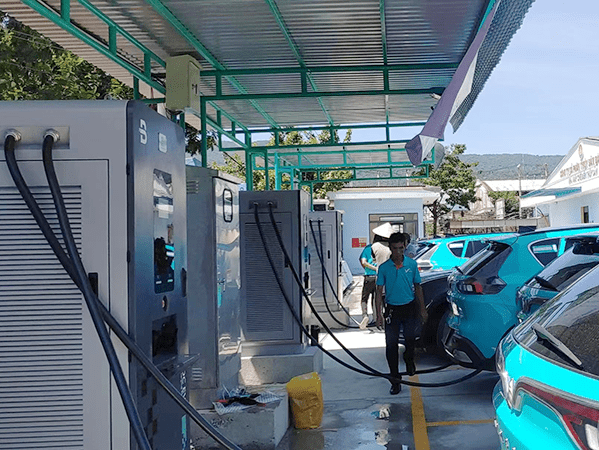
A trusted global manufacturing partner delivering robust, intelligent charging stations and power electronics modules certified to international safety and network protocols.
Dongguan Voltra Charger Co., Ltd. is a forward-thinking manufacturer specializing in smart EV charging solutions for residential, commercial, and fleet applications. With a strong focus on innovation and energy efficiency, the company integrates research and development, production, and global sales to deliver reliable and intelligent charging infrastructure.
Voltra Charger offers a comprehensive product portfolio, including home EV charging stations, commercial charging systems, fleet charging solutions, and advanced charging power management units. Designed to meet diverse customer needs, its solutions support both AC and DC charging, ensuring compatibility with a wide range of electric vehicles.
Driven by the growing demand for sustainable mobility, the company emphasizes intelligent power management technologies such as load balancing, real-time monitoring, and energy optimization. These features help users reduce operational costs while improving charging efficiency and grid stability.
Dongguan Voltra Charger Co., Ltd. adheres to strict international quality standards and continuously invests in technological upgrades to enhance product performance and safety. Its solutions are widely applied in residential communities, office buildings, public charging networks, and logistics fleets.
Delivering certified hardware and components optimized for global grid integration and zero-downtime fleet logistics operations.
Why Tier-1 developers and global EPC contractors choose Dongguan-based infrastructure developers to scale their charging networks.
Located in the heart of China's advanced electronics hub, Voltra Charger accesses local ecosystems for power semiconductors, sheet metal chassis fabrication, high-precision capsule manometers, and system controllers. This cluster optimizes bill-of-materials costs while accelerating prototyping and volume assembly times.
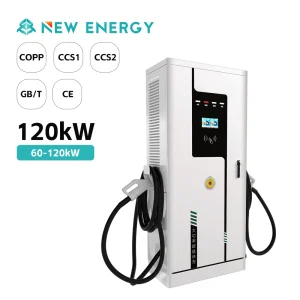
Every charging station and power module undergoes rigid burn-in testing, insulation resistance screening, and load cycle testing. Adherence to standards like GBT, CCS1, CCS2, and CHAdeMO ensures that units operate reliably under extreme conditions, ranging from commercial plazas to public transit depots.
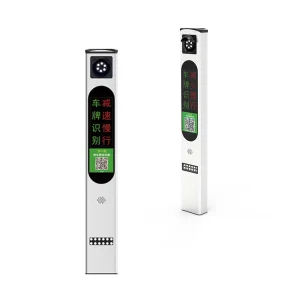
From custom sheet metal designs for public installations to specific firmware upgrades supporting localized license plate recognition (LPR) and voice systems (TTS), China's manufacturers adapt quickly to local utility and municipal regulatory mandates.
How advanced power routing, energy storage, and automated fleet infrastructure deploy across key global markets.
Deploying smart charging grids in commercial settings requires tight integration with parking operations and building management. Utilizing license plate recognition (LPR) with GB2312 level 2 font libraries and TTS voice broadcast services allows plazas to automate billing, control access, and distribute charge loads dynamically relative to the building's current peak power demand.
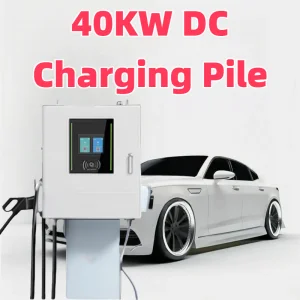
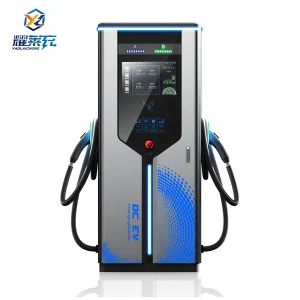
For municipal transit systems and heavy-duty logistics operators, charging latency translates directly into operating losses. High-capacity DC fast charging piles (80-360kW) coupled with 50kW power modules like the MXR100050B provide the necessary speed. Automated power matrixing ensures that if a single vehicle is charging, it draws maximum power, while multiple docked trucks trigger intelligent load sharing.
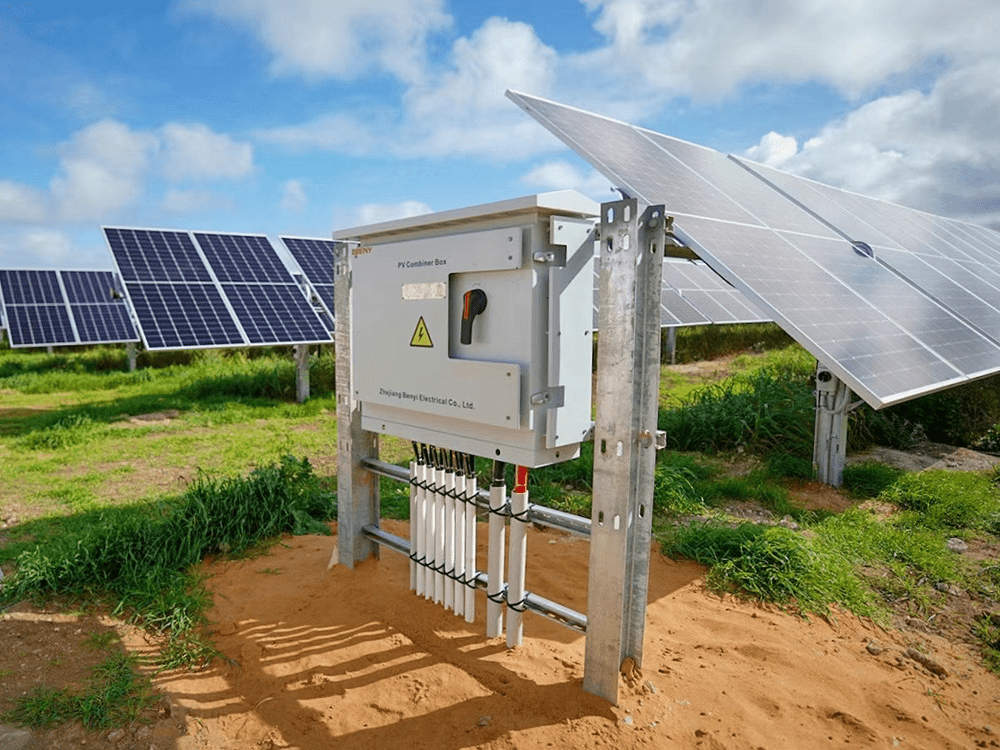
In rural installations or grid-constrained logistics depots, developers combine solar arrays, Battery Energy Storage Systems (BESS) featuring PCS units, and EV stations. This configuration mitigates demand charges by discharging the batteries when EV charging demands spike, keeping the drawn power from the utility grid below the contract capacity limit.
A closer look at the key hardware and software layers that enable stable power routing and high-efficiency operations.
The transition to 1000V architectures, exemplified by products like the 50kW 1000V AC/DC Power Module and the MXR100050B, has redefined high-speed charging. Wide output voltage ranges (150VDC - 1000VDC) permit charging for both legacy passenger EVs and new commercial heavy-duty trucks. Higher module power densities allow system integrators to scale cabin configurations from 100kW up to 480kW by stacking modules. These modules utilize resonant LLC circuits and active power factor correction (PFC) to achieve typical operating efficiencies above 96%, minimizing thermal losses.
Deployments in street-side public networks require structural resilience. Heavy industrial sheet metal fabrication, combined with hot-dip galvanization and anti-corrosive powder coatings, ensures durability under harsh conditions (IP54 to IP65 ratings). High-power DC stations generate significant heat, requiring internal air duct isolation or closed-loop liquid cooling. To maintain hydraulic stability in liquid-cooled units, manufacturers utilize precision pneumatic and fluid pressure gauges with FNPT test valve adapters, tracking coolant line pressure to prevent leaks and prevent equipment damage.
Smart grid integration relies on advanced software. By utilizing OCPP 1.6J or OCPP 2.0.1 protocols via built-in cellular or Ethernet modems, charging systems communicate directly with grid operators. The internal controller monitors real-time building load profiles and matches EV charging output to available power. This system reduces local grid stress, helps commercial facilities bypass infrastructure upgrades, and lowers total cost of ownership (TCO) for operators.
Select components and specialized grid integration units for commercial developers and municipal utility operators.


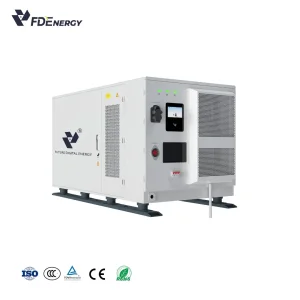
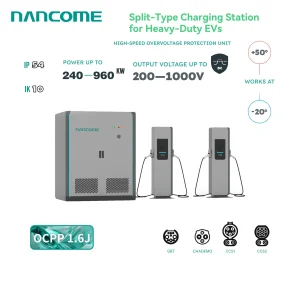
Key parameters, system integration requirements, and compliance checklists for municipal planners and industrial buyers.
Purchasing charging infrastructure at a MW scale requires technical evaluation across safety, communication, and mechanical parameters. Buyers should reference the following parameters when evaluating global suppliers:
| Technical Parameter | Standard Requirement | System Function & Value |
|---|---|---|
| Charging Protocol Compatibility | CCS1, CCS2, GBT, CHAdeMO | Ensures cross-border fleet interoperability and standard compliance. |
| Grid Synchronization & Harmonics | THD ≤ 5%, Power Factor ≥ 0.99 | Reduces noise, preventing transformer degradation and local grid overheating. |
| Network Security and API Access | OCPP 1.6J / 2.0.1 JSON via TLS 1.3 | Secures transactions and protects utility endpoints against cyber threats. |
| Thermal & Structural Protection | IP54 / IK10 Rated Enclosures | Ensures reliable performance in high-humidity, dusty, and outdoor urban environments. |
Addressing the technical, regulatory, and mechanical questions asked by utility engineers and procurement managers.
 Voltura Charger