Deploy enterprise-grade charging systems integrated with high-performance telemetry software

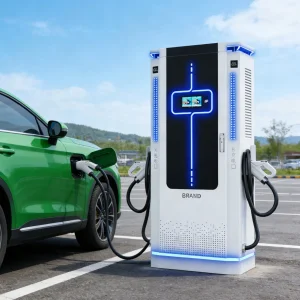
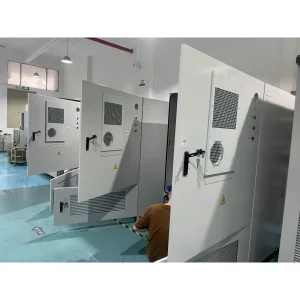
An authoritative analysis on Software-Defined Charging Networks (SDCN), hardware-software integration, and grid orchestration
The global transition toward electrified transport has shifted the competitive landscape of the Electric Vehicle (EV) industry from hardware capacity to software governance. As Charge Point Operators (CPOs), commercial fleet dispatchers, and utility grids demand microsecond-level telemetry, EV software solutions have emerged as the nervous system of modern e-mobility. Modern electric vehicle software platforms are no longer limited to basic session metering; they now incorporate complex machine learning algorithms for Dynamic Load Management (DLM), automated dynamic pricing models, multi-tenant billing engines, and predictive health monitoring for power electronic hardware.
The global EV software landscape is undergoing a systemic evolution driven by regulatory mandates and grid constraints. The legacy OCPP 1.6J protocol, while widespread, is rapidly giving way to OCPP 2.0.1 JSON. This migration provides enhanced security profiling (TLS 1.3 with client certificate authentication), granular device monitoring capabilities, and support for complex charging profiles required by modern commercial fleets.
Simultaneously, the adoption of ISO 15118-20 enables seamless Plug & Charge (PnC) and bi-directional power flow (Vehicle-to-Grid, or V2G). Under ISO 15118-20, the EV software stack embedded within the charger module handles automated cryptographic handshake routines with the vehicle's onboard controller. This eliminates the need for manual RFID taps or third-party mobile applications, transforming the charging experience into an automated, background-level cryptographic exchange.
When enterprise procurement officers evaluate OEM software and hardware vendors, the criteria extend beyond peak kW capacity ratings. Procurement matrices now heavily weigh software scalability, interoperability certifications, and RESTful API flexibility for seamless integration with legacy ERP systems such as SAP, Oracle, and specialized fleet telematics suites (e.g., Geotab, Samsara).
Embedded Linux/FreeRTOS edge stack featuring secure boot, hardware Root of Trust (RoT), and encrypted local storage to safeguard sensitive billing data against edge-level tampering.
Real-time algorithmic distribution of available transformer capacity across multi-gun DC fast chargers, reducing grid peak-demand surcharges by up to 42%.
Scalable cloud telemetry microservices built for high-throughput MQTT/WebSocket protocols, delivering low-latency dashboard updates for global fleet networks.
Engineered performance delivering measured improvements across global enterprise deployments
Vertical Integration from CNC Mechanical Precision to Custom Board Support Packages (BSP)
Dongguan Voltra Charger Co., Ltd. is a forward-thinking manufacturer specializing in smart EV charging solutions for residential, commercial, and fleet applications. With a strong focus on innovation and energy efficiency, the company integrates research and development, production, and global sales to deliver reliable and intelligent charging infrastructure.
Voltra Charger offers a comprehensive product portfolio, including home EV charging stations, commercial charging systems, fleet charging solutions, and advanced charging power management units. Designed to meet diverse customer needs, its solutions support both AC and DC charging, ensuring compatibility with a wide range of electric vehicles.
Driven by the growing demand for sustainable mobility, the company emphasizes intelligent power management technologies such as dynamic load balancing, real-time telemetry monitoring, and active energy optimization. These embedded software features directly empower end-users and operators to reduce operational costs while improving charging efficiency and grid stability.
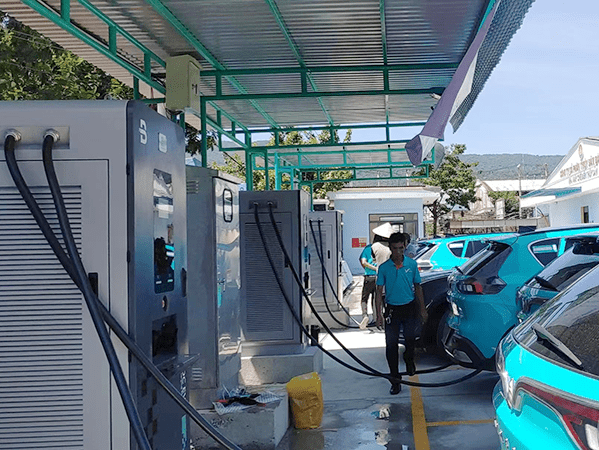
Dongguan Voltra Charger Co., Ltd. adheres to strict international quality standards (ISO 9001, CE, RoHS, IEC 61851) and continuously invests in technological upgrades to enhance product performance, thermal management, and electrical safety. Its software-hardware integrated solutions are widely deployed across residential communities, commercial office towers, public CPO charging networks, and heavy logistics fleets.
With a firm commitment to green energy and smart transportation, Voltra Charger aims to serve as a trusted global OEM/ODM partner in the EV charging ecosystem, providing tier-1 automotive clients with efficient, safe, and future-ready charging solutions.
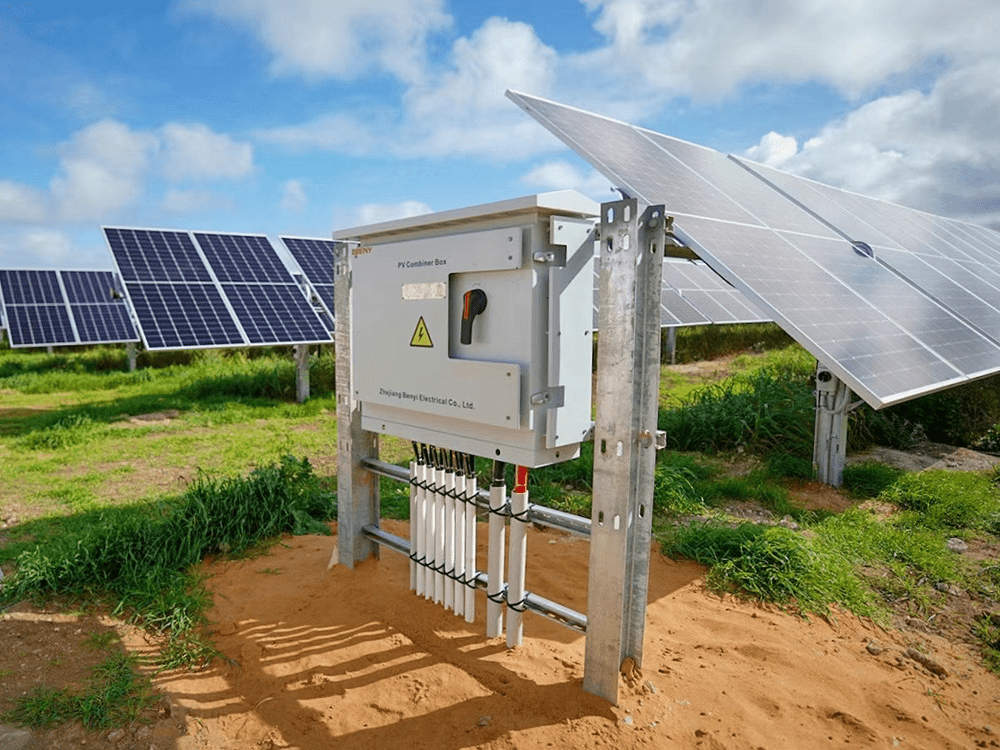
Decoupled system architecture facilitating modular firmware upgrades and multi-cloud interoperability
| Architecture Layer | Primary Protocols & Technologies | Embedded Functional Responsibilities | OEM/ODM Customization Scope |
|---|---|---|---|
| Hardware & Firmware Layer | CAN bus 2.0B, Modbus RTU, Zero Impulse Current, Embedded C/C++ | Real-time current modulation, isolated relay control, over-current/over-temperature hardware interlocks. | Board design, custom relay logic, sensor integration, zero-impulse switching modules. |
| Edge Controller Middleware | FreeRTOS, Embedded Linux, OpenSSL, IEC 61851-1, ISO 15118-20 | Cryptographic Plug & Charge handshake, local load management fallback routines, meter reader parsing. | Custom state machines, offline charging rules, localized display UI (GUI). |
| Communication Gateway | OCPP 1.6J / OCPP 2.0.1, MQTT over TLS 1.3, 4G LTE Cat-M1, Wi-Fi 6 | Secure message queues, heartbeats, automated OTA firmware distribution, remote diagnostics. | White-label CPO cloud connectors, multi-APN cell configurations, backend failover endpoints. |
| Enterprise Software Stack | RESTful APIs, Microservices, DynamoDB/PostgreSQL, WebSockets | Fleet management portal, automated credit card billing, energy arbitrage dispatch, tenant role access. | White-label mobile applications, customized billing rules, custom ERP/SAP integration modules. |
Engineered implementations optimized for specific commercial and industrial applications
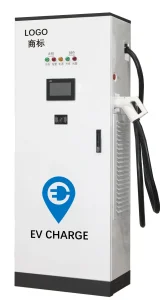
Utilizing high-power Dual-Gun 240kW-400kW DC Chargers with automated fleet dispatch software. Systems feature sequential charging algorithms that dynamically direct maximum power to vehicles scheduled for immediate departure.
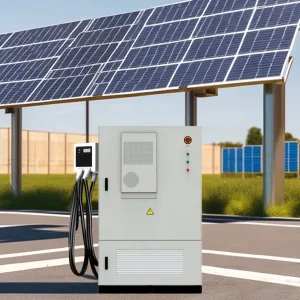
Integrated with 215kWh commercial BESS software to execute dynamic tariff arbitrage—charging storage assets during off-peak solar hours and discharging into fast chargers during peak utility rates.
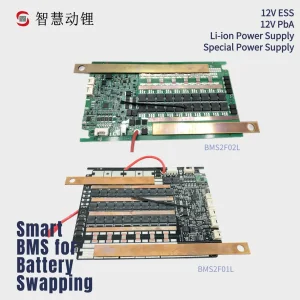
Custom software embedded in smart battery swap cabinets and all-weather e-bike BMS stations, optimizing multi-pack thermal runaway monitoring and state-of-health (SoH) diagnostics.
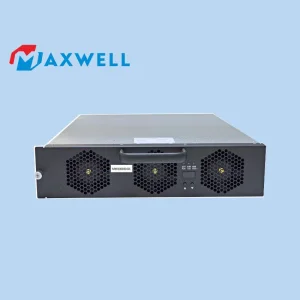
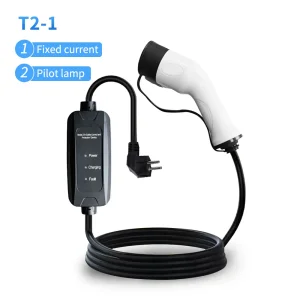
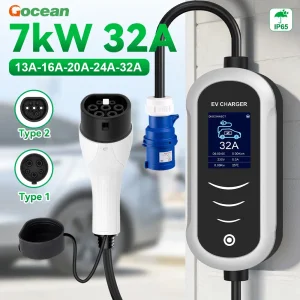
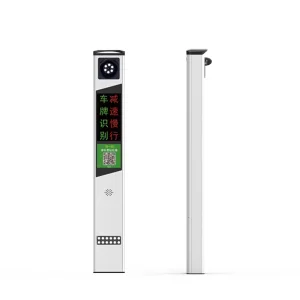
Explore our full OEM manufacturing lineup: Portable chargers, integrated BESS units, power modules, & smart parking peripherals

Expert insights regarding EV software OEM manufacturing, hardware-firmware integration, and global standards
OCPP 2.0.1 (Open Charge Point Protocol) enhances legacy 1.6J standards by introducing advanced device management, custom display handling, multi-transaction authorization, and robust ISO 15118 security extensions. For enterprise network operators, purchasing hardware with native OCPP 2.0.1 firmware ensures full compatibility with modern cloud backends without requiring costly middleware translators.
Voltra Charger's DLM architecture uses edge computing modules within our DC and AC charger platforms. The chargers continuously read grid supply meters via RS485/Modbus or Ethernet and dynamically throttle output currents across active charging ports in under 100 milliseconds. This ensures total facility power consumption never exceeds contracted grid limits, eliminating utility penalty fees for commercial site hosts.
Yes. As a direct manufacturer with an specialized in-house software team, we provide full white-label OEM/ODM solutions. This includes branding mobile UI/UX apps, customizing embedded firmware LCD screens, configuring targeted cloud endpoint URLs (WebSocket endpoints), and customizing proprietary CAN bus protocols for specialized commercial vehicle fleets.
Our hardware controllers feature secure boot hardware modules (CryptoAuthentication chips), encrypted flash storage for local transaction logs, and enforced TLS 1.3 encryption for all outgoing OCPP cloud communications. Secure Over-The-Air (OTA) firmware updates are signed with asymmetric cryptographic keys to prevent unauthorized code execution.
Our microgrid software layers communicate via Modbus TCP/CAN bus with hybrid solar inverters and battery management systems (BESS). When EV demand spikes, the system draws instant power from local battery storage (e.g., 215kWh storage systems) rather than pulling high peak currents from the utility grid, ensuring stable grid frequency and lower operational expenditure.
 Voltura Charger