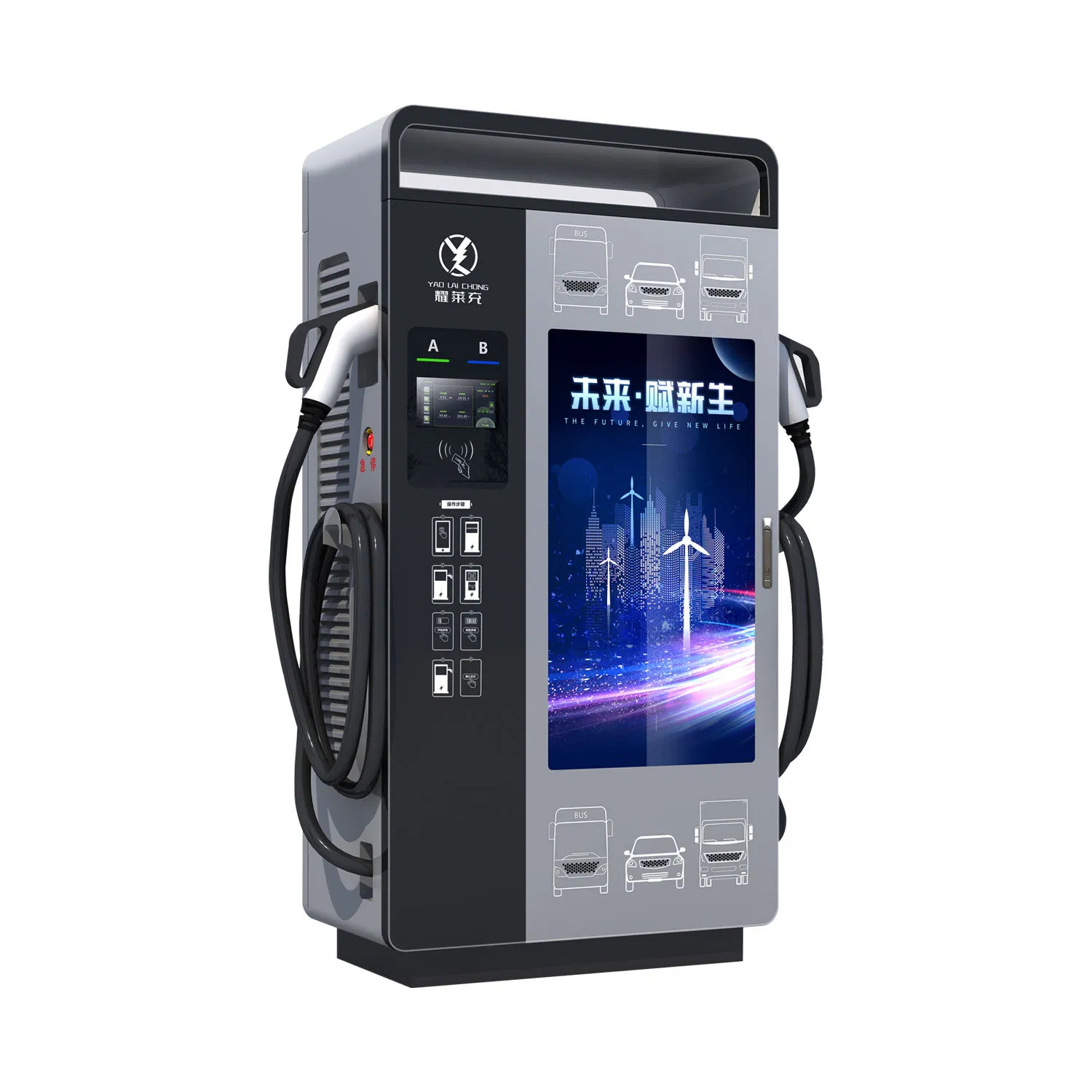
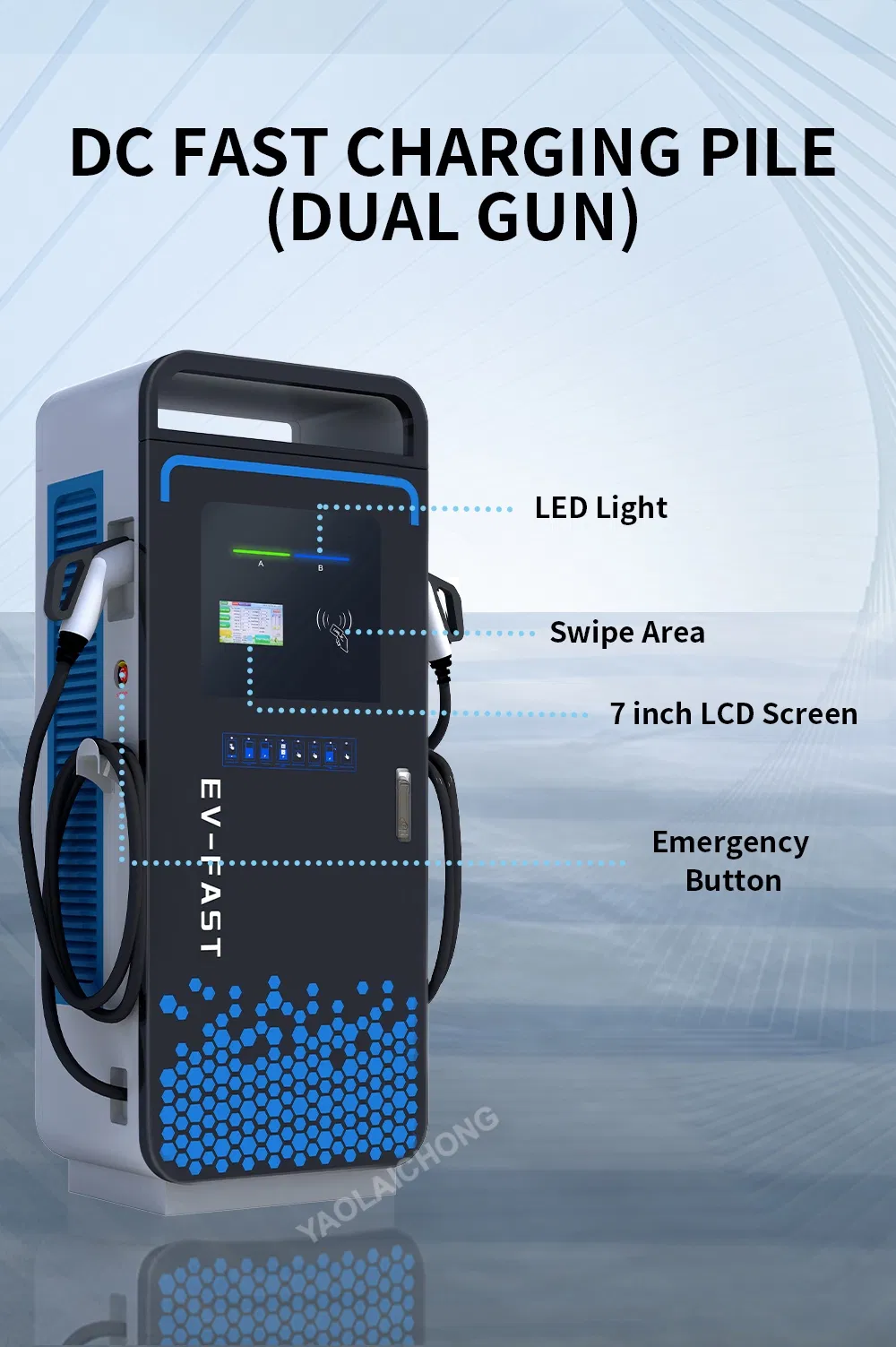
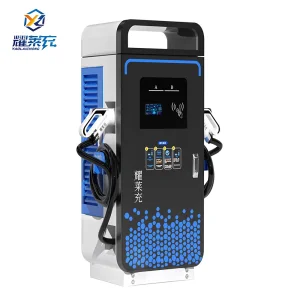
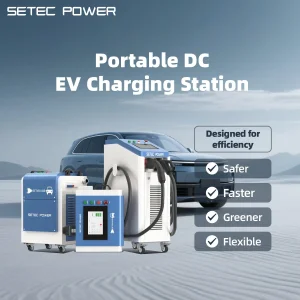
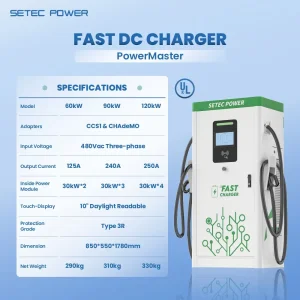
DC Dual Gun Gbt CCS Electric Car EV Charger Fast Charging Station with Advertising Screen

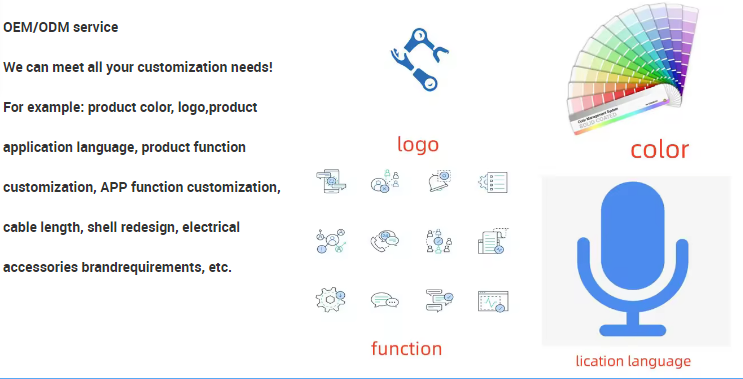
Customization: Available
Connector Type: CCS1, CCS2, CHAdeMO, GB/T
Installation: Floor Type

Product Description

Basic Information
Model NO. YLC-KC-G
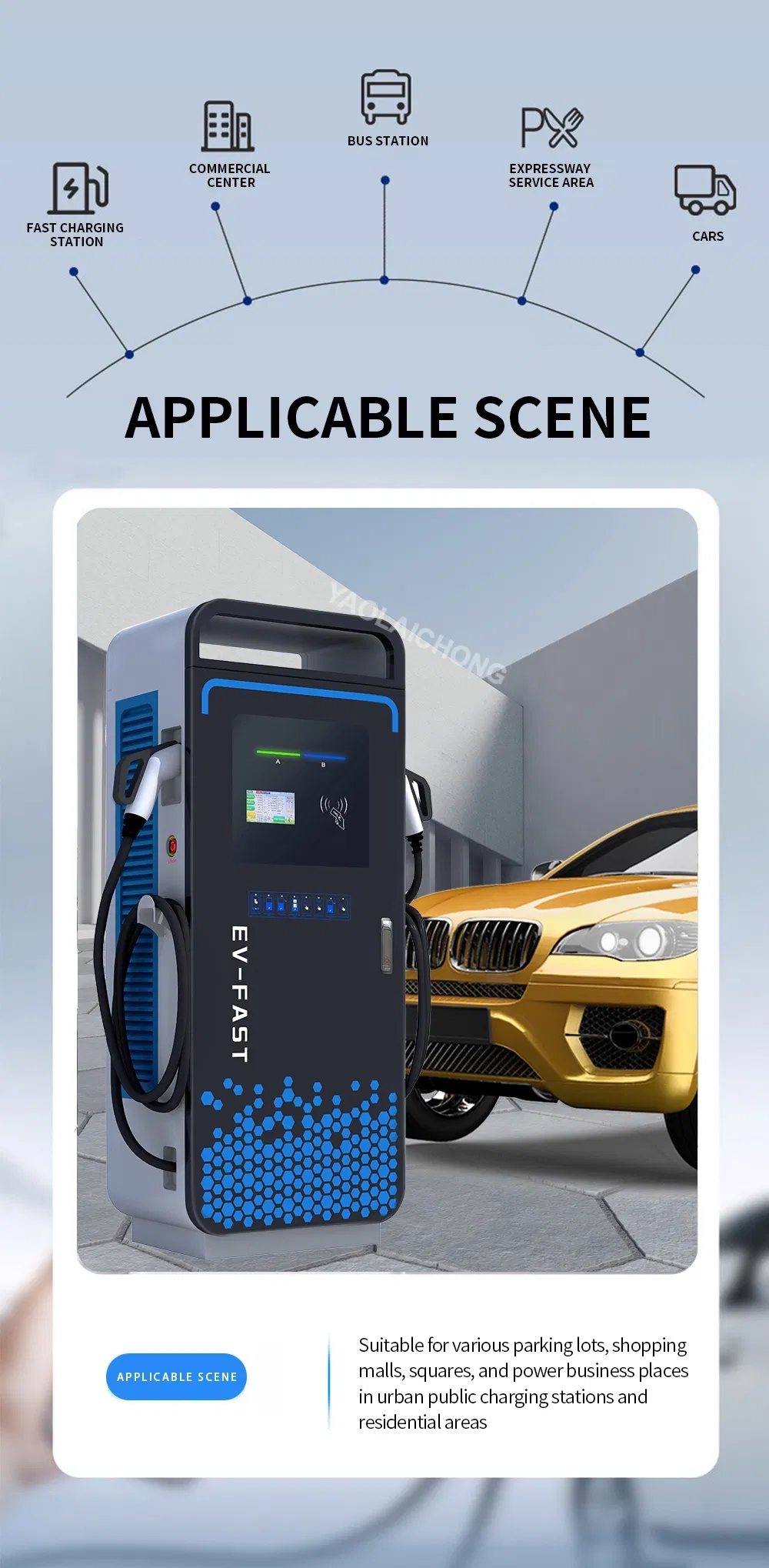
Location Public Use
Number of Charging Interfaces One Pile with Multiple Charges
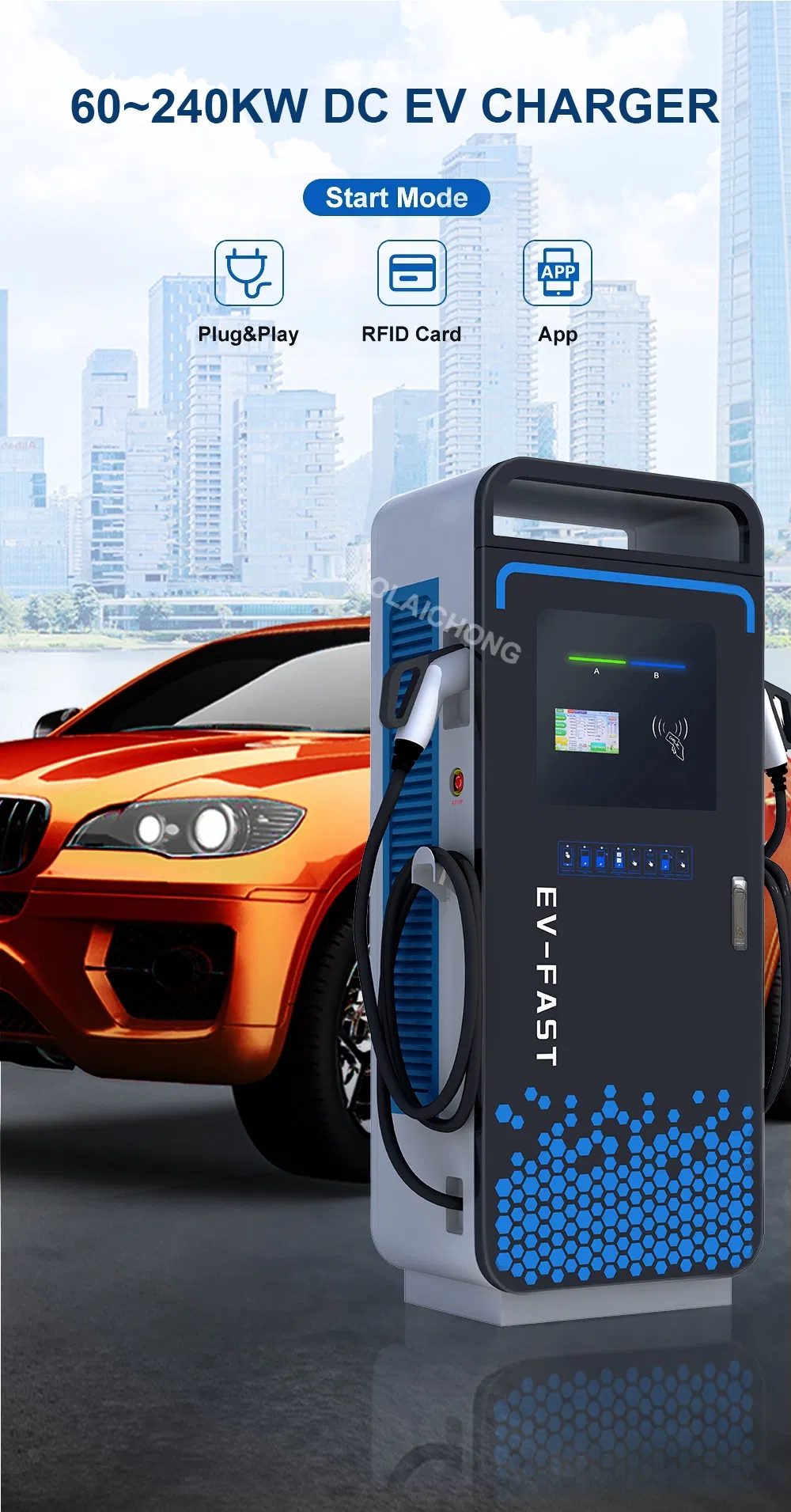
Start Mode Credit Card Payment, Mobile Remote Operation, RFID Authentic
Output Power 40kw-360kw
Input Voltage 380V
Applicable Car Applicable to All Brands of Electric Vehicles
Applicable Car Models Cars, Buses, Trucks, Sanitation Vehicles
Charging Payment RFID/POS/Ocpp (Qr Code, Credit Card, Alipay)
Charging Time 20-30mins
Packing 2000*855*2000mm
G.W 300kg
Transport Package Wooden Case
HS Code 850440
Production Capacity 200/Month
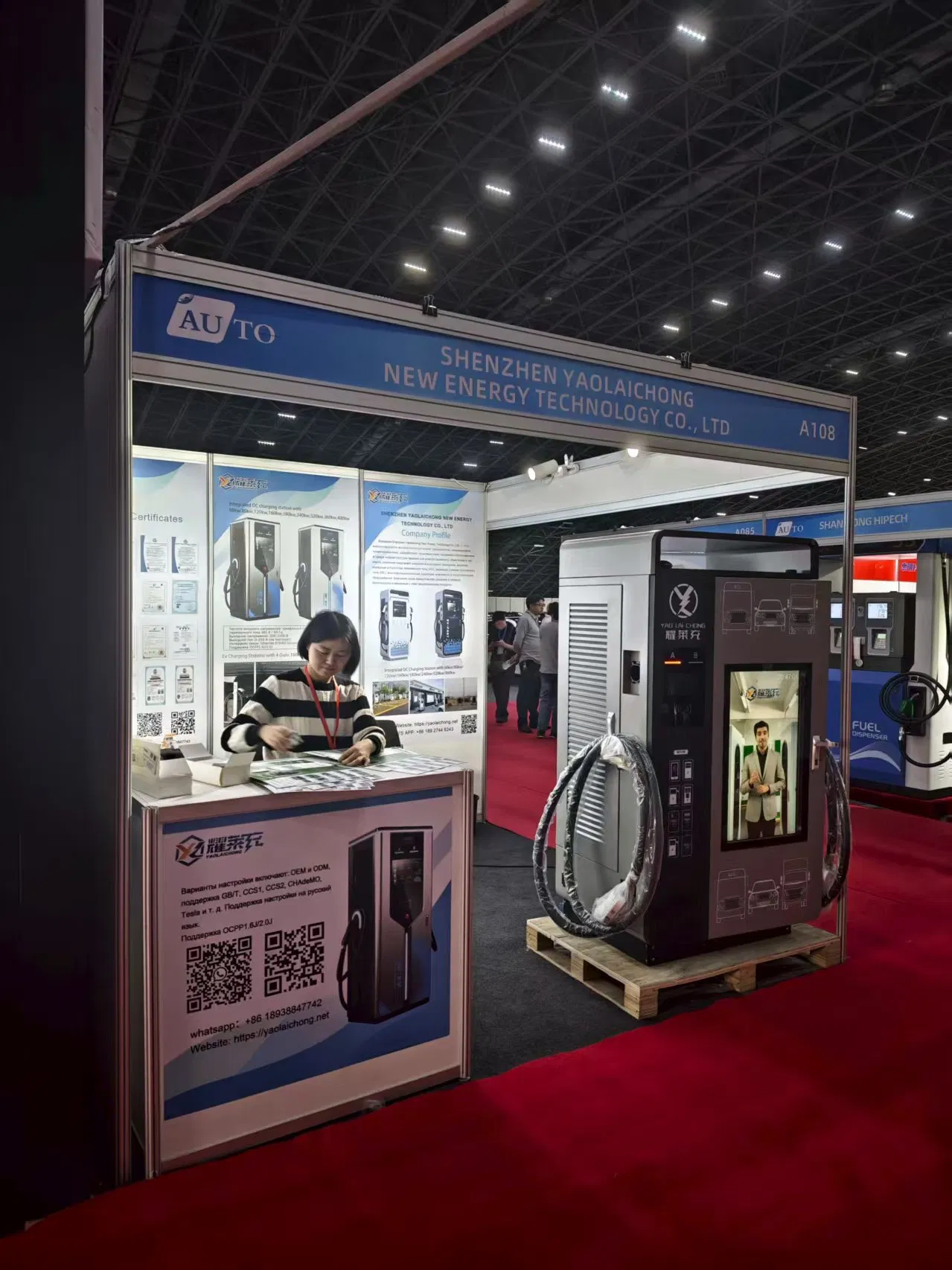
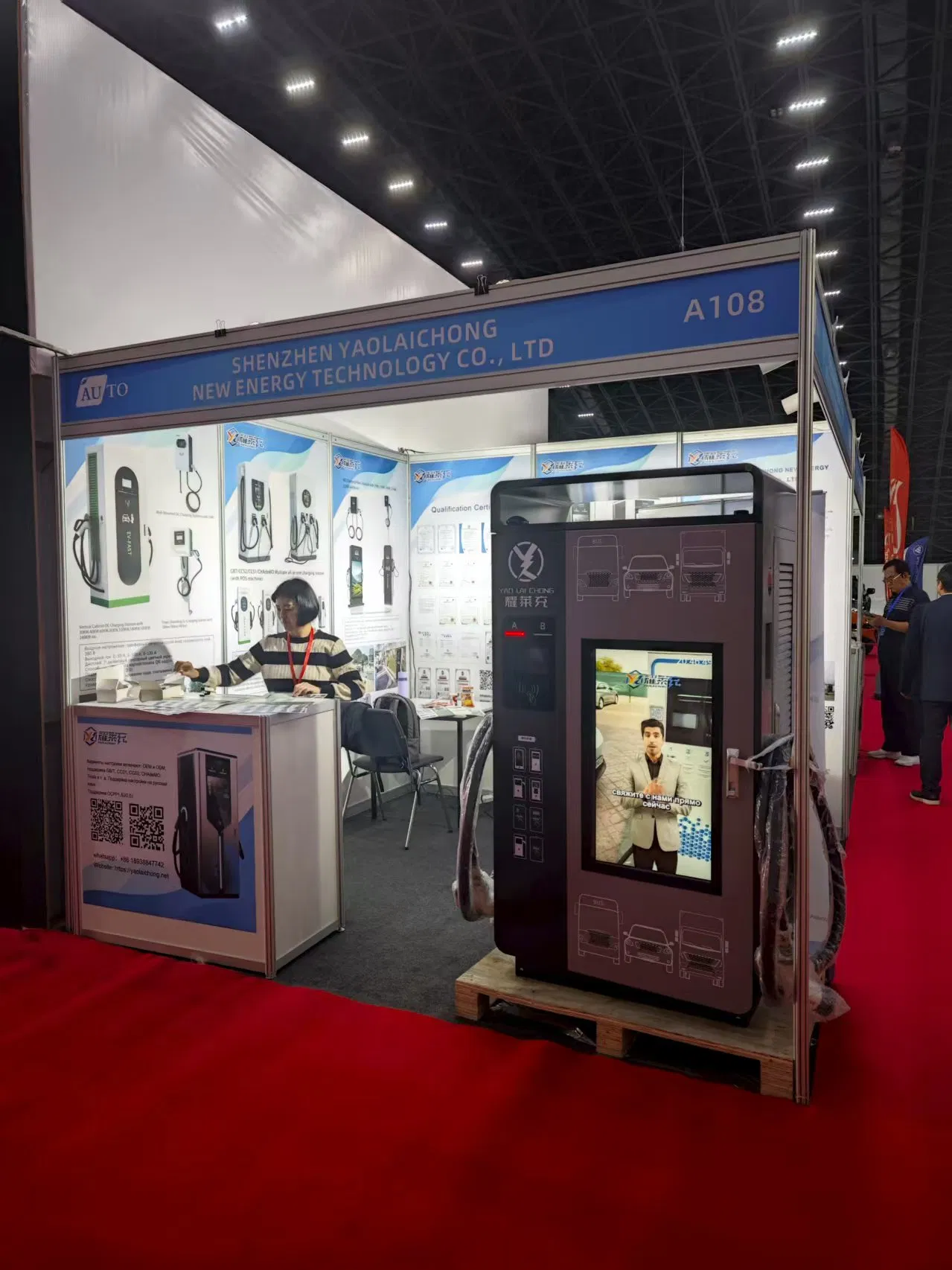
Customer Case Feedback
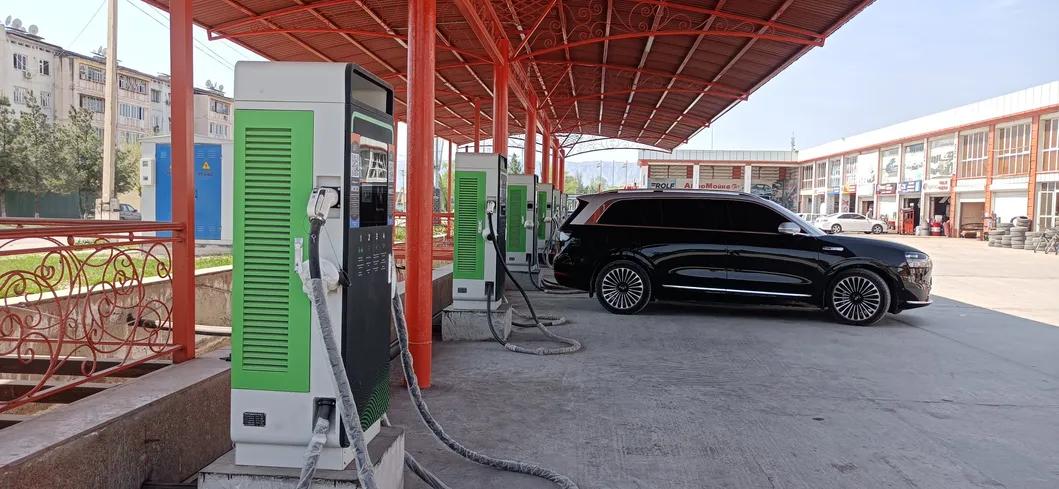
EV Charger Fast Charging Station
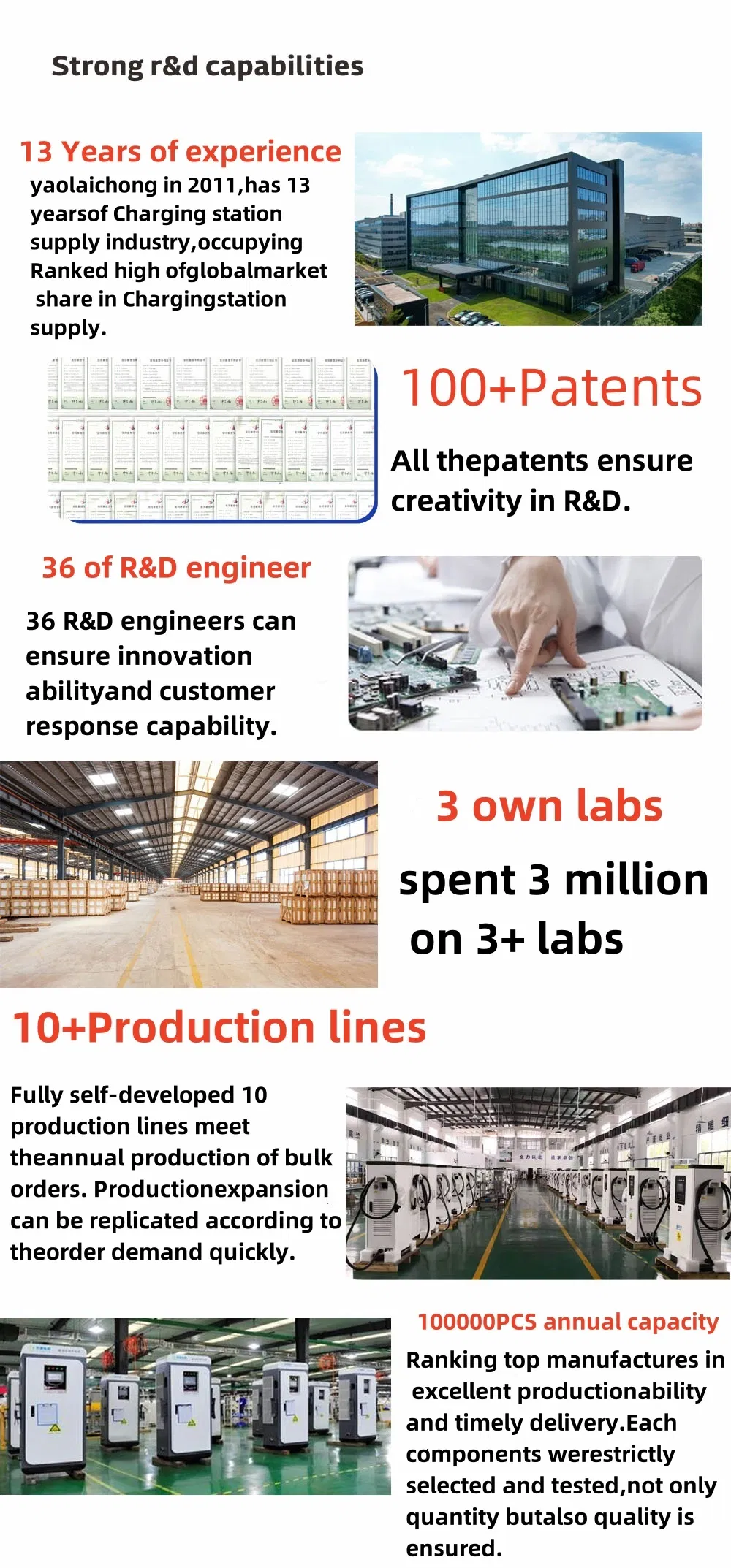
Why Customers Choose Our Solutions
Advantages
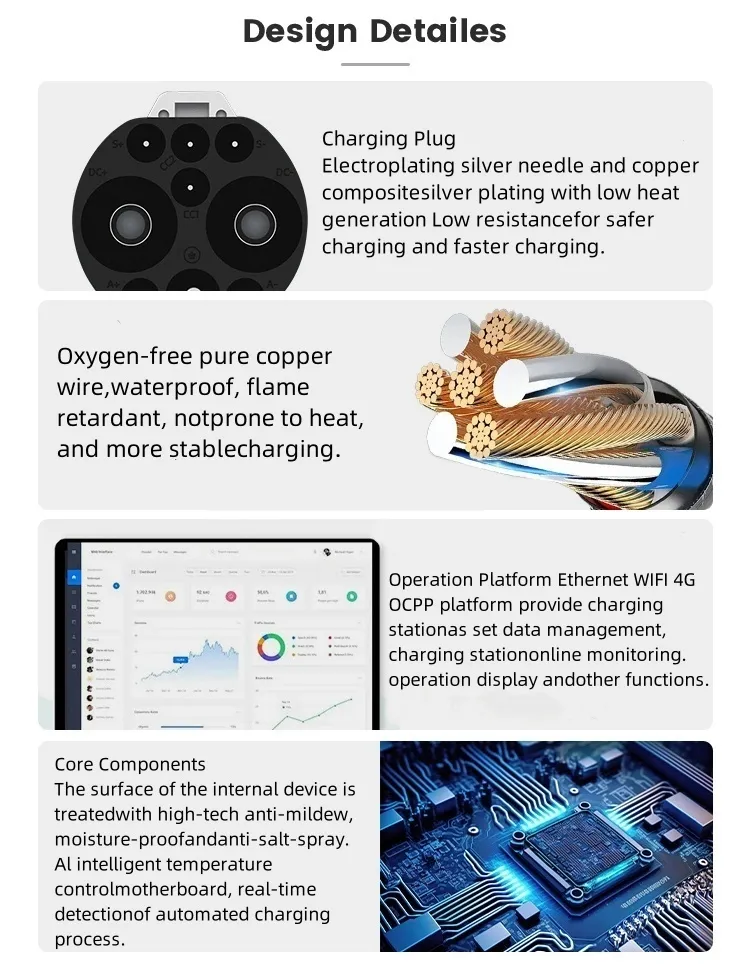
Technology
Performance
Products Description
Product View 1
Product View 2
Product View 3
Technical Specs Interface Dimensions Charging Gun Details
Detailed Specifications
Rated power120kw/160KW/180kw/240kw/320kw
User interface7-inch LCD color display touch screen
Installation methodFloor standing
Cable length5m
Working temperature-25 ~ +50℃
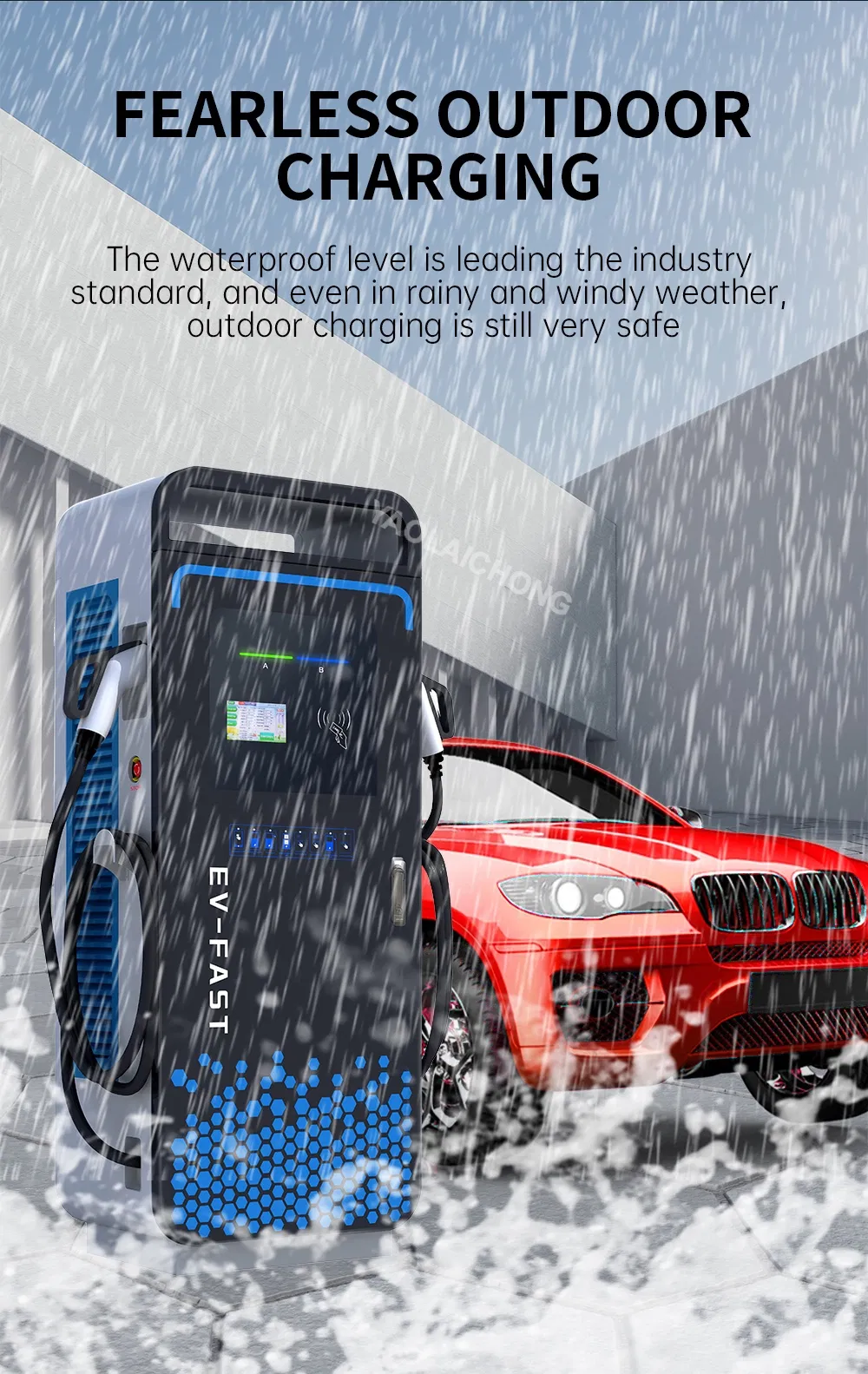
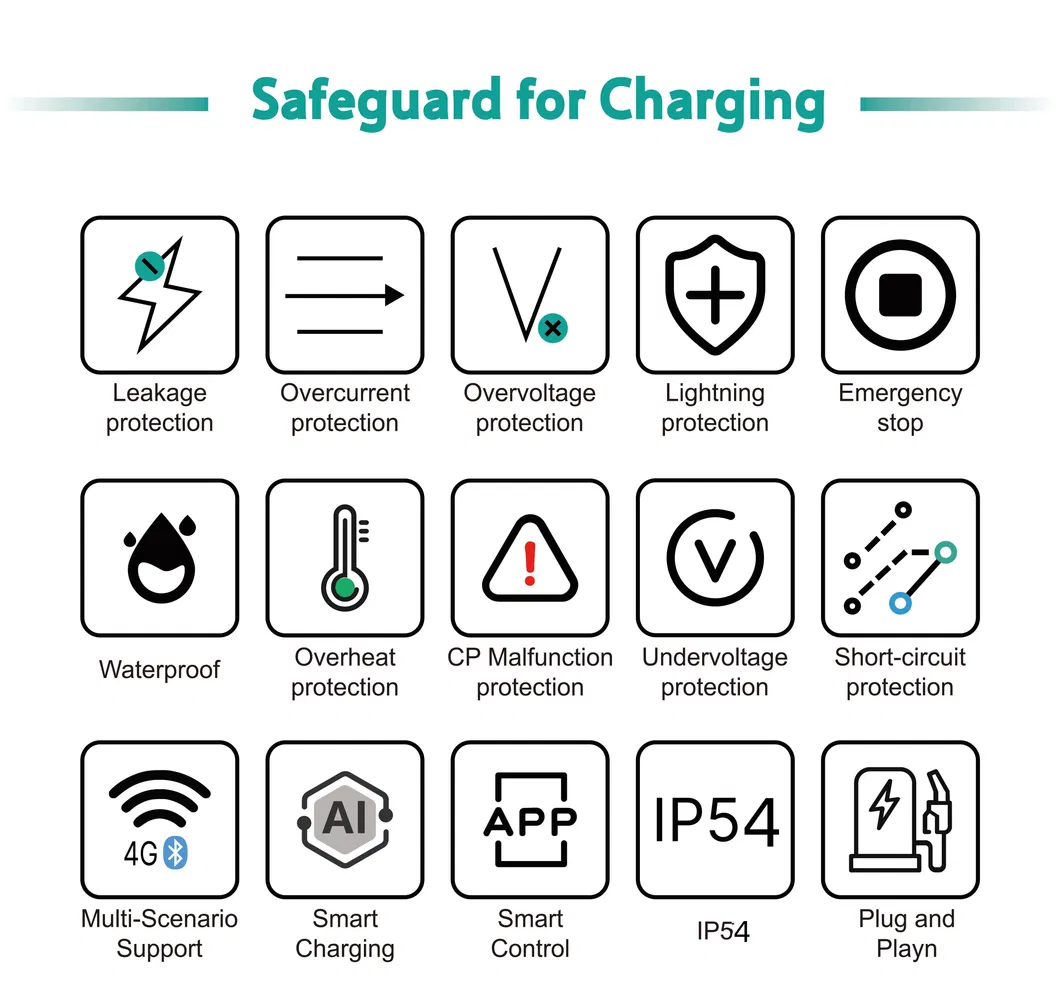
Protection levelIP54
Efficiency≥ 94.5%
Charging modeAutomatic filling/Fixed electricity quantity/Fixed amount/Set time
Safety functionsOvervoltage, Undervoltage, Overload, Short circuit, Grounding, Over temperature, Insulation monitoring, Lightning protection, Emergency stop, Leakage protection.
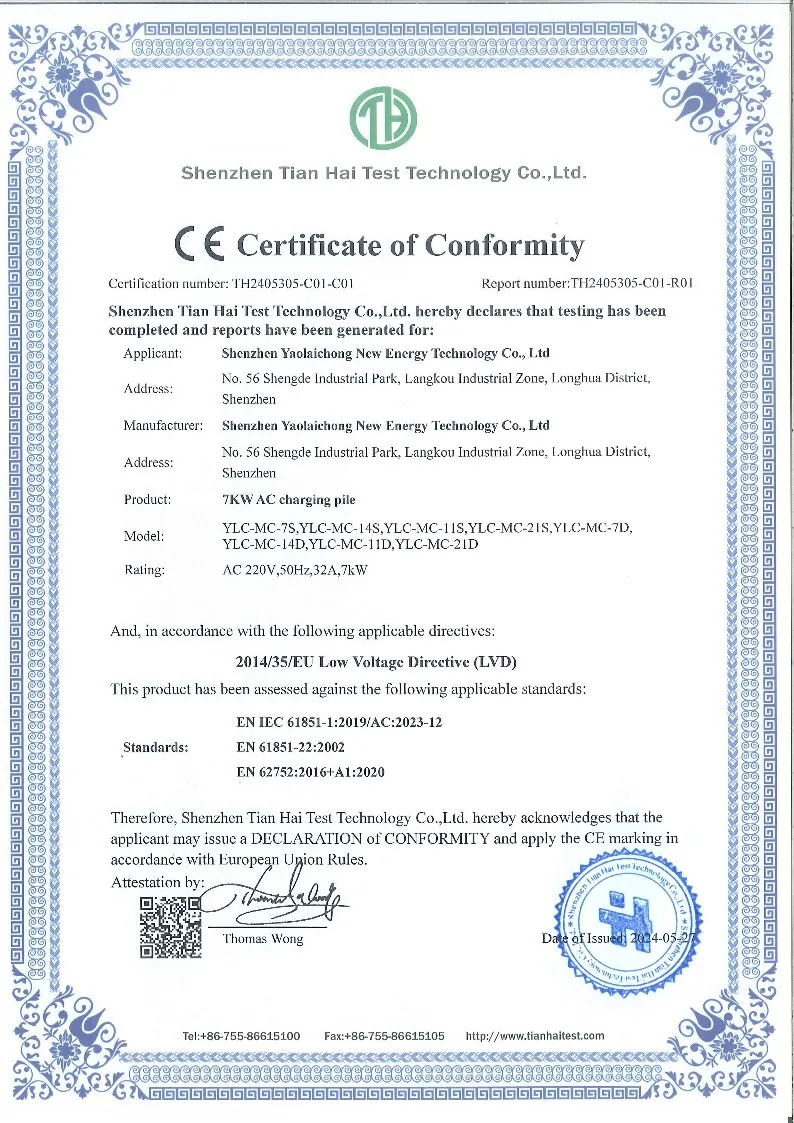
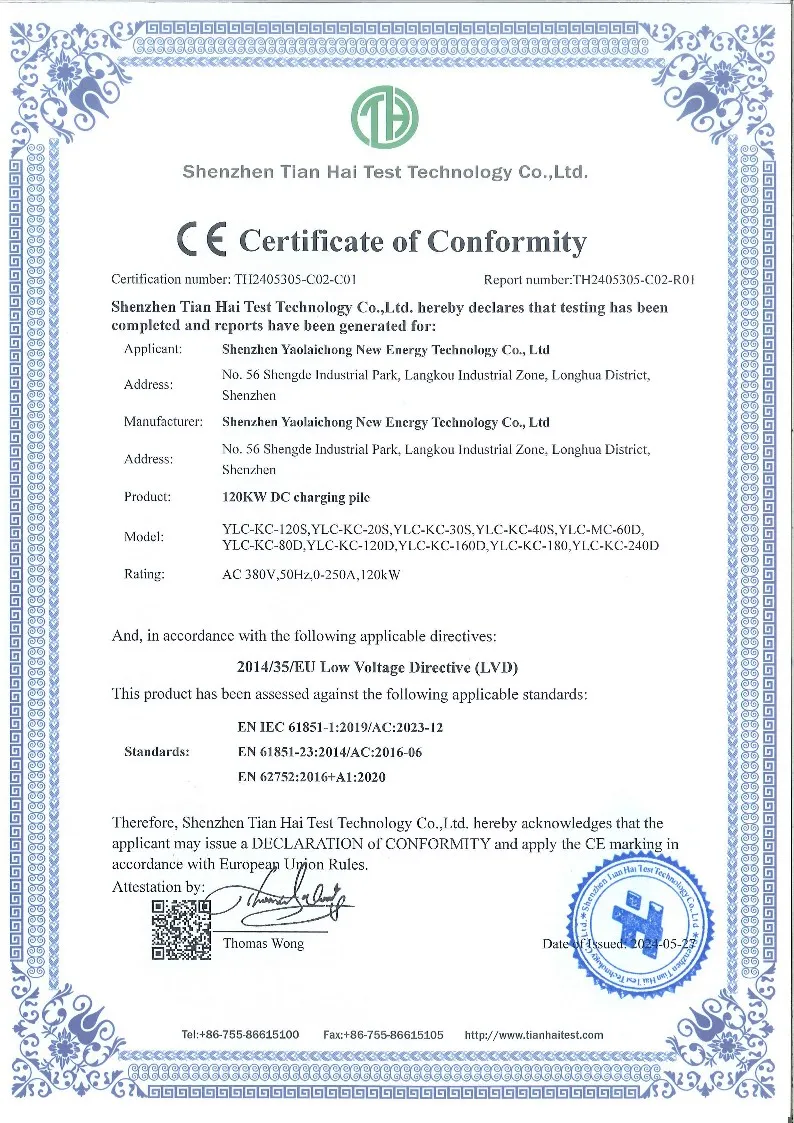
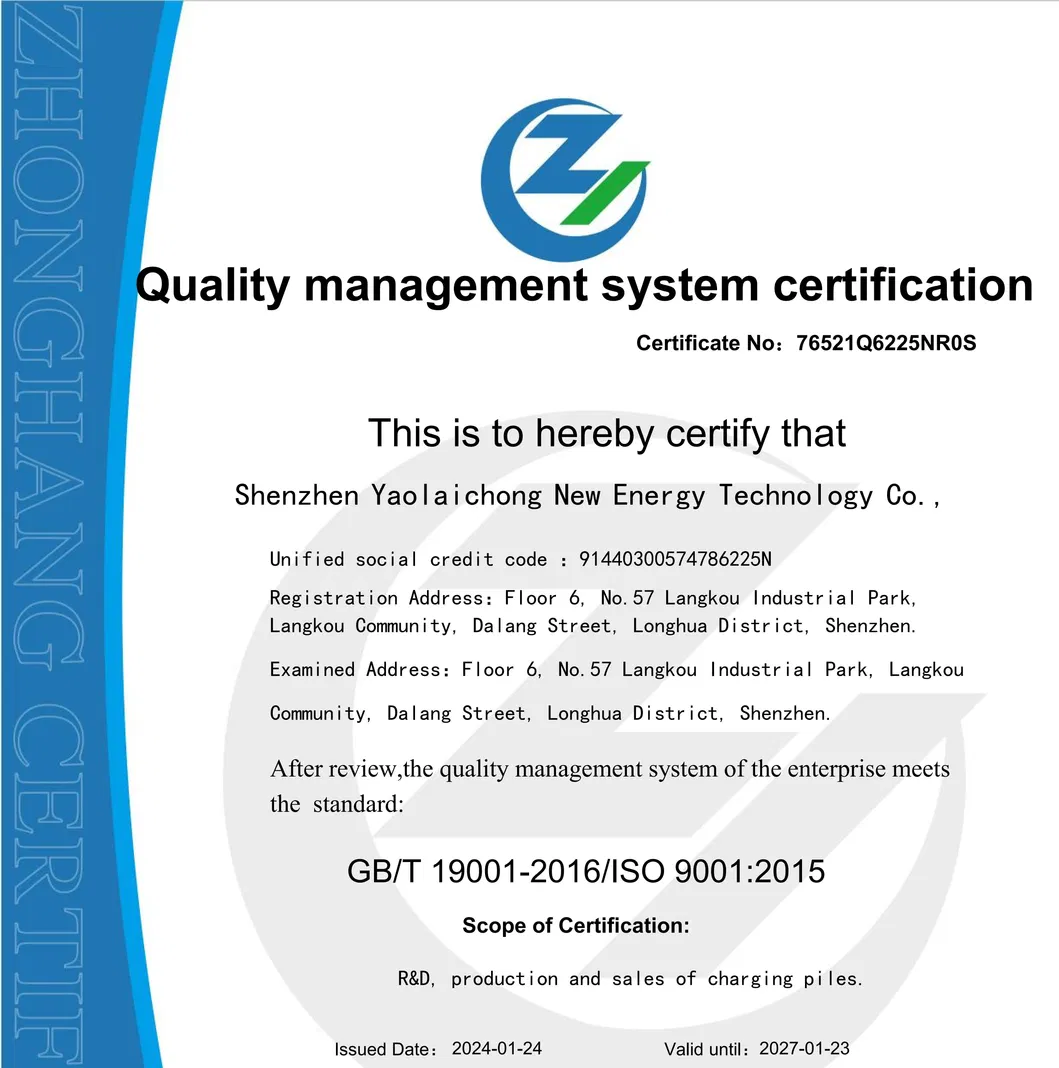
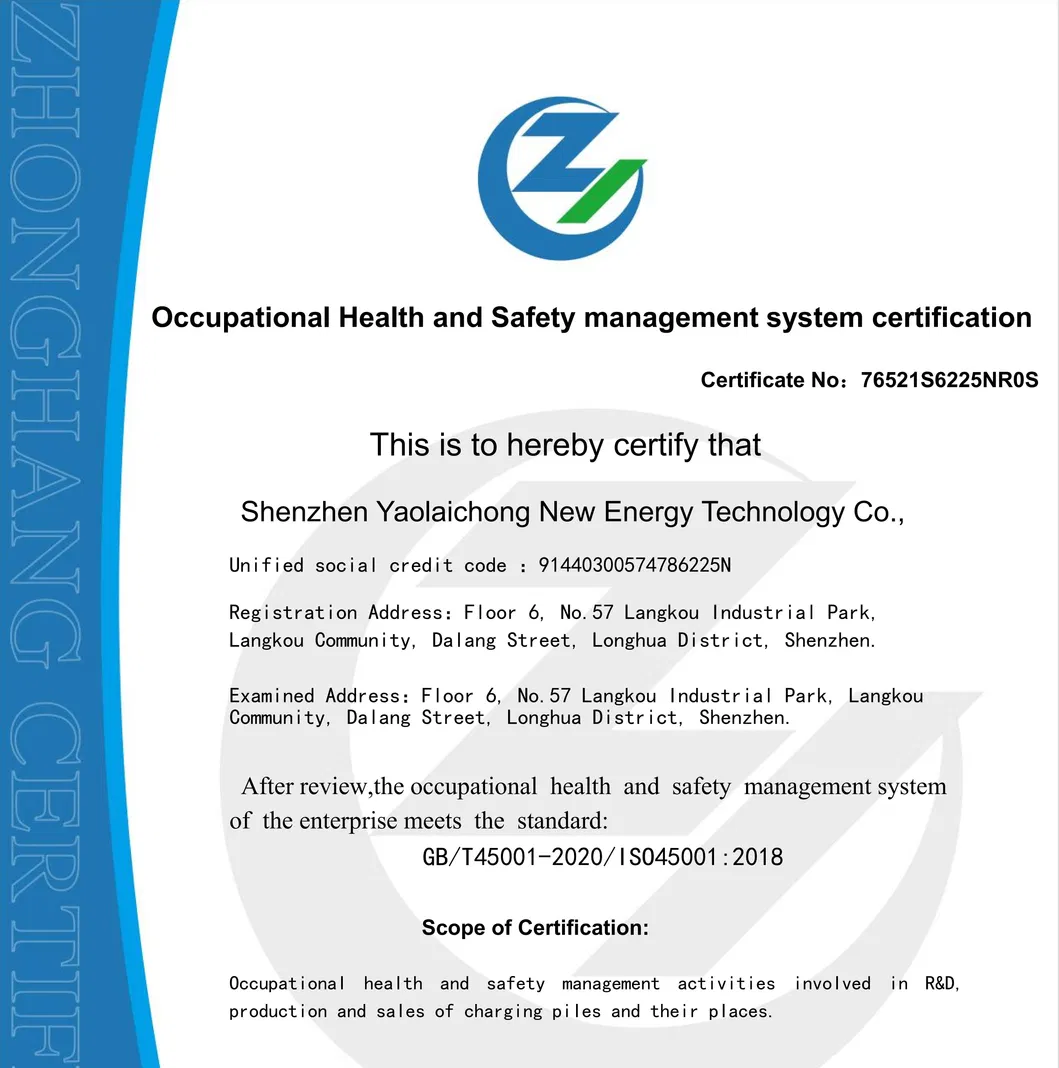
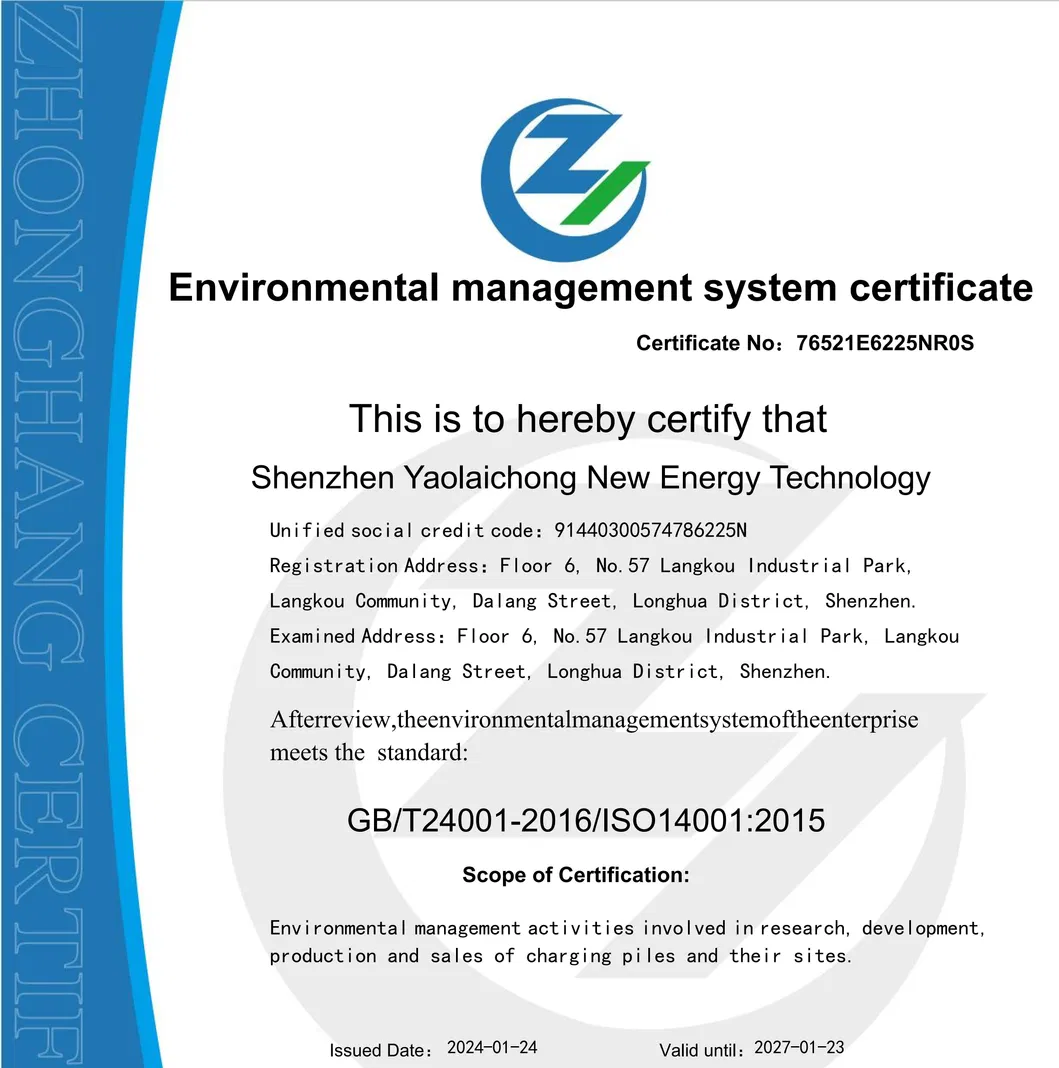
Certifications
Cert 1
Cert 2
Cert 3
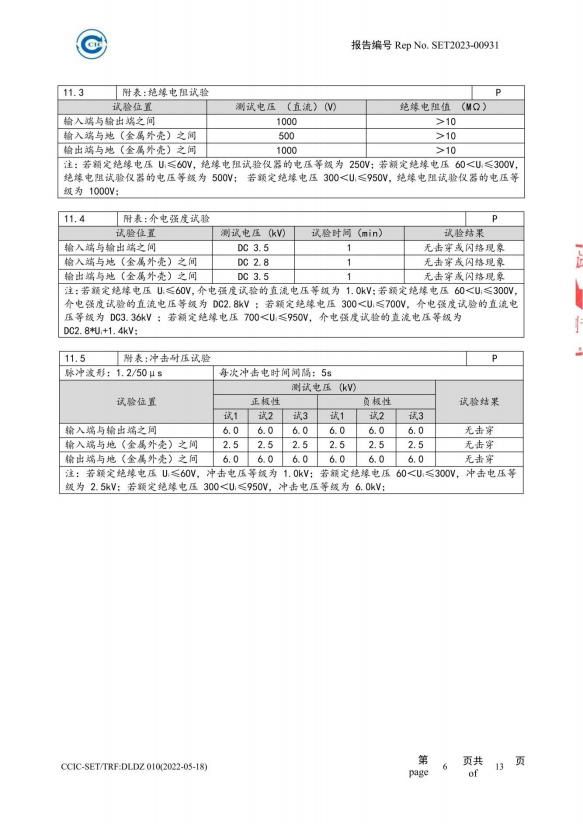
Testing Data 1 Testing Data 2 Testing Data 3
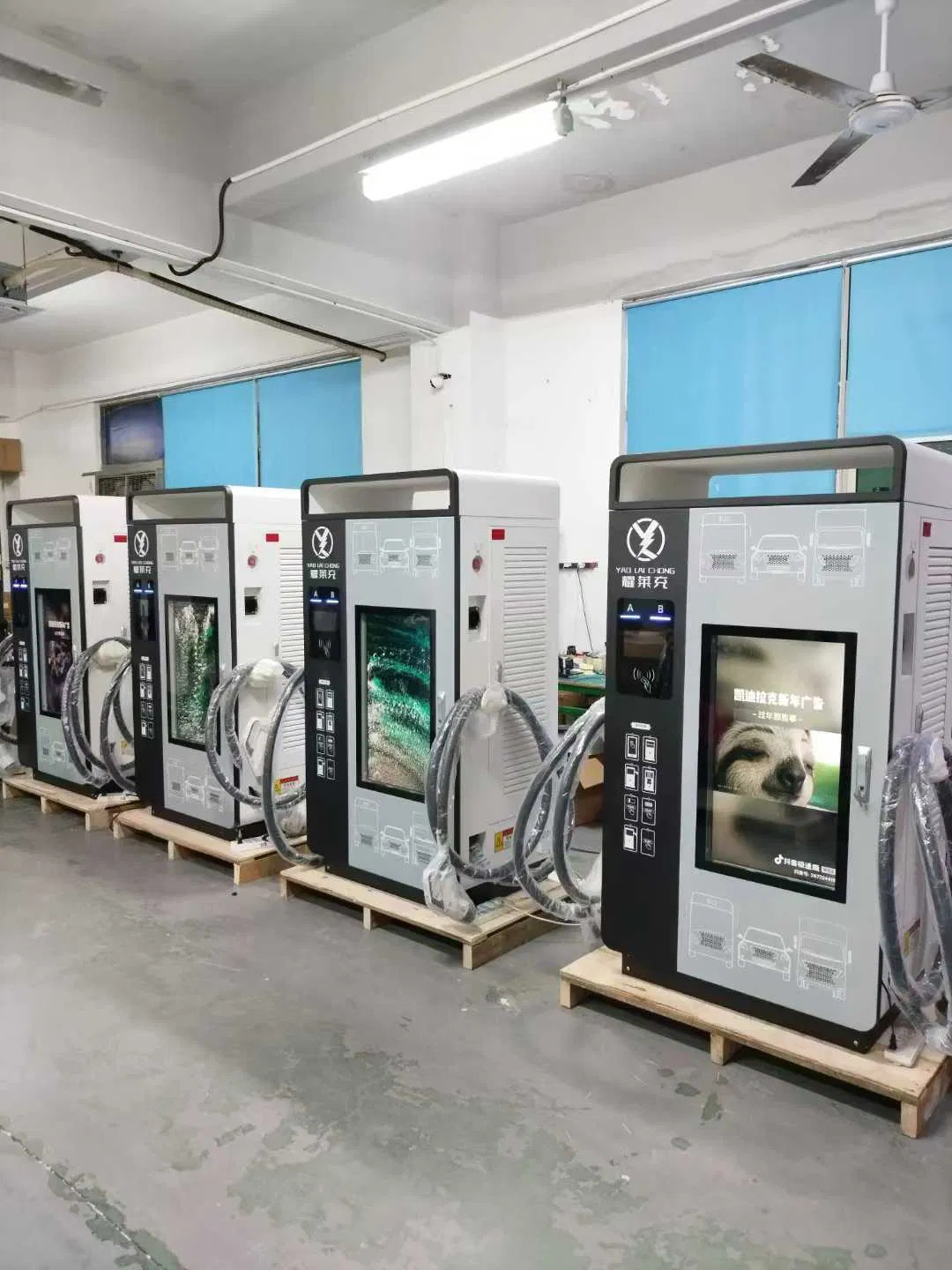
Product Packaging
Packaging Detail
Frequently Asked Questions
The main difference between AC Charger and DC Charger?
The difference is the location where the AC power gets converted; inside or outside the car. Unlike AC chargers, a DC charger has the converter inside the charger itself, feeding power directly to the car's battery.
What are the different DC fast charging standards?
CCS-1: North America standard.
CCS-2: Europe standard.
CHAdeMO: Japan standard.
GB/T: China standard.
Does higher output power always mean faster charging speed?
No. Due to battery limits, once the DC charger reaches the battery's upper intake limit, higher power won't increase speed. However, high-power chargers support dual connectors and future-proof your investment.
How fast can a vehicle be charged?
It depends on the charger type (kW capacity), the vehicle's onboard charger/inverter, the current battery level (charging slows down after 80%), and environmental conditions like temperature.
What environmental factors affect charging speed?
Battery temperature is crucial. Batteries work optimally between 20-30°C. Extreme cold in winter or extreme heat in summer can considerably slow down the charging process.
What is the maintenance and warranty for these stations?
Hardware typically comes with a two-year warranty. We provide post-installation guidance, technical support, and lifetime software support based on terms.

Related Products