Engineered for high-humidity coastal environments and smart domestic energy optimization in South Tarawa and the outer islands.
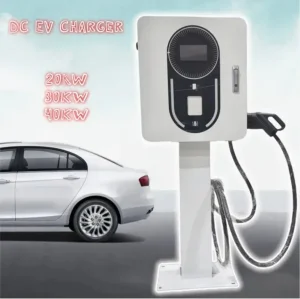

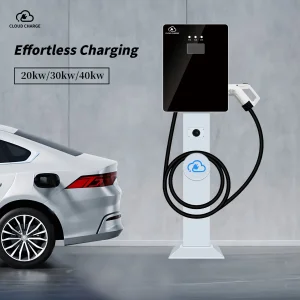
As the Republic of Kiribati charts its course toward reducing carbon emissions and mitigating the existential threat of climate change, the electrification of land transportation stands out as a critical operational pillar. Decarbonizing small island economies requires more than importing electric vehicles; it demands the implementation of localized, resilient, and solar-integrated EV charging infrastructure.
Unlike continental energy grids, Kiribati’s electricity distribution is characterized by isolated diesel-solar hybrid microgrids, notably in South Tarawa, and highly decentralized solar home systems across the outer Gilbert and Line Islands. Traditional high-draw EV charging setups pose grid instability risks, causing sudden voltage drops and frequency variations. Consequently, modern EV home charging solutions in Kiribati must integrate intelligent load-balancing capabilities, energy storage synchronization, and robust physical protections to thrive in environments defined by high ambient salt mist and thermal stress.
Imported diesel represents a major economic and physical challenge for remote nations. Direct integration of solar charging reduces fossil fuel dependency.
Smart load balancing prevents localized grid collapses, protecting household circuits and neighborhood transformer assets from overloading.
With ocean exposure within kilometers from any point of the island, charging stations require IP65 or better enclosures with salt-spray protective coatings.
How Dongguan Voltra Charger Co., Ltd. designs hardware specifically for remote coastal installations and weak microgrids.
Eliminating mechanical fans prevents salty air circulation through internal components, dramatically increasing component lifespan.
Intelligent charge scheduling syncs directly with daytime peak solar output, buffering localized microgrid impacts.
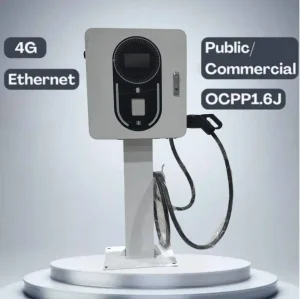
Enables remote cloud monitoring and local fleet charge management over cellular or WiFi connections, keeping developers in control.
A global leader in smart EV charging solutions, combining advanced manufacturing with engineering expertise.
Dongguan Voltra Charger Co., Ltd. is a forward-thinking manufacturer specializing in smart EV charging solutions for residential, commercial, and fleet applications. With a strong focus on innovation and energy efficiency, the company integrates research and development, production, and global sales to deliver reliable and intelligent charging infrastructure.
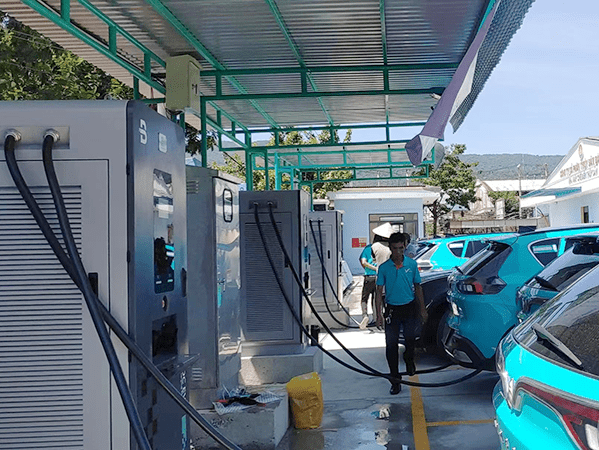
Voltra Charger offers a comprehensive product portfolio, including home EV charging stations, commercial charging systems, fleet charging solutions, and advanced charging power management units. Designed to meet diverse customer needs, its solutions support both AC and DC charging, ensuring compatibility with a wide range of electric vehicles.
Driven by the growing demand for sustainable mobility, the company emphasizes intelligent power management technologies such as load balancing, real-time monitoring, and energy optimization. These features help users reduce operational costs while improving charging efficiency and grid stability.
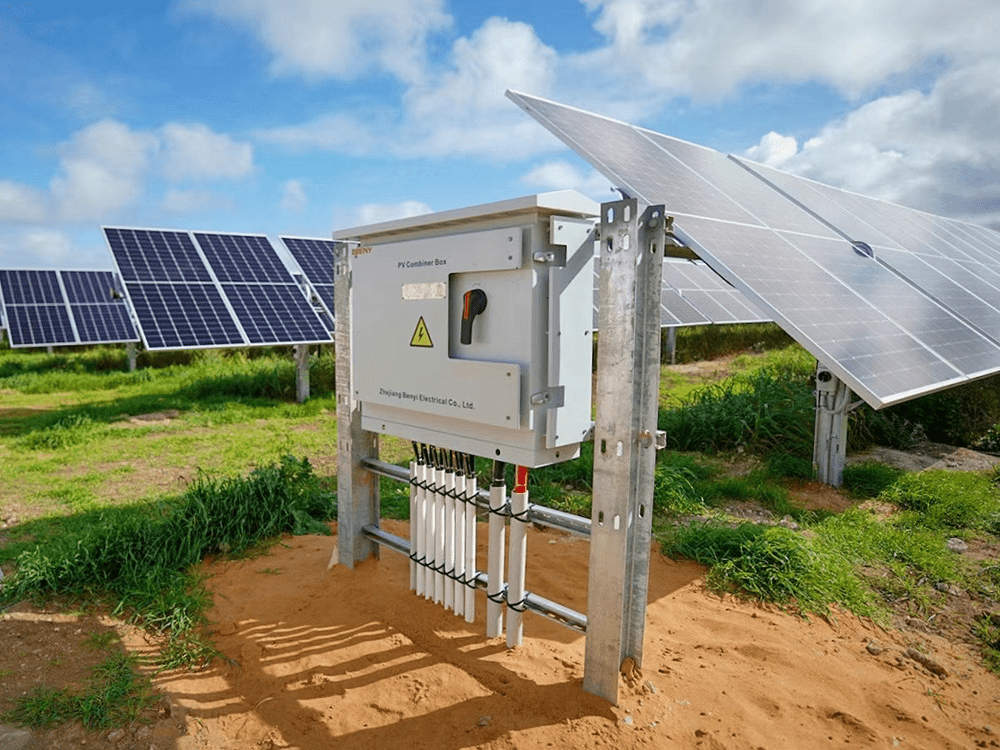
Dongguan Voltra Charger Co., Ltd. adheres to strict international quality standards and continuously invests in technological upgrades to enhance product performance and safety. Its solutions are widely applied in residential communities, office buildings, public charging networks, and logistics fleets.
With a commitment to green energy and smart transportation, Voltra Charger aims to become a trusted global partner in the EV charging industry, empowering customers with efficient, safe, and future-ready charging solutions.
Why domestic manufacturing processes in China drive efficiency, safety, and customization for Oceania developers.
Procuring EV chargers for remote locations like Kiribati, Tarawa, or Kiritimati presents massive logistical and post-sale challenges. Working with a Chinese manufacturer utilizing Factory 4.0 automation guarantees unmatched advantages in both device reliability and supply chain flexibility.
Automated PCB mounting and robotic welding minimize manufacturing variability. Because every solder point and connection is validated by high-resolution optical inspection, the final product exhibits structural integrity needed for decades of exposure in island regions.
Before any charger leaves our plant, it undergoes full-load continuous aging tests. We simulate extreme climate variables, voltage drops, and operational heat spikes to confirm that the power modules hold up under high-temperature fluctuations typical of tropical zones.
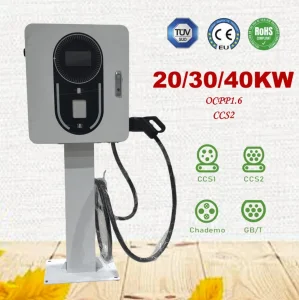
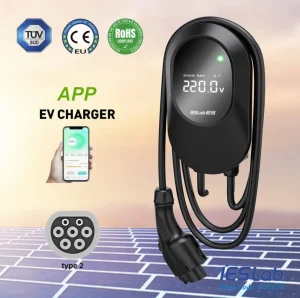
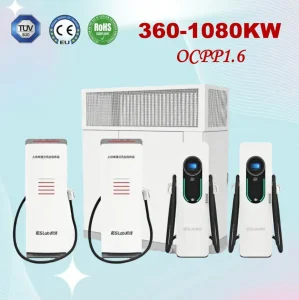
Explore our international range, fully certified and adaptable for domestic, public, and fleet charging setups.
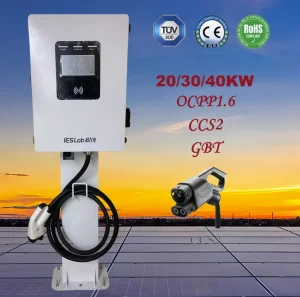
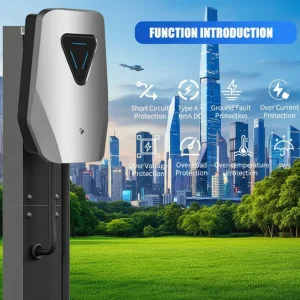
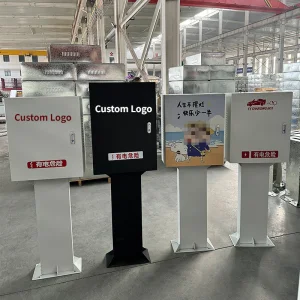

Engineering customized EV charging platforms that match local structural limitations.
Given Kiribati's reliance on solar PV programs (like those funded by regional microgrid development banks), home EV chargers can act as adjustable storage loads. Our solutions feature dynamic modulation configurations to automatically scale up charging power when household solar output peaks and scale down when the sky gets cloudy or residential loads surge.
Salty air degrades unprotected electronic systems within months. Our chargers feature anti-corrosion conformal coatings on all internal printed circuit board assemblies (PCBA) along with durable polycarbonate enclosures, avoiding rust issues and protecting system internal electronics over years of use.
Get answers to engineering, importing, and setting up EV infrastructure in coastal environments.
Connect directly with our engineering and procurement team for bespoke technical specifications, customized pricing, and global logistics support.
Send Inquiry Now Voltura Charger