4G HD PTZ Camera Including Smarteye Platform Software
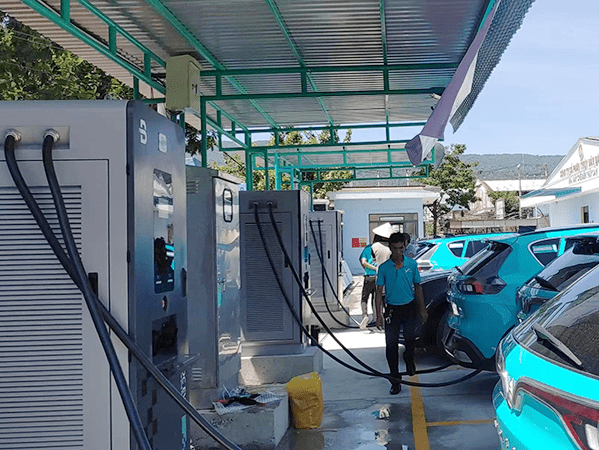
Supports remote visual monitoring, PTZ coverage, and SmartEye platform integration for charger bays, depot access roads, and unmanned public charging locations.
View product & request quoteThese four original portfolio items are retained first because they support the digital and diagnostic layer of a charging network: site surveillance, SmartEye platform visibility, cable partial-discharge detection, and portable multi-sensor partial-discharge analysis. For Novosibirsk projects, these capabilities help operations teams protect high-value charging assets, verify insulation condition, and maintain remote situational awareness across distributed sites.

Supports remote visual monitoring, PTZ coverage, and SmartEye platform integration for charger bays, depot access roads, and unmanned public charging locations.
View product & request quote
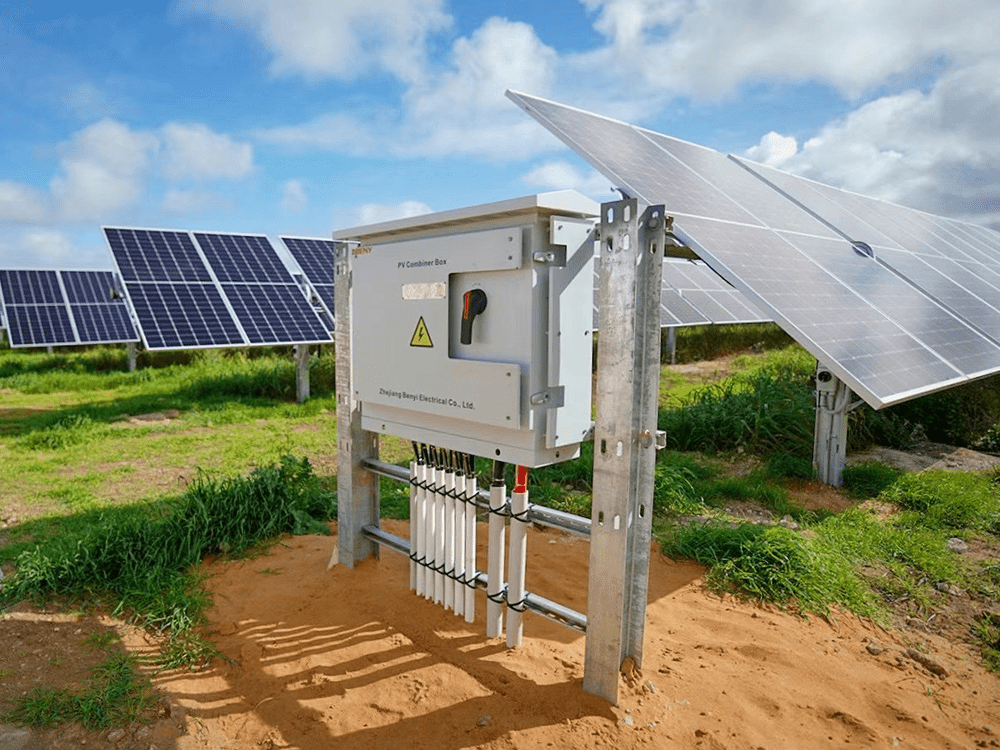
An additional camera and software configuration option for Novosibirsk operators that need layered surveillance, event review, and centralized monitoring across charger clusters.
View product & request quote
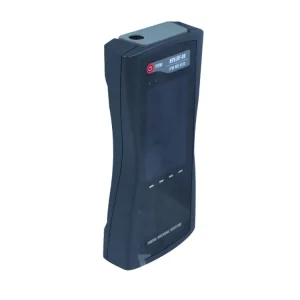
Portable partial-discharge testing for cable and insulation inspection workflows, helping field teams detect early degradation before it becomes a charger downtime event.
View product & request quote
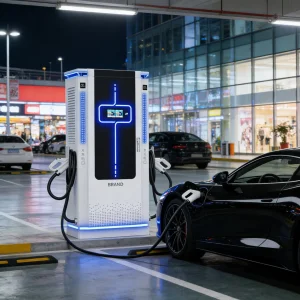
Multi-sensor diagnostics for transformers, GIS, motors, insulators, cables, and switchgear—useful for commissioning checks and preventive maintenance in charging depots.
View product & request quoteAll original product links and images are preserved. Button links lead to the original product URLs and the centralized inquiry path is available through Send Inquiry Now.
This section retains the original company profile and imagery in full, then connects that manufacturing profile to the practical requirements of Novosibirsk’s emerging EV charging network and industrial procurement environment.
Dongguan Voltra Charger Co., Ltd. is a forward-thinking manufacturer specializing in smart EV charging solutions for residential, commercial, and fleet applications. With a strong focus on innovation and energy efficiency, the company integrates research and development, production, and global sales to deliver reliable and intelligent charging infrastructure.

Voltra Charger offers a comprehensive product portfolio, including home EV charging stations, commercial charging systems, fleet charging solutions, and advanced charging power management units. Designed to meet diverse customer needs, its solutions support both AC and DC charging, ensuring compatibility with a wide range of electric vehicles.
Driven by the growing demand for sustainable mobility, the company emphasizes intelligent power management technologies such as load balancing, real-time monitoring, and energy optimization. These features help users reduce operational costs while improving charging efficiency and grid stability.

Dongguan Voltra Charger Co., Ltd. adheres to strict international quality standards and continuously invests in technological upgrades to enhance product performance and safety. Its solutions are widely applied in residential communities, office buildings, public charging networks, and logistics fleets.
With a commitment to green energy and smart transportation, Voltra Charger aims to become a trusted global partner in the EV charging industry, empowering customers with efficient, safe, and future-ready charging solutions.
Novosibirsk procurement note: the value of a manufacturer is not limited to hardware output. For Siberian deployments, buyers need a factory partner that can combine robust AC/DC chargers, OCPP-based network software, SmartEye monitoring, low-temperature commissioning checklists, spare-parts planning, and responsive engineering communication. This combination is the basis of reliable uptime when sites are distributed across a large city, industrial zones, and intercity corridors.
Share your site type, charger quantity, power level, protocol requirements, and target commissioning date.
EV charging network software is the control and intelligence layer that connects chargers, drivers, site operators, energy systems, and service teams. It converts isolated charging stations into a measurable, managed, and monetizable network.
Network software tracks charger status, error codes, connector availability, power output, transaction logs, and site-level alarms. For Novosibirsk, remote diagnostics reduce unnecessary travel across a large municipal footprint and help operators prioritize the most urgent maintenance tasks.
Dynamic load balancing protects site electrical capacity while maximizing available charging power. Operators can set priorities for public bays, bus depots, fleet vehicles, tenant parking, or emergency service vehicles, and integrate demand response or local generation where applicable.
OCPP support enables charger-to-management-system communication. OCPI supports roaming and e-mobility service provider integration where available. ISO 15118 readiness can support Plug & Charge and vehicle-to-grid pathways. Open standards reduce vendor lock-in and simplify tender evaluation.
Depot software can stagger charging sessions, reserve power for route-critical vehicles, and integrate shift schedules. For Novosibirsk bus, shuttle, municipal, logistics, and service fleets, this helps avoid peak-demand penalties and ensures vehicles are ready for winter operations.
SmartEye camera integration supports visual verification of charger occupancy, cable handling, vandalism risk, queueing behavior, and site access. Video-backed diagnostics can supplement electrical fault data and improve incident response for unmanned stations.
Role-based access, secure firmware update workflows, audit logs, and segmented connectivity are essential. Buyers should request documentation for account management, data retention, payment integration, remote command permissions, and incident escalation.
Novosibirsk is not simply a city-level keyword to add to a product page. It is a distinctive operating environment shaped by Siberian climate, industrial logistics, scientific institutions, municipal transport, and long-distance connectivity.
Novosibirsk is one of Russia’s largest urban and scientific centers and the administrative center of Novosibirsk Oblast. It is publicly known for the Siberian Branch of the Russian Academy of Sciences, the Akademgorodok science and technology cluster, the Ob River, the Trans-Siberian Railway, and Tolmachevo Airport. These assets create a combination of municipal, academic, logistics, industrial, and commercial mobility demand.
The local business landscape includes public transport operators, logistics companies, industrial parks, research institutions, retail and office developments, property management companies, and regional service providers. As electric mobility expands, these stakeholders need charging systems that can be monitored centrally and maintained efficiently across multiple locations.
Siberian winters require more than general-purpose charger hardware. Cable flexibility, condensation management, enclosure heating strategy, connector handling, battery preconditioning communication, current derating, and fault recovery all become tender-level concerns. Charging software should expose temperature-related alerts and support safe reduced-power operation when a vehicle or charger reports abnormal conditions.
For remote sites, a charging network should be designed with stable communications, local buffering, automated restart logic, and clear escalation rules. Buyers should ask whether the charger management platform can distinguish between vehicle-side limits, charger faults, grid constraints, and communication failures.
Search-intent insight: buyers searching for an “EV Charging Network Software Manufacturer & Factory serving Novosibirsk” typically want more than a product list. They are evaluating whether a supplier can support open protocols, cold-climate installation, municipal public transport, commercial parking, industrial fleets, local commissioning, spare parts, and factory-direct responsiveness. Content that answers these procurement questions creates meaningful information gain.
Charging infrastructure is shifting from standalone equipment sales toward software-defined energy and mobility operations. The strongest suppliers combine hardware reliability, protocol openness, remote management, and transparent service data.
Network operators increasingly prioritize management platforms, APIs, and remote update capabilities over static charger specifications. The software layer determines how quickly faults are diagnosed, how tariffs are changed, and how energy constraints are enforced.
Municipal buses and depot-based fleets need scheduling, power sharing, route-readiness checks, and high-utilization DC charging. Charging software must align with operational timetables rather than simple retail parking behavior.
Logistics, utility, construction, and service fleets need overnight AC charging, opportunity DC charging, and visibility into vehicle readiness. Load management prevents depot upgrades from becoming bottlenecks.
Charging networks are increasingly integrated with on-site batteries, solar generation, and utility demand-response programs. Even where these features are future phases, buyers should require a software roadmap and clear integration interfaces.
OCPP and OCPI adoption reduces lock-in and supports multi-vendor operations. Procurement teams increasingly ask for protocol conformance evidence, API documentation, and data export rights before awarding a charging network contract.
Megawatt and liquid-cooled systems are expanding for heavy vehicles, mining, logistics, and industrial transport. Even when initial projects use 60–240 kW DC chargers, the software architecture should be ready for future high-power assets.
Commercial and industrial buyers now evaluate charging networks as operational assets. The following buyer-centric comparison helps Novosibirsk project owners define requirements before contacting an EV charging network software manufacturer and factory.
| Buyer Profile | Novosibirsk Relevance | Software and Hardware Expectations |
|---|---|---|
| Municipal transport authority | Bus, shuttle, and service fleets need reliable depot charging in winter conditions. | OCPP charger management, depot scheduling, DC fast charging, power sharing, remote fault diagnosis, spare-parts plan. |
| Logistics and fleet operator | Distribution operations and intercity fleets require predictable vehicle readiness. | Fleet dashboards, RFID or driver authorization, load constraints, tariff rules, charging session records, API integration. |
| Commercial parking and retail | Shopping centers, offices, hotels, and mixed-use sites need user-friendly public charging. | AC wallboxes, DC fast chargers, payment or roaming readiness, occupancy monitoring, SmartEye or CCTV integration. |
| University and research campus | Akademgorodok and campus environments require controlled access and smart scheduling. | Campus network software, user groups, energy limits, reporting, integration with building systems, safe site monitoring. |
| Industrial park and logistics hub | Heavy vehicles, utilities, and industrial fleets may need scalable high-power charging. | 60–240 kW DC options, megawatt roadmap, liquid-cooled heavy vehicle solutions, transformer protection, diagnostics. |
| Utility or energy service provider | Grid stability and load control are central to regional deployment. | Demand response, load balancing, cybersecurity, data audit, local controller resilience, open API strategy. |
Send your tender checklist, site drawings, charger quantities, and protocol requirements for a factory-response review.
For international buyers, the most important factory advantage is not only production capacity. It is the ability to coordinate engineering, quality control, software configuration, documentation, spare parts, and logistics under one operating system.
A mature Factory 4.0 workflow separates charger platforms into reusable power modules, control modules, communication modules, connector assemblies, and enclosure systems. This modularity supports different AC/DC configurations, OCPP profiles, RFID or payment options, and enclosure requirements without restarting the entire design process.
Serial-number traceability, incoming component checks, functional testing, insulation and safety tests, firmware verification, and final inspection records improve procurement confidence. Buyers should request test reports, batch traceability, packaging standards, and warranty terms for each charger model.
For network software projects, factory integration is valuable. Charger identity, OCPP endpoint settings, firmware baseline, communication parameters, and site group labels can be prepared before shipment. This reduces commissioning time and helps Novosibirsk teams verify connectivity immediately after arrival.
Charging networks depend on cables, connectors, power modules, controllers, meters, surge-protection devices, and communication modules. A resilient supply chain plan should include recommended spare ratios, critical-component lists, firmware compatibility notes, and a clear escalation path for warranty replacement.
Logistics to Novosibirsk: rail and road corridors via Siberia create practical opportunities for consolidated shipments, but heavy chargers require careful packaging, cold-weather storage instructions, lifting plans, and documentation for customs and site acceptance. Buyers should confirm whether the factory can support project-based packing lists, container loading plans, and commissioning checklists tailored to the chosen charging network topology.
Each site type has a different load profile and user behavior. The right network software and charger mix depend on dwell time, vehicle class, grid capacity, payment model, and maintenance access.
Depot charging requires scheduling, power allocation, and cold-weather readiness checks. DC charging stations and network software can assign charging windows by route priority, while remote diagnostics help maintain daily route readiness.
AC 7–22 kW chargers serve long-dwell vehicles, while DC fast chargers support quick top-ups. Operators can use access control, tariffs, availability dashboards, and SmartEye site monitoring to improve user experience.
Fleet depots need reliable overnight charging and clear reporting. Load balancing prevents transformer overload, while temperature alerts and scheduled charging help protect vehicles and batteries during severe weather.
Campus charging networks can combine smart access, user groups, charging quotas, and energy limits. Research institutions and student facilities may also require data reporting and integration with sustainability programs.
Property managers need fair allocation, tenant billing, and protection against peak-load conflicts. AC wallboxes with OCPP communication and account-based access are often suitable for shared residential charging.
High-power DC charging supports long-distance travel and heavy-duty operations. Scalable 60–240 kW stations and a megawatt-ready roadmap allow operators to phase investment as demand grows.
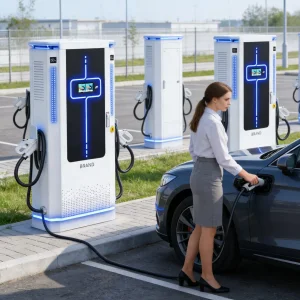
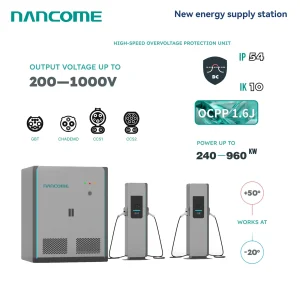
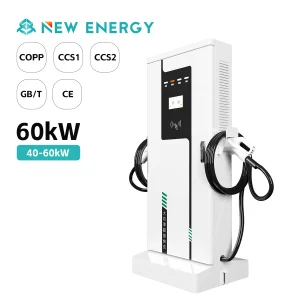
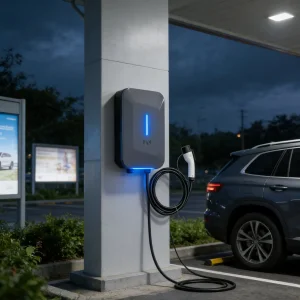
These four original portfolio items are retained for project planning across university campuses, large-scale DC charging sites, heavy electric vehicles, and CCS2 / GB/T charging requirements.

For Novosibirsk universities, research parks, and institutional campuses that require managed access, scheduled charging, and network reporting.
View product & request quote
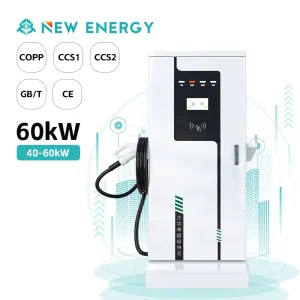
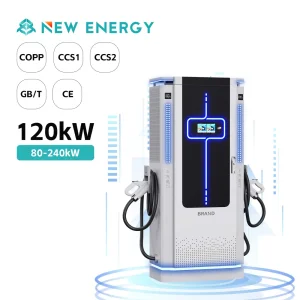
Scalable DC charging for commercial hubs, fleet depots, and highway nodes where phased power expansion is expected.
View product & request quote
Liquid-cooled, high-power charging concepts for heavy-duty and industrial applications where future energy demand may exceed standard DC charging.
View product & request quote
A practical DC charging option for commercial sites, public parking, and fleet depots that need dual-standard connector flexibility.
View product & request quoteA reliable charging network is a layered system: chargers, local controllers, communications, cloud software, payment or access systems, diagnostics tools, and service workflows. Each layer must be specified for local conditions.
Distributed sites should support 4G and Ethernet connectivity, with clear fallback procedures. Local authentication and offline charging rules may be required where communications are interrupted. Operators should define which transactions, alarms, and access rules must continue locally.
OCPP enables charger-to-management communication. Buyers should verify supported profiles, smart charging features, firmware update behavior, message logging, and integration testing. Future-facing projects may specify OCPP 2.0.1 where supported by the chosen charger and platform.
Secure vehicle-to-charger authentication can improve user convenience and billing accuracy. ISO 15118 readiness should be evaluated as part of a longer-term roadmap, especially for fleets and public networks with high repeat usage.
Camera integration can support incident review, occupancy checks, and remote visual diagnostics. Operators should define privacy rules, retention periods, access permissions, and how video alerts are escalated to service teams.
Dashboards should report energy delivered, charging duration, utilization, idle time, faults, and site-level power limits. Exportable reports support municipal reporting, sustainability disclosure, and commercial decision-making.
Charging systems connect to payments, user identities, and energy controls. Procurement should review account security, remote command authorization, firmware signing where available, network segmentation, logging, and incident response responsibilities.
A structured project process reduces rework, avoids electrical capacity surprises, and improves the accuracy of factory quotations.
Define vehicle types, parking behavior, fleet schedules, winter access, grid connection point, transformer capacity, and expected daily energy demand.
Complete load calculations, protection coordination, cable routes, foundation planning, drainage, snow clearance, and safety clearances for each charger bay.
Select OCPP profile, user authentication, payment or roaming model, load management strategy, reporting requirements, and SmartEye or CCTV integration.
Configure charger identity, network endpoints, firmware baseline, connector settings, and site groups before shipment. Request test records and packing lists.
Verify insulation, grounding, communication stability, connector fit, cable handling, heater behavior where applicable, and remote alarm reporting under local conditions.
Use utilization data, fault trends, and maintenance response times to tune power allocation, tariffs, spare-parts stock, and future expansion plans.
Use the following checklist to structure supplier questions. The bar chart is an illustrative tender-planning weighting, not a statistical market forecast; adjust it to your project’s technical, financial, and operational priorities.
| Priority | Why It Matters in Novosibirsk | Evidence to Request |
|---|---|---|
| Low-temperature reliability | Winter operation affects cables, connectors, displays, electronics, and vehicle charging acceptance. | Operating-temperature specification, cold-start behavior, derating logic, heater options, field references where available. |
| Open protocol support | OCPP openness protects future choice of charge point management system and service providers. | OCPP version and profile support, integration test plan, API documentation, data export rights. |
| Remote diagnostics | Service teams need to prioritize faults across depots, car parks, campuses, and highway sites. | Alarm taxonomy, error-code mapping, remote restart permissions, log retention, escalation workflow. |
| Cybersecurity | Connected chargers are part of critical energy and payment infrastructure. | Account controls, secure update process, network architecture, logging, vulnerability handling policy. |
| Electrical scalability | Initial projects may grow from AC workplace charging to DC fleets or heavy-duty vehicles. | Load management features, transformer planning, modular DC power options, megawatt roadmap. |
| Service and spare parts | Distributed sites require predictable replacement lead times and clear warranty procedures. | Recommended spares, component lead times, warranty terms, remote support hours, local service plan. |
Note: this visualization is a planning aid for tender discussions. It is not an official statistic or a guarantee of performance.
We can review your charger list, software requirements, site scenario, and service expectations.
These answers are written for procurement teams, EPC contractors, fleet operators, property owners, and public-sector project developers evaluating a charging network for Novosibirsk.
The factory profile is structured around smart AC and DC EV charging hardware plus network software capabilities such as OCPP communication, load management, remote monitoring, and integration support. For Novosibirsk, the relevant scope can include charger selection, software configuration, low-temperature installation guidance, SmartEye monitoring, partial-discharge diagnostics, and factory-direct project communication. The exact product mix should be confirmed against your voltage, connector, protocol, and site requirements.
Most tender projects should prioritize OCPP 1.6J compatibility and evaluate OCPP 2.0.1 where available. If roaming or e-mobility service provider integration is planned, OCPI should be discussed. ISO 15118 readiness is valuable for Plug & Charge and future V2G pathways. Always request a protocol conformance statement, supported profile list, and integration test plan rather than relying only on a brochure claim.
Cold climate affects cable flexibility, connector handling, display readability, condensation, enclosure heating, battery charging acceptance, and fault recovery. The software should expose temperature-related alarms, support safe derating, and log communication failures separately from charger faults. Buyers should ask for operating-temperature specifications, heater options, installation clearances, and maintenance procedures for snow and ice conditions.
Integration depends on protocol support and the management platform. OCPP provides a common charger-to-system pathway, but profile support and implementation quality vary. For future expansion, require open APIs, data export, documented user roles, and a realistic migration plan. A mixed-vendor network can be practical if the management platform is specified correctly from the beginning.
Start with depot routes, shift schedules, vehicle battery size, daily energy demand, available grid capacity, and winter range reduction. The charger plan should include enough redundancy for route-critical vehicles, power-sharing logic, scheduled charging windows, and remote monitoring. AC charging may be sufficient for long overnight dwell times, while DC charging is better for short turnaround and opportunity charging.
Useful data includes charger identity, connector status, transaction history, real-time power, energy delivered, fault codes, communication status, temperature alarms, firmware version, and maintenance events. For unmanned or remote sites, operators should also define local buffering, automatic restart limits, escalation rules, and video or SmartEye verification where available.
Ask for a critical-component list, recommended spare ratio, warranty workflow, packing standards, firmware compatibility notes, and lead times for modules and connectors. For multi-site deployment, standardize charger models where practical, maintain a central spare pool, and define which faults require remote resolution, local service, or factory replacement.
Use the Send Inquiry Now button and provide the site location, use case, charger quantity, AC or DC preference, power requirements, connector type, communication needs, target commissioning date, and any tender documents. This allows the factory and engineering team to respond with a more precise product configuration and project checklist.
These eight original products are retained in the bottom product section for Novosibirsk public transport, commercial charging, OCPP wallbox, rectifier power supply, warranty-supported DC charging, and charging lock applications. Each product URL below preserves the original destination and uses a button-style link.
Send Inquiry Now
For high-utilization bus depots and municipal fleet charging where long service life and network connectivity are essential.
View product & request quote
Ideal for commercial parking, workplace charging, residential compounds, and mixed-use sites that require networked AC charging.
View product & request quote
Suited to residential-adjacent depots, municipal facilities, and commercial sites where charger noise must be carefully controlled.
View product & request quote
A three-phase commercial wallbox option for offices, retail parking, hotels, campuses, and fleet overnight charging.
View product & request quote
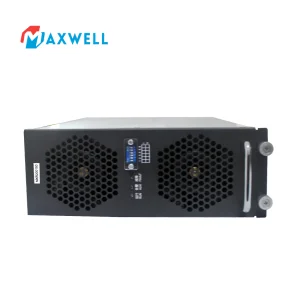
Power conversion infrastructure for fast charging networks, supporting scalable DC charging architectures and service planning.
View product & request quote
For public transport and network operators seeking a warranty-backed DC charging option with service-life planning.
View product & request quote
Retained as the original duplicate product listing, available for buyers comparing warranty-supported public transport charging configurations.
View product & request quote
Supports controlled public transport charging access and charging network lock configurations for managed fleet operations.
View product & request quote