San Francisco stands at the global epicenter of the electric vehicle (EV) revolution. As the city pushes toward its goal of becoming emissions-free, the demand for robust DC Fast Charge Modules and localized manufacturing capabilities has skyrocketed. Our factories and factory networks in San Francisco and surrounding Bay Area regions are pivoting to support this high-tech migration.
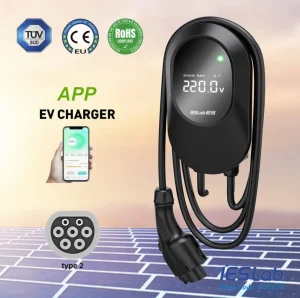
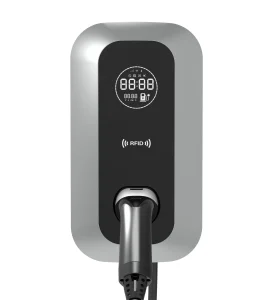
From the bustling streets of SoMa to the residential hills of Pacific Heights, the infrastructure requirements vary significantly. While public transit fleets require high-power DC stations, the local residential landscape demands sophisticated EV Home Charging Solutions that can integrate with California's smart grid.
Did you know? San Francisco has one of the highest EV adoption rates per capita in the United States, necessitating a 300% increase in fast-charging modules over the next five years.
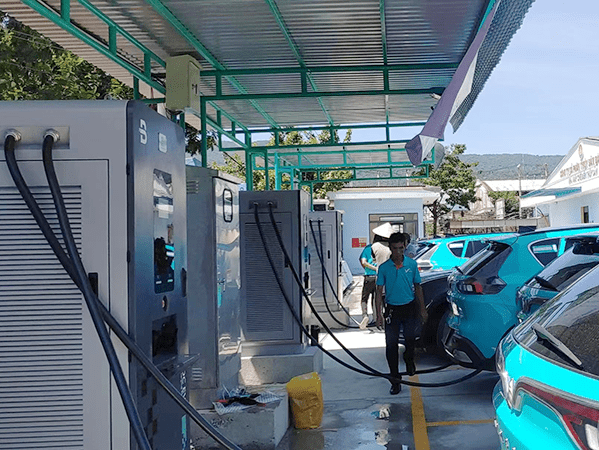
High-efficiency power conversion modules designed for rapid energy transfer in commercial SF charging hubs.
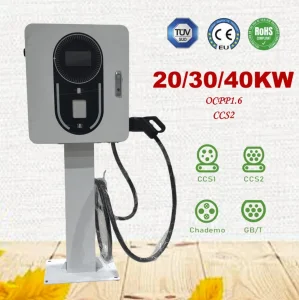
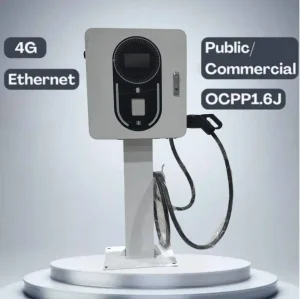
Full OCPP 1.6 and 2.0.1 compatibility for remote management across San Francisco's diverse municipal networks.
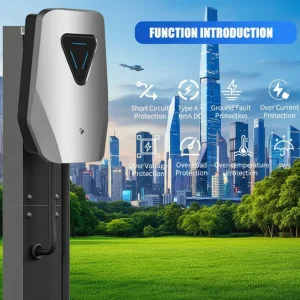
Weather-proof (IP54/IP65) designs tested to withstand the Bay Area's unique coastal fog and humidity.
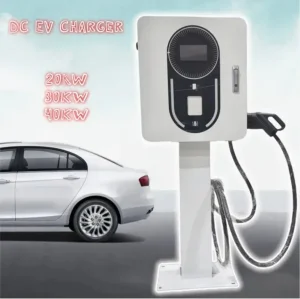
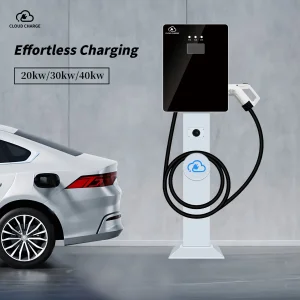
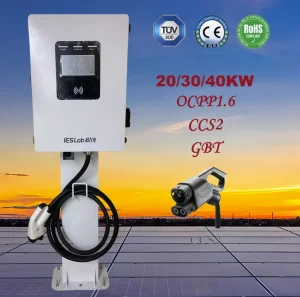
The landscape of DC Fast Charge Modules Factories in San Francisco is evolving from simple assembly to complex AI-integrated systems. Modern charging stations are no longer just "plugs"; they are smart grid assets. In San Francisco's commercial sector, businesses are adopting 20kw to 40kw DC solutions for their private fleets to ensure vehicles are ready during high-demand hours.
The industrial trend is moving toward modular charging architecture. By using independent DC Fast Charge Modules, operators in San Francisco can ensure high uptime—if one module fails, others continue to operate, reducing maintenance costs and driver frustration. This is critical for high-traffic locations like San Francisco International Airport (SFO) and the Port of San Francisco.
While San Francisco serves as a prime application market, Dongguan Voltra Charger Co., Ltd. acts as the manufacturing engine driving this innovation. As a forward-thinking manufacturer, we specialize in smart EV charging solutions for residential, commercial, and fleet applications. By bridging the gap between high-end R&D and global supply chains, we provide San Francisco projects with the reliable hardware they need.
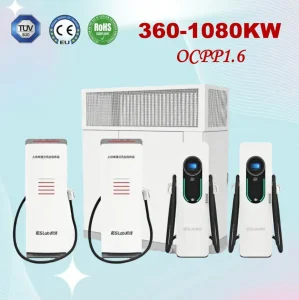
Our comprehensive portfolio includes everything from compact 7kw home chargers to massive 1080kw DC fast charging stacks. Every unit produced adheres to strict international safety standards (CE, UL, RoHS), ensuring that your San Francisco-based project meets all local building and safety codes.
Learn More About VoltraThe EV Home Charging Solutions in San Francisco are becoming more integrated with home energy management systems (HEMS). With electricity prices in Northern California being among the highest in the US, residents are looking for smart chargers that can perform "Time-of-Use" (TOU) optimization. Our units allow SF homeowners to schedule charging during off-peak hours automatically, significantly reducing the total cost of ownership for their EVs.
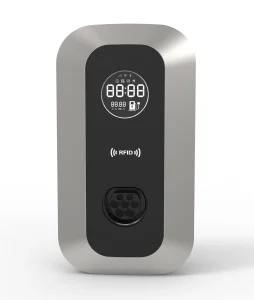
Furthermore, San Francisco's building codes are now requiring "EV Ready" infrastructure in new developments. This means the DC Fast Charge Modules Factory in the supply chain must produce hardware that is easy to install, compact, and compliant with California Title 24 requirements. Our wall-mounted DC solutions are specifically designed for these space-constrained urban environments.
In addition to hardware, software-defined power management is the new frontier. Load balancing technology is essential in San Francisco's older neighborhoods where the electrical grid may be limited. Our charging solutions can dynamically distribute power between multiple vehicles, preventing breaker trips while ensuring every car gets the charge it needs by morning.
By choosing a partner with deep manufacturing roots and a focus on the San Francisco market, you ensure that your charging infrastructure is not just a temporary fix, but a long-term investment in the green future of the Bay Area.
 Voltura Charger