Explore our foundational smart grid systems, DC fast chargers, and bidirectional energy conversion architectures engineered for next-generation charging infrastructure.
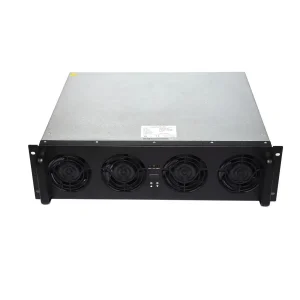
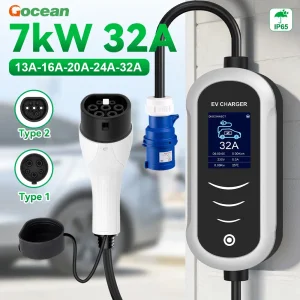
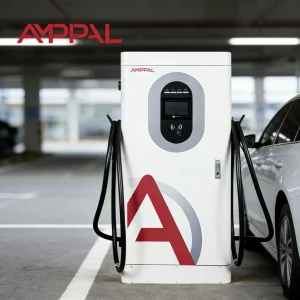
Dongguan Voltra Charger Co., Ltd. is a forward-thinking manufacturer specializing in smart EV charging solutions for residential, commercial, and fleet applications. With a strong focus on innovation and energy efficiency, the company integrates research and development, production, and global sales to deliver reliable and intelligent charging infrastructure.
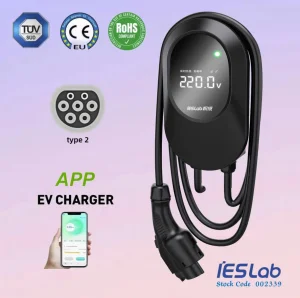
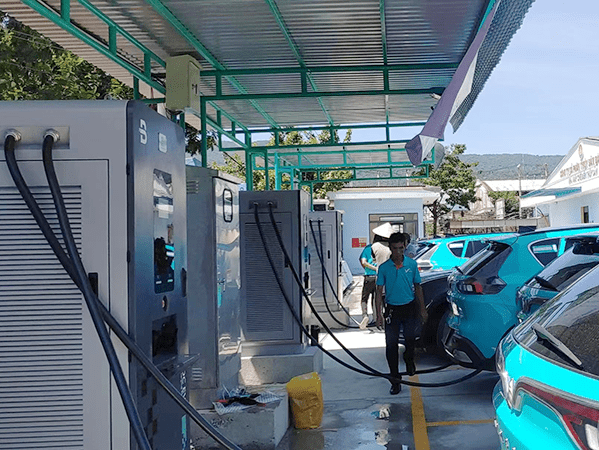
Voltra Charger offers a comprehensive product portfolio, including home EV charging stations, commercial charging systems, fleet charging solutions, and advanced charging power management units. Designed to meet diverse customer needs, its solutions support both AC and DC charging, ensuring compatibility with a wide range of electric vehicles.
Driven by the growing demand for sustainable mobility, the company emphasizes intelligent power management technologies such as dynamic load balancing, real-time grid monitoring, and energy optimization. These features help users reduce operational costs while improving charging efficiency and grid stability.
Dongguan Voltra Charger Co., Ltd. adheres to strict international quality standards and continuously invests in technological upgrades to enhance product performance and safety. Its solutions are widely applied in residential communities, office buildings, public charging networks, and logistics fleets.
With a commitment to green energy and smart transportation, Voltra Charger aims to become a trusted global partner in the EV charging industry, empowering customers with efficient, safe, and future-ready charging solutions.
Transforming electric vehicles from passive consumers into dynamic energy assets through smart grid interconnections.
By shifting EV charging cycles to off-peak hours and feeding electricity back to the municipal grid during critical peak windows, our V2G charging systems effectively smooth the utility load curve, minimizing high-cost infrastructure upgrades.
Our intelligent cloud platform groups thousands of connected EVs into a single decentralized resource. These VPP networks provide primary control reserve, frequency containment reserves, and active reactive power stabilization directly to distribution system operators (DSOs).
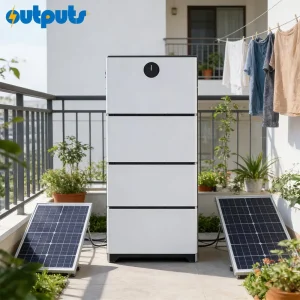
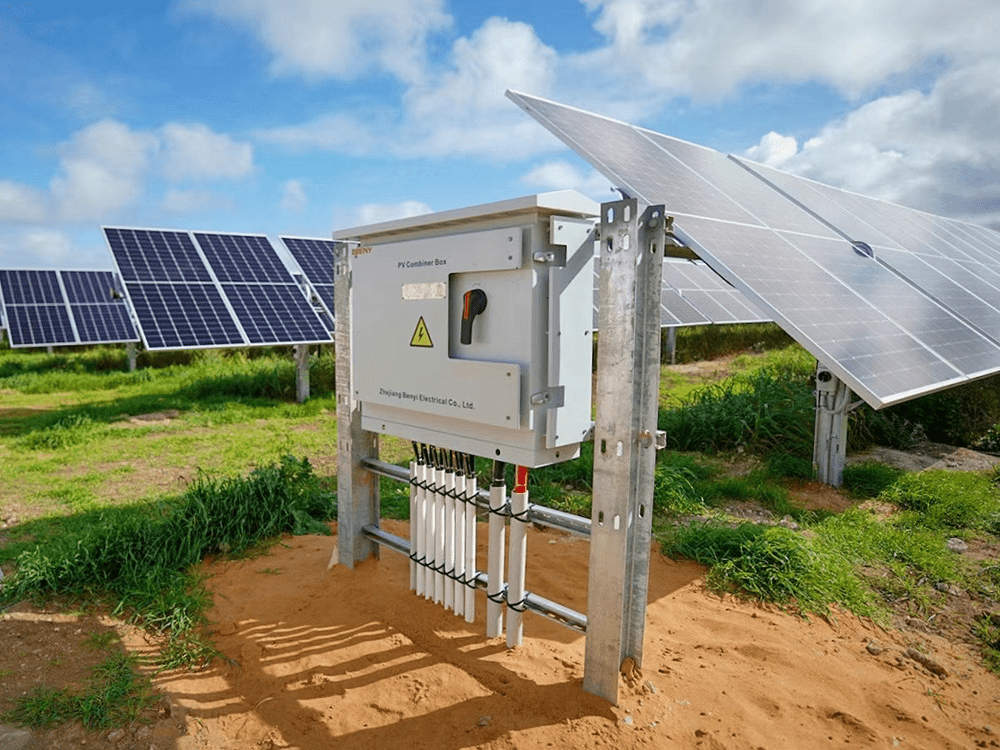
Integrating local photovoltaic (PV) generators with stationary batteries and mobile EV fleets allows our system to capture excess wind and solar generation, buffering intermittent production cycles and lowering environmental carbon indices.
Market developments, standardization benchmarks, and regional frameworks reshaping the smart charging industry.
Across Europe and the Americas, V2G is shifting from pilot programs to mainstream utility integration. In the European Union, grid operators rely heavily on bidirectional charging to balance volatile wind power inputs. In the US, FERC Order 2222 permits aggregated EV fleets to participate as active market resources. In China, government frameworks support V2G pilot projects to build resilient urban distribution systems capable of handling peak air-conditioning and industrial loads during summer months.
Behind the scenes of Voltra's industry-leading energy conversion hardware and control software.
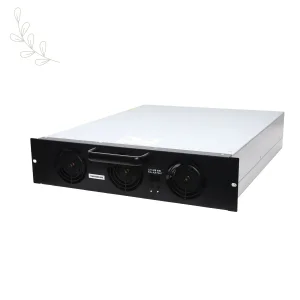
At the core of Voltra's bidirectional systems are next-generation Silicon Carbide (SiC) MOSFET semiconductors. Unlike traditional silicon components, SiC devices achieve lower switching losses, allowing higher switching frequencies. This enables highly compact power designs, reducing the physical footprint of our charging cabinets by up to 35% compared to standard converters.
Bidirectional power flow requires tight communication sync between the grid, the charger, and the vehicle. Voltra hardware supports the industry's latest communication protocols to guarantee reliable operation and grid stability.
Ensuring complete regulatory alignment and reliable operations across international markets.
Our V2G charging systems comply with key international standards, including CE, TUV, and UL. Our hardware meets strict grid connection rules (such as G99 in the UK and VDE-AR-N 4105 in Germany), preventing voltage spikes and ensuring safe, compliant integration.
We work with authorized service centers across Europe, North America, and the APAC region to deliver fast spare parts supply, remote OTA software upgrades, and onsite support, minimizing downtime and maximizing charging system ROI.
Adhering to strict cybersecurity rules (including GDPR in Europe), our smart grid platforms encrypt EV owner data and vehicle identities, providing complete protection against network security threats.
Maximizing value and operational flexibility across diverse deployment models.
Logistics hubs with fixed route schedules can utilize multi-megawatt chargers to replenish delivery fleets rapidly. Overnight, parked fleet batteries function as an energy storage array, returning power to the local grid during high-tariff periods to generate additional revenue.
Integrating bidirectional chargers into corporate parking garages provides employee vehicles with clean solar energy during the day. During high-demand afternoons, the parked vehicles can return power to the office building, cutting peak electricity demand costs.
Smart multi-tenant properties combine rooftop PV panels, local energy storage, and bidirectional home chargers to build resilient microgrids. In the event of a power outage, bidirectional EV batteries act as backup generators, providing clean power to the home.
Our vision for integrated energy ecosystems where vehicles connect to homes, buildings, and everything.
Deploying OCPP-enabled chargers with dynamic load balancing. Using real-time energy price data to optimize charging cycles, prevent grid overloads, and reduce basic charging costs for EV owners.
Broad implementation of dual-direction power modules in public transportation hubs, corporate parking garages, and depots. Fleet operators earn direct returns by helping utility companies stabilize the local grid.
Expanding V2G into Vehicle-to-Home (V2H) and Vehicle-to-Building (V2B) solutions. In this stage, electric vehicles serve as key components of automated, decentralized smart city power grids, coordinated by AI-driven energy management platforms.
Key technical and business insights regarding Vehicle-to-Grid (V2G) technology and hardware procurement.
Vehicle-to-Grid (V2G) is a technology that allows electric vehicles to communicate with the power grid and enable bidirectional power flow. This means EVs can charge their batteries during low-demand periods when electricity is inexpensive, and feed stored energy back into the grid during peak hours when demand and prices are high.
To enable safe and secure bidirectional power flow, chargers and vehicles must support ISO 15118-20 (the international standard for EV-to-charger communication) and OCPP 2.0.1 (the standard protocol for charger-to-cloud server systems). These protocols manage real-time charging rates, user authorization, and data encryption.
Modern V2G technology uses advanced management algorithms to protect vehicle batteries. By managing power transfer rates and operating within optimal state-of-charge (SoC) ranges, our systems minimize cell wear, helping maintain battery life while supporting the grid.
Voltra V2G chargers comply with international standards such as CE, TUV, and UL, as well as specific grid codes like G99 in the United Kingdom, VDE-AR-N 4105 in Germany, and IEEE 1547 in North America, ensuring safe and compliant grid operations.
We provide comprehensive OEM and ODM services, including customized shell designs, custom communication protocol integration, dynamic cloud platform development, and tailored technical specifications to meet unique market requirements.
Explore our high-performance fleet chargers, solar energy storage systems, and commercial AC/DC fast charging stations.
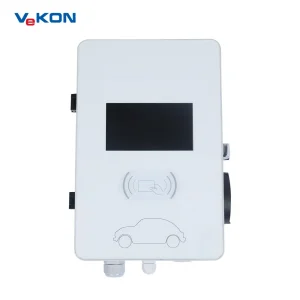
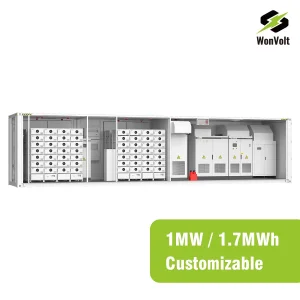
 Voltura Charger