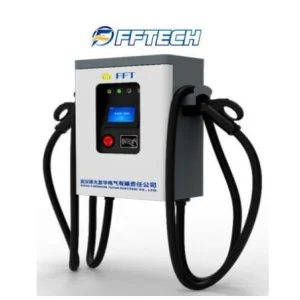
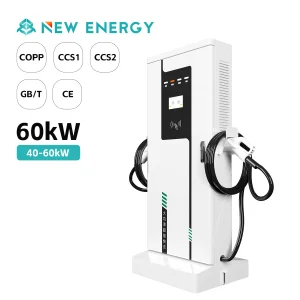
Explore our state-of-the-art power distribution hardware, smart residential wallboxes, solar commercial BESS units, and high-performance DC power modules.
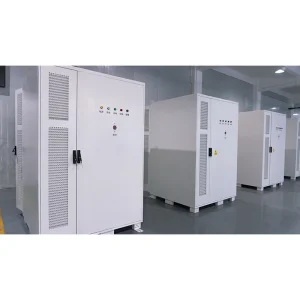
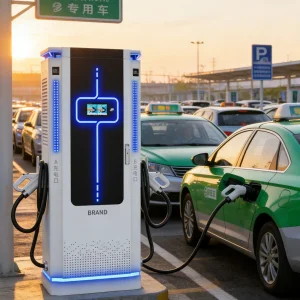
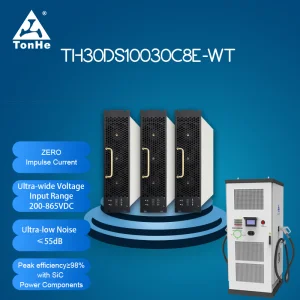
Dongguan Voltra Charger Co., Ltd. is a forward-thinking manufacturer specializing in smart EV charging solutions for residential, commercial, and fleet applications. With a strong focus on innovation and energy efficiency, the company integrates research and development, production, and global sales to deliver reliable and intelligent charging infrastructure.
Voltra Charger offers a comprehensive product portfolio, including home EV charging stations, commercial charging systems, fleet charging solutions, and advanced charging power management units. Designed to meet diverse customer needs, its solutions support both AC and DC charging, ensuring compatibility with a wide range of electric vehicles.
Driven by the growing demand for sustainable mobility, the company emphasizes intelligent power management technologies such as load balancing, real-time monitoring, and energy optimization. These features help users reduce operational costs while improving charging efficiency and grid stability.
Dongguan Voltra Charger Co., Ltd. adheres to strict international quality standards and continuously invests in technological upgrades to enhance product performance and safety. Its solutions are widely applied in residential communities, office buildings, public charging networks, and logistics fleets.
With a commitment to green energy and smart transportation, Voltra Charger aims to become a trusted global partner in the EV charging industry, empowering customers with efficient, safe, and future-ready charging solutions.
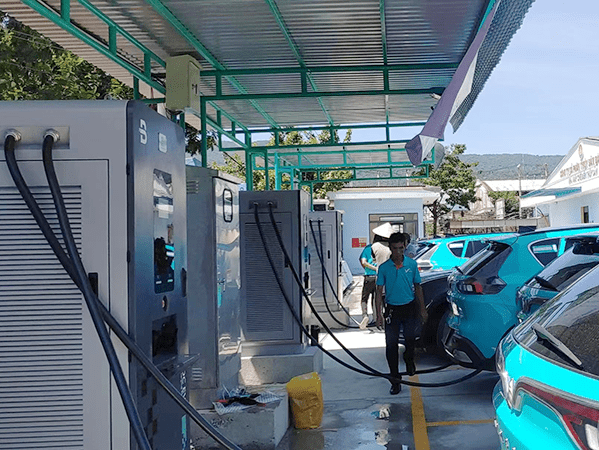
As the global adoption of electric vehicles accelerates, the residential sector is transitioning from simple wall outlets to intelligent, integrated home energy hubs. Voltra Charger sits at the intersection of this electrical revolution.
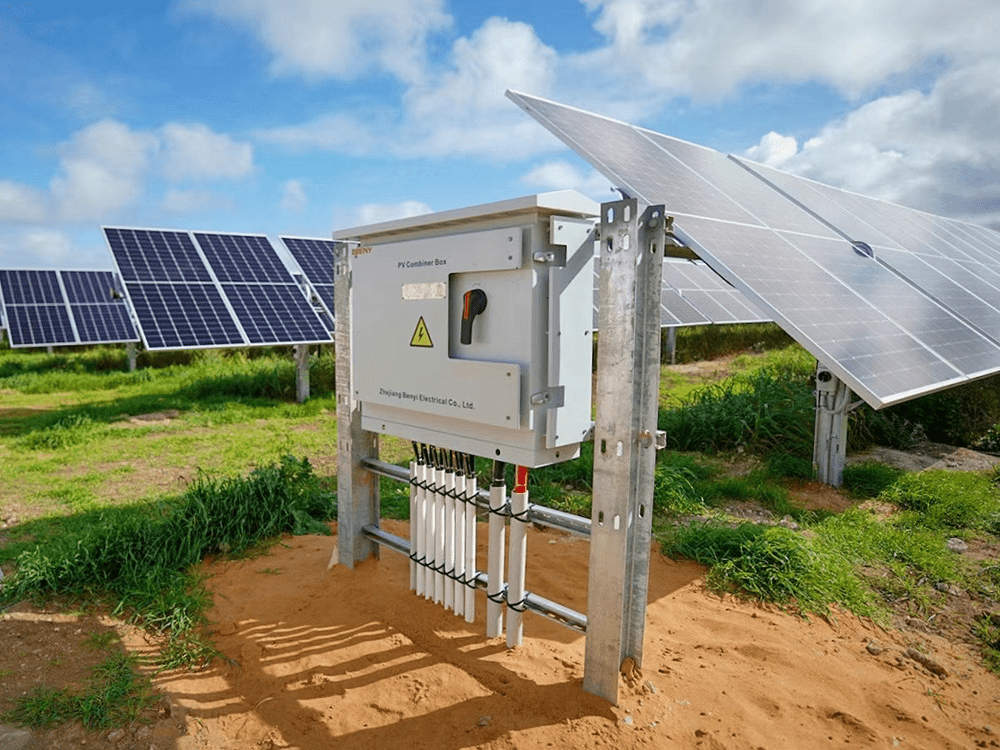
We design our chargers to integrate seamlessly with home solar photovoltaics (PV) and Battery Energy Storage Systems (BESS). This harmony ensures that EVs are charged using 100% clean, self-generated solar energy, reducing reliance on fossil-fuel grids and lowering home electricity costs.
Our DLB algorithms continuously monitor the real-time electricity usage of the home. When heavy appliances (like HVAC systems or ovens) are active, the charger dynamically adjusts its current draw, preventing overload events and safeguarding your home's breaker panel.
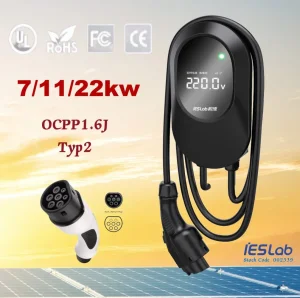
By leveraging vehicle-to-grid (V2G) readiness and scheduled charging protocols (OCPP 1.6J / 2.0.1), our systems communicate with utility companies. Users can automatically charge their vehicles during off-peak hours when electricity is cheapest, reducing peak load stress on the municipal grid.
Voltra Charger is committed to pushing the boundaries of power electronics. Our engineering team continuously refines charging hardware, focusing on thermal efficiency, component minimization, and digital communication capabilities.
Our technological development roadmap is built on three pillars:
Located in Dongguan, the global heart of electronic manufacturing, Voltra Charger leverages localized supply chains, state-of-the-art automation, and rigorous quality control processes.
Our manufacturing facility incorporates automated surface-mount technology (SMT) for controller boards, robotic arms for chassis assembly, and computer-controlled testing stations to minimize human error and ensure repeatable quality.
We source raw components, including copper cords, relays, microcontrollers, and impact-resistant polymer casings, within a 50-kilometer radius. This localized supply chain insulates Voltra Charger from international logistics disruptions and maintains competitive pricing.
Every EV charger undergoes an extensive quality check regime, including High-Voltage Isolation Tests, Earth Leakage Protection Tests, and a 4-hour Full-Load Burn-In Test under controlled thermal environments before leaving the factory.
Entering global markets requires absolute alignment with local regulatory and safety standards. Our product catalog is engineered to comply with strict international guidelines, offering safety and reliability to end consumers and installers.
As an enterprise purchaser, choosing the right EVSE supplier involves balancing regulatory compliance, production lead times, and post-purchase engineering support.
We provide full white-label options, custom plastic housing moldings, custom-branded smartphone apps, and localized firmware configurations to suit your regional market's exact needs.
To reduce international freight costs, we design packaging to maximize pallet density. Our logistical support team handles customs clearance, import documentation, and localized logistics routing.
Voltra Charger provides deep documentation, installation guides, circuit diagrams, and live technical training webinars for your local engineering and maintenance teams.
Get authoritative answers on charging technical specifications, installation practices, system safety, and international regulations.
Single-phase charging uses one active conductor and typically operates at 230V, delivering up to 7.4 kW of power. Three-phase charging uses three active conductors, operating at 400V, and can deliver 11 kW or 22 kW of power. While single-phase is standard in North America and parts of Europe, three-phase charging is common in European residential properties with high electrical demands, allowing for significantly faster charging speeds.
Our chargers connect to an external Current Transformer (CT) clamp or a smart energy meter installed at the property's main breaker. The CT clamp measures the real-time current consumption of the home and transmits this data to the charger's microcontroller. If consumption approaches the maximum current capacity of the household grid, the charger reduces its own current output. When other household appliances are turned off, the charger increases its output to charge the vehicle at maximum speed.
Yes, our AC and DC chargers are fully compliant with global standards, including IEC 62196 (Type 2) for Europe, SAE J1772 (Type 1) for North America, and GB/T for China. Our DC fast chargers support CCS1, CCS2, and CHAdeMO connections, ensuring plug-and-play capability with electric vehicles from Tesla, BYD, Volkswagen, BMW, Hyundai, Nissan, and other major brands.
Open Charge Point Protocol (OCPP) is an open-source communication protocol used to connect charging stations with central management systems (CSMS). In residential settings, OCPP (specifically versions 1.6J and 2.0.1) enables smart features such as remote monitoring via mobile apps, scheduling charging sessions to take advantage of low-cost energy periods, integrating solar generation, and allowing grid operators to manage load distribution during high-stress periods.
Our chargers feature multiple layers of protection, including Over-Current Protection, Over-Voltage / Under-Voltage Protection, Short-Circuit Protection, Lightning/Surge Protection, Ground Fault Protection, and Over-Temperature Protection. Crucially, they include Type B RCD protection (6mA DC leakage protection), which prevents dangerous DC residual currents from back-feeding into the household electrical system, avoiding the need for expensive external Type B RCD installations.
Yes, we specialize in OEM/ODM partnerships. For bulk orders, we can customize casing colors, screen graphics, and print your company logo directly onto the product. From a software perspective, we offer customized firmware configurations, OCPP endpoints pre-configured to your back-end server, and custom white-labeled mobile applications available on Android and iOS platforms.
From ultra-fast home wallboxes to portable emergency chargers and prefabricated modular clinic structures, explore our full range of manufactured offerings.

 Voltura Charger