Explore our premium grade hardware portfolio optimized for grid stability, microgrid efficiency, and fast power delivery.


Analyzing the paradigm shift in energy distribution, smart manufacturing, and the next generation of grid-responsive supply chains.
The global transition to electric mobility has reached a crucial inflection point. It is no longer just about deploying vehicles; it is about building the infrastructure that feeds them. Central to this monumental shift are the top renewable energy charging factories. These advanced manufacturing hubs represent a convergence of industrial automation, clean power technology, and smart software architecture. They are transition facilitators, migrating raw electric vehicle supply equipment (EVSE) components into intelligent, grid-integrated assets capable of stabilizing electrical distribution systems.
Historically, EV charging stations operated as simple power pipelines. However, with grid capacity becoming a bottleneck worldwide, modern charging factories are pivoting toward multi-system integration. Today's top manufacturers design systems that incorporate Battery Energy Storage Systems (BESS), local photovoltaic (PV) generation, and bidirectional vehicle-to-grid (V2G) interfaces directly into their commercial cabinets. This holistic engineering approach relieves pressure on localized distribution transformers while maximizing the consumption of onsite green power.
A premium manufacturing standard relies heavily on software-hardware symmetry. Standard components are no longer sufficient; they must be optimized for variable utility pricing, carbon intensity metrics, and local phase imbalances. Factories that focus on grid friendliness design their internal power conversion modules using high-frequency silicon carbide (SiC) MOSFETs. This technology yields smaller thermal profiles, lower parasitic losses, and remarkable power densities.
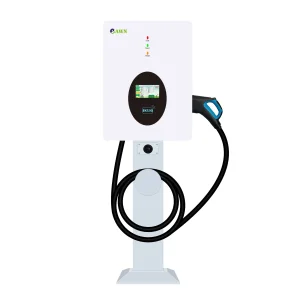
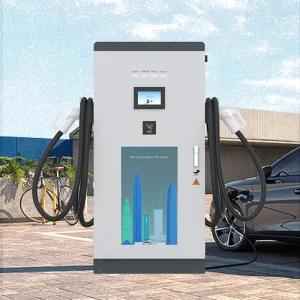
For instance, a modern 240kW DC fast charging station built in an industry-leading factory integrates dynamic load balancing across multiple power stacks. Instead of assigning a fixed 120kW per outlet, the system continuously monitors the vehicle state-of-charge (SoC) and shifts current dynamically. This maximizes vehicle throughput and eliminates unnecessary peak-demand charges for operators.
Exploring the emerging frontiers of wireless EV charging, liquid cooling, and integrated decentralized energy resources.
Traditional forced-air cooling reaches its limits at 150kW. To push limits to 360kW, 480kW, and beyond, manufacturers employ synthetic ester-based liquid coolants running through internal manifolds. This maintains internal operating temperatures below 55°C, ensuring continuous maximum output and extending internal component life cycles.
Wireless power transfer is shifting from a premium consumer option to a commercial necessity. By establishing resonance at 85kHz between a ground-installed pad and a vehicle receiver pad, energy transfers across air gaps up to 200mm with efficiencies surpassing 92%. This simplifies fleet logistics by automating parking and charging sequences.
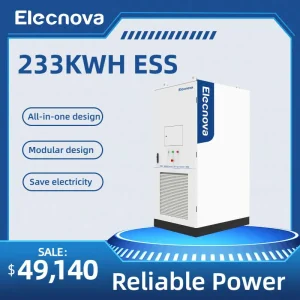
Local battery buffers decouple charging depots from the regional grid. By pairing 233kWh liquid-cooled lithium iron phosphate (LiFePO4) outdoor cabinets with DC chargers, the depot offsets high utility peak demands. Intelligent local energy management units dynamically schedule charges based on solar energy generation curves.
The horizon of renewable energy charging includes autonomous grid integration. Using ISO 15118-20 (Plug & Charge) protocols and bi-directional communications, chargers can query the state of the grid. During local wind or solar production surges, stations automatically ramp up charging rates. Conversely, when the grid is strained, stations can feed battery power back to the grid or shed non-essential loads. This is a critical development for municipal microgrids, turning charging stations from simple consumers into resilient virtual power plants.
Examining how manufacturing clusters in China drive downstream quality, engineering agility, and cost-efficiency.
An outstanding example of industrial strength and innovation in this sector is Dongguan Voltra Charger Co., Ltd. Voltra Charger is a forward-thinking manufacturer specializing in smart EV charging solutions for residential, commercial, and fleet applications. With a strong focus on innovation and energy efficiency, the company integrates research and development, production, and global sales to deliver reliable and intelligent charging infrastructure.
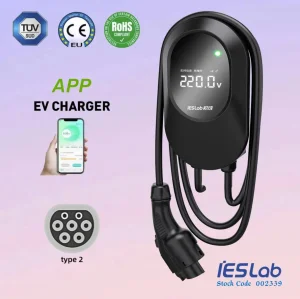
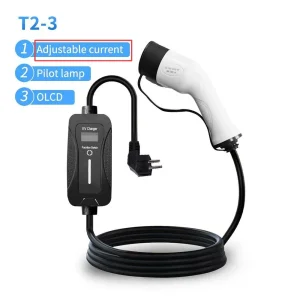
Voltra Charger offers a comprehensive product portfolio, including home EV charging stations, commercial charging systems, fleet charging solutions, and advanced charging power management units. Designed to meet diverse customer needs, its solutions support both AC and DC charging, ensuring compatibility with a wide range of electric vehicles. Driven by the growing demand for sustainable mobility, the company emphasizes intelligent power management technologies such as load balancing, real-time monitoring, and energy optimization. These features help users reduce operational costs while improving charging efficiency and grid stability.
Dongguan Voltra Charger Co., Ltd. adheres to strict international quality standards and continuously invests in technological upgrades to enhance product performance and safety. Its solutions are widely applied in residential communities, office buildings, public charging networks, and logistics fleets. With a commitment to green energy and smart transportation, Voltra Charger aims to become a trusted global partner in the EV charging industry, empowering customers with efficient, safe, and future-ready charging solutions.
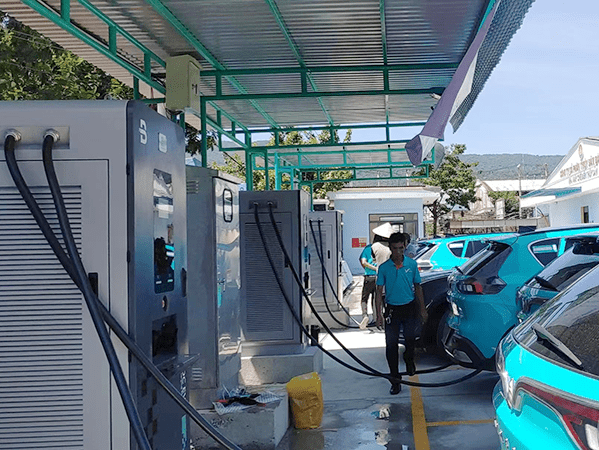
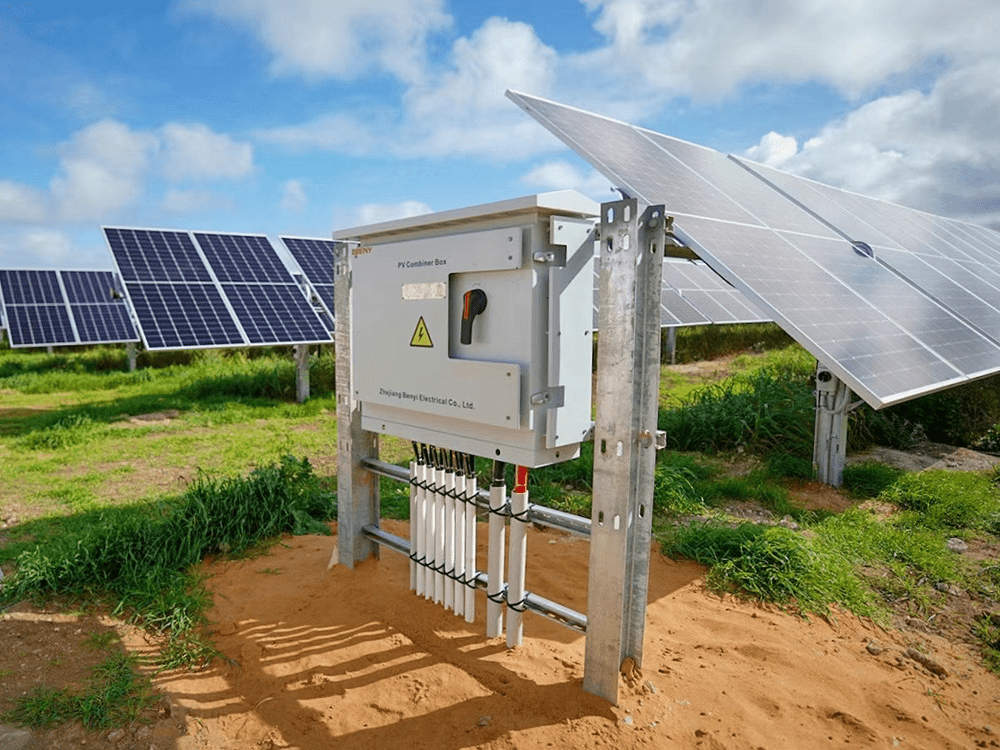
China's Pearl River Delta, specifically Dongguan and Shenzhen, represents the world's most concentrated clean technology manufacturing ecosystem. Factories located here benefit from localized supply chains that significantly reduce production lead times. Component sourcing—from high-voltage copper cabling to LiFePO4 cells (such as the advanced BYD Blade Cell chemistry)—takes place within a two-hour radius.
This geographical concentration drives down production costs while accelerating iterative R&D. While a Western factory might wait weeks for prototype PCBs or specialized silicon carbide modules, a local manufacturer in Dongguan can design, build, and validate a new power module configuration in days. This responsiveness is vital as global standards evolve rapidly.
Deploying advanced EVSE technology into diverse real-world operating environments.
In dense metropolitan areas, upgrading high-voltage grid connections can be cost-prohibitive. In these cases, deploying integrated solar-plus-storage charging hubs represents a highly viable engineering solution. System operators combine solar canopies, high-capacity lithium-ion cabinets, and multi-port charging stations.
During high solar production hours, the system stores surplus electricity in its batteries. When electric vehicles plug in during grid peak periods, the station draws power from both the local battery storage and the grid. This approach reduces overall energy costs and avoids high utility demand charges.
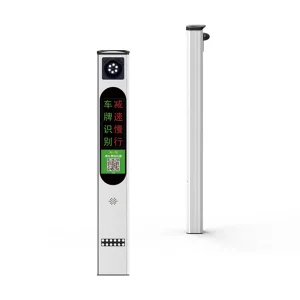
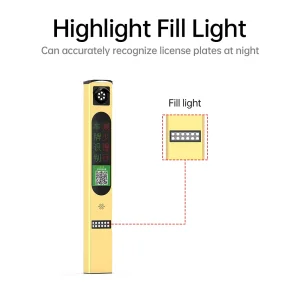
For commercial delivery vehicle fleets, operational downtime is expensive. Charging infrastructure must be highly reliable and operate continuously. High-output charging systems (180kW to 240kW CCS1/CCS2) are essential for these setups. These configurations enable commercial delivery vans or heavy trucks to recharge during brief scheduled breaks. By integrating license plate recognition (LPR) software directly with the fleet management system, vehicles are recognized instantly upon arrival, initiating automated charging sessions and billing.
Modern smart cities require highly integrated parking and charging infrastructures. By combining smart parking barriers, automated vehicle routing systems, and ceiling-suspended or wireless ground-level charging pads, vehicles can charge without driver intervention. This integration maximizes parking space usage and optimizes safety through advanced thermal camera systems and automated vehicle fire-suppression equipment.
Navigating the complex landscape of regional regulatory frameworks, certifications, and electrical codes.
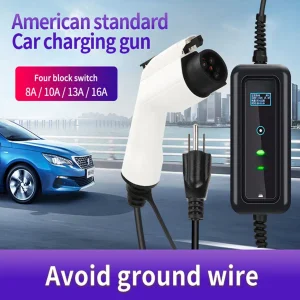
Manufacturers exporting products globally must navigate diverse electrical standards. The North American market is governed by UL 2594 and National Electrical Code (NEC) Article 625 standards, demanding strict ground-fault circuit interrupter (GFCI) protections, NEMA enclosure ratings, and historically CCS1 (and now NACS) plug types.
Conversely, the European Union relies on IEC 61851-1 and Type 2 AC or CCS2 DC connections, necessitating three-phase power capabilities and CE, TUV, and RoHS compliance markings. Additionally, grid operators are increasingly requiring compliance with the Open Charge Point Protocol (OCPP), specifically version 1.6J or 2.0.1, to ensure interoperability between hardware and charge point management networks.
| Region | Key Certifications | Connector Standards | Grid Requirements |
|---|---|---|---|
| North America | ETL, UL, FCC Part 15, Energy Star | SAE J1772 (CCS1), NACS | 60Hz, Split-Phase (240V), 480V 3-Phase |
| Europe & UK | CE, TUV, RoHS, UKCA, EN 61851 | IEC 62196 Type 2 (CCS2) | 50Hz, 230V Single-Phase, 400V 3-Phase |
| Asia-Pacific | CQC, GB/T, SAA (Australia) | GB/T, Type 2, CCS2 | 50Hz, varies by country grid code |
In-depth insights into charger operations, grid safety, and battery chemical integrations.
Explore supporting technologies, modular structures, specialized energy packs, and smart vehicle access peripherals.

 Voltura Charger