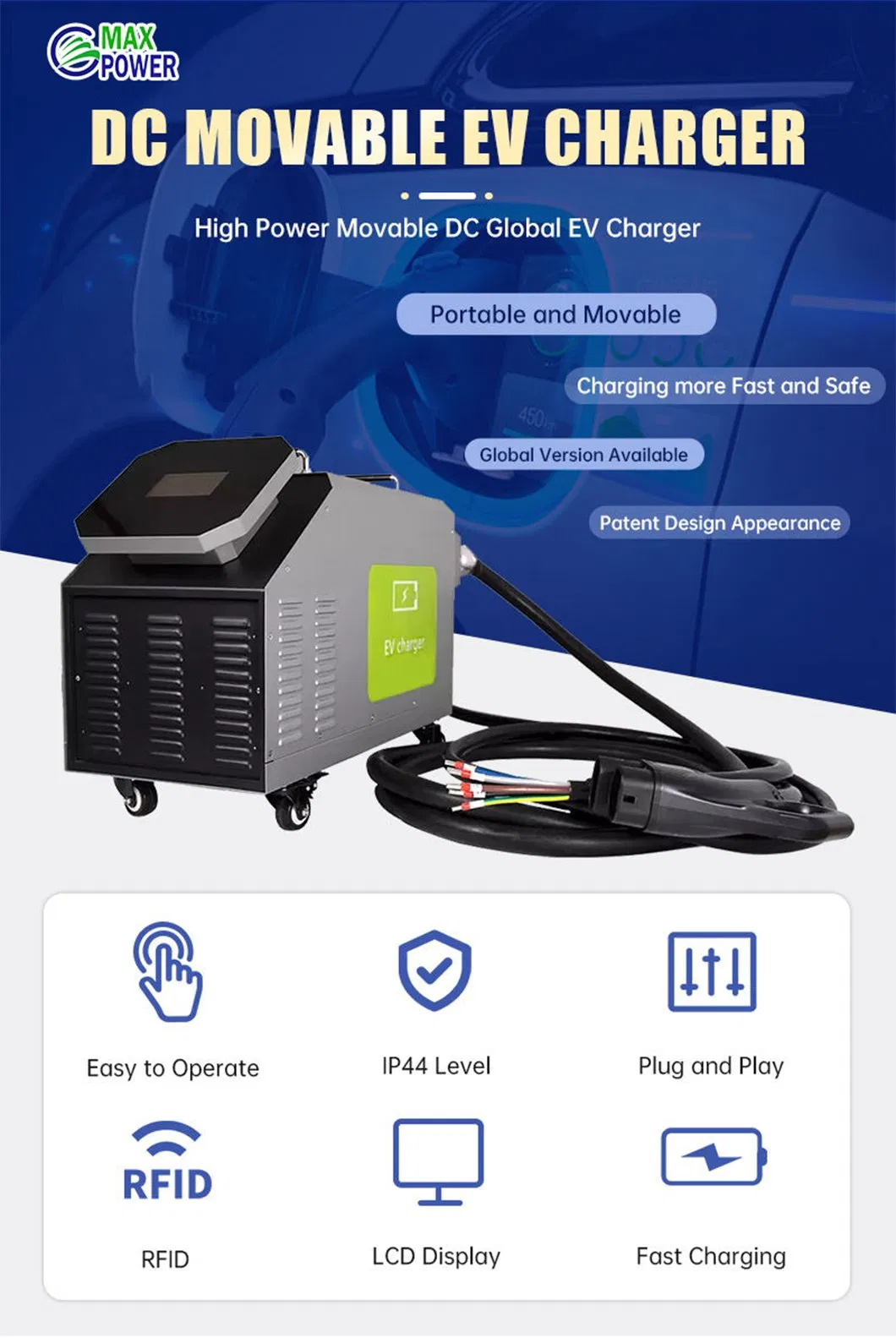
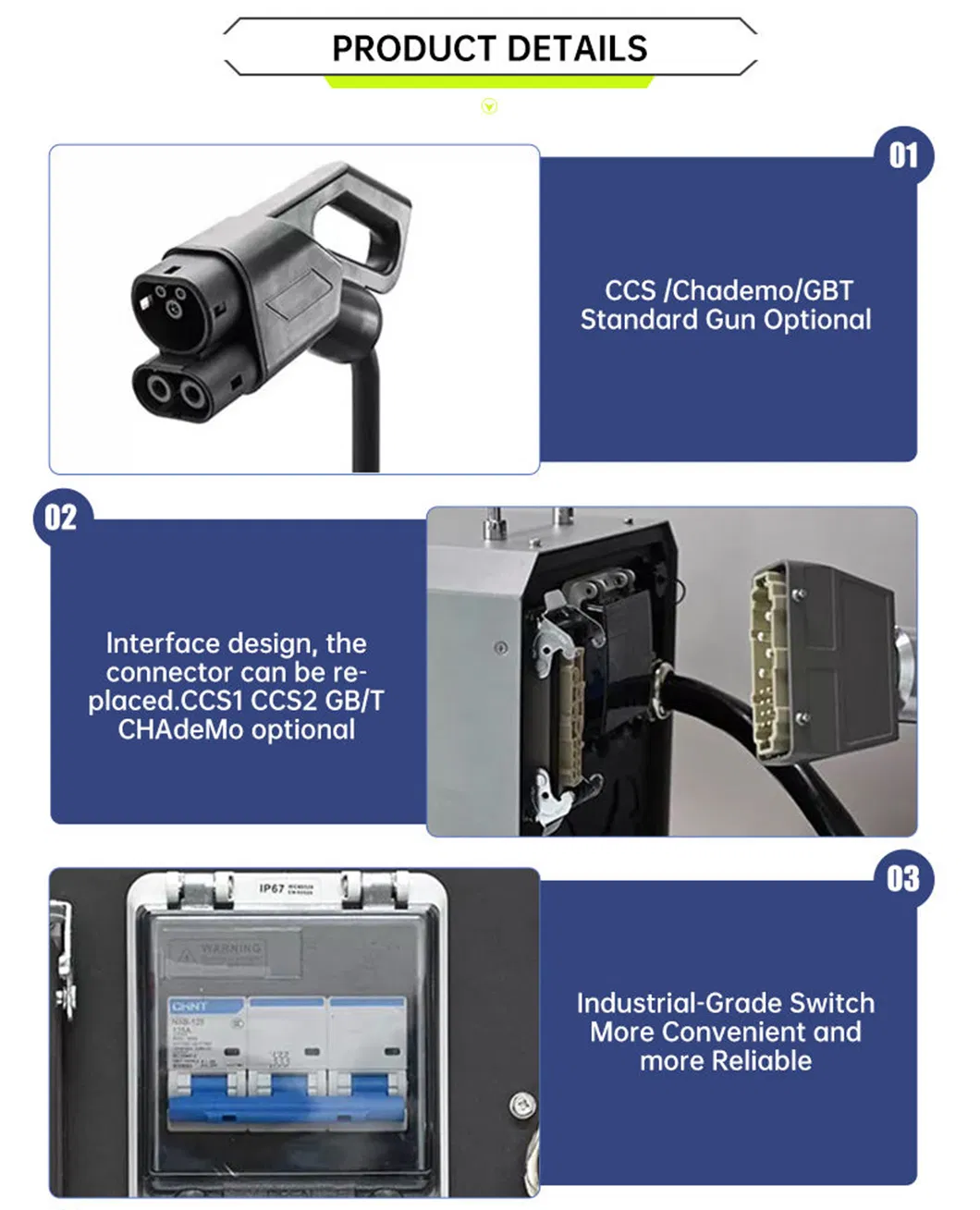
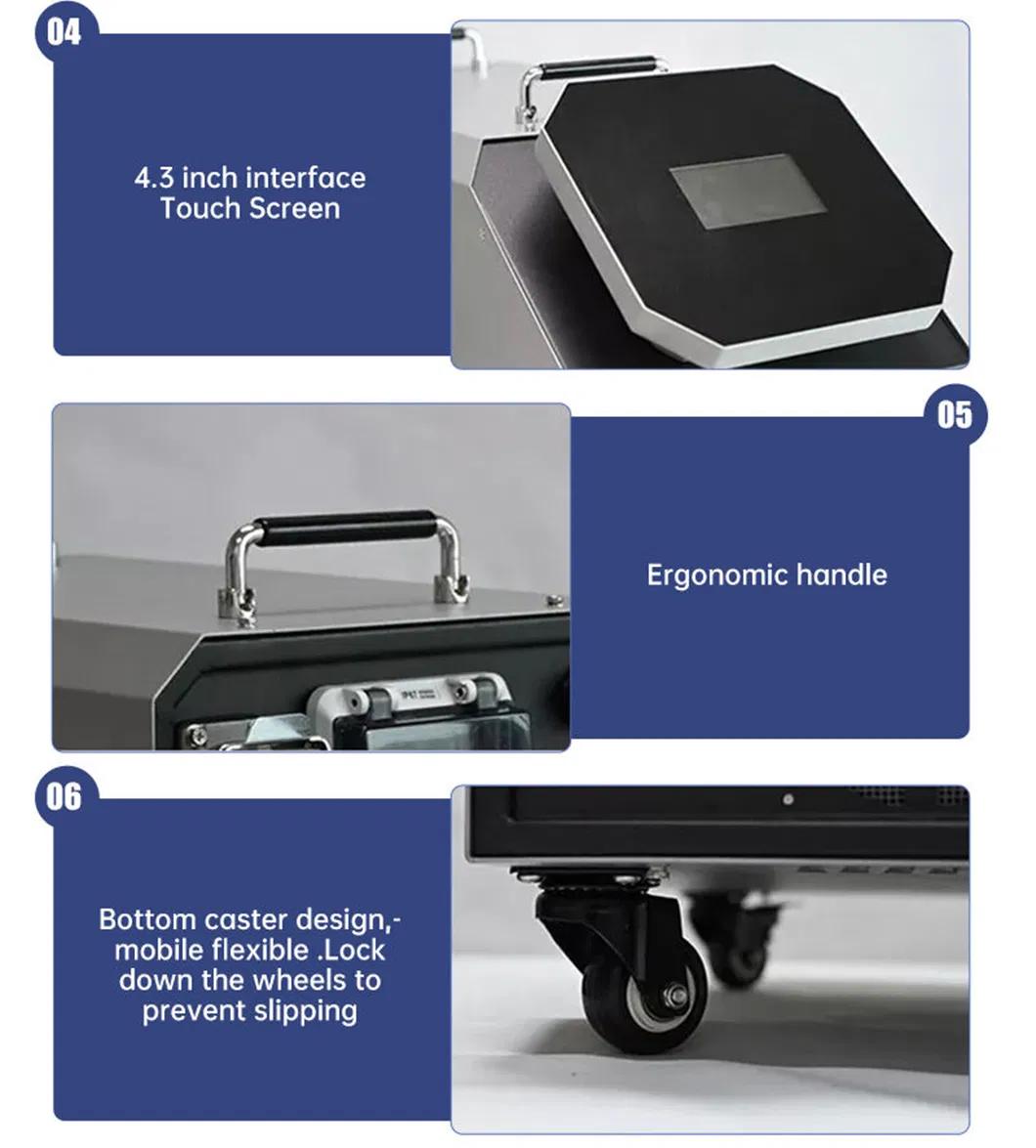
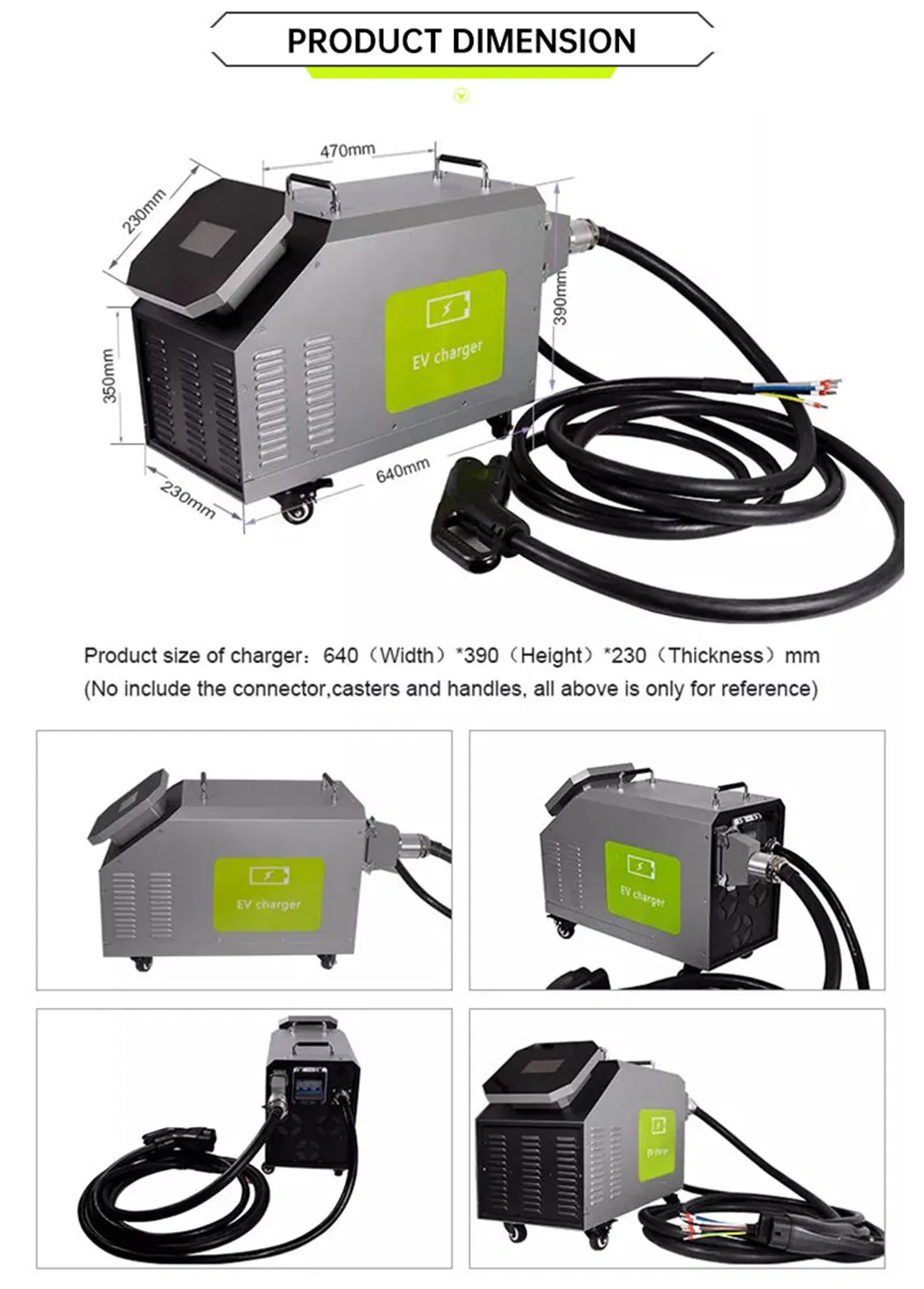
Voltura Charger
1 / 5
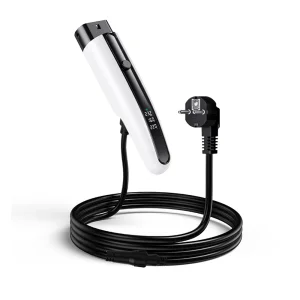
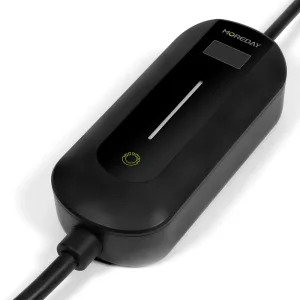
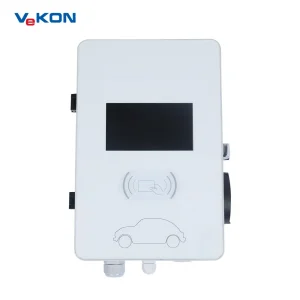
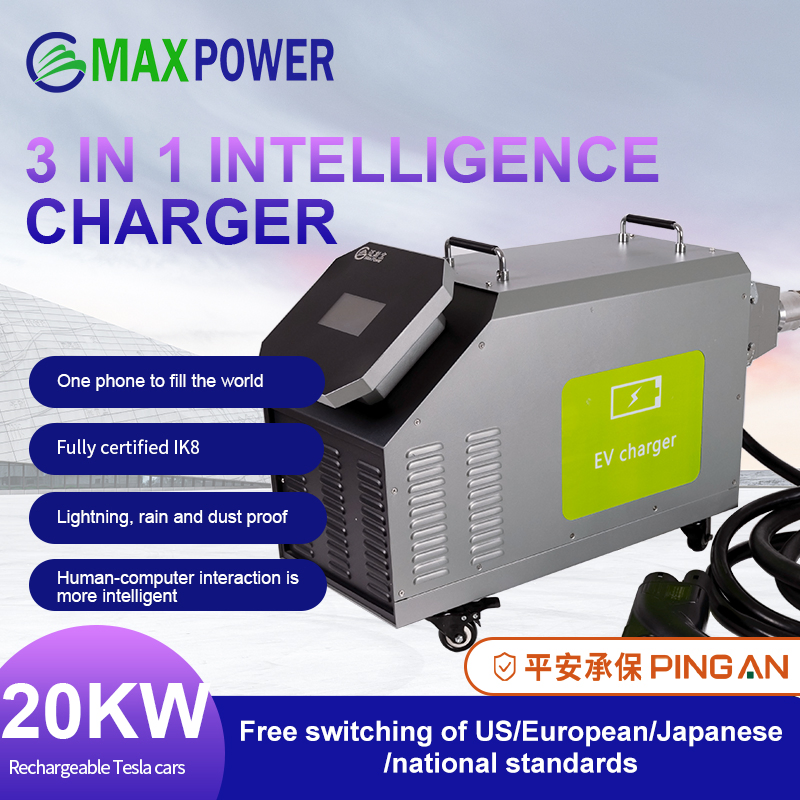
In the future, private cars will become the main force in electric vehicle ownership. With the construction of electric vehicle charging infrastructure, compared with large public charging stations, residential charging stations such as residential communities and industrial parks will gradually become the mainstay of private car charging.
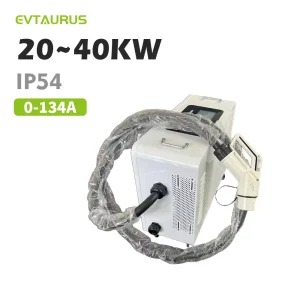
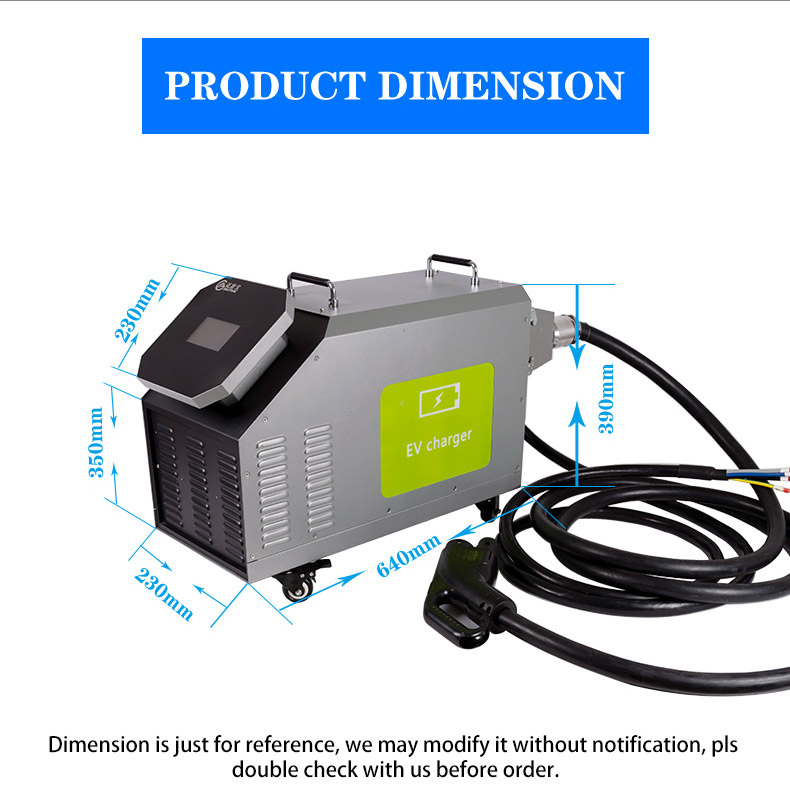
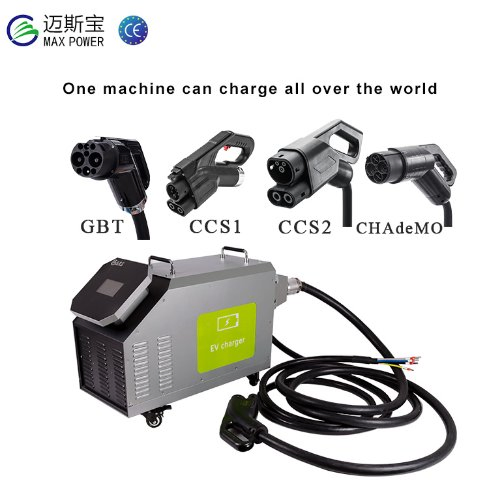
Low-Power DC Advantages: Perfectly suited for resident charging scenarios where power capacity is tight and charging times are longer.
Smart Control: Features "relatively low power and schedulable output" combined with real-time electric vehicle battery data tracking.
All electric vehicle batteries require direct current (DC) for charging. Regardless of the input source, alternating current (AC) must be rectified into direct current to power the battery.
The essential difference between AC and DC charging lies in where the rectification occurs. In AC charging, the process is handled by the vehicle's on-board charger (OBC). In DC charging, the rectification is performed by the charging pile itself. This means the energy loss during conversion is managed by the charging operator rather than the user's vehicle system.