Portable EV Chargers for Equatorial Guinea's Industrial & Commercial Transition

Pioneering Tier-1 EV Infrastructure. Tailored to withstand high humidity, harsh coastal conditions, and voltage fluctuations across Bioko Island and Rio Muni.

Send Inquiry Now

Primary Fleet & Commuter Portable EV Chargers

Engineered for instant deployment, extreme climate resilience, and seamless charging in Malabo and Bata.
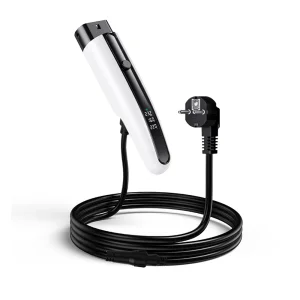

Anker-Style Minimalist Portable EV Charger for Equatorial Guinea

Is This Anker EV Portable Charger-Style Lightweight Model with Minimalist Design Perfect for Equatorial Guinea Travel?

View Product Specifications
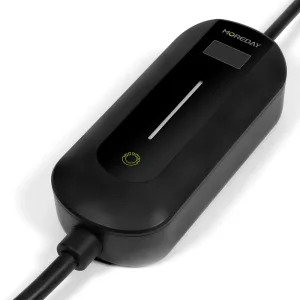
7kw Portable DC Charger for Equatorial Guinea

Fast Charging 7kw Portable DC Charger for EVs and Hybrids in Equatorial Guinea Municipal Fleets

View Product Specifications
IP67 Portable EV Charger for Equatorial Guinea Coastal Regions

IP67 Electric Car Battery Chargers 3.5kw Max 16A Adjustable Current Portable EV Charger Silver Plated Copper Wire

View Product Specifications
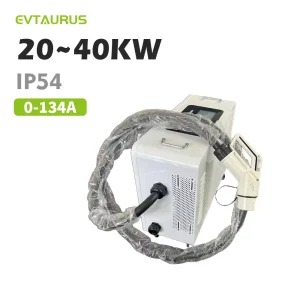
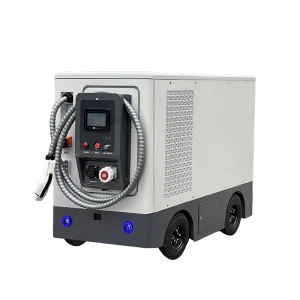
High Capacity DC Mobile EV Charger for Equatorial Guinea

20kw 30kw 40kw Gbt CCS DC European Standard Quick Portable DC Mobile EV Charger for Remote Oil & Gas Camps

View Product Specifications

Equatorial Guinea Localized Electric Mobility Ecosystem & Energy Transition

Equatorial Guinea, historically anchor-stabilized by its petrochemical sector, is executing strategic transitions under the Agenda Guinea Ecuatorial 2035. As diversification gains momentum, municipal administrative centers like Malabo (on Bioko Island) and commercial capitals like Bata (on the mainland Rio Muni coast) are experiencing an initial influx of passenger electric vehicles, light commercial transit buses, and corporate fleet vehicles. However, the localized reality of power grid integration poses unique operational challenges.

The power grid in Equatorial Guinea, managed by SEGESA (Sociedad de Electricidad de Guinea Ecuatorial), operates with distinct grid variations. Bioko Island utilizes hydropower from the Turbinas de Djibloho and heavy thermal backup, while Rio Muni relies on a combination of hydroelectric and gas-to-power generation. For fleets and private EV owners, fixed charging infrastructures demand capital-intensive civil works and encounter long lead times. Portable EV chargers are filling this critical gap by acting as versatile, immediately deployable charging points that bypass permanent grid modifications.

Voltra's Smart EV Charging Technology

Dongguan Voltra Charger Co., Ltd. is a forward-thinking manufacturer specializing in smart EV charging solutions for residential, commercial, and fleet applications. With a strong focus on innovation and energy efficiency, the company integrates research and development, production, and global sales to deliver reliable and intelligent charging infrastructure.

Our portable systems leverage real-time power modulation, voltage-leveling protection mechanisms, and intelligent thermal management specifically designed to protect both the vehicle battery and the electrical circuit under fluctuating electrical currents.
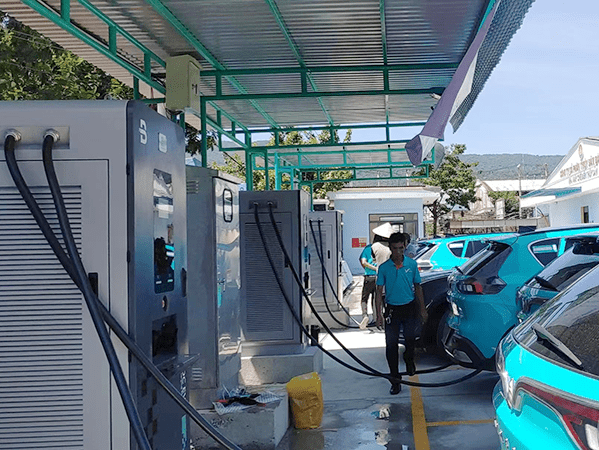
Voltra Smart Charging Station

Key Drivers of Portable EV Charging in Equatorial Guinea

Grid Adaptability

Capable of managing variations between single-phase (220V) and three-phase (380V) configurations at 50Hz, protecting against under-voltage and peak surges.

Minimal Infrastructure Cost

Avoids expensive commercial grid enhancements. Plug-and-play architecture integrates directly with existing industrial standard sockets.

High Operational Uptime

Ensures that logistic agencies, offshore port fleets, and mining operators maintain continuous transport operations even in remote off-grid locations.

Localized Application Scenarios in Equatorial Guinea

To design an effective EV charging roadmap, we must catalog the physical environment and industrial use cases of the local territory:

  • Offshore & Coastal Operations: Ports such as Luba Port and Bata Port experience high marine salinity and relative humidity levels exceeding 90%. Equipment deployed in these staging yards requires advanced anti-corrosion properties (such as silver-plated oxygen-free copper contacts) and IP67 ratings to resist maritime moisture penetration.
  • Remote Exploratory and Construction Camps: Inland regions (e.g., Oyala/Ciudad de la Paz and remote parts of Kie-Ntem province) are rapidly growing. Portable chargers configured for high-power DC output (20kW to 40kW) allow operational managers to charge support EVs directly from site generators or isolated solar microgrids.
  • Urban Commuter and E-Tourism Vehicles: In Malabo, boutique hotels and public facilities utilize variable-current (8A to 16A) adjustable AC smart chargers to allow tourists and government officials to charge their EVs overnight without destabilizing local building power.
IP67 Ingress Protection Rating
20-40kW High-Power DC Mobile Charging
< 3.5h Avg. Rapid Recharging Window
100% Copper Core Silver-Plated Connectors

Technical Roadmap: Designing for Equatorial Guinea's Tropical Climate

Operating EV components under constant high temperatures and humidity requires careful engineering. Heavy rainfall during Equatorial Guinea's wet season means outdoor charging requires double-insulated cabling and robust water seals. Our design standards focus on three main technical areas:

1. Dual-Intelligent Thermal Mitigation

When temperatures reach 35°C in the shade, closed-box components can overheat. Our portable chargers utilize intelligent heat-dissipating casings alongside dual temperature sensors in both the wall-plug and the main PCB. If temperatures cross 75°C, the system automatically lowers the charging rate, restoring full current only when components cool.

2. Broad Voltage Tolerance and Phase Synchronization

To mitigate voltage sags and spikes common on rural power grids, our onboard control boxes support wide voltage inputs (ranging from 90V to 265V for single-phase networks). They feature auto-shutoff thresholds that isolate the vehicle if voltages cross unsafe levels, preventing vehicle battery damage.
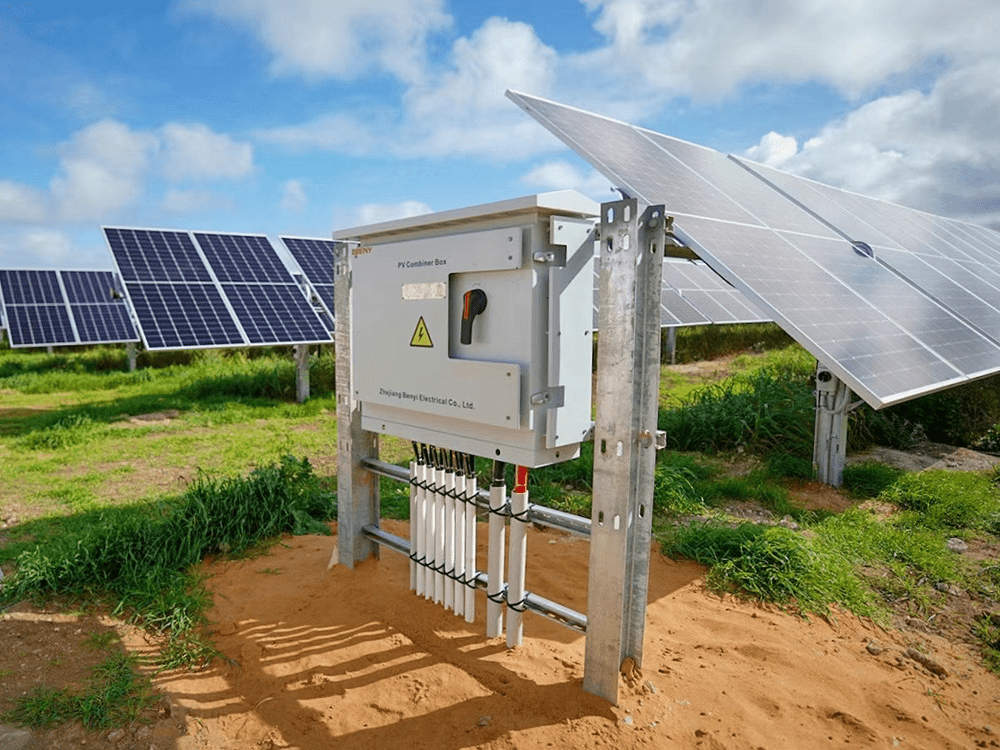
Dongguan Voltra Charger Production Line

Chinese Manufacturing & Supply Chain Resilience

Based in the manufacturing hub of Dongguan, China, Dongguan Voltra Charger Co., Ltd. benefits from strong regional supply chains. This enables us to maintain strict quality standards while offering fast, reliable delivery to markets across Africa.

Our direct access to tier-1 semiconductor suppliers, copper extrusion facilities, and specialized plastic injection molding plants allows us to offer shorter production lead times. This direct integration keeps costs competitive without compromising on international standards like CE, TUV, and RoHS.

3. Global Standards and Interoperability

Our product portfolio covers three major international standards: Type 2 (IEC 62196) for European vehicles, GB/T for Chinese imports, and CCS1/2 for US/global designs. This cross-compatibility ensures fleet operators in Malabo can charge mixed fleets using a single supplier.

Commercial & Heavy-Duty Portable EV Charger Lineup

Select from our complete range of certified AC and DC portable models, designed for durability in industrial environments.
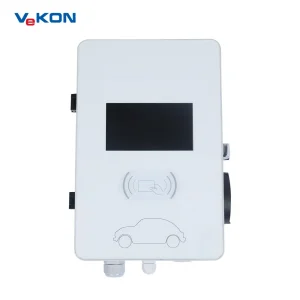
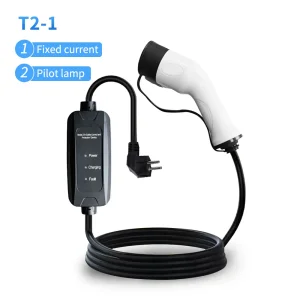
Anker-Style Travel EV Charger for Equatorial Guinea

Anker-Style Minimalist Travel EV Charger for Commuters in Malabo

View Product Specifications
7kw Portable DC Charger for Equatorial Guinea

7kW Portable DC Fast Charger for Equatorial Guinea Logistics Fleets

View Product Specifications
IP67 Waterproof EV Charger for Bata

IP67 Waterproof 3.5kW Adjustable EV Charger for Humid Bata Regions

View Product Specifications
DC Mobile EV Charger for Equatorial Guinea

20kW-40kW CCS DC Mobile EV Fast Charger for Port Authorities

View Product Specifications
OCPP Commercial Type 2 Charger for Equatorial Guinea

OCPP Single-Phase Type 2 Smart Charger for Malabo Office Centers

View Product Specifications
Commercial Single Phase Charger for Equatorial Guinea

OCPP Commercial Type 2 Portable EV Charger with Cloud Integration

View Product Specifications
Mode 2 Portable Charger for Equatorial Guinea

Mode 2 Portable 16A Type 2 EV Charger with Integrated Control Box

View Product Specifications
Adjustable Compact EV Charger for Equatorial Guinea

Adjustable Current Compact EV Charger for Residential Off-Grid Use

View Product Specifications

Technical & Logistical FAQ

Answering common questions regarding grid compatibility, standards, and import logistics for Equatorial Guinea.

Q1: What EV socket standards are most common in Equatorial Guinea, and how does your catalog address them?
Currently, Equatorial Guinea hosts a mix of European imports (Type 2 / IEC 62196) and Chinese EV options (GB/T standard). Dongguan Voltra supplies custom configurations that adapt to all main standards. Our portable line includes Type 2, GB/T, and CCS2 models, ensuring fleet operators have full compatibility across diverse vehicles.
Q2: How do your chargers perform under high humidity and marine salinity in cities like Bata and Malabo?
Our chargers are designed specifically for coastal environments. The internal electronics are sealed with a protective conformal coating to prevent short circuits from condensation. Connectors feature silver-plated oxygen-free copper contacts, which resist corrosion and maintain stable conductivity much better than standard nickel or brass alternatives.
Q3: What integrated safety protections safeguard the chargers against voltage fluctuations?
Every unit includes multiple safety features: Over-voltage Protection, Under-voltage Protection, Leakage Current Protection (Type A + DC 6mA equivalent), Lightning Surge Protection, and Smart Thermal Cutoffs. If the SEGESA grid drops below 180V or spikes above 265V, the system safely pauses the charge cycle and automatically resumes once the grid stabilizes.
Q4: Can these portable chargers integrate with local building management systems or commercial billing?
Yes. Our smart OCPP-enabled portable models (such as the Socket Type OCPP Single Phase Type 2) support communication via Wi-Fi, 4G, or Ethernet. This allows fleet owners to monitor energy consumption, manage user authentication, and set charging schedules remotely using standard OCPP 1.6J/2.0.1 backend software.
Q5: What is the typical lead time and shipping route from Dongguan, China to Bata or Malabo Port?
Production typically takes 15 to 25 days depending on order size. Shipping from Shenzhen or Guangzhou ports to Bata or Malabo usually takes between 35 and 45 days. We handle all export documentation, custom packaging, and provide certificate clearances (CE, RoHS) to ensure smooth customs clearance upon arrival.

Ready to Electrify Your Equatorial Guinea Operations?

Get in touch with our engineering team for customized configurations, wholesale pricing, and specialized regional support.

Send Inquiry Now