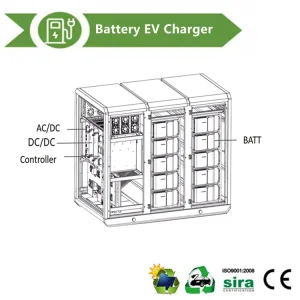
Explore our premier grid-ready power storage and vehicle charging hardware configurations tailored specifically for commercial enterprises, national highways, and municipal infrastructure developments across Namibia.
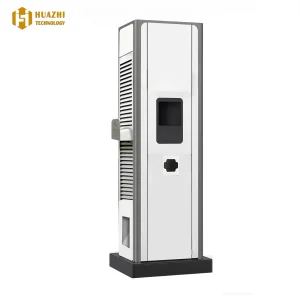
Namibia is currently positioned at a critical energy transition juncture. Under the Harambee Prosperity Plan II (HPPII) and the national drive toward carbon neutrality, the integration of Electric Vehicles (EVs) has progressed from a theoretical future concept to a practical municipal mandate. However, the nation's unique geography presents substantial engineering obstacles: immense travel distances between economic hubs (Windhoek, Walvis Bay, Swakopmund, and Lüderitz), extremely high solar irradiance, localized grid instability, and massive stretches of off-grid desert terrain.
For utility networks, private developers, and mining enterprises, deploying EV charging infrastructure requires far more than merely plugging standard AC or DC units into the regional grid. The national utility, NamPower, enforces strict compliance mechanisms for large-scale grid connections to safeguard the transmission network. Consequently, smart charging, dynamic load shedding, and integrated solar-plus-storage (BESS) microgrids are vital elements of any sustainable deployment strategy.
Our company, acting as a direct engineering manufacturer and OEM factory, bridges the gap between high-performance Chinese component fabrication and localized African requirements. By delivering heavy-duty sheet-metal enclosures, intelligent microgrid units, and heat-resilient EV power accessories, we enable Namibian operators to construct future-proof charging installations that operate reliably under intense UV exposure and extreme desert temperatures.
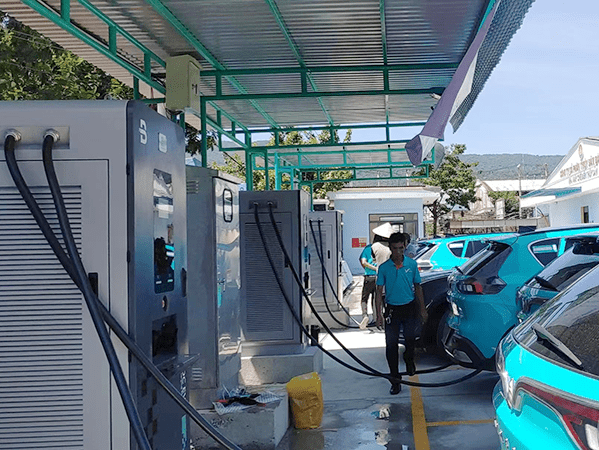
As the deployment of EV infrastructure accelerates in Sub-Saharan Africa, engineers require hardware built to international standards with proven performance indicators.
Dongguan Voltra Charger Co., Ltd. is a forward-thinking manufacturer specializing in smart EV charging solutions for residential, commercial, and fleet applications. With a strong focus on innovation and energy efficiency, the company integrates research and development, production, and global sales to deliver reliable and intelligent charging infrastructure.
Voltra Charger offers a comprehensive product portfolio, including home EV charging stations, commercial charging systems, fleet charging solutions, and advanced charging power management units. Designed to meet diverse customer needs, its solutions support both AC and DC charging, ensuring compatibility with a wide range of electric vehicles.
Driven by the growing demand for sustainable mobility, the company emphasizes intelligent power management technologies such as load balancing, real-time monitoring, and energy optimization. These features help users reduce operational costs while improving charging efficiency and grid stability.
Dongguan Voltra Charger Co., Ltd. adheres to strict international quality standards and continuously invests in technological upgrades to enhance product performance and safety. Its solutions are widely applied in residential communities, office buildings, public charging networks, and logistics fleets.
Designing charging station layouts in Namibia requires addressing specific geographic and mechanical challenges. Below are three primary localized application scenarios where our hardware configurations offer distinctive engineering advantages:
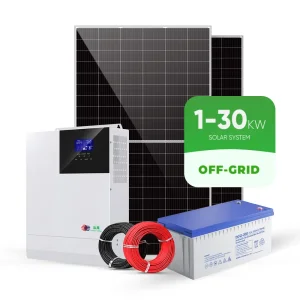
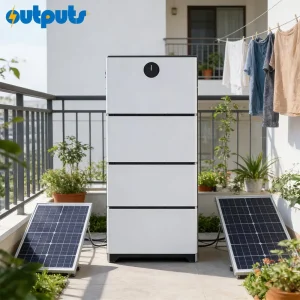
Namibia's luxury lodges in regions like Sossusvlei, Etosha, and Damaraland operate entirely off-grid. To support the growing influx of hybrid and electric tour vehicles, these locations must deploy charging stations integrated with battery energy storage (BESS) and PV solar panels.
Our containerized modular units function as self-contained microgrid hubs, combining localized energy storage with smart EV power supply points, ensuring zero reliance on the national electricity grid.
The uranium, diamond, and copper mining sectors in coastal Erongo and southern regions are moving toward fleet electrification to lower carbon footprints and minimize fuel logistics costs.
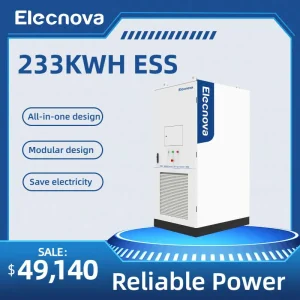
These harsh environments feature fine coastal salts and abrasive silica dust. Our CNC-machined structural parts, outdoor charging boxes, and liquid-cooled cabinet systems provide robust sealing, high heat tolerance, and structural integrity against environmental degradation.
Establishing transit corridors along the B1 and B2 highways (connecting South Africa, Windhoek, and Walvis Bay) requires high-power DC fast-charging depots.
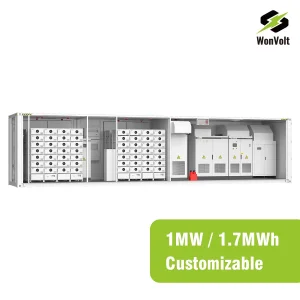
To prevent grid strain at remote highway stops, our 1MW/2MWh BESS acts as a buffer. It draws power from local solar arrays during peak solar hours and discharges it at high currents to charge passenger EVs and electric buses without overloading the local grid.
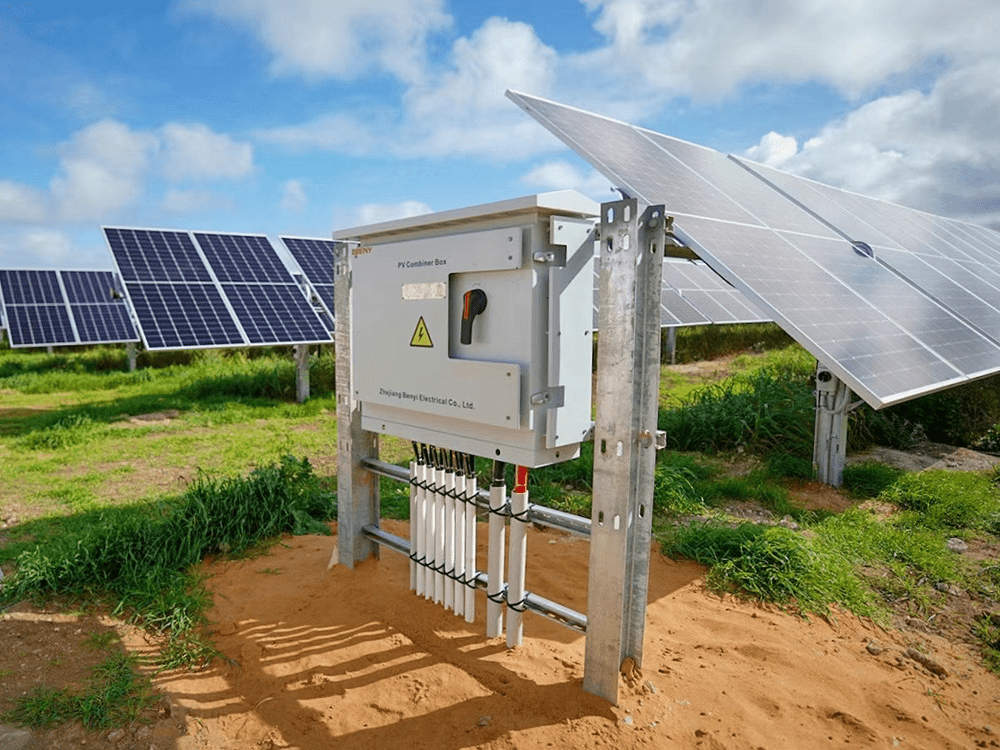
For global EPC contractors, Namibian property developers, and local electrical installers, procurement costs and manufacturing customization are crucial to project feasibility. Importing directly from our advanced production facilities in Dongguan, China, offers significant cost and technical advantages:
Installing commercial EV chargers in Namibia requires strict adherence to local grid codes and international electrical standards. Key technical compliance factors include:
High-power DC fast chargers can inject harmonics into the local grid, potentially causing voltage instability. Our systems feature active power factor correction (PFC) and harmonic filters to maintain total harmonic distortion (THD) below 5%, in compliance with NamPower’s Grid Code requirements.
To prevent overloading local sub-distribution transformers during peak charging periods, our chargers incorporate real-time dynamic load balancing. The stations adjust charging currents dynamically based on real-time building demand and overall grid capacity.
Namibia’s coastal desert locations (e.g., Walvis Bay) experience high ambient salt concentration and humidity, while inland regions encounter high dust levels and temperatures exceeding 45°C. Our outdoor enclosures feature IP65-rated sealing and C5-M anti-corrosion protection. Liquid cooling systems are also available to ensure optimal operating temperatures.
Reliable earthing is essential in sandy, low-conductivity soils. Our charging systems include integrated residual current devices (Type B RCD), overvoltage/undervoltage protection, and advanced surge protection devices (SPD) to safeguard vehicles and equipment during lightning events.
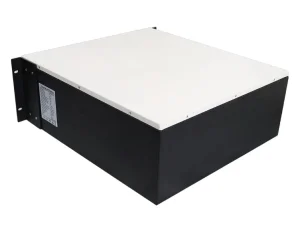
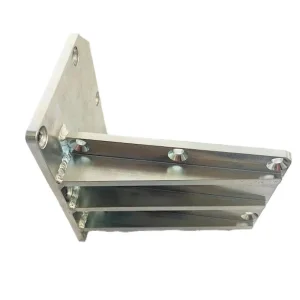
Select from our full line of commercial, industrial, and residential charging and energy storage hardware. All systems are engineered to withstand high UV levels, dust, and demanding environmental conditions.
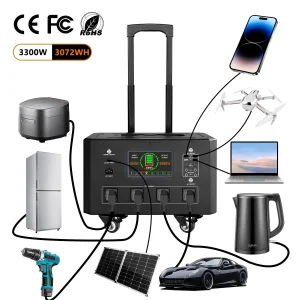

Key technical details regarding the importation, compliance, configuration, and maintenance of EV charging infrastructure in the Namibian market.
Partner with Dongguan Voltra Charger Co., Ltd. for direct factory supply, custom metal enclosures, CNC machining, and comprehensive microgrid integration systems. Our engineering team is ready to design a solution tailored to your project requirements.
Send Inquiry Now Voltura Charger