Electric vehicles (EVs) are rapidly gaining popularity, yet users face a significant challenge: charging compatibility. The question of "Why some EV chargers are incompatible with certain vehicles" arises frequently among EV owners. Industry expert Dr. Sarah Lemons, an electrical engineering professor, states, "Incompatibility often stems from different charging protocols used by various manufacturers." This underscores the complexity surrounding EV charging infrastructure.
Many EVs employ distinct charging standards, such as CHAdeMO or CCS. These can limit the types of chargers available to owners. For example, a Nissan Leaf may not connect to a Tesla Supercharger. This restriction could frustrate many drivers seeking a seamless charging experience.
Moreover, manufacturers often prioritize their proprietary systems. This adds layers of complexity for consumers. They are left navigating a landscape filled with incompatible options. While advancements in universal chargers are emerging, the inconsistency still lingers. It's crucial for EV owners to do their research before charging their vehicle. Understanding "Why some EV chargers are incompatible with certain vehicles" can improve the overall ownership experience.
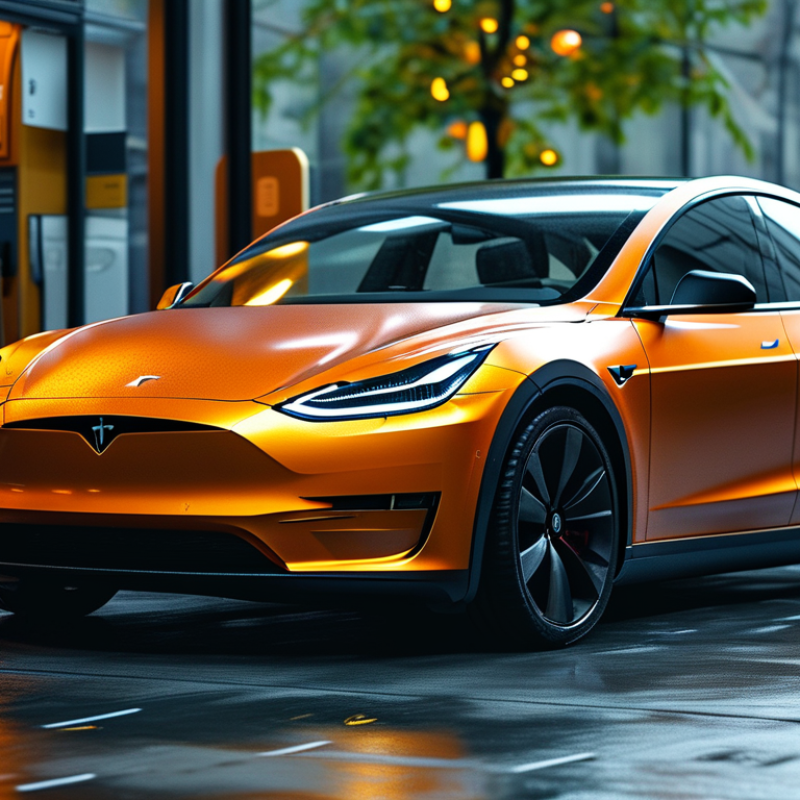
Electric vehicle (EV) chargers come in various types and specifications. The most common are Level 1, Level 2, and DC fast chargers. Level 1 chargers use standard home outlets and can deliver about 2 to 5 miles of range per hour. This type is slow and may not be suitable for everyone. Level 2 chargers, on the other hand, are often found in public spaces. They provide faster charging, typically adding 10 to 60 miles of range per hour. Yet, some EVs may require special adapters to connect with certain Level 2 chargers, leading to compatibility issues.
DC fast chargers stand out with the ability to charge EVs rapidly. They can provide up to 80% charge in just 30 minutes. However, not all EVs accept this type of charging due to different connector standards. This is a common source of frustration for drivers. In addition, the power output of these chargers varies, which can affect charging times. It's essential for drivers to understand their vehicle's charging capabilities and compatibility specifications before relying on public charging infrastructure. Misunderstanding can lead to wasted time and inconvenience. Always check and verify compatibility to avoid unexpected hurdles.
When it comes to electric vehicles (EVs), compatibility between chargers and vehicles is crucial. Different EVs use various connector standards. Not all chargers work with every EV. Knowing your vehicle's charging requirements is essential to avoid frustrations.
Most EVs use the Type 1 or Type 2 connectors. However, some use CCS or CHAdeMO systems. This variance creates challenges for owners. Check which connector type your EV and local chargers support. Sometimes, the wrong charger can lead to incompatibility, causing delays in charging.
Tips: Always keep a portable charger. It can help you stay charged in unforeseen situations. Explore charging apps to find compatible chargers nearby. Contact your vehicle manufacturer for detailed compatibility information. It’s important to stay informed about charging options. Understanding connectors will make your charging experience smoother.
When it comes to electric vehicles (EVs), charging incompatibility can be a frustrating issue. One common reason is the varying connector types. Different EV manufacturers use specific connectors, so a charger may not fit your vehicle. This is prevalent in older models that might not support the latest connector standards. Drivers often face this dilemma at public charging stations with mixed connectors.
Another factor contributing to charging issues is power output variance. Chargers can provide different voltage levels. Some EVs require higher voltage for faster charging, while others may only support lower voltage options. This mismatch can result in slower charging times or, in some cases, ineffective charging. Be mindful that not all chargers are created equal, and knowing your vehicle's specifications can save you time.
Incompatibility may also arise from software limitations. Certain charging stations require app-based authorization or specific software updates from the car’s manufacturer. Without these updates, the charging process may halt unexpectedly. Understanding these technical aspects can help alleviate some frustrations. Staying informed can make your EV experience smoother. Remember, it’s okay to feel frustrated by these challenges; they reflect the evolving nature of electric vehicle technology.
The compatibility of electric vehicle (EV) chargers with specific vehicle makes and models is a significant concern. A
2023 report by the International Energy Agency highlights that 38% of EV owners face
issues with charging infrastructure compatibility. This statistic reflects a growing challenge as the EV market expands.
Different automakers use various charging standards, impacting usability significantly.
The connector types can vary widely. For instance, Tesla uses its unique connector, while others often rely on
Type 1 or CCS standards. According to data from the U.S. Department of Energy, around
87% of public charging stations support CCS or CHAdeMO but may not work with
Tesla vehicles directly. This discrepancy can lead to frustration for drivers who assume all EV chargers function universally.
Vehicle model plays a crucial role too. Older EV models may not support
faster charging methods. A 2022 study indicated that 29% of EV users reported slower
charging times than expected due to compatibility issues. This aspect urges reflection on how the industry can enhance
charger uniformity. As the market evolves, the need for standardized technology becomes increasingly apparent,
demanding solutions that prioritize user experience.
The future of electric vehicle (EV) charging compatibility is evolving rapidly. As the market expands, issues arise with diverse charging standards. According to a recent report by the International Energy Agency, around 30% of public chargers are incompatible with certain EV models. This mismatch can create significant frustration for users.
Innovative solutions are on the horizon. One promising trend is the development of universal charging stations. These stations aim to accommodate multiple vehicle types. The variety of battery technologies requires flexible systems. Hence, manufacturers are investing in smart charging solutions. Reports suggest that 50% of new chargers will incorporate advanced compatibility features by 2025.
However, challenges remain. Current infrastructure is often outdated, lagging in tech advancements. Many stations lack sufficient information on compatibility, leaving users uncertain. This gap highlights the necessity for improved standards and communication across the industry. Stakeholders must collaborate to create a seamless experience for all EV owners. The future of EV charging will depend on bridging these gaps through innovation and unified protocols.
: The main types are Level 1, Level 2, and DC fast chargers. Level 1 is the slowest, using standard outlets.
Level 1 chargers deliver about 2 to 5 miles of range per hour, suitable for overnight charging at home.
Some EVs may need special adapters for Level 2 chargers, which can create compatibility problems at charging stations.
DC fast chargers can provide up to 80% charge in about 30 minutes, but not all EVs are compatible.
Varying connector types and different power output levels often lead to charging issues for drivers, especially with older models.
Mismatched voltage requirements can result in slower or ineffective charging for some EV models.
Some stations require app-based authorization or updates, which can halt the charging process without proper software.
Different automakers use various standards, leading to compatibility concerns, especially for older EV models.
As the EV market expands, improved uniformity in charging technology is essential for a better user experience.
Many drivers find these issues frustrating, reflecting the ongoing challenges in the evolving EV technology landscape.
The article titled "Why Some EV Chargers Are Not Compatible with Your Vehicle?" explores the complexities surrounding electric vehicle (EV) charging compatibility. It begins by outlining the different types of EV chargers and their specifications, emphasizing the importance of understanding EV connector standards. The discussion highlights common reasons for charging incompatibility, such as varying charging speeds and connector types.
Moreover, the impact of vehicle make and model on charger usability is examined, illustrating how certain vehicles may require specific chargers. As the EV market evolves, the article also addresses future trends in compatibility solutions that aim to streamline the charging experience. Ultimately, it sheds light on why some EV chargers are incompatible with certain vehicles, underscoring the need for consumers to be informed about their charging options.

Voltura Charger