How Does Vehicle to Grid Technology Work and Benefit Buyers?

Time:2026-05-09 Author:Isabella
0%

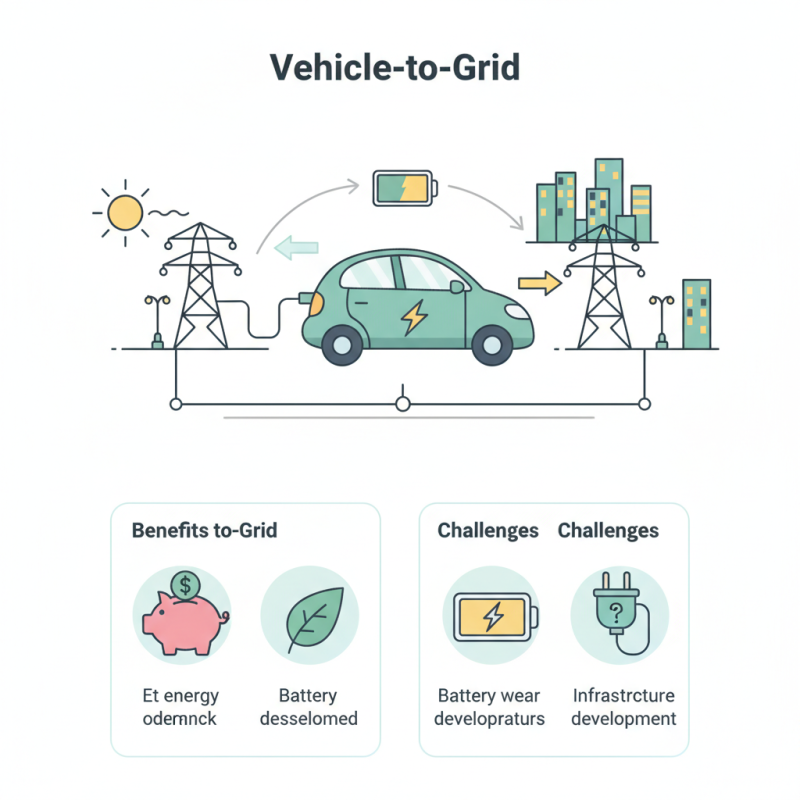
Vehicle-to-grid (V2G) technology is an innovative approach that connects electric vehicles to the power grid. This system allows electric vehicles to act as mobile energy storage units. When considering "how does vehicle-to-grid technology work," it becomes clear that the integration of EVs into energy systems can create a win-win scenario for both buyers and utilities.

As more people adopt electric vehicles, the demand for efficient energy management grows. V2G technology aids in managing this demand. It enables cars to store excess energy during low demand periods and supply it back to the grid when needed. This not only enhances grid stability but also offers financial incentives for EV owners. However, it’s important to recognize the challenges involved. Public awareness and infrastructure development are crucial for widespread adoption.

Participation in V2G programs can lead to cost savings. EV owners can benefit from reduced energy costs or even earn money by selling energy back to the grid. But potential buyers should weigh the benefits against the limitations. For example, charging and discharging cycles can affect a vehicle's battery life. Thus, understanding V2G technology is essential for making informed decisions about the future of electric vehicle ownership.
How Does Vehicle to Grid Technology Work and Benefit Buyers?

Understanding Vehicle to Grid (V2G) Technology Fundamentals

Vehicle to Grid (V2G) technology allows electric vehicles (EVs) to communicate with the power grid. This interaction empowers EVs to discharge energy back into the grid during peak demand. Such a bidirectional flow of energy benefits both owners and the overall energy system.

This technology functions through a network of chargers equipped with smart technology. These chargers can regulate the flow of electricity. When demand is high, energy stored in EV batteries can be sold back to the grid, generating income for owners. When demand is low, EVs can charge at a lower cost.

Tips: Monitor your EV's battery level regularly. Know when your region has peak demand hours. This knowledge can maximize your earnings from V2G.

Understanding V2G also involves recognizing its challenges. Initial investments in compatible infrastructure can be high. There may also be concerns about battery degradation. However, careful planning and usage can mitigate these drawbacks, leading to a more sustainable energy future.

Tips: Research local incentives for V2G participation. These can significantly offset setup costs. Engage with user communities to share experiences and enhance your understanding of this evolving technology.

How Vehicle to Grid Technology Integrates Electric Vehicles with Power Grids

Vehicle to Grid (V2G) technology represents a transformative approach to energy management. By connecting electric vehicles (EVs) to the power grid, these vehicles can store and supply energy back to the grid when needed. This integration creates a dynamic energy ecosystem. According to a report by the International Energy Agency, there could be up to 145 million EVs on the road by 2030, suggesting a significant potential for V2G utilization.


The efficiency of this system lies in its dual function. EVs can charge during off-peak hours when electricity demand and prices are lower. Conversely, during peak hours, they can discharge stored energy to support grid stability. A study by the National Renewable Energy Laboratory indicates that implementing V2G systems could reduce peak electricity demand by 10-20%. This reduction is essential for minimizing the need for additional power plants and associated environmental impacts.


However, challenges exist in the V2G model. Incentives for consumers to participate are still not fully established. Moreover, the technology requires robust infrastructure upgrades. These factors may slow down widespread adoption. As stakeholders work through these issues, the full potential of V2G remains to be realized. The foresight is clear, yet the path is intricate and demands collaborative effort.

The Mechanisms of Energy Exchange in V2G Systems

Vehicle to Grid (V2G) technology enables electric vehicles (EVs) to interact with the power grid. This system allows energy transfer between the EV battery and the grid. When demand peaks, these vehicles can send stored energy back to the grid. Conversely, during low demand periods, EVs can charge from the grid. This bidirectional energy flow enhances grid reliability.

For homeowners, V2G systems can lower electricity bills. Drivers can sell excess energy back to the grid, providing an additional revenue stream. More importantly, this technology encourages the use of renewable energy sources. Solar and wind energies can be stored in EVs, smoothing out variability in power generation.

Tip: Consider your charging habits. If you usually charge at night, V2G can offer significant savings. Analyze your energy usage patterns to maximize benefits from V2G technology.

Nevertheless, the adoption of V2G still faces challenges. The technology requires infrastructure upgrades and regulatory changes. Many users hesitate due to current market conditions. Understanding these complexities is vital for potential participants in this innovative energy exchange system.

Impact of V2G Technology on Energy Costs and Consumer Savings

Vehicle-to-Grid (V2G) technology offers a promising approach to energy management. By allowing electric vehicles (EVs) to send energy back to the grid, it creates a two-way communication system. This technology helps balance supply and demand. Consumers can store energy during low-demand times and contribute during peak hours. The result? Potential savings on electric bills.

Adopting V2G technology could significantly lower energy costs for users. When drivers charge their EVs during off-peak hours, they benefit from lower electricity rates. During peak times, they can sell energy back at higher prices. This flexibility provides an opportunity to earn or save money. However, users should consider the wear and tear on their vehicle’s battery. Frequent charging and discharging may reduce battery lifespan.

Some homeowners may be hesitant about V2G due to limited understanding or concerns over reliability. Educating consumers about this technology is crucial. As awareness grows, more buyers may embrace the benefits of V2G. The potential for energy savings and environmental impact is notable. However, it raises questions about consumer trust and battery maintenance. Addressing these issues will be essential for widespread adoption.

Impact of Vehicle to Grid Technology on Energy Costs and Consumer Savings

The chart above illustrates the financial impact of Vehicle to Grid (V2G) technology on energy costs and consumer savings. It shows the annual electricity savings, energy stored, total savings, and initial investment costs, giving a clear overview of how V2G technology can benefit buyers financially.

Environmental Benefits of Vehicle to Grid Solutions for Buyers

Vehicle to Grid (V2G) technology holds significant promise for environmentally conscious buyers. By allowing electric vehicles (EVs) to not only draw power but also return energy back to the grid, this technology fosters a more sustainable energy ecosystem. Recent studies indicate that integrating V2G solutions can reduce greenhouse gas emissions by up to 50 million metric tons annually. Such a decrease presents a crucial opportunity to combat climate change effectively.

This technology provides a dual benefit for buyers. First, it enhances energy efficiency. When EVs supply surplus power during peak demand, reliance on fossil fuel power plants diminishes. This transition results in cleaner air and a healthier environment for communities. Moreover, buyers can potentially earn money by selling back energy during high-demand periods, creating a financial incentive for adopting EVs and V2G systems.

However, challenges remain. The initial infrastructure costs can be high. Some users may face difficulties integrating home charging systems with grid requirements. Continuous upgrades to energy policies are needed to fully realize V2G's environmental benefits. As the market evolves, buyers should stay informed about the latest advancements and potential regulatory changes that may affect their investment.

How Does Vehicle to Grid Technology Work and Benefit Buyers?

Feature Description Environmental Benefit Financial Benefit
Energy Storage EVs store excess energy and supply it back to the grid during peak hours. Reduces reliance on fossil fuels and lowers greenhouse gas emissions. Earns compensation for energy supplied back to the grid.
Peak Load Management Balances demand and supply on the electric grid. Minimizes the need for additional power plants, preserving resources. Lower electricity bills through demand responses incentives.
Renewable Energy Optimization Stores energy generated from renewable sources such as solar and wind. Increases the share of clean energy in the grid. Potential for incentives for owning electric vehicles.
Grid Stability Provides backup power and stabilizes the grid during outages. Enhances reliability of the local energy supply. Reduces costs associated with outages and service interruptions.

FAQS

: What is Vehicle to Grid (V2G) technology?

: V2G technology connects electric vehicles to the power grid, allowing energy storage and supply back to the grid.

How can V2G benefit electric vehicle owners?

Owners can lower electricity bills by selling excess energy back to the grid, creating an additional income source.

When is the best time to charge an electric vehicle?

Charging during off-peak hours, usually at night, can provide significant savings with V2G systems.

What environmental impact does V2G have?

V2G helps minimize reliance on additional power plants, which reduces environmental impacts and promotes renewable energy.

What challenges does V2G technology face?

Key challenges include the need for infrastructure upgrades and establishing consumer incentives for participation.

How does V2G improve grid reliability?

V2G allows vehicles to send stored energy back to the grid during peak demand, stabilizing the energy supply.

Is V2G widely adopted yet?

No, its adoption is still limited. Many users hesitate due to market conditions and the need for regulatory changes.

How can I analyze my energy usage patterns?

Monitor your charging times and usage to determine the best habits to maximize V2G benefits.

What role do renewable energy sources play in V2G?

V2G can store energy from renewables like solar and wind, helping smooth out generation variability.

Why is it important to understand V2G complexities?

Understanding V2G's challenges and benefits is crucial for potential participants to navigate this innovative energy system.

Conclusion

Vehicle-to-grid (V2G) technology is revolutionizing the way electric vehicles (EVs) can interact with power grids. At its core, the technology allows electric vehicles to not only draw energy from the grid for charging but also to return energy back to the grid, thereby acting as mobile energy storage units. This bidirectional flow of electricity involves smart communication between EVs and grid operators, enabling efficient management of energy supply and demand.

How does vehicle-to-grid technology work? It uses advanced systems to monitor energy levels and regulate the flow based on grid requirements and vehicle battery status. The implementation of V2G technology can lead to significant consumer savings by optimizing energy costs, particularly during peak demand periods. Additionally, by facilitating the integration of renewable energy sources, V2G solutions contribute positively to environmental sustainability, reducing reliance on fossil fuels and lowering greenhouse gas emissions.

Isabella

Isabella

Isabella is a dedicated marketing professional with a sharp focus on driving brand growth and engagement through strategic content creation. With an extensive background in digital marketing, she combines her passion for storytelling with her keen understanding of industry trends to deliver......