How to Upgrade Old EV Chargers for Better Performance?

Time:2026-07-15 Author:Henry
0%

In an era where electric vehicles (EVs) are increasingly popular, the need to optimize old EV chargers is paramount. Many users may wonder, "How to upgrade old EV chargers?" According to Dr. Sarah Mitchell, a leading expert in renewable energy technology, “Upgrading existing chargers can significantly enhance efficiency and user experience.”

Today’s EVs demand more from their infrastructure. Many older chargers lack the technology to support faster charging or energy management features. Improvements can make these chargers more user-friendly and efficient. For instance, integrating smart technology can monitor usage patterns and adapt charging speeds accordingly.

However, not all upgrades are straightforward. Some users may face compatibility issues or high costs. Upgrading older chargers requires careful consideration of both the technology and the investment involved. Reflecting on these challenges can lead to better decision-making and improved charging solutions in the long run. As we explore how to upgrade old EV chargers, it's crucial to acknowledge these complexities for a more sustainable future.
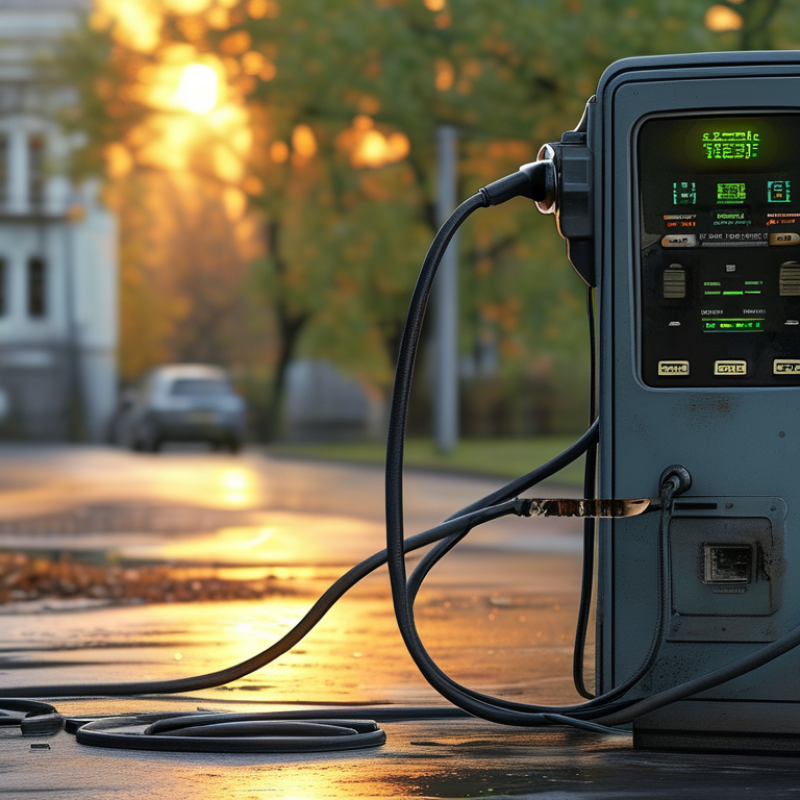
How to Upgrade Old EV Chargers for Better Performance?

Assessing the Current Performance of Old EV Chargers

Assessing the current performance of old EV chargers is critical for enhancing their efficiency. Many older models struggle with slow charging speeds. According to a recent industry report, only 30% of aging chargers meet modern standards for power output. This can result in driver frustration and longer wait times at charging stations.


Additionally, the compatibility of old chargers with current EV models can be an issue. Many older units lack the necessary software updates, which leads to reduced functionality. Experts estimate that outdated chargers can reduce charging efficiency by up to 25%. This not only affects the user experience but also hinders the growing need for accessible charging solutions.


Understanding the limitations of current chargers is essential. Many users are unaware of how charging time and efficiency can impact their daily routine. Regular assessments can reveal the need for upgrades or replacements. Charging infrastructure should adapt to technological advancements to remain useful. Detailed data from recent studies suggest a shift towards modernized solutions can improve user satisfaction significantly. Addressing these shortcomings is vital for a sustainable EV future.

Identifying Common Limitations of Aging EV Charging Technology

As electric vehicle (EV) adoption rises, older EV chargers show glaring limitations. Common issues include low charging speeds and compatibility problems. Data from the International Energy Agency indicates that many legacy chargers only support Level 2 charging, which can take hours to fully charge a vehicle. In contrast, newer DC fast chargers can reduce this time to a mere 30 minutes.

Tech specs of older chargers often fail to meet current standards. For instance, many older models lack the necessary connector types or power output required for newer EVs. A report by the U.S. Department of Energy highlighted that only 16% of public charging stations were compatible with the latest EV models. This gap can discourage potential users and slow down the transition to electric mobility.

Moreover, infrastructure challenges persist. Many older chargers are stationed in inconvenient locations. Studies reveal that 40% of users report difficulty finding a nearby charging station. This lack of accessible, efficient charging options can lead to range anxiety, impacting overall EV uptake. Upgrading to modern technology is not just a technical requirement but a pivotal step toward a sustainable future in transportation.

Exploring Modern Upgrading Options for EV Charger Hardware

Upgrading old EV chargers can significantly enhance their performance. Many existing chargers struggle with outdated technology. The latest models offer faster charging times and better energy efficiency. According to a report by the International Energy Agency, EV sales surged by 43% in 2020 alone. This rise in adoption creates a greater demand for reliable charging solutions.

Modernizing charger hardware presents various options. Integrating smart technology is one effective approach. Features such as remote monitoring and load balancing can optimize energy distribution. These upgrades can lead to a reduction in energy costs and longer battery life for electric vehicles. However, not all older systems can accommodate these changes. This limitation can force users to consider a complete replacement rather than a simple upgrade.

Another key aspect is the compatibility of charging stations with different EV models. The transition from Type 1 to CCS connectors illustrates this challenge. Some older chargers may not support current charging standards. Users need to assess their systems carefully. A little reflection on existing hardware configurations can prevent unnecessary expenses later. Choosing the right upgrading route can drive efficiency and maintain competitiveness in this rapidly evolving sector.

Upgrading Old EV Chargers: Performance Improvement Analysis

Implementing Software Upgrades for Enhanced Charging Efficiency

Upgrading old EV chargers can significantly impact their performance and efficiency. Many EV chargers operate with outdated software. By implementing software upgrades, users can optimize charging times and reduce energy waste. A clean user interface helps track energy consumption easily. This data empowers users to make informed decisions.

However, the upgrade process isn't always straightforward. Compatibility issues may arise, especially with older hardware. Users might find that not all features are supported. Regular updates can lead to bugs that require additional troubleshooting. Ensuring a reliable connection to the internet is crucial for seamless updates.

Testing the upgraded system post-implementation is equally important. Monitoring the performance can reveal enhancements and issues alike. Users should remain vigilant for any signs of reduced efficiency. It’s essential to stay proactive about maintenance. Being aware of potential pitfalls can aid in making the upgrade process smoother.

Ensuring Safety and Compliance During the Upgrading Process

When upgrading old EV chargers, ensuring safety and compliance is crucial. According to a recent industry report by the International Electrotechnical Commission, over 30% of charging stations fail to meet current safety standards. This statistic underscores the necessity of evaluating existing units before any upgrades. Each charger must comply with local and national electrical codes. Navigating these regulations can be daunting. Proper analysis can prevent costly penalties.

The performance of EV chargers can improve significantly through upgrades, but safety must never be compromised. Research from the Electric Power Research Institute shows that improper installation and outdated systems can lead to electrical fires. Regular inspections are vital. Technicians should assess the load capacity and ensure all components are certified. Additionally, integrating advanced safety features, such as ground fault protection, can enhance user safety.

Documentation also plays a key role in compliance. Each upgrade must be meticulously recorded, detailing new installations and tests performed. Maintaining these records helps in demonstrating compliance during inspections. While striving for better performance, avoid overlooking these critical elements. Careful planning and execution are essential in the upgrading process.

How to Upgrade Old EV Chargers for Better Performance? - Ensuring Safety and Compliance During the Upgrading Process

Upgrade Component Purpose Safety Standards Compliance Check Estimated Cost
New Charging Port Enhance charging speed UL 2202 Visual Inspection $500
Smart Controller Remote monitoring capabilities IEEE 2030.1.1 Software Update Check $300
Enhanced Circuit Breaker Increased electrical safety NEC 625 Compliance Certification $200
Firmware Update Improved functionality ISO 9001 Version Check $100
Physical Retrofitting Infrastructure upgrade IEC 61851 Site Review $800

FAQS

: What are the main issues with old EV chargers?

: Old EV chargers often have slow charging speeds and compatibility issues with newer EV models.

How much of old chargers meet current performance standards?

Only about 30% of aging chargers meet modern power output standards, causing longer wait times.

Why is compatibility a concern with older chargers?

Many older units lack necessary software updates, reducing charging efficiency by up to 25%.

What is the impact of slow charging times on users?

Slow charging can frustrate users and disrupt daily routines, making access to charging challenging.

What percentage of public charging stations are compatible with new EVs?

Only 16% of public charging stations fully support the latest EV models, which can discourage users.

How can upgrading chargers enhance performance?

Upgrading can lead to faster charging times and better energy efficiency, addressing the rise in EV adoption.

What smart technology features can help improve old chargers?

Features like remote monitoring and load balancing can optimize energy distribution and reduce costs.

What happens if an old system can't be upgraded?

If upgrades are not possible, users may need to consider a complete replacement of their charging systems.

Why is location important for charging stations?

Many chargers are in inconvenient locations, making it hard for users to find accessible stations.

How can assessing current chargers help users?

Regular assessments can reveal the need for upgrades or replacements, improving overall charging experiences.

Conclusion

Upgrading old EV chargers is essential for enhancing their performance and efficiency. To effectively tackle the challenge of how to upgrade old EV chargers, one must first assess the current performance of these aging devices, identifying common limitations such as slow charging speeds and compatibility issues. By exploring modern upgrading options for both hardware and software, users can significantly improve charging efficiency. This includes implementing the latest technology upgrades and optimizing software to ensure quicker and safer charging experiences.

Furthermore, attention to safety and compliance during the upgrading process is paramount. Ensuring that all upgrades meet current standards will not only enhance the performance of the chargers but will also guarantee the safety of users. By following these steps, one can efficiently address the essential question of how to upgrade old EV chargers for better performance and longevity.

Henry

Henry

Henry is a dedicated marketing professional with a profound expertise in the company's offerings. With years of experience in the industry, he possesses an impressive understanding of the market dynamics and consumer behaviors that drive success. Henry is committed to sharing his insights through......