How to Troubleshoot Common EV Charging Issues?

Time:2026-05-31 Author:Madeline
0%

As electric vehicles (EVs) continue to gain popularity, understanding common charging issues is essential for users. According to recent statistics from the International Energy Agency, over 10 million electric cars are now on the road worldwide. However, many owners face challenges when charging their vehicles. How to troubleshoot EV charging issues is a pressing concern.

Many EV users report problems such as slow charging times or failure to connect. These issues can lead to frustrations and range anxiety. A study by the U.S. Department of Energy reveals that nearly 30% of EV owners experience complications with their charging equipment. This highlights the need for clear guidance on resolving these problems effectively.

The significance of proper diagnostics cannot be overstated. Professional advice often points to simple solutions that users may overlook. For instance, checking compatibility with charging stations or ensuring the cable is not damaged can resolve many concerns quickly. Understanding how to troubleshoot EV charging issues empowers users, enhancing their overall experience and reducing downtime.
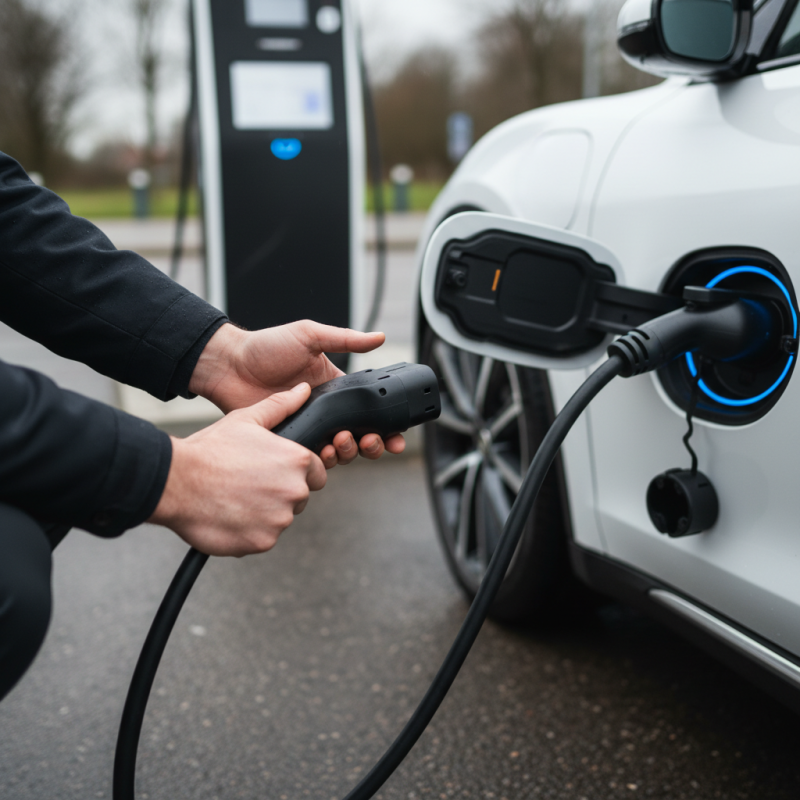
How to Troubleshoot Common EV Charging Issues?

Understanding Electric Vehicle Charging Basics

Understanding electric vehicle (EV) charging is essential for all users. Electric vehicles draw power from charging stations, which can vary in type and speed. Knowing the basics can help you troubleshoot common issues. You might face connection problems or slow charging rates. Sometimes, you may need to adjust your expectations.

Tips: Always check the compatibility of your charging cable. Using the right connector type is crucial. A mismatched connector can disrupt the charging process.

Understand the difference between Level 1 and Level 2 chargers. Level 1 uses standard household outlets, while Level 2 requires special installations. Charging can take hours with Level 1, creating potential frustration for users.

Tips: Maintain regular checks on your charging station. Dust and dirt can accumulate and affect performance. A clean charging port ensures better connectivity.

Be ready for unexpected delays. Sometimes, charging stations are busy or malfunctioning. Patience and preparation can save you from stress during your journey.

How to Troubleshoot Common EV Charging Issues?

Issue Possible Causes Solutions
Charging Station Not Responding Power outage, Connection issues Check power connection, Try different station
Slow Charging Speed Low power supply, Vehicle settings Switch to faster charger, Adjust settings
Connector Issues Dirt or debris, Damaged connector Clean connector, Inspect for damage
Error Messages on Display Software glitch, Compatibility issues Restart charger, Check compatibility
Vehicle Not Charging Battery issues, Faulty charger Inspect vehicle battery, Try another charger

Identifying Common Charging Problems

Identifying common charging problems can save electric vehicle (EV) owners time and frustration. One frequent issue is the charging station not recognizing the vehicle. This often stems from a faulty connector or incompatible charging station. Inspect both the connector and the vehicle's charging port. Dirt or debris can also prevent a successful connection.


Another common problem arises when the EV charges slowly. This could indicate a weaker power source or an issue within the vehicle itself. Check if you're using a standard outlet or a dedicated charger. Sometimes, the charging cable may be worn out. Look for any signs of fraying or damage.


Lastly, some users report their EV fails to charge at all. This can be disheartening. In many cases, it relates to the vehicle's battery management system. A reset might be necessary. However, if charging issues persist, it may require professional diagnostics. Regularly inspecting the charging components can prevent many of these problems from occurring. Making an effort to understand these issues helps in effectively managing your EV experience.

Step-by-Step Troubleshooting Techniques

Electric vehicle (EV) owners may face various charging issues. Understanding how to troubleshoot these issues can save time and money. According to the California Energy Commission, over 30% of EV owners reported problems with charging infrastructure. This indicates a significant need for effective troubleshooting.

Start by checking the power source. Ensure the outlet is functional and delivering the correct voltage. Use a multimeter if necessary. If the outlet is working, inspect the charging cable for damage. A frayed or broken cable can lead to inconsistent charging. If these initial checks don’t solve the issue, it’s essential to reset the EV's onboard charger. This is often a simple fix that resolves many common problems.

Another area to examine is the EV software. Regular updates are crucial for efficient charging. Studies show that outdated software can affect charging speed and reliability. Consult the user manual for instructions on how to perform updates. Additionally, reviewing any error codes displayed on the EV dashboard can provide insights into specific issues. Remember, effective troubleshooting requires patience and a systematic approach. Each issue offers a chance to learn and improve your EV ownership experience.

When to Seek Professional Help

When it comes to troubleshooting EV charging issues, recognizing when to seek professional help is crucial. If your car isn’t charging at all, inspect the connector and charging station. Sometimes, a loose connection or dirt can create a barrier. Yet, if the issue persists after basic checks, it's wise to consult an expert.

Strange noises or burning smells during charging are red flags. These signs may indicate underlying electrical issues that could worsen. It’s not just inconvenient; it can be dangerous. Professional technicians can diagnose these problems accurately, ensuring safety and reliability. Trustworthy experts possess the knowledge to handle complex issues that go beyond simple fixes.

If you notice inconsistent charging times, consider reaching out for help. This could signal battery problems or software issues in the vehicle. Attempting to decipher complex electronic systems alone may lead to more confusion. A trained professional can provide the necessary insights. Regular maintenance checks by an expert can prevent minor issues from escalating into bigger concerns.

Common EV Charging Issues and Their Frequency

Maintaining Your EV Charging Equipment

Maintaining your EV charging equipment is crucial for optimal performance. Regular checks can prevent malfunctions. Research by the International Council on Clean Transportation (ICCT) indicated that 20% of EV charging stations experience technical issues annually. This underscores the importance of routine maintenance.

Inspect cables and connectors for wear. Replace any damaged components promptly. Corroded connections can lead to uneven power transfer. The U.S. Department of Energy reports that weather conditions can affect charging efficiency. Keeping your equipment sheltered from harsh elements may increase reliability.

Monitoring your charging system is essential. Software updates can fix bugs and enhance functionality. However, updates may sometimes cause unexpected issues. Users should keep a log of any irregular behavior. This record can help technicians diagnose problems efficiently. Regular maintenance checks lead to longer equipment life and optimal charging speeds.

FAQS

: What should I do if my EV is not recognized at a charging station?

: Inspect the connector and the vehicle's charging port for dirt or damage. Ensure compatibility with the charging station.

Why is my electric vehicle charging slowly?

Slow charging may indicate a weaker power source or a worn charging cable. Check for fraying or damage.

What can cause my EV to fail to charge entirely?

This issue may relate to the battery management system. A reset could help, but seek professional diagnostics if problems persist.

When should I seek professional help for charging problems?

If basic checks don’t resolve the issue, consult an expert, especially for persistent problems or strange noises.

What signs should prompt immediate professional assistance?

Burning smells or strange noises during charging are red flags. These could indicate serious electrical issues.

How can inconsistent charging times affect my EV?

This may signal battery problems or software issues. Consulting a professional can provide clarity and necessary interventions.

Conclusion

When it comes to electric vehicles, understanding the basics of EV charging is crucial for successful operation. In "How to Troubleshoot Common EV Charging Issues," the article outlines the common problems that drivers may face, such as faulty connections or inadequate charging speeds, and offers a practical approach to identify these issues. It also provides step-by-step troubleshooting techniques, emphasizing systematic checks that users can perform to resolve common charging dilemmas.

Additionally, the article highlights the importance of knowing when to seek professional help if problems persist, ensuring that users do not compromise their vehicle's performance or safety. Lastly, maintaining your EV charging equipment is discussed to prevent issues from arising in the first place. By following these guidelines, readers can become proficient in how to troubleshoot EV charging issues and ensure a smooth charging experience for their electric vehicles.

Madeline

Madeline

Madeline is a dedicated marketing professional with a wealth of expertise in our company's core offerings. With a keen understanding of the industry, she brings a unique perspective to her role, consistently delivering high-quality content that highlights the superior aspects of our products. As......