What Trends Are Shaping the Future of EV Charging?

Time:2026-07-20 Author:Amelia
0%

The electric vehicle (EV) charging landscape is evolving rapidly. Insights from industry experts reveal key trends driving this change. One such expert, Dr. Emily Roberts, stated, "Innovation in charging technology is crucial for widespread EV adoption." Her words resonate with current developments in the sector.

Observing the current dynamics, several pivotal trends emerge. For one, the push for faster charging solutions is accelerating. High-power chargers are becoming a norm, reducing wait times significantly. Additionally, charging infrastructure is expanding, reaching more urban and rural areas. This effort supports the growing number of EVs on the road.

However, challenges remain. The implementation of uniform standards for charging systems is still a topic of discussion. Other issues include the need for better grid management as more charging stations come online. Addressing these concerns will shape what trends are shaping the EV charging industry. Stakeholders must reflect on these challenges to pave the way for a sustainable EV future.
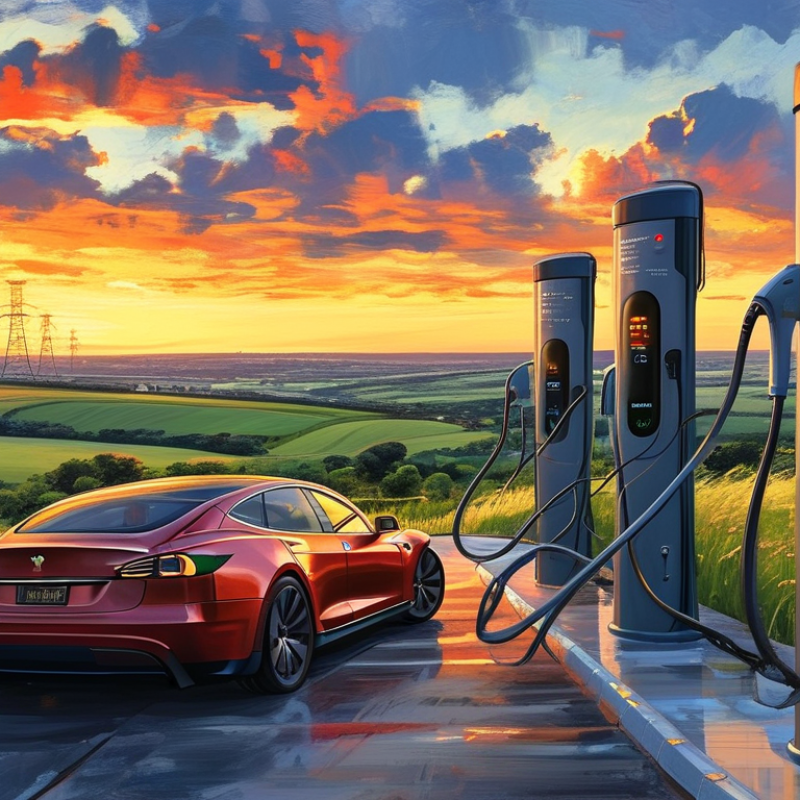
What Trends Are Shaping the Future of EV Charging?

Emerging Technologies in EV Charging Infrastructure

The future of EV charging is leaning heavily on emerging technologies in infrastructure. Innovations such as ultra-fast charging stations are making electric vehicles more accessible. These stations can power a car within 15 minutes, rivaling traditional refueling times. As cities expand their EV networks, the focus is on integrating renewable energy sources into charging stations.

Tips: Always check charging station availability before your trip. Apps can help you find the nearest locations and avoid delays.

Smart grid technology is another game-changer. It allows charging stations to communicate with the grid, optimizing energy distribution. This leads to lower costs and increased use of clean energy. However, challenges remain in ensuring that all vehicles can access these stations effectively.

Tips: Consider installing a home charging setup. It provides convenience and encourages use of green energy during off-peak hours.

As the landscape evolves, the need for standardization becomes evident. Different charging protocols can confuse users. Collaboration among manufacturers and service providers is essential for a seamless experience. Emerging technologies may promise faster solutions, but consistency is crucial for long-term success.

Trends Shaping the Future of EV Charging Infrastructure

The Role of Renewable Energy in EV Charging Stations

As electric vehicle (EV) adoption accelerates, the importance of renewable energy in EV charging stations becomes more pronounced. Integrating solar or wind energy into charging infrastructure can significantly decrease greenhouse gas emissions. This shift not only reduces reliance on fossil fuels but also enhances energy security.

Tips: Consider installation options. Solar panels on charging stations can provide on-site energy. This approach reduces operating costs and fosters sustainability. Wind turbines could serve similar purposes in appropriate locations.

The transition to renewable energy sources is not without challenges. Many charging stations remain connected to the traditional grid, which might still rely on non-renewable energy. It raises questions about the true environmental impact of EVs. There's a clear need for innovation and improved technologies to ensure that charging facilities primarily use clean energy.

Tips: Explore energy storage solutions. Batteries can store energy generated from renewables for those times when sunlight or wind is scarce. This innovation can optimize energy use and improve reliability for EV drivers.

User Experience Innovations in Charging Solutions

The user experience in electric vehicle (EV) charging is rapidly evolving. A recent report from the International Energy Agency noted that global EV sales reached 6.6 million units in 2021, highlighting a growing demand for accessible and efficient charging solutions. Users are seeking convenience. Mobile apps that show real-time charging station availability are becoming popular. Having accurate information helps drivers locate stations with ease.

Offering multiple payment options is crucial in enhancing the user experience. A study by the EV Charging Association found that drivers prefer seamless transactions, minimizing wait times at charging stations. However, issues like long charging times can create frustration. Innovations, such as faster charging technologies, promise to address this. Companies are exploring ultra-fast charging stations that can deliver a significant charge in just a few minutes.

Tip: Always check user reviews for feedback on charging locations. They can provide insights into reliability and usability.

Furthermore, the integration of smart technology plays a vital role. Many drivers appreciate features like reservation systems and notifications when charging is complete. These innovations make the charging process smoother. However, the complexity of some digital interfaces can deter users. Companies must prioritize user-friendly designs as they develop these technologies.

Tip: Consider practicing patience. The experience may not always be perfect, but advancements are underway.

Government Policies and Incentives for EV Charging Development

Government policies play a crucial role in shaping the future of EV charging infrastructure. Various incentives encourage businesses and homeowners to invest in charging stations. Grants and tax credits can significantly lower the costs involved. These initiatives help stimulate growth in the EV sector. More charging stations lead to increased adoption of electric vehicles.

Local governments are also setting ambitious targets for charging infrastructure. Many cities plan to install numerous charging points over the next decade. This will not only make EVs more appealing but will also increase convenience for users. Sometimes, the rollout can be uneven, which causes frustration. Some areas may lack sufficient charging options, leading to anxiety for potential EV owners.

Tips: Check local incentives. Knowing what’s available in your area can help you save. Engage with community forums to understand experiences of current EV users. Their insights can guide your decision. Visit local energy offices to get the latest on upcoming policies that could benefit you. This could offer unexpected opportunities for savings and convenience.

The Impact of Urban Planning on EV Charging Network Accessibility

Urban planning plays a crucial role in shaping the accessibility of electric vehicle (EV) charging networks. As cities grow, the need for efficient charging stations becomes more pressing. Properly designed infrastructure can significantly enhance the convenience of charging for EV owners. Many urban areas still lack sufficient charging points, leading to frustration among drivers.

Effective planning should consider the distribution of charging stations in high-traffic zones and residential areas. This means placing chargers near popular destinations such as shopping centers or workplaces. When charging stations are conveniently located, EV adoption may increase. In contrast, poorly planned infrastructure leads to accessibility issues, discouraging potential users.

The integration of public transport hubs with EV charging stations is another critical factor. This encourages seamless transitions between different modes of transport. However, many cities still overlook this connection, missing out on an opportunity for improved sustainability. Urban planners must rethink their approaches to meet the growing demand for EV charging while keeping the evolving urban landscape in mind. Addressing these challenges requires collaboration between various stakeholders, including government, businesses, and community members.

FAQS

: What advancements are being made in EV charging stations?

: Ultra-fast charging stations can power a car in 15 minutes. These innovations make electric vehicles more accessible.

How does smart grid technology impact EV charging?

It optimizes energy distribution and reduces costs. Charging stations can communicate with the grid for better efficiency.

What should drivers consider before embarking on a trip with an EV?

Always check the availability of charging stations before your journey. Use apps to locate the nearest options.

Why is there a need for standardization in EV charging?

Different charging protocols can confuse users. Collaboration is essential for a seamless charging experience.

What are some incentives for investing in EV charging stations?

Grants and tax credits can significantly reduce installation costs. These incentives promote growth in the EV sector.

How are local governments contributing to EV infrastructure?

Many cities plan to install numerous charging points. Ambitious targets aim to boost convenience for EV users.

What challenges do potential EV owners face regarding charging?

Some areas may lack sufficient charging options. These gaps can lead to anxiety for prospective electric vehicle owners.

How can individuals benefit from local government incentives?

Engaging with community forums can provide insights. Visiting local energy offices can reveal upcoming policies for savings.

What is a convenient option for EV owners at home?

Installing a home charging setup allows easy access. It encourages the use of green energy during off-peak hours.

What are the potential drawbacks of emerging EV charging technologies?

While they promise faster solutions, consistency is crucial. Ensuring all vehicles access stations effectively remains a challenge.

Conclusion

The landscape of electric vehicle (EV) charging is rapidly evolving, influenced by various trends that promise to shape its future. Key among these is the emergence of innovative technologies in EV charging infrastructure, which are making charging faster and more efficient. Additionally, the integration of renewable energy sources into charging stations not only enhances sustainability but also reduces operational costs. User experience innovations are also playing a crucial role, aiming to simplify the charging process and improve accessibility for all users.

Furthermore, government policies and incentives are pivotal in driving the development of EV charging networks, encouraging investments and fostering collaboration among stakeholders. Lastly, urban planning significantly affects the accessibility and distribution of EV charging stations, ensuring that they are strategically located to serve both residential and commercial needs. In summary, these factors highlight the critical trends shaping the EV charging industry, addressing both current challenges and future demands.

Amelia

Amelia

Amelia is a seasoned marketing professional with a wealth of expertise in our company’s core offerings. With an unwavering passion for driving growth and innovation, she plays a pivotal role in shaping our marketing strategies and enhancing brand visibility. A key aspect of her responsibilities......