Top 5 Tips to Choose the Best EV Charger for Home?

Time:2026-03-20 Author:Madeline
0%

Choosing the right EV charger for home can be overwhelming. With many options available, it's crucial to consider your needs. John Smith, an EV charging expert, states, “The right charger can make or break your electric vehicle experience.”

Understanding how to choose the best EV charger for home involves evaluating various factors. Consider the charging speed, compatibility with your vehicle, and available space. Some people overlook installation requirements, which can lead to unexpected costs and delays. Being mindful of these details will prevent frustration later.

Think about your charging habits too. Do you need a fast charger for quick top-ups, or will a standard option suffice? Sometimes, people choose based on price alone, forgetting about efficiency and durability. Reflect on these aspects to find a charger that truly fits your lifestyle. Making an informed decision matters.
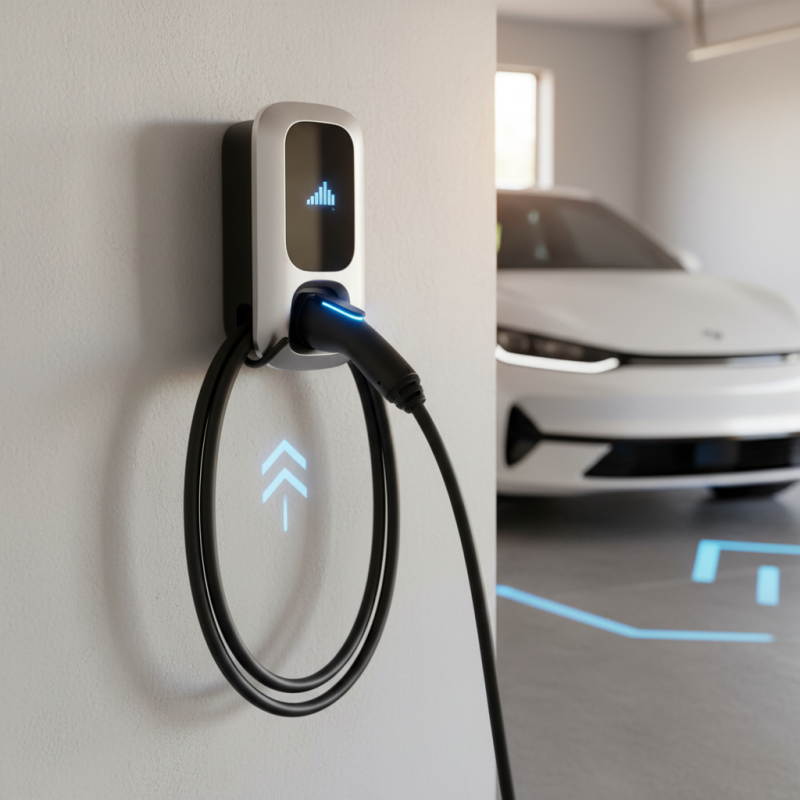
Top 5 Tips to Choose the Best EV Charger for Home?

Understanding Your Home's Electrical System for EV Charging

Understanding your home’s electrical system is crucial for selecting the right EV charger. A reliable EV charger requires adequate power supply. Many residential properties can support Level 1 chargers, drawing about 120 volts. However, this may result in slow charging speeds. More efficient Level 2 chargers need 240 volts, which can charge an EV four to six times faster.

Before installation, check your home’s electrical panel. Many older homes may need upgrades to handle the increased load. A National Renewable Energy Laboratory report states that about 30% of homes require electrical upgrades for optimal EV charger use. Inspecting your home's wiring is also necessary. Faulty wiring can pose safety risks and affect charging efficiency.

Some homeowners might find this assessment daunting. There are many variables in electrical systems. Factors like the age of the home and existing appliances complicate decisions. It’s common to overlook potential issues during the selection process. Engaging a professional can bring clarity but involves additional costs. With proper evaluation, you can ensure a safe and effective charging solution for your EV.

Top 5 Tips to Choose the Best EV Charger for Home

This chart illustrates the important features to consider when choosing the best EV charger for your home. The features include Voltage Level, Charging Speed, Connector Types, Smart Features, and Cost. Each feature plays a crucial role in ensuring that the charger meets your needs effectively.

Evaluating Charging Speed and Power Requirements for Your EV

When choosing a home EV charger, consider the charging speed and power requirements carefully. The speed of a charger is critical for convenience. Level 1 chargers plug into a standard outlet and provide a slower charge. They might need over 24 hours for a full charge. Not ideal for daily use, right?

On the other hand, Level 2 chargers deliver a faster charge. They typically require a dedicated 240-volt outlet. This setup can recharge most EVs overnight. Assessing your vehicle’s battery capacity can guide you in making the right choice.

However, installation costs can add up. You may need to hire an electrician for upgrades. This can lead to unexpected expenses. It’s essential to take time and measure your home’s electrical system. Ensure it can handle the power demand of the charger. Avoid rushing this decision; taking shortcuts might lead to safety hazards or insufficient charging capabilities.

Exploring Different Types of EV Chargers Available for Home Use

When choosing an EV charger for home use, understanding the types available is vital. There are Level 1, Level 2, and DC fast chargers. Level 1 chargers use a standard 120V outlet. They are convenient but take a long time to charge. According to a 2021 report, this level may add about 4-5 miles of range per hour. It’s suitable for users who drive short distances daily.

Level 2 chargers require a 240V outlet. They are faster and can add 10-60 miles of range per hour, depending on the car model. A survey conducted by the Electric Vehicle Association showed that 70% of home EV owners opt for this type due to its efficiency. However, installation costs can be significant.

Tip: Consider your daily driving needs before selecting the charger.

DC fast chargers are less common for home use due to their high installation costs. They can charge an EV to 80% in about 30 minutes. But is it necessary for home use? Many may not require such rapid charging.

Tip: Evaluate your home's power capacity. It may impact your charger choice.

In conclusion, understanding your habits and home infrastructure will guide you in selecting the right EV charger.

Considering Installation Costs and Space Requirements for EV Chargers

When choosing an EV charger for home use, installation costs and space requirements are crucial factors. The type of charger you select can greatly influence the total expense. Level 1 chargers are less expensive, but they charge more slowly. Level 2 chargers offer faster charging but usually require a greater initial investment. It's essential to compare these options based on your budget and charging needs.

Space is another consideration. Assess your garage or parking spot where the charger will be installed. Ensure there is enough room for the charger itself, as well as safe access around it. An awkwardly placed charger can lead to usability issues. Sometimes, homeowners underestimate the space needed. A cramped area may not accommodate the preferred setup effectively, causing the need for adjustments later.

Don’t forget about installation permits and electrical upgrades. Sometimes, your existing electrical system might not support the new charger, leading to unplanned expenses. This often gets overlooked during the initial planning stages, which can cause frustration. It’s wise to consult a professional early on to evaluate these requirements. An expert can help you make informed decisions and prevent future headaches.

Top 5 Tips to Choose the Best EV Charger for Home

Tip Considerations Average Installation Cost ($) Space Requirements (sq ft)
1. Assess Your Power Needs Determine the charging speed required based on vehicle use. 300 - 800 5 - 10
2. Consider the Type of Charger Level 1 vs. Level 2 chargers based on daily usage. 200 - 600 3 - 5
3. Evaluate Installation Location Proximity to your electrical panel and parking spot is key. 200 - 500 2 - 4
4. Check Local Incentives Look for rebates or tax credits for installing EV chargers. 50 - 300 1 - 2
5. Factor in Future Needs Anticipate any potential upgrades or additional vehicles. 400 - 800 5 - 10

Researching Safety Features and Reliable Brands for EV Chargers

When selecting an EV charger for home use, safety features should be a top priority. Look for chargers with built-in protection against overheating and short circuits. These features are critical for preventing potential hazards. Moreover, a charger with a weatherproof design is essential. This ensures it can withstand outdoor conditions without risk of damage.

Reliable brands often have robust customer support and warranty options. Choose a charger that is easy to install, even if you’re not an expert. Some models may look good but can be troublesome over time. You want something durable, not just aesthetically pleasing.

Research customer reviews to gauge trustworthiness. Read about real user experiences. Not all chargers live up to their claims. Some deliver fluctuating performance and can leave you frustrated. Take a moment to consider the specifics. Size can matter too—especially for home setups. Explore options that fit your space without compromising safety or efficiency.

FAQS

: What factors should I consider when choosing an EV charger?

: Focus on charging speed, power requirements, and installation costs. Assess your daily driving needs too.

How long does a Level 1 charger take to fully charge an EV?

Level 1 chargers may take over 24 hours for a full charge. This is not ideal for daily use.

What type of outlet is needed for Level 2 chargers?

Level 2 chargers require a 240-volt outlet for faster charging. They usually recharge most EVs overnight.

What are the safety features I should look for in an EV charger?

Seek chargers with overheating protection and a weatherproof design. These features help prevent hazards.

Why might someone choose a Level 2 charger over a Level 1 charger?

Level 2 chargers are more efficient; they can add 10-60 miles of range per hour, based on the vehicle.

Are DC fast chargers recommended for home use?

DC fast chargers are less common at home due to high installation costs. Evaluate if you really need rapid charging.

How can installation costs affect my choice of charger?

Installation costs can be significant, especially for Level 2 and DC fast chargers. Unexpected expenses can arise, so plan ahead.

Should I read customer reviews before buying an EV charger?

Yes, reading reviews helps gauge a charger’s reliability. Some may not perform as claimed, leading to user frustration.

What is the importance of understanding my home’s electrical system?

Knowing your home's power capacity guides your charger choice. It prevents safety hazards or insufficient charging capabilities.

How critical is it to choose a durable EV charger?

Durability matters; some chargers might look appealing but underperform over time. Choose wisely for long-term use.

Conclusion

When considering how to choose the best EV charger for home, it's essential to start by understanding your home's electrical system. This foundational knowledge will help you assess the charging speed and power requirements that align with your electric vehicle. Additionally, exploring the different types of EV chargers available can ensure that you select one that fits your specific needs and preferences.

Furthermore, it's important to take into account installation costs and the space requirements for the charger. Finally, researching safety features and evaluating reputable brands can enhance the overall reliability and performance of your home charging setup. By following these tips, you can make an informed decision that maximizes convenience and efficiency for your electric vehicle charging at home.

Madeline

Madeline

Madeline is a dedicated marketing professional with a wealth of expertise in our company's core offerings. With a keen understanding of the industry, she brings a unique perspective to her role, consistently delivering high-quality content that highlights the superior aspects of our products. As......