Electric vehicles (EVs) are gaining popularity, but challenges remain. Understanding "What are common problems with EV connectors" is crucial for ensuring smooth use. According to Dr. Emily Carson, an expert in automotive technology, "Connector reliability is essential for the seamless operation of electric vehicles."
EV connectors face various issues, including poor fit, wear over time, and environmental exposure. Connector failure can lead to charging interruptions. This not only frustrates users but also undermines the reliability of EV technology. Regular maintenance and awareness of connector health can prevent some of these issues.
User experiences highlight the importance of addressing these connector problems. Many have reported difficulties with outdoor charging, where weather conditions impact performance. Identifying and solving these problems is essential for improving user experience and building trust in EV infrastructure. Careful design and innovation are needed as the industry evolves.
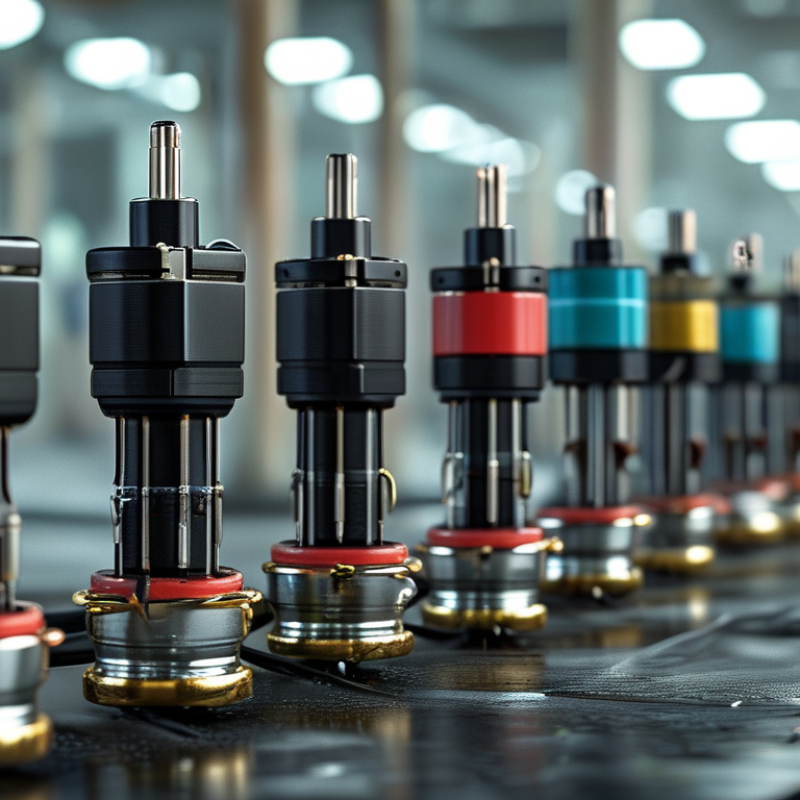
Understanding Common Issues with EV Connectors
Electric Vehicle (EV) connectivity has evolved, but common issues persist. Understanding these problems is crucial for users and technicians alike. One significant issue is poor contact resistance, which can lead to overheating and inefficiency. According to a recent report from the International Energy Agency, roughly 15% of EV connection failures are due to suboptimal contacts. Regular maintenance and inspection are essential for reducing this risk.
Another frequent issue involves incompatible connectors. The market does not have a universal standard, causing confusion and connectivity challenges. A study by the Electric Power Research Institute states that nearly 30% of reported connector problems stem from compatibility issues. This inconsistency hinders charging efficiency and can frustrate users. Awareness and education on connector types can alleviate these struggles.
Additionally, environmental factors such as temperature and moisture can impact connector performance. Extreme conditions can cause wear and tear, affecting electrical connections. Data indicates that exposure to severe weather reduces connector lifespan by about 20%. Users should monitor their connectors and store vehicles in optimal conditions when possible. Regular checks can prevent inconvenient malfunctions.
Types of EV Connector Problems and Their Causes
Electric vehicle (EV) connectors play a crucial role in charging. However, users often encounter common problems. Understanding these issues is essential for maintaining an efficient charging experience.
One prevalent issue is connector misalignment. It may happen when the plug does not fit snugly into the socket. This can prevent the charger from functioning. Additionally, dirt and debris can accumulate in the connectors, causing poor connections. Regularly cleaning the charging ports can help prevent this issue.
Another common problem occurs with damaged cables. Wear and tear may lead to fraying or exposed wires. This can pose safety hazards and affect charging efficiency. Inspecting cables regularly can help spot potential issues early. If you notice severe damage, consider replacing the cable.
Tips: Always carry spare connectors. This way, you have alternatives if one fails. Also, avoid using excessive force when plugging or unplugging connectors. Gentle handling extends the lifespan of the equipment. By being proactive, you can minimize everyday connector issues.
Step-by-Step Troubleshooting for EV Connectors
Electric vehicle (EV) connectors are crucial for charging. However, they can present challenges. Troubleshooting these connectors can help ensure a smooth charging process.
Check your connection. If it’s loose, you may experience charging issues. Make sure the connector clicks securely into place. Dirt and debris can also cause problems. Clean your connectors regularly. Use a soft cloth for the charging point and ensure there’s no corrosion.
Tips: Always inspect the cables for wear and tear. Damaged wires can lead to unreliable charging. If you notice any fraying, consider replacing the cable.
Sometimes, the issue lies with the power source. Test the outlet with another device. If it works, the problem may be with the EV. Update any software on your vehicle to ensure compatibility.
Tips: Keep a maintenance log. Document any issues you encounter with your EV connectors. This can help identify patterns and offer clues for future troubleshooting.
Maintenance Tips to Prevent EV Connector Issues
Electric vehicle (EV) connectors play a crucial role in ensuring seamless charging experiences. Regular maintenance is key to preventing common issues with these connectors. According to industry reports, over 40% of EV users have faced charging difficulties due to connector problems. Simple preventive measures can significantly reduce these incidents.
Inspecting connectors for wear and tear is essential. Keep an eye out for dirt or corrosion, which can impede connections. A clean cloth and a mild cleaning solution can effectively keep connectors in good shape. Moreover, proper handling while plugging and unplugging is vital. Rough usage can damage pins and lead to costly repairs.
Temperature fluctuations can also affect connector performance. Exposure to extreme heat or cold can cause materials to expand and contract, potentially leading to failures. Storing connectors in a climate-controlled environment can mitigate this risk. Awareness of these factors helps maintain reliability. Regular checks and a proactive approach can extend the lifespan of EV connectors. Regular maintenance practices reflect a commitment to quality and reliability in EV technology.
2026 How to Solve Common Problems with EV Connectors? - Maintenance Tips to Prevent EV Connector Issues
| Issue Type |
Common Symptoms |
Maintenance Tips |
Recommended Frequency |
| Dirty Connectors |
Poor connection, charging interruptions |
Regularly clean connectors with a soft cloth |
Monthly |
| Corrosion |
Decreased conductivity, sparks during connection |
Use anti-corrosion spray; ensure proper sealing |
Bi-annually |
| Physical Damage |
Frayed wires, loose connections |
Inspect cables for damage; replace if necessary |
Quarterly |
| Weather Effects |
Failure to connect in extreme temperatures |
Use weatherproof connectors; store properly |
Seasonally |
| Software Issues |
Inconsistent performance, errors during charging |
Keep firmware up to date; restart system occasionally |
Monthly |
Future Innovations to Improve EV Connector Reliability
The rapid growth of electric vehicles (EVs) highlights the need for reliable EV connectors. As technology advances, improving the reliability of these connectors becomes crucial for user convenience and vehicle performance. Future innovations can address common issues such as wear and tear, corrosion, and connection failures.
One potential innovation is the use of advanced materials. New composites can enhance durability and resistance to environmental factors. This could lead to connectors that last longer and perform better under various conditions. Another promising area is the development of smart connectors. These devices could monitor connections in real-time, alerting users to issues before they become critical.
Tips for maintaining EV connectors include keeping the area clean and dry. Regular checks can prevent dirt buildup. Consider using protective covers when the connector is not in use. This simple step can significantly enhance longevity. Additionally, avoid forcing connections. This can cause damage and lead to larger problems.
Reflecting on current designs, there’s room for improvement. Some connectors still struggle with tight spaces or awkward angles. Addressing these issues should be a priority for future designs. Ultimately, as EV technology evolves, so too must our approach to ensuring connector reliability.
FAQS
: Common issues include poor contact resistance, incompatible connectors, and environmental factors impacting performance.
Poor contact resistance can lead to overheating and charging inefficiency. Regular inspections can help prevent this issue.
A lack of universal standards causes compatibility challenges, affecting nearly 30% of reported connector issues.
Extreme temperature and moisture can cause wear, reducing connector lifespan by about 20%. Users should store their vehicles properly.
Regularly clean connectors, inspect for wear, and handle them gently. These practices can prevent future problems.
Extreme heat or cold can cause materials to expand, leading to potential failures in connectors.
Advanced materials and smart connectors could enhance durability and detect issues in real-time.
Keep the area clean and use protective covers when not in use to enhance longevity.
Over 40% of users face issues due to connector problems; proactive maintenance can significantly reduce these occurrences.
Some connectors struggle in tight spaces and awkward angles. Future designs need to address these challenges for better usability.
Conclusion
The article "2026 How to Solve Common Problems with EV Connectors?" delves into the prevalent issues associated with electric vehicle (EV) connectors. It begins by highlighting what are common problems with EV connectors, such as poor connections, overheating, and mechanical wear. The types of problems are examined, including their underlying causes, which often stem from environmental factors and user handling.
Following this, the article provides a step-by-step troubleshooting guide to assist users in identifying and resolving these issues effectively. Additionally, it offers valuable maintenance tips aimed at preventing future connector problems. Finally, the piece discusses upcoming innovations in EV connector technology that promise to enhance reliability and efficiency, ensuring a smoother experience for EV users.

 Voltura Charger