Electric vehicles are moving from niche products into everyday transport. The International Energy Agency reported nearly 14 million electric cars sold globally in 2023, representing about 18% of new-car sales. That growth creates a practical question for homeowners, businesses, and grid planners: How to integrate solar energy with EV charging without wasting clean electricity?
The answer involves more than placing panels above a parking space. This guide examines five workable approaches: daytime solar charging, smart energy management, home batteries, vehicle-to-home systems, and workplace or fleet charging. Each option connects solar production with charging demand in a different way. A sunny noon may produce excess power, while most drivers return home after sunset. Timing matters.
Willett Kempton, a leading vehicle-to-grid researcher at the University of Delaware, described electric vehicles as “a distributed energy storage resource.” His research helped establish the idea that parked EVs can support household and grid needs. However, the concept is not effortless. Charging losses, battery degradation, limited grid capacity, and incompatible equipment can reduce expected savings. The U.S. National Renewable Energy Laboratory also stresses that solar-plus-storage performance depends on system design, local weather, tariffs, and usage patterns.
This topic needs practical honesty. A small rooftop system may not fully charge a large EV every day. An oversized battery may also weaken the financial case. The best solution often begins with simple load data, a realistic driving schedule, and verified equipment specifications. The following five methods show where solar charging works well, where it struggles, and what users should reconsider before investing.
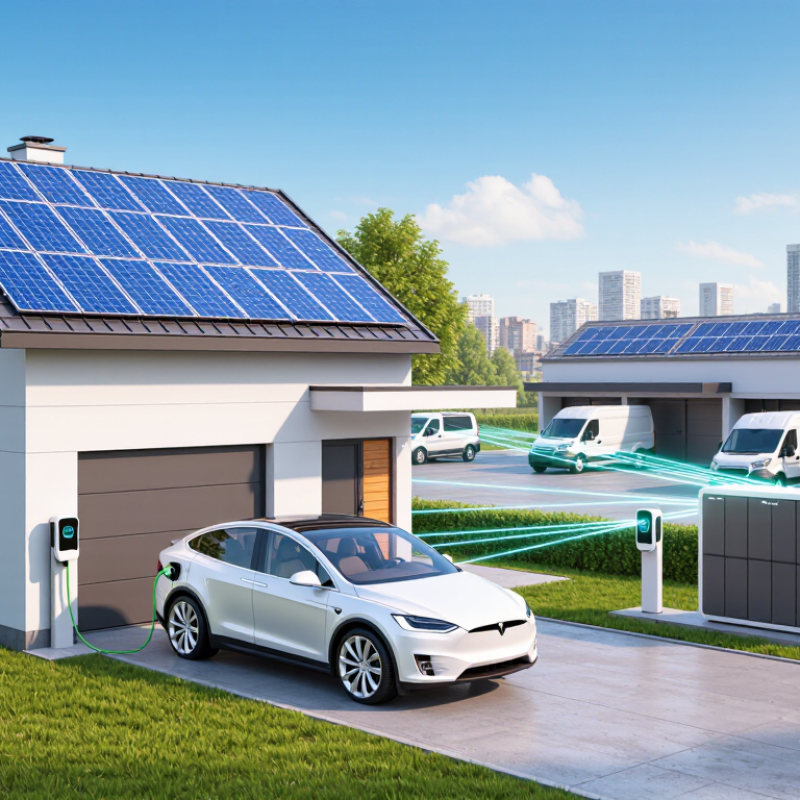
Assessing solar potential should begin with the site, not the equipment. A roof can look bright and still lose production to trees, chimneys, or nearby buildings. Record shading at different hours, especially from 9 a.m. to 3 p.m. Check roof direction, slope, surface condition, and local weather patterns. A simple estimate uses array size, peak sun hours, and system losses. Real output is always lower than the ideal calculation.
I once saw a preliminary design overlook winter shade from a neighboring roof. The annual estimate looked acceptable, but afternoon charging became unreliable. That detail mattered. Measure the household’s daily electricity use, then add the EV’s average mileage and energy consumption. Note when the vehicle arrives, how long it stays, and whether overnight charging is enough. A larger battery does not automatically require faster charging. Review the service panel, available electrical capacity, cable route, and local connection rules with a qualified electrician. Smart charging can shift demand toward sunny hours, but it cannot fix an undersized solar array or limited wiring. Keep a margin for cloudy weeks and future driving changes. Perfect forecasts are rare. A practical design may deliberately charge from the grid during winter, while solar power supplies more energy in brighter months.
| Integration Method | Solar Potential to Assess | Typical EV Charging Requirement | Indicative Solar Capacity | Best Operating Strategy | Main Benefit |
|---|---|---|---|---|---|
|
1. Rooftop Solar with Home EV Charging Use an existing residential roof to supply a Level 2 charger. |
Check roof orientation, shading, structural condition and usable area. A well-sited solar system commonly produces about 900–1,500 kWh per kWp per year, depending on location and system losses. | A typical passenger EV uses approximately 15–25 kWh per 100 km. Home AC charging commonly operates at 3.7–11 kW, with some systems supporting up to 22 kW. | About 3–8 kWp of rooftop solar can provide roughly 2,700–12,000 kWh per year, subject to solar resource and system design. | Schedule charging during daylight, use solar-priority controls, and reduce charging power when household demand is high. | Simple installation, reduced household electricity purchases and good compatibility with overnight charging. |
|
2. Solar Carport with Workplace or Public Charging Install photovoltaic panels above parking spaces and place chargers below the canopy. |
Measure parking-space dimensions, canopy height, shading from nearby buildings and annual parking occupancy. A carport often accommodates approximately 1.2–1.8 kWp per parking space, depending on layout and module efficiency. | Workplace and destination charging generally uses 7–22 kW AC per vehicle. Most vehicles remain parked for several hours, allowing energy to be matched with daytime solar production. | A 20-space carport may support approximately 24–36 kWp and could generate about 21,600–54,000 kWh per year, depending on local sunlight. | Prioritize charging for vehicles parked longest, use load sharing, and limit simultaneous charging when the site transformer is constrained. | Provides shade and weather protection while using parking infrastructure for on-site renewable generation. |
|
3. Solar-Powered Fleet Depot Charging Combine solar generation with scheduled charging for delivery, service or municipal fleets. |
Compare available roof and ground area with fleet energy demand. Review vehicle arrival and departure times, daily mileage, seasonal solar output and the site's utility-service capacity. | Fleet vehicles may require approximately 30–120 kWh per vehicle per day, depending on vehicle type and mileage. Depot chargers commonly range from 7–22 kW AC, while some fleets use 50–150 kW DC. | A 100 kWp solar array may produce around 90,000–150,000 kWh per year in suitable locations. The array should be sized against the fleet's annual and time-of-use demand. | Use managed charging to fill vehicles before dispatch, stagger charging starts, and reserve grid capacity for periods of low solar output. | Reduces predictable fleet-fuel electricity costs and can lower the peak demand created by many vehicles charging together. |
|
4. Solar, Battery Storage and DC Fast Charging Pair solar generation with a stationary battery to support high-power charging. |
Assess midday solar surplus, available interconnection capacity, charging traffic and the local demand-charge structure. Solar alone may not match the short, high-power demand of fast charging. | DC fast chargers commonly deliver 50–150 kW; higher-power equipment can reach approximately 250–350 kW. Actual vehicle charging power decreases as the battery approaches full charge. | A suitable starting configuration may combine 100–500 kWp of solar with a 100–500 kWh battery, subject to traffic, grid limits and required charging speed. | Charge the battery from solar when available, discharge it during charging peaks, and recharge from the grid during lower-cost or low-demand periods. | Supports fast charging where grid upgrades are limited and smooths short-duration power peaks. |
|
5. Solar-Connected Smart Charging and Load Management Use software and controllable chargers to align EV demand with solar availability. |
Establish an hourly solar-generation profile, identify building load patterns and calculate the site's export limit. The key measure is the amount of solar energy available while vehicles are connected. | Flexible AC charging is usually 3.7–22 kW. A vehicle needing 40 kWh can generally be charged overnight at 7 kW in about 6–7 hours, allowing the control system to shift charging away from peak periods. | Size solar using the site's annual EV electricity demand. For example, 10 vehicles driving 50 km per day at 20 kWh per 100 km require about 100 kWh per day before charging losses. | Set minimum departure-charge targets, vary charging power with solar output, balance phases where applicable, and avoid charging during utility peak periods. | Maximizes self-consumption without requiring every vehicle to charge at full power simultaneously. |
Planning assumptions: Solar production varies with latitude, climate, orientation, tilt, shading and system losses. EV energy use varies with vehicle size, speed, temperature, payload and driving conditions. Final capacity should be confirmed through an hourly load study and electrical-site assessment.
Start with daily driving, annual electricity use, roof direction, shading, and winter sunlight. Battery size alone is not enough. Bigger can disappoint.
No. A shaded garage may produce less energy than expected. Check roof conditions and local sunlight before choosing system capacity.
Choose adjustable charging equipment that matches your electrical capacity. It should reduce output when clouds cover the roof.
Midday often works well, especially between 10 a.m. and 3 p.m. Set a minimum charging level to prevent repeated starts and stops.
Yes. It can store midday solar energy for charging after sunset. Remember battery losses, extra cost, and gradual capacity decline.
Dynamic load management can pause or reduce charging when cooking, heating, or other appliances increase demand. It adds control, not magic.
Track departure times and prioritize vehicles leaving soon. A solar carport can provide shade and electricity, but grid limits still matter.
No. Forecasts can fail during sudden cloudy weather. Keep emergency grid charging available for unexpected trips or low winter production.
Install one charging site first. Measure solar output, charging times, winter performance, and surplus energy for several months.
Do not trust perfect summer calculations. Dust, growing trees, short winter days, and cable limits can change real performance. I would review the plan again.
How to integrate solar energy with EV charging begins with evaluating your location’s sunlight, available roof or land area, driving patterns, and daily charging needs. This assessment helps determine the appropriate solar capacity, battery storage requirements, and charging equipment. A well-designed system can connect solar generation directly to home or fleet charging, while also allowing energy to be stored or used for other household and operational needs when solar production is low.
Charging schedules should be optimized around periods of strong solar output and overall electricity demand. Smart controls can prioritize solar power, reduce reliance on grid electricity, and manage charging across multiple vehicles when necessary. Regularly monitoring energy production, vehicle consumption, charging costs, and system performance is essential for identifying inefficiencies and maintaining long-term value. With thoughtful planning, suitable equipment, coordinated energy management, and ongoing performance reviews, solar energy and EV charging can form a reliable, cost-conscious, and more sustainable transportation solution.

 Voltura Charger