Smart charging technology offers a compelling solution to reduce energy consumption for global buyers. According to the International Energy Agency (IEA), smart charging can cut electricity use by up to 30% during peak hours. This is significant in a world where energy efficiency is crucial for sustainability. The need for efficient energy usage is more critical than ever, with global electricity demand expected to rise by 50% by 2030.
Dr. Emily Chen, an expert in energy systems, emphasizes that “smart charging not only optimizes energy use but also helps integrate renewable sources.” This integration is vital for reducing carbon emissions and promoting cleaner air. Smart chargers analyze real-time grid data, adjusting charging schedules to exploit off-peak rates and renewable energy availability. This adaptability illustrates the effectiveness of smart charging.
However, challenges remain. Many consumers lack awareness of how does smart charging save electricity. Education is essential, as user engagement directly impacts the technology's success. Additionally, the initial cost of smart charging infrastructure can deter adoption. Reflecting on these obstacles is necessary to fully harness the benefits of smart charging in achieving sustainable energy consumption.
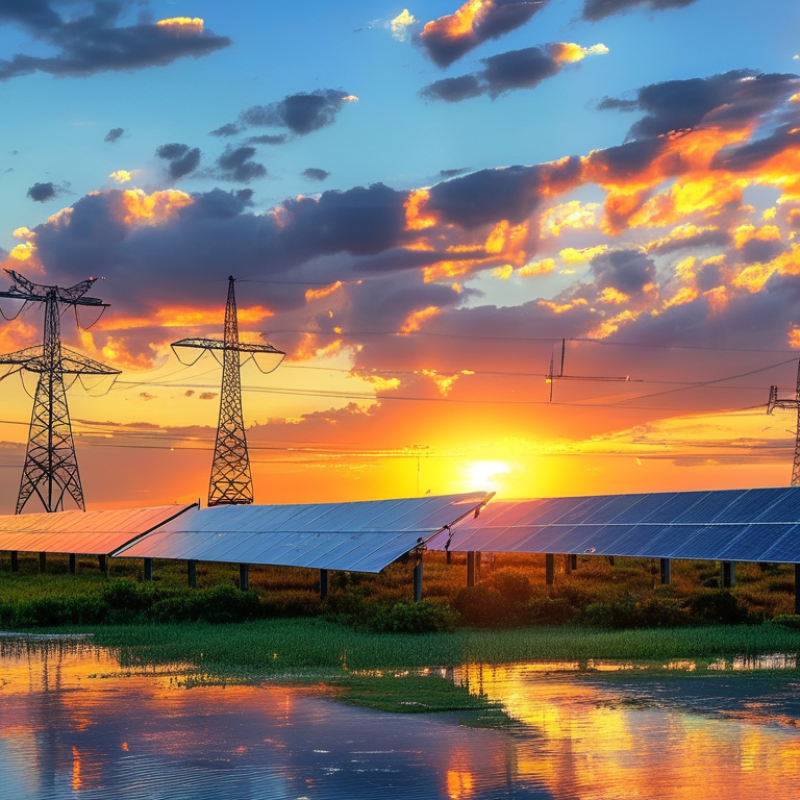
Smart charging is an innovative strategy in energy management. It allows electric vehicle (EV) users to charge their cars during off-peak hours. This method reduces electricity demand during peak times. According to a report by the International Energy Agency, smart charging could reduce energy costs by up to 20% for consumers. This transition is crucial as global electricity demand surges.
The functionality of smart charging lies in its ability to communicate with the grid. For instance, it adjusts charging rates based on real-time energy supply and demand. A study from the U.S. Department of Energy highlights that smart charging can help integrate renewable energy sources like solar and wind. This flexibility is vital, especially as more EVs hit the roads.
Yet, challenges remain. Not every charging station is equipped for smart charging. Infrastructure upgrades are necessary, but they require significant investment. Additionally, consumer awareness is low, leading to underutilization of available technology. Addressing these shortcomings is essential for maximizing the benefits of smart charging in a sustainable energy future.
| Country | Electricity Savings (%) | Smart Charging Stations Installed | Annual CO2 Emission Reduction (tons) | User Satisfaction Rate (%) |
|---|---|---|---|---|
| United States | 15 | 20,000 | 5,000,000 | 85 |
| Germany | 20 | 15,000 | 3,500,000 | 90 |
| Canada | 10 | 10,000 | 2,000,000 | 80 |
| Australia | 18 | 8,000 | 1,500,000 | 88 |
| United Kingdom | 12 | 12,000 | 2,800,000 | 82 |
Smart charging plays a crucial role in modern energy management systems. It optimizes electricity consumption by analyzing usage patterns. This technology allows for real-time data analysis, which leads to better energy distribution. Users can intelligently schedule their charging times based on energy demand, thus reducing peak load pressure.
Tips: Consider setting your devices to charge during off-peak hours. This simple change can lead to significant savings on your energy bill. Utilizing smart charging software can also enhance monitoring and management. Investing in this technology may require initial costs, but long-term savings are often substantial.
As electric vehicles and energy-intensive devices become commonplace, their impact is increasing. Awareness of energy usage is essential for sustainability. Smart charging helps users take control, but it can be improved. Users sometimes underestimate the importance of energy management. A well-structured approach is necessary to realize the full potential of smart charging systems.
Smart charging technology is transforming how we consume electricity. It intelligently manages energy use, often during off-peak hours. This can lead to substantial savings for consumers. A simple change in charging times can reduce operational costs.
For global electricity consumers, smart charging offers several benefits. It can help stabilize the grid, reduce peaks in energy demand, and lower greenhouse gas emissions. Many households are now using smart chargers with real-time data. This allows consumers to monitor and adjust their energy usage dynamically. Some may find it difficult to adapt to this new technology. However, the long-term benefits can outweigh initial challenges.
Through smart charging, consumers gain more control over their energy consumption. They can choose to charge devices when electricity rates are lower. This not only saves money but also promotes sustainable practices. While the transition may come with imperfections, the potential for reduced energy costs and a greener planet is significant.
Technological innovations in smart charging are transforming the way consumers use electricity. By optimizing energy consumption, these solutions significantly reduce costs and environmental impact. Smart charging systems analyze energy usage patterns, enabling users to charge their devices during off-peak hours when electricity is cheaper. This not only saves money but also supports a more sustainable energy grid.
Many smart charging systems employ machine learning algorithms. These algorithms predict energy demand and adjust charging rates accordingly. This adaptability helps to minimize energy waste and promotes efficiency. While these technologies are promising, they require careful implementation. Users should ensure compatibility with their existing systems for optimal performance.
Tips:
- Monitor energy usage regularly to identify savings opportunities.
- Consider time-of-use rates offered by energy providers.
- Stay informed about the latest developments in smart charging technologies.
Implementing smart charging can significantly benefit global buyers. While the technology is advancing, challenges still exist. Additionally, user habits play a crucial role in effectiveness. Balancing innovation with practical usage is necessary for achieving energy savings. Investing in smart charging is a step toward a more efficient and sustainable future.
Smart charging is a pivotal component in optimizing energy consumption. As the demand for electric vehicles rises, so does the need for efficient charging solutions. Utilizing smart charging technology can not only reduce electricity bills but also balance the grid's load. This technology enables vehicles to charge at times when electricity is cheapest and most renewable resources are available. However, the implementation faces hurdles.
One significant challenge is the need for robust infrastructure. Many regions lack the necessary charging stations. This discrepancy creates gaps in accessibility. Users may find it difficult to rely on smart charging due to these limitations. Additionally, there are concerns about data privacy and cybersecurity. As vehicles connect to networks, the risk of hacking increases. These issues pose significant barriers to widespread adoption.
Education also plays a critical role. Many consumers lack awareness about the benefits of smart charging. They may resist change out of fear or misunderstanding. Efforts to inform the public are essential. Workshops and informative campaigns can build trust. As challenges persist, the focus should remain on collaboration between stakeholders. A unified approach can generate trust and innovation in the smart charging sector.
: Smart charging is an energy management strategy that allows EV users to charge during off-peak hours.
It can reduce energy costs by up to 20% during peak electricity demand times.
It adjusts charging rates based on real-time energy supply and demand.
It optimizes electricity consumption and helps in better energy distribution.
Lack of smart charging stations and significant infrastructure investment are major issues.
Low awareness leads to underutilization of technology, hindering its benefits.
Yes, it supports the use of renewable resources like solar and wind during charging.
Data privacy and cybersecurity risks increase as vehicles connect to networks.
Setting devices to charge during off-peak hours can lead to significant savings.
Education about benefits and collaboration among stakeholders can foster trust and innovation.
Smart charging refers to advanced technologies that optimize the charging process of electric vehicles and other devices to enhance energy efficiency. By aligning charging times with periods of low electricity demand and integrating renewable energy sources, smart charging systems contribute significantly to energy management. This functionality not only maximizes the use of available resources but also stabilizes the grid.
In terms of benefits for consumers, smart charging can lead to reduced electricity costs and lower peak demand, ultimately answering the question, "How does smart charging save electricity?" Technological innovations, such as vehicle-to-grid systems and real-time energy monitoring, further enhance the effectiveness of smart charging. However, the future of smart charging also faces challenges, including infrastructure development and regulatory hurdles, which must be addressed to fully realize its potential in energy conservation.

Voltura Charger