Why Smart Charging is Essential for Energy Grids Today?

Time:2026-06-10 Author:Henry
0%

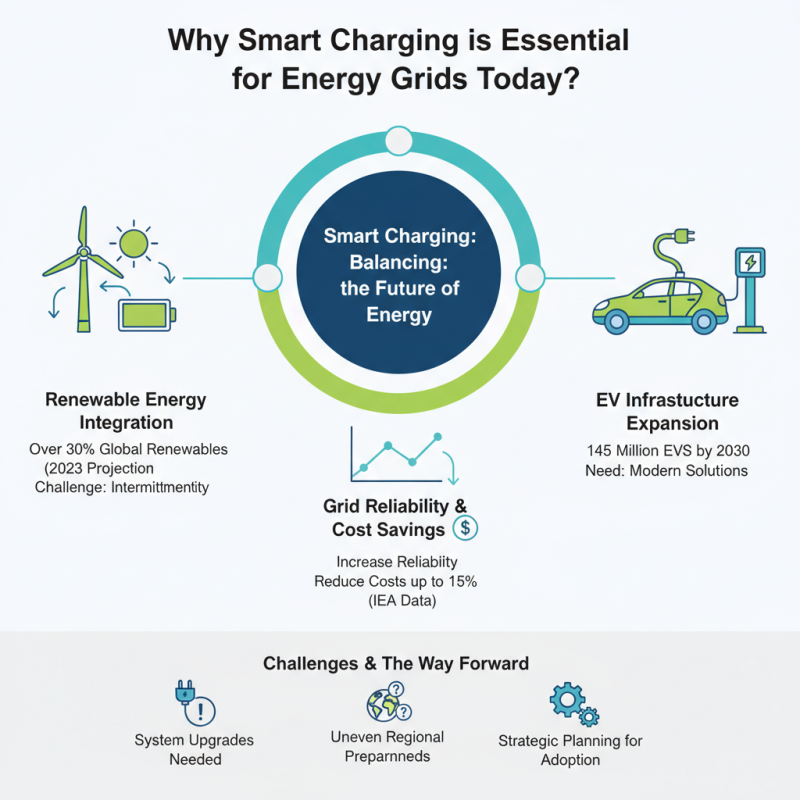
The transition to renewable energy sources is accelerating. By 2023, it's projected that global renewables will account for over 30% of electricity generation. However, integrating these sources creates challenges for energy grids. This is where smart charging technology plays a crucial role.

Why smart charging matters for energy grids is evident in its ability to balance supply and demand. According to the International Energy Agency, smart charging can increase grid reliability while reducing energy costs by up to 15%. It also supports the expansion of electric vehicle (EV) infrastructure. With the number of EVs expected to reach 145 million by 2030, our grids need modern solutions.

Despite these advancements, obstacles remain. Current charging systems need upgrades to handle increased loads. Not all regions are prepared for this transition. The uneven adoption of smart technology highlights a need for strategic planning. As we move forward, addressing these gaps will be vital for a sustainable energy future.
Why Smart Charging is Essential for Energy Grids Today?

The Concept of Smart Charging in Energy Grids

Smart charging is a vital concept in modern energy grids. It enables better management of electricity consumption, especially with increasing electric vehicle adoption. By optimizing the charging of these vehicles, smart charging enhances grid stability. It integrates renewable energy sources more effectively, which is crucial for sustainability.

The essence of smart charging lies in its ability to communicate with the grid. Vehicles can adjust their charging times based on energy demand. This flexibility helps prevent overload during peak hours. Smart charging systems can vary the charging levels as needed, which can minimize energy costs for consumers and utilities.

Challenges persist in implementing smart charging. Not all regions have the necessary infrastructure. There are concerns about data privacy and system vulnerabilities. Stakeholders must navigate these issues carefully. Additionally, as technology evolves, ongoing adjustments might be necessary to maintain efficiency. The journey toward a fully integrated smart charging system is complex and requires collaborative efforts across various sectors.

Benefits of Smart Charging for Energy Management

Smart charging is transforming energy management. This approach optimizes charging schedules for electric vehicles (EVs) based on grid demand. By reducing peak loads, smart charging enhances grid stability. It supports the integration of renewable energy sources, such as solar and wind. This flexibility is critical as more households adopt EVs and renewable technologies.

Tips: Always monitor your energy usage. Consider charging during off-peak hours. This can lower costs and ease grid stress.

Implementing smart charging also promotes sustainability. It effectively balances energy distribution, reducing the reliance on fossil fuels. For instance, EVs can charge when excess energy is available. This prevents wastage and utilizes renewable energy more efficiently.

Tips: Engage with local energy programs. They often offer incentives for smart charging solutions. Research local electricity rates to find the best times for charging.

Smart charging may still face challenges. Not all grids are equipped to handle this technology yet. Public awareness of its benefits remains insufficient. Further education and infrastructure improvements are needed.

Impact of Electric Vehicles on Energy Demand

Electric vehicles (EVs) are rapidly changing energy demand patterns. The surge in EV adoption is increasing electricity consumption, particularly during peak hours. This shift can strain existing energy grids, leading to potential blackouts and instability. Smart charging solutions are vital to manage this growing demand. They allow EVs to charge during off-peak hours, ensuring a balanced load on the grid.

Understanding the impact of EVs on energy demand is crucial for both consumers and utility providers. Many users may not know when their charging contributes to peak demand. This lack of awareness can lead to increased costs and grid stress. It is essential for EV owners to utilize smart charging systems that optimize charging times.

Tips for effective charging include setting your vehicle to charge at night when rates are lower. Additionally, consider the grid's condition. If you notice high demand alerts, delaying charging is wise. These small adjustments can make a significant difference in energy management. It's important to remember that we all play a role in maintaining grid stability. Balancing convenience and responsibility is key in this evolving landscape.

Integration of Renewable Energy Sources with Smart Charging

The integration of renewable energy sources is crucial for modern energy grids. It enhances sustainability and reduces reliance on fossil fuels. As solar and wind power become more prevalent, smart charging can optimize energy usage. It allows electric vehicles to charge during peak production times, maximizing renewable input.

However, challenges remain. The variability of renewable sources can lead to energy surplus or shortage. Smart charging systems must adapt to this dynamic environment. They need real-time data to balance loads and prevent grid overload. The technology is still developing, which raises questions about reliability and efficiency.

Moreover, not all regions are prepared for significant renewable integration. Infrastructure gaps can hinder progress. This calls for a thoughtful approach, with investments in both tech and education. Encouraging wider acceptance of smart charging is essential. It can empower consumers to participate in energy markets. Proper understanding and adaptation of these systems can ensure a sustainable future.

Challenges and Solutions in Implementing Smart Charging Systems

The integration of smart charging systems into energy grids faces numerous challenges. One significant issue is the variability in energy sources. Renewable energy like solar and wind is intermittent. Charge management must adapt quickly to changes in supply. Without a robust forecasting mechanism, grid operators struggle to balance supply and demand effectively.


Another challenge is the need for advanced communication technology. Smart chargers must communicate with the grid in real time. This requires standardized protocols that are not universally established. As a result, various smart charging technologies may not work seamlessly together. This lack of interoperability can lead to inefficiencies and higher operational costs.


Implementing these systems also raises concerns about cybersecurity. As more devices connect to the grid, the risk of breaches increases. Protecting sensitive data is crucial for maintaining trust in smart charging solutions. A lapse in security could deter consumers and hinder widespread adoption. These vulnerabilities illustrate the need for ongoing evaluation and advancement in both technology and policy.

FAQS

: What is smart charging?

: Smart charging optimizes electricity consumption and enhances grid stability for electric vehicles.

How does smart charging benefit consumers?

It minimizes energy costs by adjusting vehicle charging to off-peak hours.

What challenges are associated with smart charging?

Infrastructure gaps and data privacy concerns are significant obstacles.

How can electric vehicle owners optimize their charging?

Charge at night when rates are lower and monitor grid demand alerts.

Why is integrating renewable energy sources important?

It reduces reliance on fossil fuels and enhances sustainability in energy grids.

What is a potential issue with renewable energy integration?

The variability of sources can lead to energy surpluses or shortages.

How can tech development improve smart charging systems?

Ongoing advancements in technology are needed to boost reliability and efficiency.

What role do consumers play in maintaining grid stability?

Being aware of charging times helps balance energy demand and responsibility.

Why is collaboration necessary in smart charging implementation?

It ensures different sectors can effectively address challenges and enhance progress.

What can prevent a smooth transition to smart charging systems?

Lack of public understanding and necessary infrastructure can hinder advancements.

Conclusion

Smart charging is becoming increasingly crucial for energy grids as it addresses the rising demands posed by electric vehicles (EVs) and the integration of renewable energy sources. The concept of smart charging enables more efficient energy management by adjusting charging times and rates based on grid conditions and energy availability. This flexibility not only helps in minimizing peak demand but also supports the utilization of renewable energy, thereby reducing carbon emissions and promoting sustainability.

Why smart charging matters for energy grids becomes clear when considering its benefits, such as enhancing grid stability and optimizing energy flow. However, implementing smart charging systems comes with challenges, including the need for advanced technology and regulatory frameworks. Nonetheless, with the right solutions, smart charging can significantly improve energy management, making energy grids more resilient and efficient in the face of evolving energy demands.

Henry

Henry

Henry is a dedicated marketing professional with a profound expertise in the company's offerings. With years of experience in the industry, he possesses an impressive understanding of the market dynamics and consumer behaviors that drive success. Henry is committed to sharing his insights through......