Smart charging represents a transformative approach in managing energy consumption for electric vehicles. By optimizing the time and method of charging, it has the potential to significantly reduce electricity costs and enhance grid stability. So, how does smart charging save electricity? Smart charging systems use advanced algorithms to determine the best times to charge, often aligning with periods of low energy demand or abundant renewable energy availability. This method minimizes the need for peak electricity, which can be more expensive and less efficient.
Moreover, these systems can communicate with the grid to manage the flow of electricity effectively. For instance, during high demand periods, smart chargers can delay charging to avoid strain on the grid. This not only conserves energy but also supports overall energy sustainability. Despite these benefits, challenges remain in widespread implementation. User adoption, technology integration, and regulatory frameworks may hinder progress. It's essential to address these issues to fully realize the potential of smart charging.
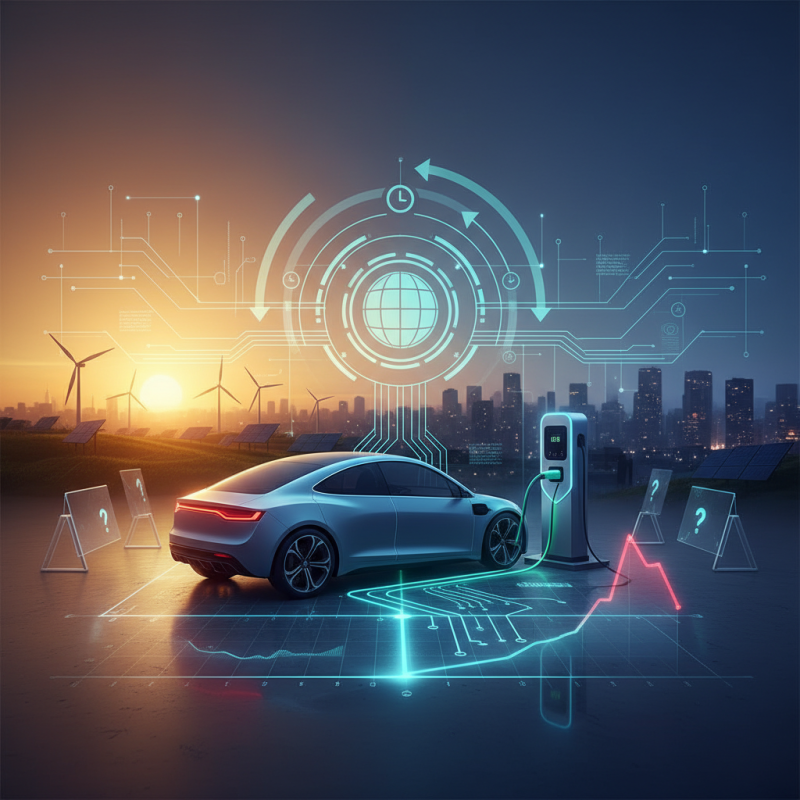
Understanding the Concept of Smart Charging in Electricity Usage
Smart charging is a transformative approach to managing electricity usage. It allows users to optimize their energy consumption by charging devices during off-peak hours. This method not only reduces costs but also eases the strain on the electrical grid. Through intelligent software, smart charging determines the best times for energy use. These decisions can result in significant savings for both consumers and utility companies.
Tips: To maximize savings, consider setting your devices to charge overnight. Monitor your energy usage regularly to identify patterns. Take advantage of any smart charging features your devices may offer.
The concept of smart charging also includes demand response programs. These programs encourage consumers to shift their energy use based on grid conditions. This could mean delaying a charge until electricity is cheaper. However, not all users may be aware of these options. Understanding the local grid and available programs is key to reaping the benefits.
Tips: Research local utilities for potential incentives. Engage with community resources to gain insights on energy conservation practices. Small changes can lead to impactful savings over time.
How Does Smart Charging Contribute to Electricity Savings?
| Charging Method |
Efficiency (%) |
Cost Savings ($/month) |
Peak Demand Reduction (kW) |
Environmental Impact (Tons CO2 Reduced) |
| Smart Charging |
95 |
50 |
5 |
1.2 |
| Standard Charging |
85 |
30 |
3 |
0.8 |
| Level 1 Charging |
70 |
20 |
2 |
0.5 |
| Vehicle-to-Grid Charging |
90 |
40 |
4 |
1.0 |
Mechanisms of Smart Charging and Their Impact on Energy Consumption
Smart charging is reshaping how we consume energy. It adjusts when electric vehicles (EVs) charge, optimizing energy use based on demand. For example, during off-peak hours, when electricity is cheaper and more abundant, smart charging kicks in. This reduces strain on the grid and leads to significant electricity savings. The mechanisms behind this technology leverage real-time data to inform charging schedules.
Integrating renewable energy sources is another benefit. Wind and solar power generation fluctuates. Smart charging can align EV charging with these variable outputs. This means greater efficiency and reduced reliance on fossil fuels. However, there are challenges. Not every user may adopt smart charging due to lack of awareness or access to technology.
Moreover, without proper incentives, users may not see immediate benefits. Sometimes, grid operators face difficulties syncing with individual charging habits. This complexity poses questions about long-term implementation and user behavior. Addressing these issues is vital for maximizing the advantages of smart charging. Such reflection is essential for improving its viability in today's energy landscape.
Benefits of Smart Charging for Reducing Peak Load on the Grid
Smart charging plays a vital role in managing electricity demand. By optimizing charging times for electric vehicles, this technology helps to reduce peak loads on the grid. During peak times, the demand for electricity can exceed supply, leading to potential outages.
Smart charging can shift the charge to off-peak hours, balancing the energy load effectively.
Moreover, integrating smart charging systems can enhance grid stability. These systems can automatically adjust charging rates based on real-time electricity prices. This means users may save money while contributing to a more reliable grid. However, achieving these benefits can be challenging. Not all users have access to smart charging solutions. Infrastructure limitations remain a significant barrier.
The interaction between smart charging and renewable energy sources is also noteworthy. When complemented by solar or wind energy, smart charging can maximize the use of clean energy. This reduces reliance on fossil fuels and can lower greenhouse gas emissions. However, the technology’s effectiveness can vary based on regional energy policies.
Continuous improvements are needed in both technology and policy to fully harness the potential of smart charging.
Assessment of Cost Savings Through Smart Charging Adoption
Smart charging technology offers significant potential for
cost savings in electricity. By optimizing the charging processes of
electric vehicles (EVs), users can tap into lower energy rates during
off-peak hours. This strategy allows for reduced electricity bills,
making EV ownership more economical over time. In many regions, peak energy prices can skyrocket, emphasizing the need
for smart charging solutions.
The implementation of smart charging can be challenging. Users must
understand their energy provider’s time-of-use pricing. This understanding is
essential to maximize savings. Studies indicate that EV owners can save
up to 30% on energy costs by shifting their charging times.
However, not all users have access to real-time data. This gap can hinder their ability to make informed decisions about
charging schedules.
Additionally, community awareness is crucial. Many individuals remain
unaware of smart charging advantages, leading to missed savings. Education on the benefits and mechanics of smart
charging should increase adoption rates. Effective communication channels will empower more users to transition. As
technology evolves, ongoing user feedback will be essential to refine these systems and enhance
cost savings further.
Future Trends and Developments in Smart Charging Technology
Smart charging technology is evolving rapidly. It aims to optimize electricity usage in real-time. This innovation benefits not just electric vehicle owners but also the entire energy grid. By shifting the demand for electricity to off-peak hours, smart charging reduces strain on the grid.
Emerging technologies like AI and machine learning enhance smart charging systems. These systems analyze usage patterns and adjust charging schedules accordingly. The goal is to avoid peak electricity costs and minimize environmental impact. Users may witness significant savings on energy bills, yet some concerns linger about data privacy and reliability of these systems. Not every charging station may adopt these advanced technologies equally.
As smart charging grows, integration with renewable energy sources becomes critical. This allows electric vehicles to charge when solar or wind energy is abundant. However, challenges remain. Standardization across different regions is needed to maximize efficiency. Continuous improvements in infrastructure and user education will play a vital role in the future. The path ahead is promising but requires careful navigation to reach its full potential.
FAQS
: Smart charging optimizes electricity usage by charging devices during off-peak hours.
It reduces costs and eases strain on the electrical grid.
Yes, charging overnight maximizes savings effectively.
They encourage users to adjust energy usage based on grid conditions.
Not everyone knows these options, making education crucial.
It shifts charging to off-peak times, balancing energy demand.
They maximize clean energy use during smart charging, reducing fossil fuel reliance.
Users worry about data privacy and the reliability of the systems.
Yes, limited access to smart charging solutions impacts many users.
Research utilities and engage with community resources for insights.
Conclusion
Smart charging refers to the intelligent management of electric vehicle (EV) charging to optimize electricity usage and reduce costs. By understanding the concept of smart charging in electricity usage, we can identify its mechanisms that significantly impact energy consumption. These systems enable charging during off-peak hours, thereby alleviating demand on the electrical grid.
The benefits of smart charging extend beyond individual users; they contribute to reducing peak load, which is crucial for maintaining grid stability. Assessing cost savings through the adoption of smart charging technology reveals that both consumers and utility providers can achieve financial advantages. As we look toward the future, ongoing developments in smart charging technology promise enhanced efficiency and further electricity savings. Overall, answering the question, "How does smart charging save electricity?" illuminates the multifaceted benefits of this innovative approach.

 Voltura Charger