How to Optimize EV Charging for Fleet Vehicles in 2026?

Time:2026-09-08 Author:Mason
0%

Electric fleets are moving from pilot projects to daily operations. In 2026, charging performance will affect delivery times, vehicle availability, and operating costs. Fleet managers must look beyond charger speed. They need a system that matches energy demand with routes, battery limits, electricity prices, and driver behavior.

This guide explains how to optimize EV charging for fleet vehicles through practical, measurable steps. It considers depot layouts, smart charging software, charging windows, and backup planning. A vehicle returning at 6:00 p.m. may need only enough energy for its morning route. Charging it immediately at maximum power could increase demand charges without improving productivity. A controlled schedule may deliver the same result more efficiently.

Real-world experience shows that data quality matters. Telematics records, state-of-charge readings, route distances, and charging logs should be reviewed together. However, fleet data is rarely perfect. Sensors can report delays, drivers may forget to plug in, and software settings can conflict. These weaknesses require regular checks, not blind confidence in automation.

The most reliable strategy begins with clear service requirements. Managers should define departure times, minimum battery levels, charger availability, and acceptable operational risks. They should also test assumptions during winter, heavy traffic, and unexpected route changes. Small pilots can reveal problems before a full deployment. Results should be tracked through charging cost, vehicle readiness, peak demand, and missed departures. The goal is not simply faster charging. It is dependable transportation with controlled energy use. Mistakes will happen. A thoughtful review process turns them into better decisions.
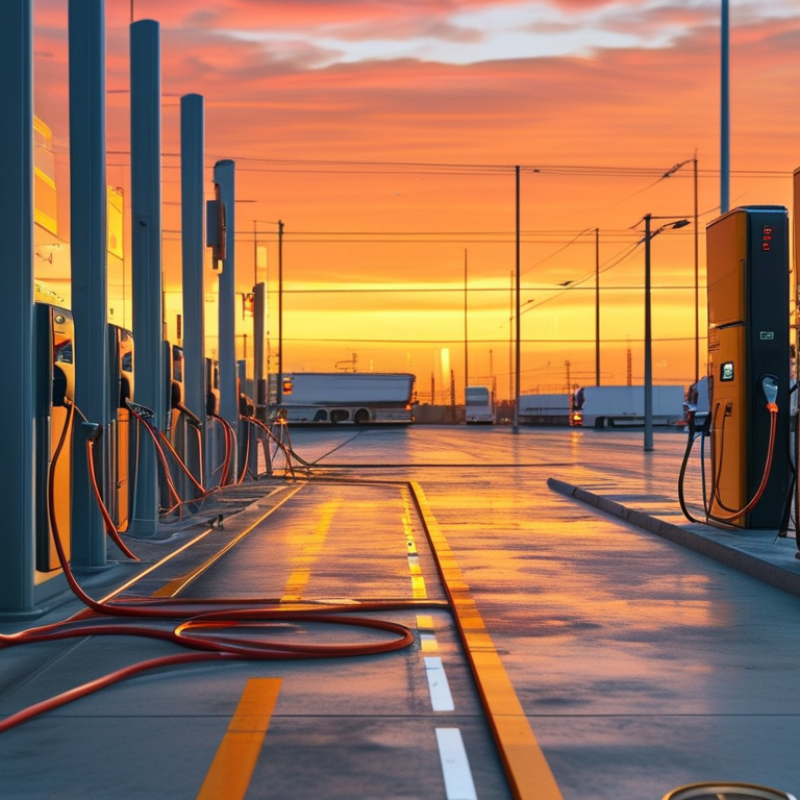
How to Optimize EV Charging for Fleet Vehicles in 2026?

Define Fleet Charging Goals, Vehicle Needs, and Operating Constraints

Fleet charging optimization in 2026 starts with clear operating goals. A depot may prioritize morning readiness, lower energy costs, or reduced peak demand. These goals can conflict. A vehicle ready at 6 a.m. may require overnight charging, even when electricity prices are higher. Define measurable targets, such as 95% daily departure readiness and fewer than two interrupted routes per month.

Vehicle needs should come from real operating data, not assumptions. Review route length, payload, terrain, traffic, weather, and average battery state of charge at return. A refrigerated vehicle may consume significantly more energy during hot afternoons. A van traveling 180 kilometers daily needs a different plan from a local service vehicle traveling 70 kilometers. Record charging time, energy delivered, and missed departures for at least several weeks.

Operating constraints shape the final schedule. Measure available parking spaces, electrical capacity, charger access, driver handover times, and maintenance windows. A fleet with ten vehicles may not need ten simultaneous chargers. Smart scheduling can stagger charging between 9 p.m. and 5 a.m., but only if vehicles return consistently. That assumption may fail. Leave practical reserve capacity for delays, cold weather, and unexpected assignments. Test the plan with a small group first, then compare actual readiness against the target. Keep questioning the data.

Assess Charging Infrastructure, Grid Capacity, and Site Readiness

How to Optimize EV Charging for Fleet Vehicles in 2026?

Fleet charging optimization starts with the site, not the vehicle. Map daily routes, dwell times, charger locations, and peak arrival windows. The IEA’s Global EV Outlook 2025 reports that electric car sales exceeded 17 million in 2024. Commercial fleets will add further pressure to local networks. A depot may need 1–2 megawatts during evening charging. Confirm transformer capacity, feeder limits, and utility upgrade timelines before ordering equipment. Check parking geometry, drainage, fire access, cable reach, and cellular coverage. Small physical constraints can delay a large project.

Grid capacity is only one part of readiness. Conduct a 15-minute load analysis using real operational data. Include refrigeration, lighting, heating, and future vehicle growth. The U.S. National Renewable Energy Laboratory found that managed charging can reduce peak demand and improve charger utilization. However, software cannot fix an undersized transformer. Our early forecast was too optimistic because vehicle departures varied by route. Build a 20% capacity buffer, then test it against winter conditions and missed charging sessions.

Tips: Begin with a two-week site survey. Record every vehicle’s arrival and departure time. Ask the utility for written capacity confirmation. Pilot managed charging on a small group before expanding. Keep one backup charging position. It may appear inefficient, but resilience matters during faults. Review the plan quarterly, because fleet schedules rarely stay stable.

Cite: International Energy Agency, Global EV Outlook 2025; National Renewable Energy Laboratory, Electric Vehicle Charging Infrastructure Trends.

Select Smart Chargers, Energy Controls, and Fleet Management Software

Fleet EV charging in 2026 starts with matching hardware to daily routes, not chasing maximum power. Smart chargers can limit output, stagger departures, and report faults. Choose units with load balancing, clear status lights, and remote diagnostics. A depot with twelve vans may need less peak capacity than its nameplate suggests. Route data proves the difference. Measure arrival charge, departure targets, dwell time, and winter performance. Keep a manual fallback. Software can fail.

Tips: Test one charging bay for four weeks before expanding. Set charging windows around dispatch times and grid constraints. Use energy controls to reduce simultaneous charging during expensive periods. Reserve faster charging for vehicles leaving soon. Fleet management software should connect vehicle data, charger status, energy prices, and maintenance records. Alerts must be useful, not noisy. A message about one failed session may prevent a missed delivery. Review weekly reports with drivers; they notice cable damage and confusing screens earlier than dashboards. Do not trust one month of data. Weather and seasonal routes distort results.

Good control is visible in the morning: vehicles are ready, cables are cool, and electricity use is explainable. Set permission levels for drivers, supervisors, and technicians. Record every software change. Security deserves attention, too; connected chargers need strong authentication and updated firmware. Some predictions will be wrong. Adjust the rules after real depot behavior appears, rather than hiding exceptions in spreadsheets.

How to Optimize EV Charging for Fleet Vehicles in 2026?

Smart chargers, energy controls, and fleet management software can reduce peak demand while ensuring vehicles receive the energy required for their next routes.

Reference scenario: 20 fleet vehicles return with an average 40% state of charge and need 60 kWh each before the next operating day. The chart compares estimated depot peak power under three charging approaches. Values are calculated from a 20-vehicle depot using 11 kW AC chargers.

Schedule Charging Around Routes, Tariffs, and Battery Health

Fleet charging should follow the route, not merely the clock. Dispatchers can match each vehicle’s expected mileage with its battery level before departure. A van returning at 18% needs priority over one returning at 55%. The International Energy Agency reported nearly 14 million electric cars sold globally in 2023. That growth increases pressure on depot capacity and local grids. Route data must include traffic, payload, weather, and unexpected detours.

Tips: Build charging windows around tariff periods. Charge after high-price evening hours when routes allow it. The U.S. Department of Energy notes that time-of-use rates can shift electricity costs significantly by hour. Keep a small energy reserve for late jobs. A perfect schedule rarely survives real traffic.

Battery health also deserves a place in dispatch software. Repeated high-power charging, deep discharges, and long periods at full charge may increase degradation. Research from the National Renewable Energy Laboratory links charging behavior and thermal conditions with battery aging. Use slower charging overnight when time permits. Reserve rapid charging for vehicles facing tight route demands. Do not treat every battery equally. Age, temperature, and usable capacity change the calculation. A pilot fleet may reveal that the cheapest tariff creates more missed departures. That uncomfortable result deserves investigation, not concealment. Review charging logs weekly, then adjust departure targets, reserve levels, and charger assignments.

Measure Results and Improve Fleet Charging Performance Over Time

Fleet charging performance improves when operators measure what happens after every plug-in. Track energy delivered, charging duration, completion rate, peak demand, charger uptime, and cost per mile. Compare these results with vehicle schedules, battery state, weather, and route length. A missed charging session may reflect a poor schedule, a faulty connector, or an early vehicle departure.

Use weekly reports to find repeated delays. For example, three vans may return at 6:00 p.m. and compete for two charging points. Staggering departure times can reduce morning shortages without adding equipment. Test one change at a time, then compare results over two or four weeks. Our first dashboard looked useful, but it ignored idle time after charging ended. That mistake distorted the real cost and required a revised measurement plan.

Tips:

Set practical targets for completion rate and energy cost. Review exceptions, not only averages. Record driver feedback beside the numerical data. Check charger readings against utility bills each month. Keep a manual backup log for unusual events. Small data gaps happen. Address them openly, rather than presenting false precision. Reassess charging limits when routes, temperatures, or vehicle loads change. A fleet that performed well in spring may struggle during a cold morning shift.

FAQS

: What should a fleet charging plan achieve?

: Set measurable goals, such as 95% morning departure readiness. Also track interrupted routes and energy costs. Goals may conflict. Lower prices can delay charging. A six a.m. departure may require overnight charging.

What vehicle data should operators collect?

Review route distance, payload, terrain, traffic, weather, and return battery levels. Record charging time and energy delivered for several weeks. A 180-kilometer van needs more energy than a 70-kilometer service vehicle. Do not rely on assumptions. Real data can be inconvenient.

How do operating schedules affect charging?

Measure arrival times, departure times, driver handovers, and maintenance windows. Charging between 9 p.m. and 5 a.m. works only with consistent returns. Late vehicles can disrupt the entire schedule. Leave reserve capacity for delays and cold weather.

Does every vehicle need its own charger?

Not always. Ten vehicles may operate effectively with fewer than ten simultaneous chargers. Stagger charging according to departure times and route needs. Keep one backup position for equipment faults or unexpected assignments. It may seem inefficient.

What site conditions should be checked before installation?

Inspect parking layout, cable reach, drainage, fire access, and cellular coverage. Confirm transformer capacity and feeder limits with the utility. A small parking obstruction can delay a large project. Walk the site during actual arrival periods.

How can a fleet reduce peak electricity demand?

Use managed charging to stagger sessions and improve charger utilization. Include refrigeration, lighting, heating, and future vehicle growth in the load analysis. A depot may require one to two megawatts during evening charging. Software cannot repair an undersized transformer.

How much electrical capacity reserve is practical?

Consider a 20% capacity buffer for cold weather and missed sessions. Test the plan against winter demand and delayed departures. The buffer may appear excessive. It protects daily operations when assumptions fail.

How should a fleet test its charging strategy?

Begin with a two-week site survey and a small vehicle group. Compare actual readiness with the target after each charging cycle. Review the plan quarterly because routes and schedules change. Our early forecast was too optimistic. Keep questioning the data.

Conclusion

How to optimize EV charging for fleet vehicles begins with aligning charging operations to daily routes, vehicle range requirements, turnaround times, and business priorities. Fleet operators should evaluate where vehicles park, how much power the site can support, and whether electrical upgrades, chargers, and safety systems are ready for deployment. This assessment helps prevent bottlenecks and supports reliable fleet operations as vehicle numbers grow.

The next step is to combine smart charging equipment, energy controls, and fleet management software to coordinate charging automatically. Charging can be scheduled around route departure times, electricity tariffs, peak-demand limits, and battery health targets. By prioritizing vehicles according to operational urgency and available energy, fleets can reduce unnecessary costs while maintaining readiness. Regularly tracking energy use, charging efficiency, vehicle availability, and operating expenses allows managers to identify weak points, refine charging schedules, and improve performance over time.

Mason

Mason

Mason is a seasoned marketing professional with a deep expertise in the company's offerings and a passion for driving brand awareness. With a strong background in digital marketing strategies, he has an innate ability to connect with diverse audiences and effectively communicate product benefits.......