How to Monitor Your EV Battery Health for Longevity?

Time:2026-05-11 Author:Isabella
0%

Owning an electric vehicle (EV) is an investment in sustainable transportation. However, like any technology, EV batteries require care to ensure their longevity. How to monitor your EV battery health is essential for maximizing performance and increasing lifespan. Regularly checking your battery's condition helps prevent unexpected failures. It also enhances the overall driving experience.

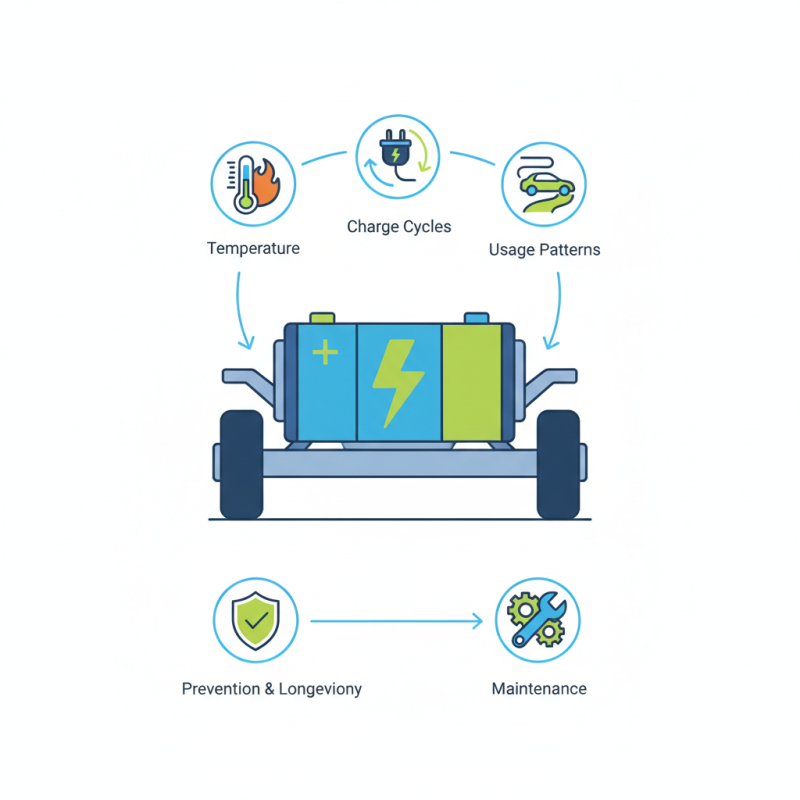
Understanding battery health involves several factors, including charge cycles, temperature, and usage patterns. High temperatures can degrade battery life significantly. Consistently monitoring these elements provides a clearer picture of your battery’s status. Additionally, it's crucial to recognize that battery health can fluctuate based on driving habits.

Many EV owners may overlook their battery’s health until issues arise. This reflex may seem natural, yet it can lead to costly repairs or replacements. A proactive approach fosters better decision-making regarding charging practices and maintenance schedules. By actively engaging in monitoring, you can help extend your EV battery’s life—and enjoy a smoother ride.
How to Monitor Your EV Battery Health for Longevity?

Understanding EV Battery Basics and Lifespan

Understanding EV batteries is crucial for maintaining their health. An EV battery's lifespan typically ranges from 8 to 15 years. However, several factors influence this duration, including charging habits, temperature, and usage. Proper understanding of these elements can help drivers ensure their battery lasts longer.

Monitoring the battery's state of charge is vital. Keep your battery between 20% and 80% charged for optimal health. Frequent deep discharges can shorten lifespan. Overcharging can have similar effects. Regularly checking the battery’s temperature can also indicate potential issues. Extreme temperatures can degrade battery performance.

Tips: Avoid rapid charging unless necessary. It can heat the battery and affect longevity. Regular software updates can enhance battery management systems. Consider using home charging solutions that allow you to control charging times. Simple adjustments can significantly impact your battery's overall performance and wellness.

Common Factors Affecting EV Battery Health

Electric vehicle (EV) batteries are crucial for optimal performance and longevity. Various factors impact the health of these batteries. Temperature fluctuations can significantly affect battery life. According to the U.S. Department of Energy, extreme heat can reduce battery lifespan by up to 30%. Operating your EV in high heat may accelerate degradation. Conversely, extremely cold temperatures hinder battery efficiency, reducing range and power.

Charging habits also play a vital role. Frequent fast charging can stress the battery. A study from the International Council on Clean Transportation (ICCT) shows that regular use of fast chargers can decrease battery capacity by 10% over five years. It's advisable to employ regular charging whenever possible. This gentler approach helps maintain battery health over time.

Another critical factor is battery management systems (BMS). Advanced BMS can monitor individual cell performance. They optimize charging cycles and prevent over-discharge. Research indicates that effective BMS can extend battery life by 20%. Yet, many users neglect these systems, potentially compromising battery longevity. Regular maintenance checks can ensure these systems function correctly. Overall, awareness of these factors aids in maximizing EV battery lifespan.

Key Indicators for Monitoring Battery Performance

Monitoring your electric vehicle's (EV) battery health is crucial for longevity. Start by checking the State of Charge (SOC). It indicates how much energy is left. Keeping the SOC between 20% and 80% is ideal. Avoid letting the battery drop too low. This can harm its lifespan.

Temperature is another vital indicator. Extreme temperatures can stress the battery. Ideally, batteries should operate between 20°C and 25°C. If you live in a hotter or colder climate, consider additional insulation or cooling solutions. Watch for performance drops as well. If your EV isn't accelerating or holding charge as usual, that could signal issues.

Finally, pay attention to cycle count. Each charge and discharge cycle affects overall health. Typically, batteries last around 1,000 cycles. When you exceed this, efficiency may decline. Regular checks on these indicators can help prolong your battery's life. Ensure your EV remains reliable over the long haul.

Routine Maintenance Practices for Battery Longevity

To ensure the longevity of your EV battery, routine maintenance is essential. Regularly checking your charging habits can reveal a lot. For example, avoid charging to 100% frequently. Ideally, keep your battery level between 20% and 80%. This practice helps extend its life.

Temperature management is another critical aspect. Extreme heat or cold can negatively impact battery performance. If possible, park your EV in a garage or shaded area to help regulate temperature. Monitoring the battery’s temperature can also aid in maintaining optimal conditions.

Finally, keep an eye on software updates. Sometimes, manufacturers release updates that improve battery management systems. Engaging with these updates ensures your EV runs efficiently. However, not all updates will be beneficial, so reviewing each one's details is necessary. Recognizing these patterns can help identify potential issues early. Regular self-assessment can illuminate areas needing focus, allowing for better battery health in the long term.

Tools and Apps for Tracking EV Battery Status

Monitoring your electric vehicle (EV) battery health is crucial for longevity. Many tools and apps are available to help you track battery status effectively. According to a study by the International Council on Clean Transportation, battery health can significantly impact the overall lifespan and performance of an EV. Utilizing the right technology can enhance your understanding of your battery’s condition.


One widely-used tool is battery management systems (BMS). These systems provide real-time data on parameters like state of charge (SoC) and temperature. Apps often utilize simplified versions of these metrics to keep drivers informed. For instance, a recent report from the U.S. Department of Energy indicates that keeping your battery between 20% and 80% state of charge can enhance battery life. It’s essential to understand that frequent full charges and deep discharges can degrade battery performance.


Furthermore, several mobile apps help track driving patterns that affect battery health. They can analyze charging habits and provide personalized tips on improving efficiency. Yet, it’s important to remember that not all apps are created equal. Some may lack depth in data or offer unclear insights. Re-evaluating the tools we use to monitor battery health can help us avoid pitfalls. The right approach ensures that your EV battery remains reliable and durable over time.

FAQS

: How do temperature fluctuations affect EV battery health?

: Extreme heat can reduce battery lifespan by up to 30%. Cold temperatures hinder efficiency and range.

What charging habits should I avoid for my EV battery?

Frequent fast charging stresses the battery. Regular charging between 20% and 80% is recommended for better longevity.

How can a battery management system (BMS) enhance battery life?

An effective BMS can extend battery life by 20%. It monitors cell performance and optimizes charging cycles.

Why is routine maintenance important for EV batteries?

Regular maintenance helps identify issues early. It ensures optimal performance and longevity of the battery.

How can I manage temperature for better battery performance?

Park your EV in a garage or shaded area. Monitor battery temperature to maintain optimal conditions.

What should I consider regarding software updates for my EV?

Software updates can improve battery management. Not all updates are beneficial, so review each one's details carefully.

What tools can help track the health of my EV battery?

Battery management systems provide real-time data. Mobile apps can track driving patterns and charging habits.

How often should I check my charging habits?

Regular checks can reveal valuable insights. Avoid charging to 100% frequently to help extend battery life.

Are all battery monitoring apps equally effective?

No, some apps lack detailed data or clarity. Re-evaluating the tools used can help avoid pitfalls.

What is the ideal state of charge for my EV battery?

Keeping the battery between 20% and 80% state of charge can enhance its lifespan significantly.

Conclusion

Monitoring your EV battery health is essential for maintaining its longevity and performance. To understand how to monitor your EV battery health, start by familiarizing yourself with the basics of EV batteries, including their lifespan and what affects their performance. Factors such as temperature, charging habits, and usage patterns can significantly impact battery health. Regularly checking key indicators like charge cycles, voltage levels, and capacity can help you assess the battery's condition.

Routine maintenance practices, such as avoiding deep discharges and keeping the battery within optimal temperature ranges, can further enhance longevity. Additionally, utilizing various tools and apps designed for tracking EV battery status allows you to stay informed about crucial metrics and alerts, ensuring timely interventions when necessary. By following these guidelines, you can effectively monitor your EV battery health and optimize its lifespan for ongoing performance.

Isabella

Isabella

Isabella is a dedicated marketing professional with a sharp focus on driving brand growth and engagement through strategic content creation. With an extensive background in digital marketing, she combines her passion for storytelling with her keen understanding of industry trends to deliver......