Proper maintenance is crucial for electric vehicle (EV) charging equipment. Understanding how to maintain EV charging equipment ensures efficiency and longevity. Regular checks can prevent common issues.
One important aspect is inspecting connections and cables. Dust and debris can accumulate, causing performance problems. Periodic cleaning is essential. Another key factor is software updates. Ensure that charging stations are running the latest firmware. This prevents compatibility issues with new EV models.
Neglecting these tasks can lead to costly repairs or even equipment failure. The industry lacks standardized maintenance procedures, making personal diligence vital. Regular maintenance can improve user experience and reliability, enhancing your EV charging infrastructure. Proper care fosters trust among users and operators alike.
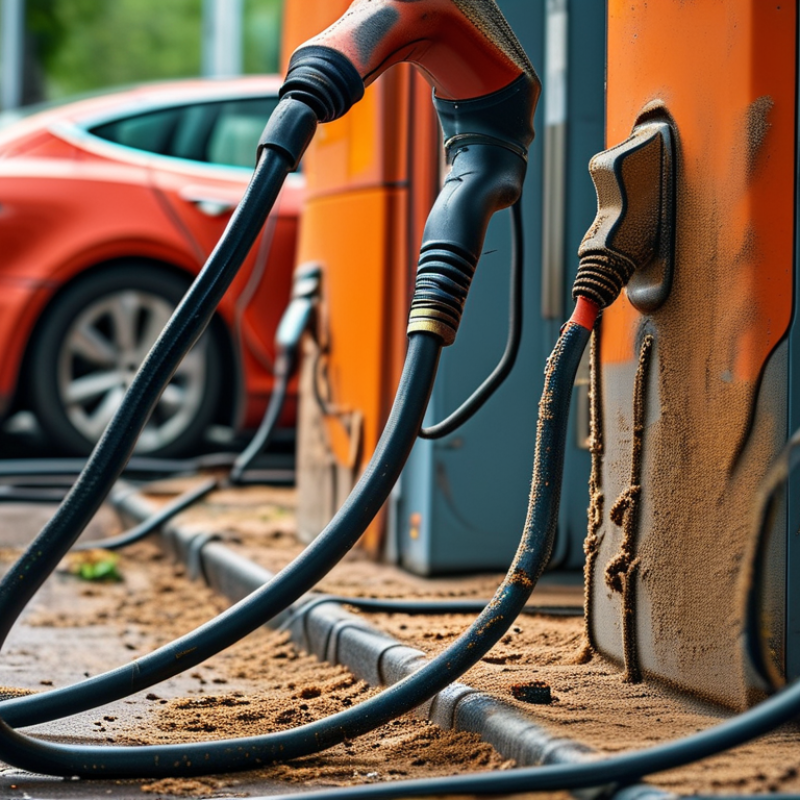
Regular maintenance of EV charging equipment is crucial for optimal performance. Over time, wear and tear can impact the functionality of these systems. Components like cords and connectors may degrade, leading to inefficiencies. A small crack in the cable can cause significant power loss. Regularly inspecting these items helps identify issues early and prevents costly repairs.
Additionally, dust and debris accumulate over time. This can block vents and cooling systems, leading to overheating. It’s important to clean charging stations regularly. Not all maintenance tasks are easy; some might require professional help. However, ensuring that the equipment remains in top shape will enhance its lifespan and reliability.
Scheduling periodic checks is often overlooked. Equally, keeping a log of maintenance activities can reveal patterns. Are certain parts failing more frequently? Such insights can drive improvements. Instead of waiting for a malfunction, proactive maintenance is the better strategy. It not only ensures efficiency but also builds confidence among users.
Maintaining EV charging stations is critical for ensuring optimal performance. The key components of these stations demand regular attention. These include connectors, cables, and electrical systems. According to a report from the International Energy Agency, the adoption of electric vehicles is expected to reach 145 million by 2030. This rise highlights the necessity for maintaining charging infrastructure.
Connectors often face wear and tear due to frequent use. Inspecting them for any signs of damage is vital. Over time, a faulty connector can lead to inefficient charging and increased downtime. In addition, cables should be checked regularly for any fraying or insulation damage. Failure to do so can result in electrical hazards, severely compromising safety and functionality.
The electrical systems powering the stations must also be monitored. A study from the U.S. Department of Energy found that well-maintained systems can enhance charging efficiency by up to 20%. Regular calibration and software updates play an essential role in maintaining performance. Neglecting these aspects may lead to lower efficiency and increased energy costs. Thus, investing in regular maintenance is not just a safety measure but a smart financial decision for operators.
| Key Component | Maintenance Frequency | Maintenance Tasks | Expected Lifespan |
|---|---|---|---|
| Charging Cable | Monthly | Inspect for wear and tear, clean connectors | 5-10 years |
| Power Supply Unit | Quarterly | Check connections, test voltage outputs | 7-12 years |
| Cooling System | Bi-Annually | Clean cooling fans, check fluid levels | 10-15 years |
| Software System | Monthly | Check for updates, monitor for errors | Indefinite (with updates) |
| Enclosure | Yearly | Inspect for damage, clean surfaces | 15-20 years |
Inspecting EV charging equipment is crucial for optimal performance. Regular checks help identify wear and tear. Start by visually examining the charging station. Look for cracks, rust, or loose connections. Even small surface damage can lead to bigger issues later. Pay close attention to the cables and connectors. Check for fraying or exposed wires. These can pose safety risks.
After the visual inspection, it’s essential to test the functionality. Plug in an EV and observe the charging process. If the equipment fails to deliver power, further investigation is needed. It can indicate underlying issues. Additionally, consider dust accumulation. Dusty surfaces can lead to overheating. Clean the equipment gently with appropriate tools. Use a soft cloth to wipe down surfaces.
Documentation is also important. Keep a log of your inspections. Record any identified issues and repairs made. This helps track the condition of the equipment over time. Regular maintenance might reveal areas needing improvement. Some components may need more frequent checks than others. Reflect on your routine and adjust as necessary for long-term reliability.
Maintaining EV charging stations involves more than just operational checks. Regular cleaning is essential for optimal performance. Dust and debris can obstruct connectors and sensors. A study by the International Energy Agency highlights that unclean charging equipment can reduce efficiency by up to 15%. Simple cleaning with microfiber cloths can make a significant difference.
Upgrading software is equally vital. Many manufacturers provide updates to enhance functionality and security. According to a report from the Electric Power Research Institute, 30% of charging failures are linked to outdated software. Regularly checking for updates helps ensure reliability. Operators should also consider electrical inspections every six months. Loose connections may cause malfunctions or safety hazards.
When cleaning, use non-corrosive materials. Avoid harsh chemicals that could damage surfaces. Keeping records of maintenance activities is another important practice. Documentation can help identify recurring issues. Regular reflection on service history may reveal patterns that need addressing.
Monitoring performance metrics is essential for maintaining EV charging equipment in peak condition. Regular assessment of voltage, current, and temperature can help identify issues before they escalate. Simple tools, like smartphone apps or basic data loggers, can track these metrics. Keeping an eye on these parameters ensures that any deviations can prompt immediate corrective actions.
In addition to routine checks, analyzing usage patterns can highlight inefficiencies. For instance, if a charger experiences frequent overloads, its utilization may need reevaluation. Misalignments in usage can suggest underlying problems that require attention. Recording these insights helps create tailored maintenance schedules rather than relying on generic timelines.
While technology provides valuable data, one must acknowledge limits. Sometimes, a device may show normal metrics but still perform poorly. This mismatch requires deeper investigation. Ensure that installation conditions and user interfaces are optimal. Addressing these subtle factors can enhance the overall reliability of EV charging infrastructure.
: Regular maintenance ensures optimal performance and prevents wear and tear that can lead to costly repairs.
Key components include connectors, cables, and electrical systems, all requiring regular inspection and maintenance.
Wear and tear can reduce efficiency and cause significant power loss, especially with damaged cables and connectors.
Faulty connectors can lead to inefficient charging and increased downtime, impacting user experience negatively.
Accumulated dust and debris can block vents, causing overheating and potential malfunctions.
Proactive maintenance helps identify patterns of failure, leading to more informed decisions about upgrades or replacements.
Not all tasks are easy, but some basic inspections and cleaning can often be performed by users.
Well-maintained systems can enhance charging efficiency by up to 20%, saving energy costs.
Proactive maintenance not only keeps systems running smoothly but also builds trust in the reliability of the stations.
Keeping a log of maintenance activities reveals patterns and highlights components that may fail more frequently.
Regular maintenance of EV charging equipment is crucial for ensuring optimal performance and longevity. Understanding how to maintain EV charging equipment involves recognizing key components that require regular attention, such as cables, connectors, and hardware. Inspecting these elements for wear and tear is essential, and a step-by-step guide can help users identify potential issues before they escalate.
Best practices also play a vital role in maintenance, including routine cleaning and timely upgrades to the charging stations. Moreover, monitoring performance metrics allows for effective maintenance strategies, enabling operators to proactively address any problems. By following these guidelines, EV charging equipment can remain efficient and reliable, contributing to the growing adoption of electric vehicles.

Voltura Charger