As the demand for electric vehicles grows, knowing how to install an EV charging station safely is crucial. Homeowners and businesses are increasingly investing in charging infrastructure. However, safety must always be a priority during installation.
Consider the importance of professional help. Hiring a certified electrician ensures proper adherence to safety standards. This minimizes risks such as electrical fires. Yet, not every contractor has the right experience. Researching credentials is essential for a safe installation.
Another factor is the location of the charging station. It should be accessible but away from potential hazards. Planning the layout might pose challenges. Balancing convenience and safety is not always straightforward. Mistakes can lead to costly setbacks. It's wise to reflect on these details before proceeding.
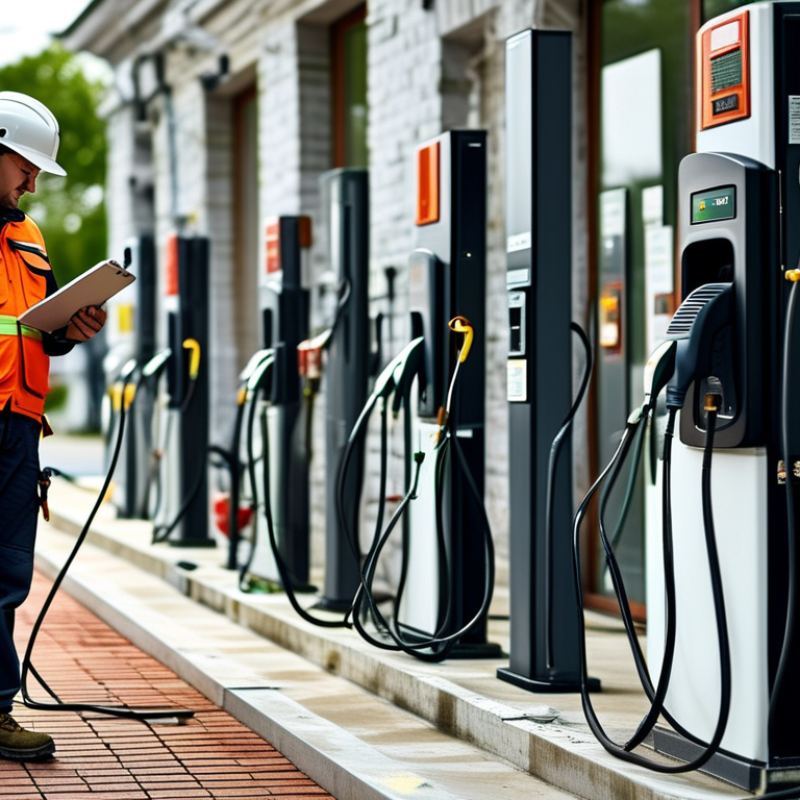
As electric vehicles (EVs) gain popularity, understanding the regulations for EV charging station installations in 2026 is crucial. Compliance with these regulations ensures safety and efficiency. The 2026 guidelines emphasize specific installation standards that must be followed. Installers should be familiar with local building codes and utility requirements. Overlooking these details can lead to potential hazards and costly corrections later.
Proper site assessment is vital. Identifying the right location for the charging station minimizes risk and enhances accessibility. Installers must ensure sufficient electrical capacity exists. Upgrading existing infrastructure could be necessary, a step that many might underestimate. Accurate installation is critical, as mistakes can impede user experiences and harm appliances. Regular maintenance checks should be scheduled to ensure ongoing compliance with safety regulations.
It's important to advocate for certified professionals. Knowledgeable technicians can help navigate the intricate requirements of EV charging stations. Their expertise significantly reduces risks associated with improper installations. Each installation presents unique challenges, and thorough planning is key. Engaging in continuous learning about evolving regulations is essential for everyone involved in the process. Accurate documentation and record-keeping create a reliable foundation for future evaluations and improvements.
Installing an EV charging station requires careful consideration of electrical infrastructure. Assessing your home's capacity is the first step. Most homes are equipped to handle normal loads, but an EV charger adds significant demand. It’s crucial to check if your existing system can support this increase in power.
You should consult with a licensed electrician. They can evaluate your service panel and wiring. Often, older homes may need an upgrade to meet safety standards. Look for signs of wear in your circuit breakers or wiring. A malfunction could lead to dangerous situations.
Even with a robust setup, human error can occur. Ensure that the installation follows all local guidelines. Regularly inspect the charging equipment, as maintenance plays a vital role in safe usage. Be aware that not all areas have the same standards. Variations in regulations can affect how safely your station operates. Awareness of these differences is essential for a safe and effective installation.
| Dimension | Details |
|---|---|
| Electrical Capacity | Minimum 200 Amps |
| Safety Standards | UL 2202, NEC 625 |
| Location Requirements | Near parking space, with proper ventilation |
| Installation Type | Level 2 Charging Station |
| Electrical Wiring Type | Copper Wiring, minimum 6 AWG |
| Permit Requirements | Local Government Approval |
| Cost Estimate | $2000 - $5000 |
When it comes to installing an EV charging station, choosing the right type is crucial. The two main options are Level 2 chargers and DC Fast Chargers. Each has unique features that cater to different needs and circumstances.
Level 2 chargers are widely used in residential settings. They can deliver up to 240 volts, providing about 10 to 60 miles of range per hour of charging. This makes them ideal for overnight charging at home. However, they may not be suitable for every situation, especially if you require quick top-ups during busy days.
On the other hand, DC Fast Chargers are designed for rapid charging. They can fill up a vehicle's battery to 80% in approximately 30 minutes. This is invaluable for long trips or for users who need to charge quickly. The downside? Accessibility can be an issue. Not every area has these chargers available. Users must weigh convenience against time requirements.
Understanding these differences can streamline the installation process. Assess your daily driving habits and charging needs thoroughly. Choosing the right station can enhance your EV experience significantly.
When installing an EV charging station, compliance with local regulations is crucial. According to the International Electrotechnical Commission (IEC), about 25% of installation projects face delays due to permit issues. Ensuring adherence to electrical codes can prevent costly setbacks. Engaging certified electricians who understand these codes can streamline the process significantly.
Location is another vital factor. Charging stations should be easily accessible and well-lit to enhance safety. Data from the U.S. Department of Energy indicates that 70% of users prefer stations that are visible and convenient. Additionally, avoiding high-traffic areas can reduce the risk of accidents. This necessitates thorough site assessments to identify optimal positioning for maximum usability and safety.
Finally, establishing strong safety protocols is non-negotiable. Training employees who will manage the station is essential to address potential hazards. While many installations prioritize aesthetics, real-world impacts should take precedence. For example, ensuring adequate signage can reduce confusion and potential accidents. Yet, despite knowledge on these protocols, some stations overlook critical aspects, leaving room for improvement in the industry’s approach to safety.
Maintaining an EV charging station is vital for safety and efficiency. Regular inspections should become a part of your routine. Check all electrical connections monthly. Look for frayed wires or loose fittings. These small issues can lead to significant problems if ignored. Keeping the area around the station clean is also important. Remove any debris that could cause tripping hazards.
Upgrading your charging station periodically is necessary to keep up with technology. Advances in charging speeds and efficiency happen frequently. Staying informed about these changes can help you decide when to upgrade. You may need to replace your charger or update your software. Not every upgrade will be worth it, though. Evaluate costs versus benefits before making a decision.
To ensure long-term safety, document all maintenance activities. Record when inspections occur and what issues were found. This information can help identify patterns and prevent future problems. Being proactive is crucial. Learning from past mistakes can lead to safer operations in the future. Embrace the chance to improve.
: Assess your home's electrical capacity before proceeding with the installation.
They can evaluate your electrical system and ensure it meets safety standards.
Older homes may need electrical upgrades to handle the increased power demand.
Check for wear in circuit breakers or wiring, as they can lead to dangerous situations.
Following regulations can prevent delays and complications during the installation process.
Choose accessible and well-lit locations to reduce accident risks.
Monthly inspections help identify issues like frayed wires that could lead to problems.
Keep records of inspections and issues found for better future management.
Upgrading chargers periodically can enhance speed and efficiency but requires cost evaluation.
Proper signage and employee training can be neglected, leading to safety risks.
In the guide "How to Install an EV Charging Station Safely in 2026," we explore the essential regulations and considerations for setting up EV charging stations to ensure compliance and safety. Understanding the 2026 regulations is crucial, as they dictate safety standards and electrical infrastructure capacity needed for successful installation. Choosing the right charging solution, whether a Level 2 or a DC fast charger, plays a significant role in meeting your specific needs.
Key installation steps include adhering to compliance regulations, selecting an appropriate location, and following established safety protocols. Finally, ongoing maintenance and upgrades are vital for maintaining the efficiency and safety of the charging station over time. By following these guidelines, you will effectively learn how to install an EV charging station safely, fostering a reliable charging experience for all users.

Voltura Charger