How to Identify Common Problems with EV Connectors?

Time:2026-05-07 Author:Sienna
0%

Electric vehicles (EVs) represent a significant shift toward sustainable transportation. However, with this evolution comes challenges, particularly regarding charging infrastructure. One crucial component is the EV connector. Understanding common problems with EV connectors can enhance the charging experience.

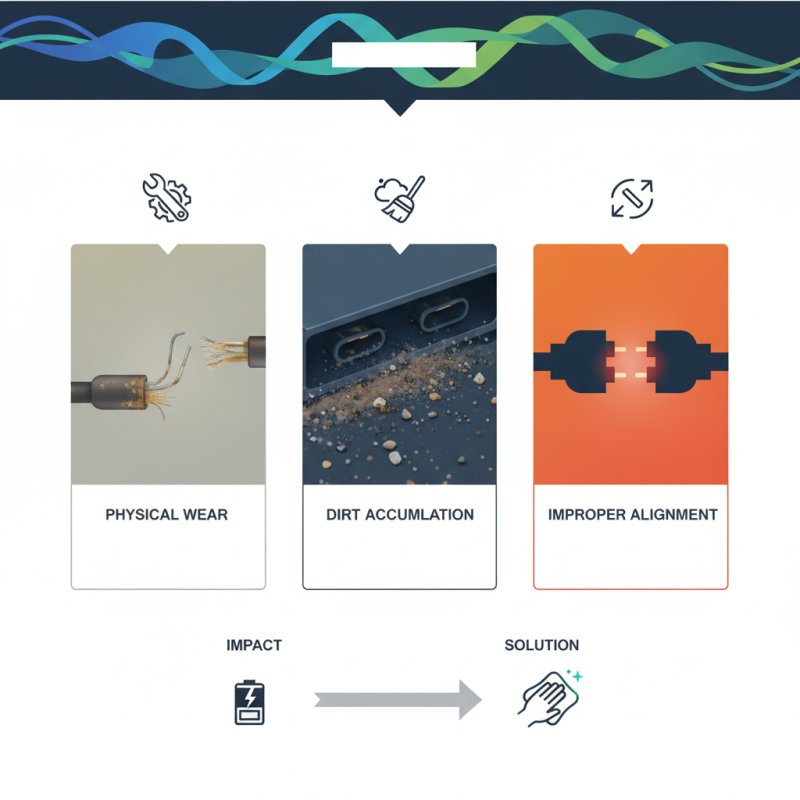
What are common problems with EV connectors? Often, issues include physical wear, dirt accumulation, and improper alignment. Such problems can lead to inefficient charging or even damage to the vehicle's charging port. Users may overlook these details, thinking connections are straightforward. However, a closer inspection often reveals subtle yet critical factors affecting performance.

Regular maintenance is essential for preventing connector issues. Ensuring connectors are clean and free from debris can prolong their lifespan. Users might underestimate the impact of a dirty connector, inadvertently leading to costly repairs. As we navigate the electric future, recognizing these potential pitfalls is vital for both users and manufacturers.
How to Identify Common Problems with EV Connectors?

Understanding the Basics of EV Connectors and Their Functions

Electric Vehicle (EV) connectors are essential components that link EVs with charging stations. Understanding their design and function is crucial for ensuring seamless charging experiences. According to recent industry reports, the global EV market is projected to grow at a compound annual growth rate of 29% until 2027. This growth places increased demand on connectors and highlights the need for effective identification of potential issues.

EV connectors typically come in various types, including Type 1, Type 2, and CHAdeMO. Each type serves different charging standards. However, common problems arise, such as poor connections, wear and tear, or overheating. A study found that nearly 15% of charging failures result from connector-related issues. Inspecting the connector for physical damage, ensuring the pins are clean, and verifying compatibility with the charging infrastructure can help mitigate these challenges.

Moreover, ensuring adherence to industry standards is vital. EV connectors must comply with safety regulations to prevent electric shocks or fire hazards. However, not all connectors perform equally. Some may lack durability or fail under extreme weather conditions. Regular maintenance and inspection are necessary for long-term reliability. Addressing these concerns ensures that EV owners can benefit from a seamless charging experience without interruption.

Common Types of Problems Associated with EV Connectors

Electric vehicle (EV) connectors are vital for charging systems, yet they often encounter issues. Understanding the common problems can enhance reliability and safety. One prevalent issue is connector wear and tear. Prolonged use can cause degradation, leading to poor connectivity.

According to a study by the Electric Power Research Institute, 45% of charging failures stem from connector damage.

Another significant concern involves electrical arcing. This occurs when connectors do not securely connect due to dirt or misalignment. Electrical arcing can lead to overheating, posing risks of fire.

The National Fire Protection Association highlights that arcing contributes to 20% of charging-related incidents, emphasizing the need for regular maintenance.

Moreover, software-related issues can affect connector functionality. As EV technology evolves, software updates become crucial. A report from the International Council on Clean Transportation found that 25% of EV owners faced connectivity issues after software changes.

Regular checks for software updates and hardware inspections are essential. Addressing these problems proactively can improve the overall EV charging experience.

Signs Indicating Issues with EV Connectors

When it comes to electric vehicle (EV) connectors, identifying issues early can save time and money. Signs indicating problems are often subtle yet critical. A burning smell is one of the first indicators. If you notice this, it could mean the connector is overheating. This can lead to more severe issues if not addressed quickly.

Another common sign is inconsistent charging. If your EV suddenly stops charging or has erratic charging times, it may indicate a problem with the connector. Check for visible wear or damage on the connector itself. Cracks or breaks in the casing can expose wires, leading to malfunction. Sometimes, the connector could be loose, failing to make proper contact.

Regular inspections are key. Look for corrosion on metal connectors. This can impede the electric flow. If you spot rust or discoloration, a replacement might be necessary. Always prioritize safety and reliability by addressing these issues promptly. Don't ignore the warning signs; they could lead to bigger repairs down the road.

Common Problems with EV Connectors

Step-by-Step Troubleshooting for EV Connector Problems

Identifying problems with EV connectors can seem daunting, but a systematic approach helps. Start by inspecting the connectors visually. Look for signs of damage, corrosion, or dirt. Any foreign material can cause poor connections. If the connectors are clean, check the fit. Loose connections can lead to charging issues.

Tips: Regularly clean your connectors. Use a soft cloth to remove any debris. This small step can prevent bigger issues down the road.

Next, test the electrical flow. A multimeter is handy for checking voltage. If the voltage is low, there might be an internal issue. Sometimes, cables may appear fine but could be frayed internally. Pay attention to physical wear.

Tips: Always ensure your equipment is unplugged before testing. Safety should be your priority. If you notice things seem off, do not hesitate to consult a professional. Trust your instincts; experience matters.

Preventive Measures to Avoid EV Connector Issues in the Future

To ensure optimal performance, it's essential to address common problems with EV connectors proactively. Regular inspections can reveal wear and tear that leads to malfunctions. Look for discoloration or cracks in the connector casing. These signs often indicate exposure to extreme conditions. Additionally, check for corrosion on the metal contacts. This can happen due to moisture accumulation, significantly impacting conductivity.

To prevent future issues, proper maintenance of EV connectors is crucial. Use protective covers when not in use to shield against dirt and debris. Regularly cleaning the connectors with a soft cloth can prevent buildup. Also, consider organizing charging sessions to minimize wear from frequent plugging and unplugging. Remember, even minor neglect can lead to significant issues down the road. It's vital to treat these components with care to ensure long-lasting and reliable performance.

How to Identify Common Problems with EV Connectors? - Preventive Measures to Avoid EV Connector Issues in the Future

Problem Description Preventive Measure Frequency of Occurrence
Connector Damage Physical damage due to external forces. Use protective covers and avoid overloading. Occasional
Corrosion Chemical reaction causing deterioration of metal parts. Regularly clean connectors and apply anti-corrosion treatment. Common
Loose Connections Ineffective electrical contact due to poor fitting. Ensure proper installation and check connections regularly. Frequent
Overheating Excessive heat generation during charging. Monitor charging currents and ensure compatibility with vehicle. Rare
Compatibility Issues Incompatibility between charger and vehicle. Verify compatibility before charging. Occasional

FAQS

: What are EV connectors?

: EV connectors link electric vehicles with charging stations. They allow for safe electrical connections during charging.

Why is understanding EV connectors important?

Understanding their design and function ensures safe and efficient charging experiences for electric vehicle owners.

How many types of EV connectors are there?

There are several types, including Type 1, Type 2, and CHAdeMO. Each serves different charging standards.

What common problems occur with EV connectors?

Issues include poor connections, wear, and overheating, which can lead to charging failures.

How can I maintain my EV connectors?

Regular inspections and cleaning help. Look for discoloration, cracks, or corrosion to ensure proper functionality.

How does weather affect EV connectors?

Extreme weather can cause damage. Inspect connectors after significant weather changes to ensure they remain functional.

What can prevent charging failures?

Use protective covers and clean connectors regularly. Organizing charging sessions can also help minimize wear.

What should I do if I notice connector damage?

Inspect it closely and consider seeking professional help to avoid potential failures in charging during use.

Are all EV connectors equally durable?

No, some connectors may not last under extreme conditions. Regular maintenance can help improve their lifespan.

Why is regular maintenance of EV connectors necessary?

Neglecting maintenance can lead to significant issues, affecting charging reliability and vehicle performance down the line.

Conclusion

Electric vehicle (EV) connectors are crucial components for charging systems, and understanding their functionality is essential for effective maintenance. The article outlines common problems associated with EV connectors, such as wear and tear, corrosion, and improper connections. It emphasizes the importance of recognizing signs that indicate issues, including inconsistent charging or physical damage to the connector itself.

To address the question, "What are common problems with EV connectors?" the article provides a step-by-step troubleshooting guide to identify and resolve these issues efficiently. Additionally, it offers preventive measures to mitigate future connector problems, ensuring the longevity and reliability of the EV charging experience. By being proactive and knowledgeable, EV owners can maintain their charging systems effectively and minimize potential disruptions.

Sienna

Sienna

Sienna is a skilled marketing professional with a deep expertise in our company’s core products and services. With a passion for innovation and detail, she plays a pivotal role in crafting insightful blog posts that not only highlight the unique features of our offerings but also provide valuable......