Future Proof Your Home EV Charging Solutions Today?

Time:2026-07-02 Author:Amelia
0%

As electric vehicles gain popularity, the importance of home EV charging solutions grows. Experts advise homeowners to consider how to future-proof EV charging at home. John Greaves, a leading consultant in sustainable energy, emphasized, "Planning ahead transforms your charging setup into a long-term asset."

With technology rapidly advancing, it’s critical to assess your home’s current electrical capacity. Many homes may not have sufficient power to support multiple EVs. Installing a dedicated circuit for EV charging can make a significant difference. This step ensures you avoid costly upgrades later.

Another important factor is the choice of charger. Level 2 chargers offer faster charging and are more efficient. However, not all chargers meet future standards. Selecting a smart charger is essential in preparing for evolving technology. The landscape is ever-changing, and adapting to these innovations is part of how to future-proof EV charging at home. Thoughtful preparation today can save headaches down the road.
Future Proof Your Home EV Charging Solutions Today?

Understanding the Importance of Home EV Charging Solutions

As the electric vehicle (EV) market expands rapidly, understanding the importance of home EV charging solutions is crucial. According to the International Energy Agency, global EV sales reached over 6 million units in 2021, showing a 108% increase from the previous year. This surge in adoption emphasizes the need for reliable home charging options.

Home charging solutions provide convenience and cost savings. Many families find that charging at home can reduce costs by up to 60% compared to public charging stations. However, some homeowners may overlook the electrical capacity of their home, which can lead to problems. It’s essential to evaluate whether existing wiring can support a Level 2 charger. An inadequate setup can result in slow charging times or safety hazards.

Moreover, the installation of a home charging station can prove daunting. It requires not just electrical work but also proper permits in some areas. In some regions, an estimated 30% of installations face compliance issues. Educating oneself about local regulations and seeking expertise can help navigate these challenges more effectively. Investing in smart charging solutions can future-proof home EV setups. It allows users to optimize charging times according to energy costs. This awareness fosters sustainability, reflecting changing energy consumption patterns.

Assessing Your Home's Electrical Infrastructure for EV Charging

When considering home EV charging solutions, assessing your electric infrastructure is crucial. According to the U.S. Department of Energy, approximately 80% of EV charging occurs at home. However, many homes lack the proper electrical capacity to support a Level 2 charger. This charger can provide a full charge overnight, but outdated wiring or insufficient amperage can limit its effectiveness.

A comprehensive evaluation of your home's electrical panel is essential. Most homes built after 2005 have a 200-amp panel, which is often adequate. Nevertheless, older homes may fall short. Experts recommend checking your panel's capacity and the condition of wiring. A survey by the Electric Power Research Institute indicates that up to 30% of homeowners may need to upgrade their systems to accommodate EV charging.

Homeowners should also consider future energy needs. As more residents transition to electric vehicles, charging demands will rise. Storage systems, like home batteries, can offset peak usage times too. The integration of renewable energy sources can further enhance reliability. Conducting a thorough assessment can prevent costly surprises and ensure your home is ready for the electrified future.

Exploring Different Types of EV Chargers for Home Use

As electric vehicles (EVs) gain popularity, home charging solutions need careful consideration. Different types of chargers suit various needs. The most common types are Level 1, Level 2, and DC fast chargers. Each has distinct features and installation requirements.

Level 1 chargers are the simplest, using a standard outlet. They offer 2-5 miles of range per hour of charging. This is often insufficient for daily drivers. Level 2 chargers are more efficient, providing 10-60 miles of range per hour. This type is becoming the preferred choice for homeowners. They require a dedicated circuit and professional installation.

DC fast chargers are still rare in residential settings. They deliver rapid recharging but are cost-prohibitive for most homeowners. According to a 2022 report by the US Department of Energy, 75% of all EV owners charged at home. This statistic emphasizes the need for effective home charging solutions. Many homeowners might overlook wiring capacity when installing a charger. This can lead to insufficient power delivery and safety concerns. Careful evaluation of home infrastructure is crucial.

Future Technologies in Home EV Charging Systems

The evolution of home EV charging technologies is imperative for future-proofing our homes. As electric vehicle adoption surges, reliable charging solutions become essential. Smart charging stations, equipped with advanced energy management systems, are leading this transformation. They adapt to energy demand and optimize charging times to take advantage of lower electricity rates.

Consider vehicle-to-home technology, which allows EVs to supply power back to your home. This turns your electric vehicle into a backup energy source. Such innovations raise questions about infrastructure readiness. Are our homes prepared for such advanced systems? The costs of installation and potential upgrades can be daunting, prompting many to reflect on their current setups.

Wireless charging is another exciting development on the horizon. While it promises convenience, effectiveness remains a concern. How much energy loss occurs during transfer? Early prototypes show promise but lack widespread deployment. Homeowners may hesitate until these concerns are addressed. Each of these technologies requires thoughtful integration to ensure sustainability and cost-efficiency.

Future Proof Your Home EV Charging Solutions Today? - Future Technologies in Home EV Charging Systems

Technology Charging Speed (kW) Connector Type Smart Features Estimated Cost ($)
Level 1 Charger 1.4 - 1.9 NEMA 5-15 None 300 - 600
Level 2 Charger 3.3 - 19.2 J1772 Wi-Fi, App Control 500 - 1,500
DC Fast Charger 50 - 350 CHAdeMO, CCS Payment Integration, Remote Monitoring 10,000 - 40,000
Wireless Charging Up to 11 N/A Automatic Connection 3,000 - 6,000

Tips for Integrating Renewable Energy with EV Charging Solutions

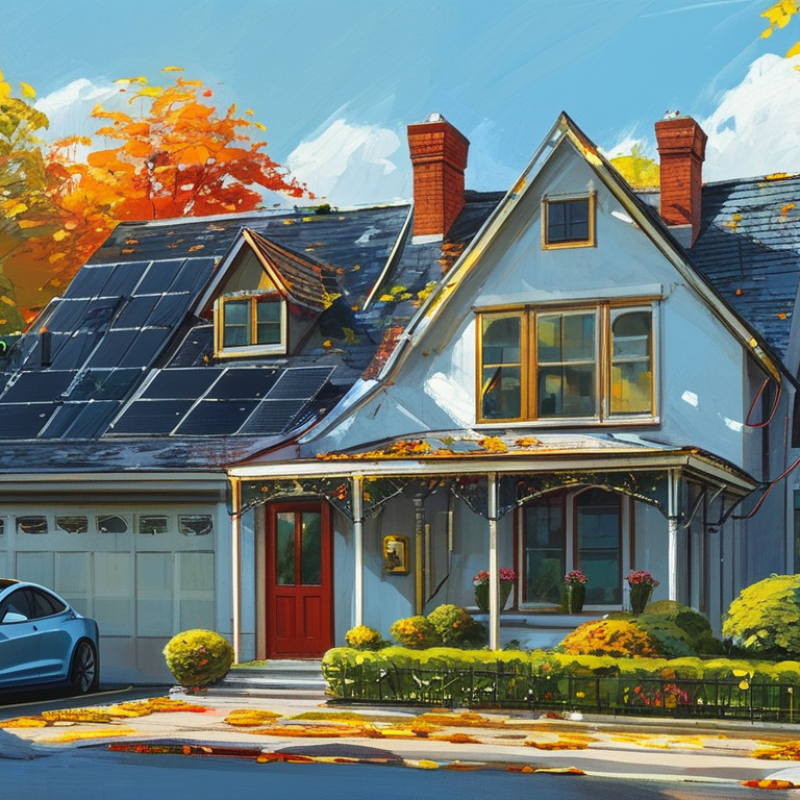
Integrating renewable energy with your electric vehicle (EV) charging solutions can seem daunting. However, it offers both environmental and economic benefits. Solar panels are an excellent option for homeowners. They harness energy directly from the sun, providing a sustainable power source for charging your EV. Imagine hooking up your car to charge during the day while your solar panels are working at full capacity.

Wind turbines can also be part of the mix. They generate energy even on cloudy days or at night, ensuring a steady supply. This combination can greatly reduce reliance on the grid. However, installing these systems isn’t without challenges. Not all homes are suited for solar or wind energy. Local regulations and space constraints can limit your options.

Battery storage systems can bridge the gap. These devices store energy for later use. You might find that balancing energy production and consumption takes some trial and error. Monitoring your usage regularly will guide improvements. Adapting your charging habits can lead to better energy management. Setting timers can optimize battery usage and extend the lifespan of your equipment. Engaging with community forums can also provide insights from others facing the same hurdles.

FAQS

: Why are home EV charging solutions important?

: Home EV charging solutions are vital due to the rapid growth in electric vehicle sales. They offer convenience and cost savings for families.

How much can I save by charging at home?

Charging at home can save families up to 60% compared to using public charging stations.

What should I consider before installing a home charger?

Evaluate your home's electrical capacity. Ensure your wiring supports a Level 2 charger to avoid slow charging times.

Are there challenges in installing home charging stations?

Yes, installations can be complex, requiring electrical work and proper permits. About 30% face compliance issues.

How can I incorporate renewable energy for EV charging?

Solar panels can provide sustainable power. You can charge during daylight when solar energy is at its peak.

What if my home isn't suitable for solar or wind energy?

Consider battery storage systems. They store energy for later use, even when solar or wind resources are low.

How can I improve my energy management for charging?

Regularly monitor your energy use. Adjusting your charging habits and setting timers can optimize efficiency.

What common mistakes do people make regarding home charging?

Many overlook their wiring capacity or the need for local permits, leading to potential safety hazards or installation delays.

How can I connect with others for insights?

Engage with community forums. Sharing experiences can provide valuable insights on overcoming common challenges.

Is it easy to navigate local regulations for installations?

No, it can be tricky. Educating yourself on local laws helps prevent compliance issues and ensures a smoother installation process.

Conclusion

As electric vehicles (EVs) become increasingly popular, understanding how to future-proof EV charging at home is essential. This involves assessing your home's electrical infrastructure to determine its capacity for EV charging and exploring various types of home chargers available on the market. Future technologies promise to enhance home EV charging systems, making them more efficient and user-friendly.

Moreover, integrating renewable energy sources, such as solar panels, can further optimize your home charging experience and reduce dependence on traditional energy sources. By focusing on these key aspects, homeowners can ensure that their charging solutions are not only compatible with current vehicles but also adaptable for future advancements in EV technology.

Amelia

Amelia

Amelia is a seasoned marketing professional with a wealth of expertise in our company’s core offerings. With an unwavering passion for driving growth and innovation, she plays a pivotal role in shaping our marketing strategies and enhancing brand visibility. A key aspect of her responsibilities......