Finding a public EV charger should feel simple, yet real trips can become stressful when battery levels drop unexpectedly. If you are asking, “How to find public charging stations near me,” the answer begins with reliable map apps, vehicle navigation systems, and charging-network websites. These tools can show nearby locations, connector types, charging speeds, operating hours, and current availability. Check the details carefully. A station listed as available may become occupied before you arrive.
Drivers should also consider practical conditions. A fast charger beside a busy supermarket may save time, while a slower unit near a café could suit a longer stop. Look for clear signs, safe parking, lighting, and payment information. Some stations require an app, membership, or contactless payment. Others may have connection problems, damaged cables, or restricted access after business hours. I have learned that planning one backup station is often wiser than trusting a single map result.
This guide explains how to compare charging options and avoid common mistakes. It focuses on dependable information, real driving conditions, and sensible preparation. Charging speed can vary with weather, battery temperature, and vehicle limits. Do not assume every public charger delivers its advertised maximum rate. Check recent user comments, but treat them as helpful evidence rather than absolute truth. Information changes quickly. A station that worked yesterday may be under maintenance today, so confirm its status before leaving.
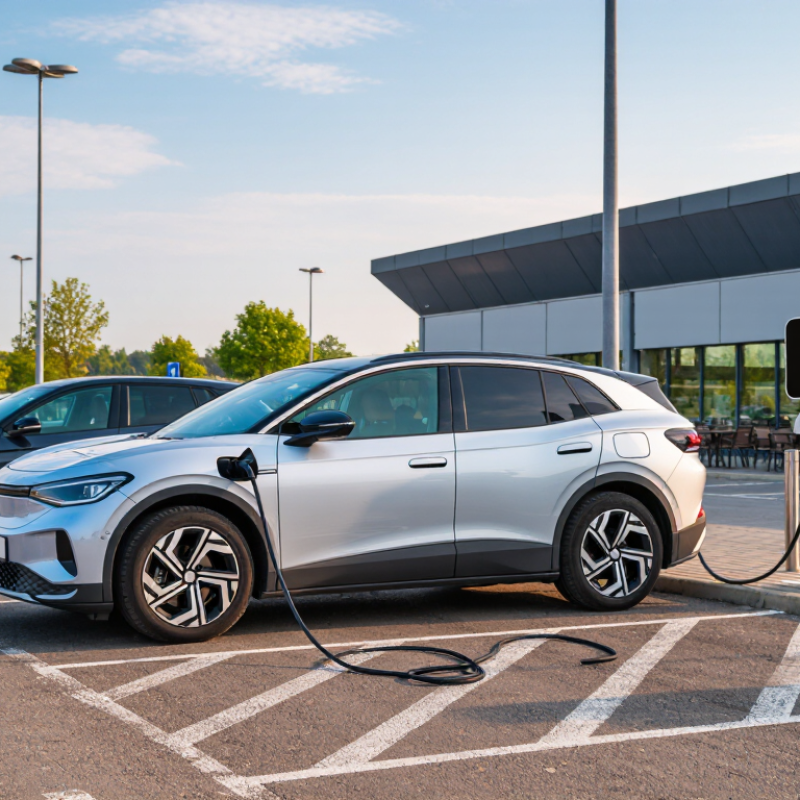
Understanding Public EV Charging Station Types
How to Find Public EV Charging Stations Near Me?
Public EV charging stations differ in speed, connector design, and practical use. Understanding these types helps drivers choose a suitable stop, not simply the closest one. Level 1 charging is uncommon in public areas because it adds range slowly. It may suit long parking periods, such as overnight stays. Level 2 stations are more widely available. They work well near offices, shopping areas, libraries, and public car parks. A few hours can provide useful daily driving range.
DC fast charging is designed for shorter stops. It can restore substantial battery range during a meal or highway break. Charging speed still depends on the vehicle, battery temperature, and current battery level. Fast charging may slow after the battery reaches a higher percentage. That detail is easy to overlook. I sometimes plan around a station’s advertised power, then receive less power in cold weather.
Before driving there, check the station’s live availability, connector compatibility, operating hours, and parking restrictions. A map may show a location, but it cannot always reveal blocked spaces or broken equipment. Look for clear signs and inspect the cable before connecting. Keep the vehicle nearby while charging, since other drivers may be waiting. Public charging is not always predictable. A reliable plan includes a nearby alternative, especially during holidays, bad weather, or busy commuting hours.
Choosing the Best Tools to Locate Nearby Charging Stations
How to Find Public EV Charging Stations Near Me?
Finding a public EV charging station starts with the right search tool. Map apps, vehicle navigation systems, and charging directories can show nearby locations in seconds. Enter your destination, then filter by connector type, charging speed, access hours, and payment options. Check the last update date when available. Station data can change quickly. A location marked open may have a blocked space or a broken connector. I learned this after arriving with 12% battery remaining.
Reliable planning uses more than distance. Look for live status, recent user reports, and site photos. Official transport portals or local energy agencies may provide dependable location and access information. Cross-check two sources before taking a long trip. Compare the number of plugs, charging levels, parking limits, and nearby lighting. A fast charger is not always the best choice. It may be busy, expensive, or difficult to reach after dark. Read access notes carefully. Some stations sit inside private lots.
Before leaving, save a backup station within a comfortable driving range. Keep your battery above the minimum you normally trust. Weather, traffic, hills, and cabin heating can reduce range. Tools are useful, but not perfect. Recheck availability when you are ten or fifteen minutes away. If a listing looks outdated, report the problem through the platform or local authority. That small action helps other drivers plan with better information. It also reminds us to question convenient results.
Searching for Available EV Chargers Step by Step
Finding a public EV charger starts with a map, not guesswork. Open a reliable charging directory or your vehicle’s navigation system. Enter your destination, then filter for public stations within your driving range. The IEA’s Global EV Outlook 2024 reported more than four million public charging points worldwide at the end of 2023. That number sounds reassuring, but availability still varies by street, time, and connector type.
Check each station’s connector, charging speed, operating hours, and access requirements. A station beside a supermarket may offer slower charging, while a roadside location may provide high-power charging. Read the latest status update before leaving. Then compare the station’s distance with your remaining battery percentage. Keep a backup location within reach. Real experience matters here: a charger marked available may become occupied before arrival, or its status may update late. The U.S. Department of Energy’s Alternative Fuels Data Center shows why live station information matters, with public charging locations changing continually as new equipment opens or closes. At the station, inspect the connector for visible damage, confirm the screen shows your vehicle type, and start the session. Watch the first minute. If power does not begin, stop and reassess rather than wasting battery and time. Availability filters help, but they are not perfect.
How to Find Public EV Charging Stations Near Me
The number of public EV charging ports in the United States has grown steadily, making it easier to find a suitable charger. Use a live charging map to check nearby stations, connector types, operating status, and estimated charging speed.
Searching for an available EV charger step by step:
- Enter your current location or destination in a live public charging map.
- Filter the results by charger status, connector type, charging level, and distance.
- Check the station details, including the number of ports, access hours, and estimated charging speed.
- Confirm the latest availability before driving to the location, because charger status can change quickly.
Data source: U.S. Department of Energy Alternative Fuels Data Center. Annual public charging-port totals are rounded for readability.
Checking Charger Compatibility, Speed, Cost, and Access
How to Find Public EV Charging Stations Near Me?
Before driving to a public charger, check whether its connector matches your vehicle. Some stations support several plug types, while others serve only one standard. Your vehicle manual and the station listing should agree. Do not rely on a photo alone. I once arrived at a convenient location and found the cable could not reach my charging port.
Charging speed also deserves careful attention. A high-power charger may add substantial range during a short stop. However, the vehicle controls the maximum rate. Battery temperature, charge level, and weather can reduce performance. A charger rated at 150 kilowatts may deliver much less in real conditions. Check both the station output and your vehicle’s accepted charging speed.
Cost information can be confusing. Pricing may depend on energy use, time connected, parking duration, or a session fee. Read the current rate before plugging in. Prices sometimes change, and map listings may lag behind. Access matters too. Confirm opening hours, payment options, parking rules, and whether the charger is available to the public. Some locations require an account or have restricted entry. Check live status shortly before departure. A “working” station can still be occupied, poorly maintained, or blocked by another vehicle. My route planning has improved, but I still leave extra battery capacity for these small uncertainties.
Planning a Reliable Route Around Charging Stops
How to Find Public EV Charging Stations Near Me?
Planning a Reliable Route Around Charging Stops
A reliable charging route begins before the battery warning appears. Check several public stations along your planned road, not only the nearest one. Confirm connector compatibility, operating hours, charging speed, and payment options. Station details can change, so review recent availability shortly before leaving.
Keep a practical reserve. I usually plan to reach a charger with at least 15% battery remaining. Hills, cold weather, heavy traffic, and strong wind can reduce that margin quickly. A station beside a grocery store or rest area also makes waiting less stressful. Short stops matter.
My first route was too optimistic. I selected chargers based only on distance and ignored possible queues. Now, I choose a primary stop and a backup within a reasonable detour. I also save the charger address offline because mobile coverage can disappear on rural roads. This is not perfect planning, but it reduces unpleasant surprises. At each stop, I check the displayed charging progress before walking away. A failed session may look active without adding useful range. Keep your cable ready, leave space for other vehicles, and record which locations worked well for future trips.
How to Find Public EV Charging Stations Near Me? - Planning a Reliable Route Around Charging Stops
Use this reference table to compare charging options, estimate stop duration, and build a route with practical energy and time reserves.
| Charging Option |
Typical Power Output |
Approximate Range Added in 30 Minutes |
Typical 10–80% Charging Time |
Best Use During a Trip |
Route-Planning Guidance |
| AC Level 1 |
About 1.4–1.9 kW |
Approximately 3–6 miles (5–10 km) |
About 35–70 hours, depending on battery size |
Overnight charging or extended parking |
Generally unsuitable as the main charging method for long-distance travel. Use only when the vehicle will remain parked for many hours. |
| AC Level 2, Low Output |
About 3.7–7.4 kW |
Approximately 10–25 miles (16–40 km) |
About 6–14 hours |
Hotels, workplaces, shopping areas, and overnight stops |
Allow several hours at the destination and confirm that the parking period is long enough to provide the required energy. |
| AC Level 2, Higher Output |
About 11–22 kW |
Approximately 25–45 miles (40–72 km) |
About 2.5–6 hours |
Long meals, attractions, workplaces, and destination charging |
Actual charging speed may be limited by the vehicle’s onboard AC charger, even when the station can supply more power. |
| DC Fast Charging |
About 25–50 kW |
Approximately 40–75 miles (64–121 km) |
About 45–90 minutes |
Planned highway or regional travel stops |
Useful for a predictable break. Check the vehicle’s maximum DC charging rate and allow extra time during cold or very hot weather. |
| High-Power DC Charging |
About 50–150 kW |
Approximately 75–150 miles (121–241 km) |
About 25–50 minutes |
Long-distance travel and short scheduled breaks |
Plan around the fastest compatible connector, but remember that charging power usually decreases as the battery approaches a high state of charge. |
| Ultra-High-Power DC Charging |
About 150–350 kW |
Approximately 120–220 miles (193–354 km) |
About 15–35 minutes |
Major travel corridors and time-sensitive journeys |
Only vehicles designed for high-power DC charging can use the full output. Confirm compatibility before selecting the stop. |
| Primary Route Stop |
Selected according to vehicle compatibility |
Enough energy to reach the next planned stop with reserve |
Usually 15–45 minutes for fast charging |
Main charging point on the route |
Choose a location near restrooms, food, or other services and target arrival with roughly 10–20% battery remaining when practical. |
| Backup Route Stop |
Any compatible public charging level |
Enough energy to reach a second alternative |
Varies by charger type and queue conditions |
Fallback for occupied, offline, or unavailable stations |
Keep a backup within practical driving range and avoid relying on the final few percent of battery capacity. |
| Destination Charging |
Usually about 3.7–22 kW AC |
Approximately 10–45 miles (16–72 km) in 30 minutes |
Several hours or overnight |
Hotels, offices, parking facilities, and attractions |
Helpful for starting the return journey with a high battery level and reducing the need for a separate fast-charging stop. |
Estimates assume moderate weather, a compatible vehicle, and a functioning station. Cold temperatures, battery condition, vehicle limits, traffic, queues, payment requirements, and reduced charging power near full capacity can materially change the result.
FAQS
Level 1 charging is slow and suits long parking periods. Level 2 charging works well near offices, shops, and libraries. DC fast charging supports shorter stops during meals or highway breaks. Charging speed varies by vehicle and battery conditions.
Use map applications, vehicle navigation, or charging directories. Filter results by connector type, speed, access hours, and payment options. Check recent updates and user reports. A listed station may still have blocked spaces.
Confirm the connector matches your vehicle. Review live availability, operating hours, parking limits, and payment methods. Check recent photos when possible. A clear cable and visible signs are useful details.
Not always. A fast charger may be busy, costly, or difficult to access. Level 2 charging may be better during a longer shopping or work stop. Choose the station that fits your schedule and battery needs.
Charging power depends on the vehicle, battery temperature, and current battery level. Power may decrease as the battery becomes fuller. Cold weather can reduce performance. Advertised power is not a guaranteed result.
Keep a practical reserve for traffic, hills, wind, heating, and cold weather. Some drivers plan to arrive with about 15% battery remaining. Your comfort level may differ. My earlier route was too optimistic.
Yes, save a backup within a comfortable driving range. Queues, damaged equipment, and holiday demand can disrupt plans. Recheck availability ten or fifteen minutes before arrival. Mobile coverage may disappear on rural roads.
Inspect the cable and confirm that charging has started. Check the displayed progress before walking away. Keep the vehicle nearby and leave space for other drivers. A session can appear active without adding useful range.
Conclusion
Learning how to find public charging stations near me begins with understanding the main charger types, including standard, fast, and high-speed options. Each type provides a different charging rate, so drivers should consider their vehicle’s battery capacity, connector compatibility, and available charging time. Digital maps, navigation tools, and charging directories can help identify nearby locations, display station details, and show whether chargers are currently available.
Before starting a trip, compare charging speed, pricing, parking rules, operating hours, and access requirements. It is also important to confirm that the station supports your vehicle and that payment or authorization methods are available. For a dependable journey, plan charging stops along the route, allow extra time for busy locations or unexpected delays, and keep a backup station in mind. These steps make finding and using public EV chargers more convenient, predictable, and efficient.

 Voltura Charger