In 2026, finding nearby public charging stations has become much easier and more vital. As electric vehicles gain popularity, the need for reliable charging options increases. Many drivers often ask, "How to find public charging stations near me?" This question has driven advancements in technology.
Mobile apps and GPS systems now offer real-time updates on charging station locations. Users can easily navigate to the closest station with just a few taps. However, not all public charging stations are created equal. Some may be fully occupied or out of service. Drivers must consider these factors while planning their routes. Reliable information about charging stations is crucial, and many apps provide user-generated reviews to enhance this experience.
Though technology has improved, some challenges remain. Connectivity issues can disrupt the search for charging stations. Additionally, the need for diverse charging options is still pressing. As the electric vehicle market grows, more attention should be given to developing a robust network of charging facilities. Understanding local infrastructure can make a significant difference. Staying informed will ultimately lead to a smoother driving experience.
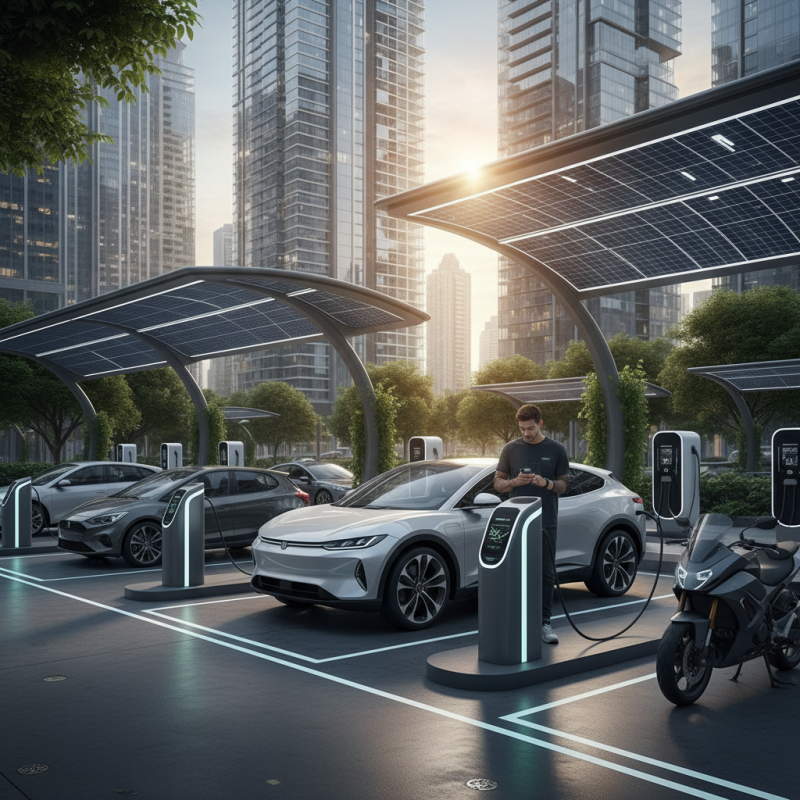
Public charging stations are crucial for electric vehicle (EV) users in 2026. As EV adoption skyrockets, the need for reliable infrastructure becomes paramount. According to the International Energy Agency, the number of public charging points worldwide increased to over 2 million in 2026. This rapid growth is essential to support the estimated 300 million electric vehicles on the roads.
Many places still lack adequate charging options. Over 30% of urban areas face significant charging scarcity. This creates inconvenience for drivers. It underlines the importance of widespread, accessible charging stations. New charging solutions must be developed, especially in rural regions and underserved cities. Advanced mapping technologies can help pinpoint nearby stations, guiding users to charge conveniently.
However, the growth of charging networks is not uniform. In some regions, users encounter delays and outages. These issues highlight the importance of reliability in the charging ecosystem. Future investment is necessary to ensure these stations operate smoothly. This can enhance user experience, drive more EV sales, and contribute to environmental goals. Quality infrastructure is essential to achieve sustainability in transportation.
In 2026, finding nearby public charging stations has become more convenient. Various types of charging stations exist to cater to every electric vehicle (EV) owner's needs. These include Level 1, Level 2, and DC fast chargers. Each type serves distinct purposes, alcoholating the need for optimally charging in limited time constraints.
Level 1 chargers use standard home outlets, providing a slow charge. They are typically installed at homes or workplaces. In contrast, Level 2 chargers, often found in public areas, provide a quicker charge, replenishing an EV in a few hours. According to the International Energy Agency, the number of Level 2 stations increased by 40% from 2023 to 2025, demonstrating growing infrastructure support for EVs.
DC fast chargers are the quickest option. They can charge an EV to 80% in under 30 minutes. Fast chargers are essential for high-mileage drivers, who rely on rapid charging during long trips. Despite advancements, some areas still lack sufficient charging options. Data from the U.S. Department of Energy indicates that over 14% of cities still face inadequate charging infrastructure. This gap poses challenges for broader EV adoption.
In 2026, finding nearby public charging stations has become a seamless experience, thanks to advanced mobile apps. These apps leverage real-time data to inform drivers about available charging stations close to their locations. The technology is user-friendly and intuitive. Users can easily filter stations based on charging speed and availability, eliminating the frustration of arriving at a full station.
When using these apps, consider downloading multiple options. Each app offers unique features. Some provide user reviews and ratings, while others display station amenities like restrooms and cafes. With varying functionalities, you can find the best app suited to your needs. Try enabling location services for accurate results.
Be aware, though, that not all charging stations work perfectly. Occasionally, a station may be out of service or occupy a busy spot. Check reviews for recent feedback before you arrive. It may save you time and energy, allowing for a smoother journey. Moreover, remember to plan your route with charging stops in mind. By staying informed, you enhance your travel experience significantly.
| Location | Charging Station Type | Number of Chargers | Average Charging Time | Operational Hours |
|---|---|---|---|---|
| Downtown Park | Level 2 Charging | 6 | 4 hours | 24/7 |
| City Mall | DC Fast Charging | 8 | 30 minutes | 9 AM - 10 PM |
| Tech Hub | Level 2 Charging | 10 | 3 hours | 6 AM - 11 PM |
| Airport Parking Lot | DC Fast Charging | 4 | 35 minutes | 24/7 |
| Sports Complex | Level 1 Charging | 5 | 8 hours | 8 AM - 12 AM |
Finding public charging stations in 2026 can be a straightforward process, but understanding availability and compatibility is crucial. Many new apps help locate nearby stations efficiently. However, not all charging points work with every electric vehicle. Checking compatibility beforehand is essential.
Tips: Always verify the charging plug type your vehicle requires. This prevents wasted time. Use apps that show real-time availability. If a station shows as occupied, find another nearby.
As charging technology evolves, so does its infrastructure. Some stations might lack the latest fast-charging technology. Research your local area to identify which stations provide higher charging speeds. This can save time during road trips or daily commuting.
Tips: Take the time to review user feedback on charging stations. Look for reports of reliability issues. Some areas may have fewer options than others. Planning your route with this knowledge can enhance your travel experience.
In 2026, planning routes that include access to nearby public charging stations has become essential for electric vehicle owners. Using reliable mapping apps, you can identify charging stations along your route. These tools display real-time availability and user ratings. They help prioritize locations based on proximity and speed of charging.
However, not all charging stations are created equal. Some may have limited availability, while others might be out of service. It's beneficial to check multiple apps or websites for accurate information. Also, consider the charging speed. Fast chargers can save time, but they may not always be available on your route.
It’s wise to accept that unexpected delays can happen. Charging infrastructure may change, leading to potential detours. Carrying a backup plan for charging options can reduce stress during your journey. Always stay informed about the latest developments in charging station networks, as accessibility continues to evolve.
: They support the growing number of electric vehicles, ensuring users have access to charging everywhere.
There are over 2 million public charging points globally, according to recent reports.
More than 30% of urban areas struggle with significant charging scarcity, creating inconvenience for drivers.
Users can utilize apps that locate nearby charging stations quickly and efficiently.
Yes, verifying charging plug types is crucial to avoid wasted time and frustration.
If a station is occupied, use apps to find another nearby charging station immediately.
Research local stations for fast-charging technology and read user feedback on their reliability.
No, not all stations have the latest technology; it's important to check local options in advance.
Investment is crucial for ensuring stations operate smoothly and reliably, enhancing the user experience.
Reliable charging infrastructure can drive more EV sales and support environmental goals.
In 2026, finding public charging stations has become increasingly important as electric vehicle (EV) adoption rises. Understanding the significance of these stations helps users appreciate their impact on the convenience and efficiency of EV travel. Several types of charging stations are now available, catering to different needs and locations.
To make the search easier, utilizing mobile apps has become an effective strategy for locating the nearest charging stations. These apps allow EV owners to assess the availability and compatibility of various chargers, ensuring that they can charge their vehicles without hassle. Additionally, planning routes that incorporate charging station access is crucial for long-distance travel. By following these strategies, drivers can confidently navigate the landscape of public charging stations and effectively learn how to find public charging stations near me.

Voltura Charger