How to Find the Best Public EV Charging Hubs Near You?

Time:2026-03-30 Author:Amelia
0%

Finding a reliable and efficient public EV charging hub is essential for electric vehicle owners. With the rapid growth of electric vehicles, the demand for these charging stations has surged. Knowing how to locate the best public EV charging hubs can transform your travel experience.

Public EV charging hubs are not just locations; they represent convenience and accessibility. These hubs differ in charging speeds, amenities, and availability. Some may be challenging to access during peak hours or may have limited power supply. Research indicates that not all hubs meet the same standards. It's important to read reviews and check ratings to ensure reliability.

Consider using mobile apps that provide real-time data on charging stations. They can help you find nearby public EV charging hubs with up-to-date information. This can save you time and reduce range anxiety. However, some information may vary, leading to uncertainty. It’s worth being cautious and verifying details before making plans, as not all EV hubs maintain optimal functioning. Understanding these aspects can help enhance your charging experience.
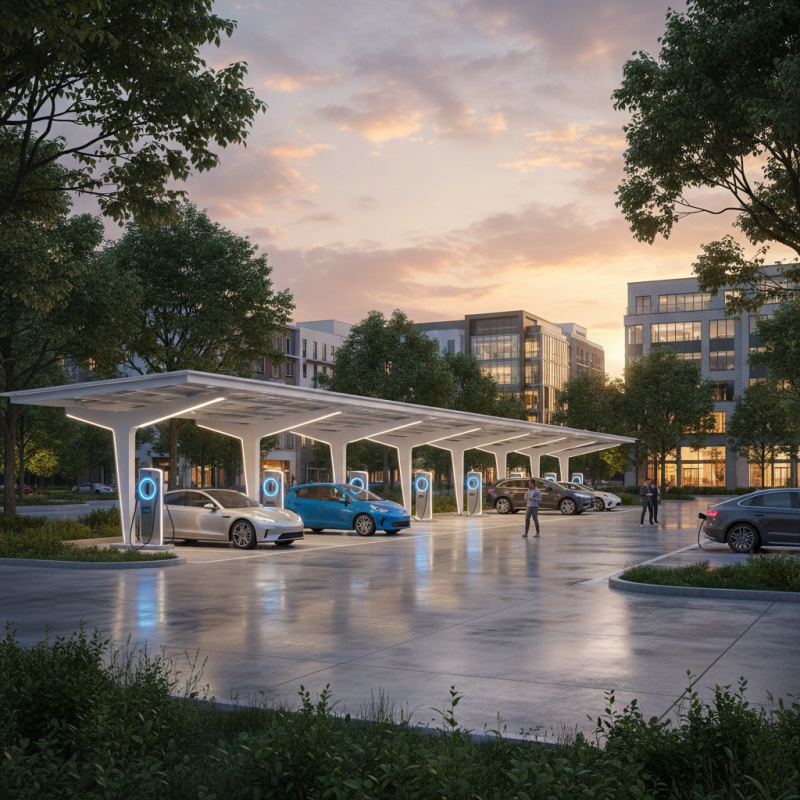
How to Find the Best Public EV Charging Hubs Near You?

How to Determine Your EV Charging Needs Based on Daily Driving Habits

When it comes to electric vehicles (EVs), understanding your charging needs is crucial. Evaluate your daily driving habits. Consider how far you typically drive each day. If your commute is 30 miles, a Level 2 charger at home may suffice. This level can provide enough power for overnight charging, ensuring your EV is ready to go.

For those with longer commutes or frequent trips, public charging hubs become essential. Identify the distance to the nearest charging station. Check the charging speed to know how long it will take to charge your vehicle. Understand that not all charging stations are created equal. Some may be heavily used, leading to wait times. In contrast, others may offer fast charging options. Being aware of this can save you time and frustration.

It’s wise to think about additional factors. Things like the time of day and charging costs can impact your experience. You might find that charging late at night or during off-peak hours is more convenient and economical. It's worth noting that planning your charging stops during your routine errands can optimize your schedule. Reflecting on all these elements will help tailor your EV charging strategy to your reality.

Identifying Public EV Charging Networks: Key Providers and Market Coverage

Finding reliable public EV charging networks is essential for electric vehicle owners. Many charging hubs exist, but not all offer the same level of service. You should explore key providers that cover your area. Some networks focus on urban areas, while others target highways or rural regions. Understanding these differences helps you plan better charging stops.

Tips: Use online maps to locate charging stations. This can save you time and prevent range anxiety. Always check the availability of chargers before your trip.

Another important factor is compatibility. While many stations support multiple plug types, some may not. Knowing which type your vehicle uses is crucial. You might arrive at a charging hub only to find that it doesn’t meet your vehicle’s needs.

Tips: Join online forums where EV owners share their experiences. This can guide you toward the best charging options based on real-world data. Don’t overlook reviews; they often highlight hidden issues or reliable stations that others have found.

Evaluating EV Charging Hub Locations: Proximity, Accessibility, and Amenities

Finding the best public EV charging hubs involves assessing several factors: proximity, accessibility, and amenities. Proximity is crucial. A charging station close to your route saves time and energy. Use mapping apps to pinpoint nearby options. Make sure the location is convenient for your travel plans. Frequent trips may require multiple charging station evaluations.

Accessibility is just as important. Confirm that the charging hub is easy to reach. Look for well-marked signs and ample parking. A location with both standard and fast chargers is ideal. Check for wheelchair access and any restrictions on hours of operation. Sometimes, hubs can be in busy areas, making entry and exit a challenge.

Amenities can enhance your charging experience. Hubs near restaurants, shopping centers, or restrooms allow you to multitask. While charging your EV, grab a bite or shop. However, not all hubs offer these conveniences. Occasionally, you may find yourself at a bare-bones location. This can lead to frustration during longer charging sessions. Reflect on these factors to choose the best hub tailored to your needs.

Utilizing Mobile Apps and Tools for Real-Time Charging Station Availability

Finding the best public EV charging hubs near you can be a game-changer. With the rise of electric vehicles, knowing where to charge is crucial. Utilize mobile apps to track real-time availability of charging stations. These tools help you avoid long waits. They provide data on nearby stations and even show user ratings.

Tips: Check apps before traveling. Some locations may be busy. Reading user reviews can inform your choice. Sometimes, you might find a station listed but not functioning. Communication is key here; report issues to improve the system.

Engaging these apps can enhance your experience. Many allow you to filter by charging speed and type. Not all stations offer the same service. Some may be free, while others charge a fee. Take note of the operating hours, too. Often, it’s better to charge during off-peak times.

Even with all this technology, minor frustrations can occur. You may arrive at a station expecting availability but find it occupied. Take a moment to reevaluate your options. Diversifying your charging knowledge is essential. The more you explore, the better you’ll understand the landscape of EV charging hubs.

Analyzing Charging Speed and Costs: Understanding Level 1, 2, and DC Fast Chargers

When searching for the best public EV charging hubs, understanding charging speeds and costs is fundamental. There are three main types of chargers: Level 1, Level 2, and DC Fast Chargers. Level 1 chargers, often found at home, deliver 2 to 5 miles of range per hour. These are suitable for overnight charging but may not be practical for on-the-go needs.

Level 2 chargers are more common in public areas. They provide 10 to 60 miles of range per hour, making them an ideal option for city dwellers. According to the Department of Energy, the average cost to charge with Level 2 is around $0.20 per kWh. Meanwhile, DC Fast Chargers offer rapid charging, delivering 60 to 100 miles of range in just 20-30 minutes. However, the cost can be higher, typically around $0.28 to $0.70 per kWh, depending on the location and network.

Tips to consider: Always check local charging rates before plugging in. The cost difference between charge types can be significant. Additionally, consider your typical driving patterns. If you rarely need fast charging, a Level 2 might suffice. Experimenting with different charging hubs can provide insights into their availability and performance. Make sure to monitor charging speeds; some hubs may not perform as advertised.

FAQS

: How can I find reliable public EV charging networks?

: Use online maps to locate charging stations. This helps save time and reduce range anxiety.

Are all EV charging stations compatible with my vehicle?

Not all stations support the same plug types. Knowing your vehicle’s requirements is essential before arrival.

What types of public EV chargers exist?

There are Level 1, Level 2, and DC Fast Chargers. Each type offers different charging speeds and costs.

How much range can I expect from a Level 1 charger?

Level 1 chargers provide 2 to 5 miles of range per hour. These are best for overnight charging at home.

What is the average cost of using a Level 2 charger?

The typical cost for Level 2 charging is around $0.20 per kWh. Prices can vary by location.

How quickly can a DC Fast Charger charge my vehicle?

DC Fast Chargers can deliver 60 to 100 miles of range in just 20-30 minutes, but costs are higher.

What should I consider when choosing a charging station?

Check local charging rates and station availability. Performance may vary, so monitor speeds closely.

How can online forums assist me in finding charging options?

They provide real-world experiences from EV owners. Reviews can help identify reliable stations and potential issues.

Conclusion

Finding the best Public EV Charging Hubs near you involves several important steps tailored to your specific needs. Firstly, assess your electric vehicle (EV) charging requirements based on your daily driving habits, which helps in identifying how often and where you'll need to charge. Next, familiarize yourself with the key public EV charging networks available in your area, considering their market coverage and availability.

Once you've identified potential charging hubs, evaluate their locations based on proximity to your daily routes, accessibility, and nearby amenities that can enhance your waiting time. Utilize mobile apps and tools that provide real-time information about charging station availability, ensuring you never arrive at a full station. Lastly, consider the charging options offered, including Level 1, Level 2, and DC fast chargers, to understand the speed and costs associated with each, ultimately guiding you to the most suitable Public EV Charging Hubs for your needs.

Amelia

Amelia

Amelia is a seasoned marketing professional with a wealth of expertise in our company’s core offerings. With an unwavering passion for driving growth and innovation, she plays a pivotal role in shaping our marketing strategies and enhancing brand visibility. A key aspect of her responsibilities......