How to Expand Your Home Charging Setup for Electric Vehicles?

Time:2026-06-01 Author:Henry
0%

The rise of electric vehicles (EVs) has led to increasing demand for home charging setups. Many homeowners are eager to learn how to expand their home charging setup. Sarah Johnson, an EV infrastructure expert, emphasizes, “A well-planned setup can make EV ownership seamless and stress-free.”

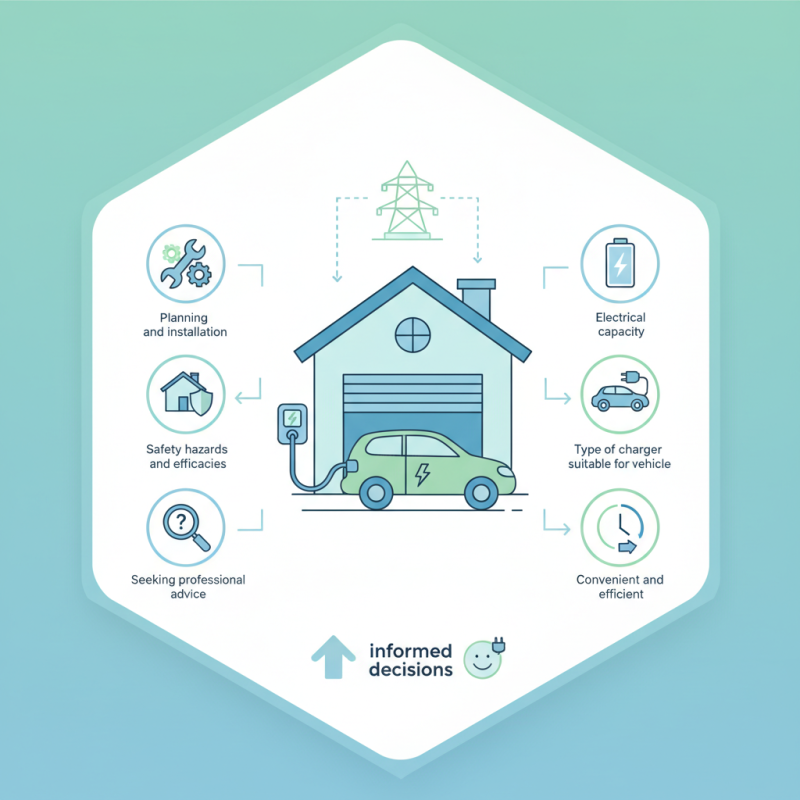
As EV adoption grows, so do the unique needs of homeowners. Charging at home should be convenient and efficient. Expanding your home charging setup involves understanding your electrical capacity and the type of charger suitable for your vehicle. The right equipment can enhance your charging experience, making it more reliable.

However, this process can be daunting for many. Mistakes in planning or installation may lead to safety hazards or inefficacies. It's essential to seek professional advice and reflect on your specific needs. Balancing convenience and safety ensures a successful expansion of your home charging setup. Understanding these elements can empower you to make informed decisions and enhance your EV experience.
How to Expand Your Home Charging Setup for Electric Vehicles?

Assessing Your Current Home Charging Setup for Electric Vehicles

When assessing your current home charging setup for electric vehicles, start with understanding your charging speed. The average level 2 charger delivers about 25 miles of range per hour. Consider your daily driving needs. A study from the Department of Energy indicates that most EV owners drive less than 40 miles per day. This data suggests that a standard level 2 charger is often more than adequate.

Next, examine your electrical capacity. Many homes have a 100-amp electrical service. Upgrading to a 200-amp service can better accommodate multiple charging stations. Research shows that installation costs can vary. The national average for installing a level 2 home charger ranges between $1,200 and $2,000. Hire a licensed electrician to ensure safety and reliability.

Finally, think about future expansion. As EV adoption rises, a forward-thinking home charging setup is crucial. Consider adding additional outlets or even solar-powered solutions. The International Energy Agency forecasts that EV sales will reach 23 million by 2030. Preparing for this surge can enhance your home’s value and functionality. While it might seem daunting, investing time now will save you headaches later.

Evaluating Power Requirements for Your Expanded Charging Needs

When expanding your home electric vehicle (EV) charging setup, evaluating power requirements is crucial. Assessing your current electrical infrastructure helps ensure safety and efficiency. Check your main service panel. It should handle the additional load from new chargers. If not, you may need an upgrade.

Consider the total wattage required for all EV chargers. A standard Level 2 charger can use up to 7.2 kW. Multiply that by the number of chargers you want. This total will indicate if your current electrical system can support the new devices. If there's uncertainty, consulting an electrician is wise.

Think about future needs too. As EV popularity grows, your charging demands might increase. Planning for higher power capacity now can save headaches later. Don’t overlook the potential impact on your utility bill. Charging multiple vehicles might lead to higher costs. Balancing convenience with power management is essential. Reflect on your long-term goals for EV usage and charging needs in your home.

Electric Vehicle Home Charging Setup Expansion

This chart illustrates the power requirements for different numbers of electric vehicle chargers in a home setup. As the number of chargers increases, so does the total power requirement, helping homeowners evaluate their electrical capacity when planning for expansion.

Choosing the Right Charging Station for Home Use

Choosing the right charging station for your home is crucial. Different options suit various needs. You should consider power output, charging speed, and compatibility with your vehicle. Stations with higher amperage offer faster charging. This can be beneficial for daily use.

Placement matters too. Ensure you have sufficient space near your garage or parking area. A well-placed station enhances convenience. Think about installation costs, as they can vary widely. Some may require electrical upgrades. This can complicate your planning process.

Research local regulations before making a decision. Certain areas have specific requirements for charging setups. It might take time to find a model that fits your needs. Keep an open mind about features. Some functionalities may be less essential than expected. Moreover, user reviews can help identify reliable stations. But remember, every positive review needs context. Be aware of potential downsides. Each station has its strengths and weaknesses.

Installation Considerations for Upgrading Your Charging Infrastructure

When considering an upgrade for your home charging infrastructure, several factors come into play. Start by assessing your current electrical system. Is it equipped to handle additional load? Consult a certified electrician. They can evaluate your panel and suggest necessary upgrades. A standard home panel may not support multiple charging stations simultaneously. You may need to invest in a higher-capacity electrical panel.

Location is key as well. Determine the best spots for installing charging stations. Proximity to your parking space is crucial. Think about potential obstacles, like trees or other structures. Ideally, the charger should be easily accessible. Ensure that you comply with local codes and regulations, as these can differ widely. Ignoring such guidelines can lead to issues down the line. Engaging a local expert can clarify these requirements.

Don't overlook the future needs of your household. Will you add more electric vehicles later? Think about scalable solutions that allow for flexibility. Perhaps you want fast charging capabilities for quick top-ups. These options may require substantial upgrades. Balancing current needs with future possibilities is a challenge. Ensuring reliability while managing costs is essential.

Connecting Additional Energy Sources to Optimize Charging Efficiency

Expanding your home charging setup for electric vehicles (EVs) can significantly enhance your charging efficiency. One approach is to connect additional energy sources. Recent studies show that homes with solar panels can reduce charging costs by up to 70%. This means that integrating a solar energy system can not only benefit the environment but also your wallet.

When considering alternative energy sources, battery storage systems are valuable. They allow homeowners to store excess energy generated during the day. According to industry analysis, homes using energy storage systems see a 30% improvement in overall energy utilization. By pairing EV charging with these systems, you can optimize when your vehicle charges, mainly utilizing energy when it's cheapest.

Most importantly, it is essential to evaluate your existing electrical infrastructure. Many homes may lack the capacity to handle expanded charging units safely. Overloading circuits can lead to safety hazards or increased bills. Investing in professional assessments can mitigate these risks and ensure your charging setup is both efficient and safe.

FAQS

: What is the average charging speed for a level 2 EV charger?

: The average level 2 charger provides about 25 miles of range per hour.

How much daily driving do most EV owners do?

Most EV owners drive less than 40 miles per day, according to a Department of Energy study.

What is the typical cost to install a level 2 home charger?

Installation costs for a level 2 charger range from $1,200 to $2,000, on average.

Why should I hire a licensed electrician for installation?

A licensed electrician ensures safety and reliability during the installation of your charging station.

How can I prepare for future EV needs at home?

Consider adding extra outlets or solar-powered solutions for potential future home charging needs.

What should I consider regarding my home’s electrical capacity?

Many homes have 100-amp service; upgrading to 200-amp may better support multiple chargers.

What factors should I assess before upgrading my charging infrastructure?

Evaluate your current electrical system and consult an expert for potential upgrades.

How can solar panels benefit my EV charging setup?

Solar panels can reduce charging costs by up to 70%, making it economical and eco-friendly.

What are the risks of not assessing my electrical infrastructure?

Overloading circuits can lead to safety hazards or higher energy bills due to inefficiency.

How can battery storage systems optimize EV charging?

Battery systems store excess energy and improve overall energy utilization by allowing efficient charging times.

Conclusion

Expanding your home charging setup for electric vehicles is a crucial step towards enhancing your EV ownership experience. To begin, assess your current charging infrastructure to identify its limitations and capabilities. Evaluating your power requirements is essential to determine whether your home can support an expanded setup. Choosing the right charging station that suits your vehicle and usage patterns is vital for efficiency and convenience.

Once you've selected a charging station, consider the installation aspects that may arise, such as electrical upgrades or modifications to your home’s wiring. Finally, connecting additional energy sources, like solar panels, can significantly optimize your charging efficiency while promoting sustainability. This holistic approach illustrates how to expand your home charging setup effectively, ensuring you are well-prepared for your electric vehicle's needs.

Henry

Henry

Henry is a dedicated marketing professional with a profound expertise in the company's offerings. With years of experience in the industry, he possesses an impressive understanding of the market dynamics and consumer behaviors that drive success. Henry is committed to sharing his insights through......