The upcoming 2026 Canton Fair will showcase significant innovations in Energy Efficient EVSE (Electric Vehicle Supply Equipment). As the electric vehicle market grows, the demand for efficient charging solutions increases. Recent reports indicate that the global EVSE market is expected to reach $39 billion by 2027, highlighting a substantial push towards sustainability.
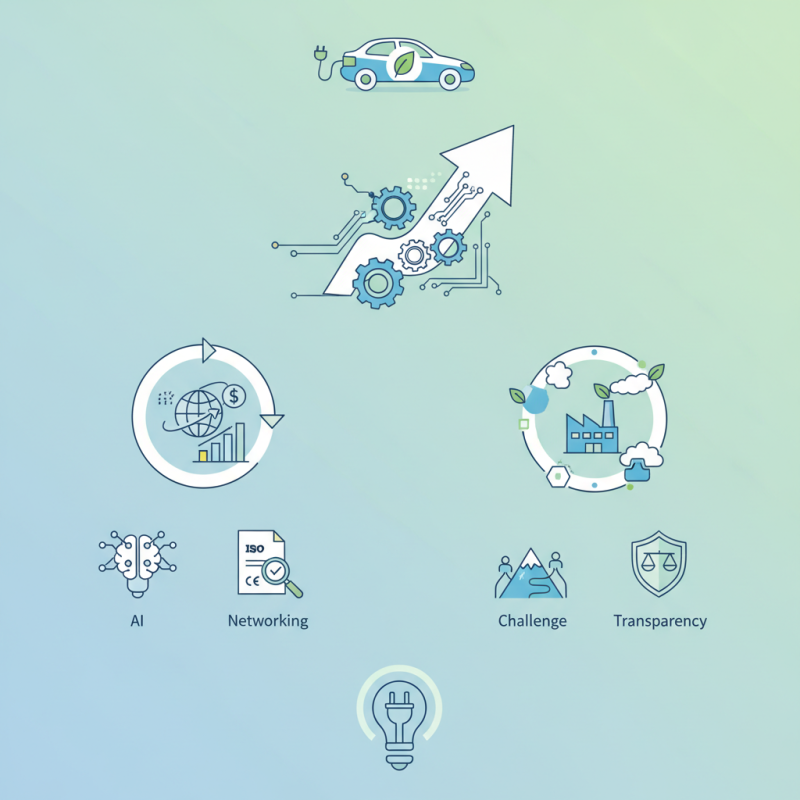
At the fair, AI-driven solutions will redefine how businesses connect with suppliers. With features like intelligent search, attendees will easily identify companies that meet specific certifications, such as ISO and CE. This efficiency is crucial as the demand for Energy Efficient EVSE rises in response to climate goals worldwide.
The emphasis on advanced manufacturing and new materials at the fair aligns with the broader trend of developing sustainable technologies. Yet, challenges remain. Not every EV charging solution is truly energy-efficient, and the market needs to prioritize transparency. Businesses must reflect on their role in this evolution to ensure they contribute positively and ethically to the energy landscape.
The 2026 Canton Fair showcases promising advancements in energy-efficient Electric Vehicle Supply Equipment (EVSE). Many exhibitors present innovative charging technologies. Key themes include smart charging, renewable energy integration, and modular designs. Such technologies aim to reduce energy consumption and enhance user convenience.
Emerging technologies at the fair highlight the importance of energy efficiency. Companies unveil smart charging systems that adjust based on grid demand. These systems can optimize charging times, minimizing peak loads. Additionally, innovative materials improve the energy transfer in charging stations. However, challenges remain in terms of implementation and widespread adoption.
Not all technologies meet expectations. Some solutions suffer from complexity, making them hard to use. Feedback from early adopters indicates mixed feelings. Balancing efficiency with user-friendliness is crucial. As the industry evolves, collaboration between developers and users is essential. The fair provides a valuable platform for discussions around these improvements.
The following chart illustrates the projected growth of energy-efficient Electric Vehicle Supply Equipment (EVSE) technologies from 2022 to 2026. The data highlights advancements in various categories including charging speed, energy consumption, and adoption rates.
Sustainability is reshaping the electric vehicle supply equipment (EVSE) industry. The 2026 Canton Fair showcased innovative designs focused on energy efficiency. Manufacturers are now using eco-friendly materials. This shift reflects a growing push toward reducing carbon footprints in the EV sector. Products are designed to consume less energy, thus lowering operational costs for users.
Some trends are promising, while others need more refinement. For example, integrating renewable energy sources has great potential, but it's still a work in progress. Many designs don’t fully utilize solar energy as intended. Efficiency isn't just about energy consumption; it extends to manufacturing processes. Some companies are reverting to traditional practices that may not align with sustainability goals.
User interfaces also play a critical role in EVSE design. A simplified experience can enhance user engagement. Yet, the challenge remains to balance functionality with ease of use. Understanding user needs can lead to more effective solutions, but many designs still miss the mark. The push for sustainability in EVSE is ongoing, with much room for growth and improvement.
The global push for electric vehicle supply equipment (EVSE) efficiency is more critical than ever. The 2026 Canton Fair will showcase advancements in energy-efficient EVSE, reflecting a global shift towards sustainability. Research shows that efficient EVSE can reduce energy consumption by up to 30%. This is vital as the demand for EV charging grows.
Comparative analysis of global EVSE standards reveals significant disparities. For example, Europe has stricter efficiency mandates compared to other regions. Reports indicate that nations adopting advanced standards can reduce CO2 emissions significantly by 2025. However, not all manufacturers meet these benchmarks, leading to questions about quality and reliability.
Tip: Always check if the EVSE meets regional efficiency standards before purchasing. Standard compliance ensures better energy savings and reduced operational costs.
Some emerging markets lag in implementing effective EVSE regulations. This inconsistency creates confusion for consumers. A lack of uniformity may also hinder the adoption of electric vehicles. Another challenge is the technology gap between established and new markets. Bridging this gap is essential.
Tip: Consider local regulations when investing in EV technology. Understanding the legal landscape can prevent costly mistakes.
| Region | Average Efficiency (kW) | Standard Compliance Rate (%) | Year Over Year Growth (%) | Consumer Satisfaction Rate (%) |
|---|---|---|---|---|
| North America | 22.5 | 85 | 14 | 90 |
| Europe | 25.1 | 90 | 12 | 92 |
| Asia-Pacific | 20.3 | 80 | 16 | 88 |
| South America | 18.7 | 75 | 10 | 85 |
| Africa | 16.5 | 70 | 8 | 80 |
As we approach the 2026 Canton Fair, energy-efficient Electric Vehicle Supply Equipment (EVSE) is taking center stage. Consumers are becoming more aware of the environmental impact of their choices. This awareness drives the demand for innovative solutions. Many are looking for EV chargers that are not only efficient but also equipped with smart features. These features can optimize charging times and reduce energy consumption.
The trend is clear: consumers prefer products that align with sustainable practices. They want chargers that minimize energy waste. Design is another crucial aspect; aesthetics matter. Many buyers look for sleek, modern designs that fit well in their environments. However, there are gaps in consumer education about how to use these technologies efficiently. Some users still struggle with understanding optimal charging practices.
In conclusion, while innovation is happening, it is essential to address consumer knowledge gaps. Information campaigns could enhance understanding. Promoting best practices will ensure that energy-efficient EVSE truly benefits the environment. Therefore, the focus must shift from merely creating efficient products to also empowering consumers through education.
The future of Electric Vehicle Supply Equipment (EVSE) adoption in urban areas by 2026 looks promising. According to industry reports, urban environments are projected to witness a 30% increase in the deployment of EVSE. This shift is largely driven by governmental initiatives pushing for sustainable transportation solutions. Cities are set to install more charging stations, aiming to create a robust infrastructure that supports electric vehicles.
However, challenges persist. Urban planners must address inadequate grid capacity to manage the increased load from EVSE. Reports indicate that 40% of existing charging stations lack the necessary power supply. Ensuring energy efficiency remains crucial. Many cities are experimenting with solar-powered charging stations to mitigate energy constraints. Nevertheless, these solutions require careful consideration. The expensive installation and maintenance costs can hinder rapid deployment.
As EV adoption grows, cities must enhance their strategies. A clear focus on user accessibility is vital. Data shows that 70% of users prefer charging options within close proximity. Additionally, public awareness campaigns are essential to educate consumers. Continued innovations in EVSE technology and energy management will play a key role in future developments. While progress is being made, reflection and adaptation are needed to fully realize the benefits of EVSE in urban settings.
: Consumers want energy-efficient chargers with smart features to optimize charging times.
Aesthetics matter; buyers prefer sleek, modern designs that fit their environments.
No, there are gaps in consumer education about using these technologies efficiently.
Urban areas are expected to see a 30% increase in EVSE deployment.
Many cities struggle with inadequate grid capacity and expensive installation costs.
Most users, about 70%, prefer charging stations that are nearby.
Cities are experimenting with solar-powered charging stations to address energy constraints.
They are essential for educating consumers and promoting efficient usage of EVSE.
Cities need to focus on user accessibility and adapt strategies as EV adoption grows.
Yes, adaptation and reflection on current progress are crucial for future benefits.
The upcoming 2026 Canton Fair is set to showcase significant advancements in Energy Efficient EVSE (Electric Vehicle Supply Equipment). A focus on emerging technologies promises to enhance the performance and efficiency of EV charging systems. Sustainability initiatives are becoming increasingly influential, shaping design trends in EVSE that prioritize environmental stewardship. Furthermore, a comparative analysis of global efficiency standards highlights the variance in regulations and practices, which can impact the development of energy-efficient solutions.
Consumer preferences are driving innovations in Energy Efficient EVSE, as users increasingly demand charging solutions that are not only efficient but also cost-effective. With urban areas projected to see substantial EV adoption by 2026, the importance of integrating energy-efficient technologies into EVSE cannot be overstated. This forward-looking perspective on EV charging infrastructure emphasizes the need for continued investment in energy efficiency to meet the growing demands of electric mobility.

Voltura Charger