As the demand for electric vehicles (EVs) surges, the need for efficient charging networks becomes critical. Load balancing is a key component in ensuring that these networks operate optimally. "What is load balancing in EV charging networks?" This question is vital for understanding how to manage energy distribution effectively. According to a report by the International Energy Agency (IEA), the number of electric vehicles worldwide reached 10 million in 2020, highlighting the urgency for infrastructures capable of supporting them reliably.
Experts in the field emphasize the significance of load balancing. Dr. Lisa Wang, a leading researcher at the Electric Power Research Institute, states, "Effective load balancing in EV charging networks directly influences grid stability and user satisfaction." This underscores the importance of understanding how energy flows in these networks.
While systems are improving, challenges remain. Insufficient coordination can lead to overloaded circuits and increased costs. Balancing energy loads involves both technology and strategy. Fine-tuning these systems can enhance performance, but it requires ongoing evaluation. Addressing these complexities is essential for a sustainable future in EV charging. The journey toward efficient networks is just beginning, and reflection on current practices will drive necessary improvements.
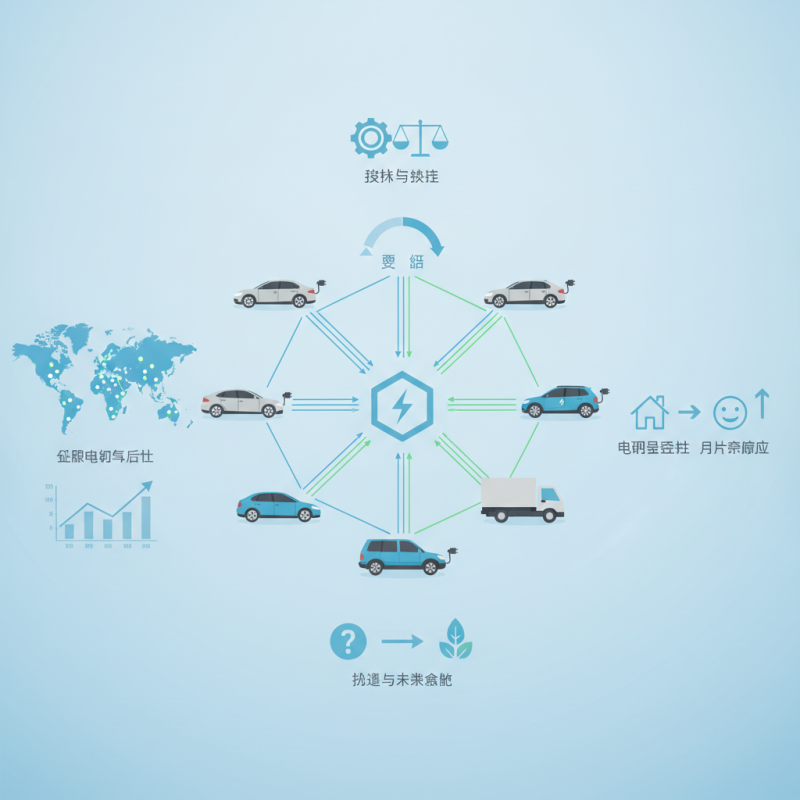
Load balancing in electric vehicle (EV) charging networks is crucial for efficiency. As more people adopt EVs, managing power distribution becomes essential. Proper load balancing maintains network stability and ensures all users have access to charging. Without effective strategies, heavy charging times may cause grid overloads.
One key tip is to analyze peak charging times. Identify when demand increases, such as during work commutes. This data can help develop strategies to redistribute loads. Another approach involves encouraging off-peak charging. Offering incentives for charging during low-demand hours can balance the network effectively.
Implementing smart charging solutions is another effective practice. These systems can automatically adjust power levels based on real-time demand. It promotes a stable energy flow and enhances user experience. However, even smart systems can face challenges. Software glitches or user errors may disrupt load balancing efforts. Continuous monitoring and adjustments are vital to ensure the system remains reliable.
Smart charging plays a critical role in enhancing load balancing efficiency within electric vehicle (EV) charging networks. Traditional charging methods often lead to network congestion, especially during peak hours. Smart charging optimally distributes energy across multiple vehicles, reducing stress on the grid. By monitoring energy demand and vehicle status, these systems can decide the best times and rates for charging.
An example of this would be implementing dynamic pricing strategies. This approach encourages users to charge their vehicles during off-peak times. However, it’s essential to recognize that not all users may respond positively to pricing signals. Some might charge overnight, regardless of cost. This behavior could limit the effectiveness of load balancing efforts. Balancing user convenience with grid demands remains a challenge.
Integration of renewable energy sources can enhance smart charging systems further. For instance, solar energy availability can be monitored to adjust charging times. Yet, this requires sophisticated infrastructure and user acceptance. Not all locations have the same technological capabilities, making uniform implementation difficult. Exploring these aspects will provide valuable insights into improving load balancing in EV networks.
This chart illustrates the average load distribution across various time slots for an Electric Vehicle (EV) charging network. The data shows the effectiveness of smart charging strategies in load balancing by reducing peak demand.
As electric vehicles (EVs) gain traction, efficient charging networks are crucial. One key challenge is managing peak demand at charging stations. Data from the Electric Power Research Institute indicates that charging loads can increase by 60% during peak hours. This creates stress on the grid and increases operational costs.
To optimize user experience and mitigate grid impact, consider implementing load balancing strategies. Prioritizing charging sessions based on user needs and grid conditions can help. For example, charging lower-demand vehicles during peak hours and utilizing off-peak hours for high-demand ones can maintain system efficiency.
Another helpful tip is to employ smart charging solutions. These systems adjust power supply according to real-time demand. They can effectively reduce peak loads by cycling power among multiple chargers. Real-time data ensures that resources are allocated efficiently, preventing bottlenecks. Reflections on current practices might reveal inefficiencies, emphasizing the need for ongoing adjustments in strategy.
| Charging Station Location | Peak Demand (kW) | Number of Chargers | Load Distribution Method | Average Charging Time (hrs) |
|---|---|---|---|---|
| Downtown Area | 100 | 10 | Dynamic Load Balancing | 1.5 |
| Suburban Park | 80 | 5 | Static Load Allocation | 2.0 |
| Shopping Center | 90 | 8 | User Prioritization | 1.2 |
| Airport Terminal | 150 | 12 | Scheduled Load Management | 1.0 |
| Highway Rest Stop | 120 | 6 | Equal Load Sharing | 1.8 |
Optimizing load distribution in electric vehicle (EV) charging networks is essential for efficient operation. Data analytics can significantly enhance load balancing efforts. By analyzing usage patterns, operators can identify peak demand times. This allows them to allocate resources more effectively.
One effective tip is to implement smart charging solutions. These systems can adjust energy distribution based on real-time data. They can prioritize charging for vehicles that need it most. This not only improves user satisfaction but also reduces strain on the overall grid.
Another important strategy is to monitor energy consumption continuously. Operators can use this data to predict future demand. It helps in making informed decisions about capacity expansion. Balancing load requires attention to detail. It is crucial to evaluate the effectiveness of different approaches regularly. Mistakes can happen, and data-driven adjustments are vital for continuous improvement. This iterative process promotes reliability in charging networks.
Integrating renewable energy sources into electric vehicle (EV) charging systems presents a significant opportunity. This approach can greatly enhance the efficiency of charging networks. According to the International Renewable Energy Agency (IRENA), incorporating renewables can reduce carbon emissions by about 60% compared to fossil fuels.
Solar panels and wind turbines are ideal for this purpose. They can provide a clean energy supply, especially in urban areas. For instance, a study from the U.S. Department of Energy found that charging stations powered by solar energy can operate with minimal grid dependence. However, the variability of renewable energy can pose challenges. Fluctuating production requires effective energy management systems.
Battery storage solutions can mitigate these issues. By storing excess energy, charging stations remain functional during peak demand. The Energy Storage Association reports that integrating storage can increase renewable energy usage by 30-50%. Yet, the transition to these systems isn't without hurdles. Infrastructure costs and technological gaps need careful consideration. As the EV market grows, addressing these challenges will be vital for sustainable charging networks.
: Peak demand occurs when charging loads rise significantly, especially during busy hours. It can increase by 60%.
Charging stations can use load balancing. They prioritize charging sessions based on user needs and grid conditions.
Load balancing manages when and how much power to use. It's essential to reduce grid stress during peak times.
Charging lower-demand vehicles during peak hours helps maintain efficiency and avoid overwhelming the grid.
Smart charging solutions adjust power supply in real time. They manage energy distribution to reduce peak loads effectively.
Data analytics identifies peak demand times. This allows operators to allocate resources better and improves overall efficiency.
Continuous monitoring helps predict future demand. It allows for informed decisions in capacity planning and expansion.
Regular evaluation of strategies and data-driven adjustments are essential. This process helps to reflect on inefficiencies and correct them.
Effective load distribution relies on real-time data. Operators must adapt to changing conditions and optimize resources accordingly.
Load balancing in EV charging networks refers to the strategic distribution of electricity supply among multiple charging stations to ensure efficient operation and avoid grid overload. Understanding this concept is crucial for enhancing the performance of charging infrastructures, particularly as electric vehicle (EV) adoption increases. Effective load balancing can be achieved through smart charging technologies that optimize energy delivery based on real-time demand and grid conditions.
In addition, managing peak demand is essential for maintaining service quality at charging stations while minimizing costs. The integration of data analytics allows operators to monitor usage patterns and adjust load distribution accordingly, leading to more sustainable practices. Furthermore, incorporating renewable energy sources into EV charging systems not only supports grid stability but also promotes environmental sustainability. By focusing on these strategies, stakeholders can create more effective and resilient EV charging networks.

Voltura Charger