Charging electric vehicles (EVs) in remote areas presents unique challenges. Remote Area EV Charging requires innovative solutions. Many regions lack reliable power sources. Charging infrastructure may be sparse or non-existent. This can lead to driver anxiety. Finding charging stations becomes a daunting task.
Consider portable charging options. They can provide flexibility in power supply. Solar-powered chargers are another viable solution. They harness sunlight and offer sustainability. However, they require sunny conditions. Some drivers may find them inefficient during cloudy days. Battery storage technology can also improve efficiency. Yet, it may not be affordable for everyone.
Infrastructure investment is crucial. Governments need to promote EV charging in these areas. Collaboration between private and public sectors can drive progress. The landscape is evolving, but challenges remain. Remote Area EV Charging requires ongoing exploration and creativity. Solutions must be tailored to local conditions. Every solution may need fine-tuning and adaptation. The road ahead is full of potential and hurdles.
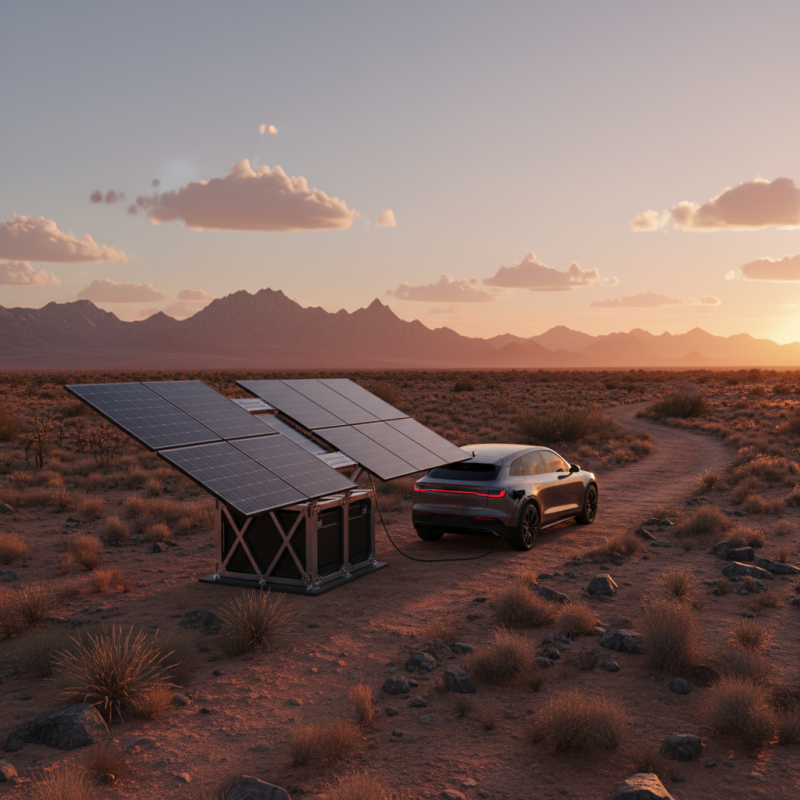
Challenges of Charging EVs in Remote Areas
Charging electric vehicles (EVs) in remote areas brings unique challenges. One major issue is the lack of charging infrastructure. According to a recent report by the International Energy Agency, only 30% of rural areas globally have public charging stations. This gap makes it difficult for EV drivers to find charging points, leading to range anxiety. Many travelers in remote regions often face dead-end situations due to insufficient resources.
Power supply is another critical challenge. Remote areas may lack reliable electricity grids. For example, in some locations, the electrification rate is below 50%, making it tough to support charging stations. Alternative energy solutions, such as solar and wind, are promising but require significant investment. Moreover, intermittent weather conditions can affect their efficiency, introducing further uncertainty.
Additionally, the distance between charging points can be vast. A study from the U.S. Department of Energy noted that over 60% of EV owners prefer chargers within 5 miles of their homes. In remote settings, this preference becomes difficult to meet. Without careful planning and investment, EVs may struggle to gain traction in these areas. The road ahead requires innovative solutions and thoughtful reflection on our energy needs.
Types of Charging Solutions for Off-Grid Locations
In remote areas, charging electric vehicles (EVs) presents unique challenges. Off-grid locations often lack access to standard power sources. Therefore, alternative charging solutions are essential for efficient operations.
Solar charging stations offer one of the most sustainable options. Solar panels convert sunlight into electricity, providing a reliable power source during sunny days. However, these solutions can be inconsistent on cloudy days. To counter this, integrating a battery storage system is crucial. These batteries store excess energy for use when sunlight is low.
Wind turbines are another viable option. In areas with consistent winds, they can generate electricity for EV charging. Yet, wind energy can be unpredictable, and insufficient wind can hinder charging capabilities. Combining wind with other technologies maximizes efficiency.
Tips: Consider location carefully when setting up charging stations. Accessibility and exposure to natural resources play critical roles. Regular maintenance of both solar panels and wind turbines is important to ensure optimal performance. Implement contingency plans to minimize downtime. Investing in diverse energy sources proves beneficial for reliable charge.
Utilizing Renewable Energy Sources for EV Charging
Charging electric vehicles (EVs) in remote areas poses unique challenges. Utilizing renewable energy sources can provide effective solutions. Solar panels and wind turbines offer sustainable options for power generation. According to the International Renewable Energy Agency (IRENA), solar energy has the potential to supply up to 15% of global electricity by 2030. This is crucial for remote regions where grid access is limited.
Implementing small-scale solar charging stations can reduce dependence on fossil fuels. For instance, a solar-powered EV charging station can generate 5 to 10 kWh per day. This output is enough to charge several electric vehicles. However, the initial cost and space for installation can be hurdles. Some areas may have limited sunlight. Reliability can also be an issue during unfavorable weather conditions.
Wind energy represents another viable option, especially in areas with consistent wind. A small wind turbine can produce between 400 to 1,500 kWh annually. This can power local EVs and also stabilize the grid during peak demands. Still, not every region is suitable for wind turbines. Environmental impacts and local regulations often require careful consideration. Therefore, while renewable energy is promising, it demands thoughtful integration into the local context.
Best Practices for Setting Up Charging Stations in Isolated Areas
Setting up charging stations in remote areas presents unique challenges. Accessibility is often limited. It’s crucial to conduct a thorough site assessment. Identify locations that are both reachable and visible. Consider places near popular travel routes for added convenience. Solar panels can be an excellent energy source. They provide power where grid connections are weak. However, solar efficiency may vary based on weather. This aspect requires careful planning.
Local community involvement is vital. Engage residents in the discussion to understand their needs. They may offer valuable insights on optimal locations. Additionally, create partnerships with local businesses. This strategy can help ensure the sustainability of the charging station. Monitor usage patterns to adapt services accordingly. Over time, data collection can inform future strategies. Consider flexibility in design to accommodate new technologies. Remember, not all solutions will be perfect on the first try. Some could fail, requiring adjustments, so build systems that can evolve.
Finally, ensure robust signage and instructions for users. Clarity facilitates ease of use, especially for first-time visitors. Invest in user-friendly interfaces on charging stations. Complicated setups may deter users and impact success. Take feedback seriously. Continuous improvements can shape a more efficient process. Charging in remote areas can be effective with careful planning and community collaboration.
How to Charge EVs in Remote Areas Efficiently? - Best Practices for Setting Up Charging Stations in Isolated Areas
| Charging Station Type |
Power Output (kW) |
Installation Cost ($) |
Electricity Source |
Average Charge Time (Hours) |
Maintenance Frequency (Years) |
| Level 1 Charger |
1.5 - 2 |
500 - 1,000 |
Grid Power |
8 - 12 |
5 |
| Level 2 Charger |
7 - 22 |
2,000 - 5,000 |
Grid Power |
3 - 6 |
3 |
| DC Fast Charger |
50 - 350 |
20,000 - 50,000 |
Grid Power |
0.5 - 2 |
2 |
| Solar Charger |
3 - 10 |
5,000 - 15,000 |
Solar Power |
4 - 8 |
5 |
| Wind-Powered Charger |
5 - 15 |
10,000 - 20,000 |
Wind Power |
3 - 6 |
5 |
Innovative Technologies to Enhance Charging Efficiency in Rural Regions
Charging electric vehicles (EVs) in remote areas poses unique challenges. However, innovative technologies can significantly enhance charging efficiency in these rural regions. According to a recent report by the International Energy Agency, rural areas account for over 50% of the world's land area yet host only 20% of the charging infrastructure. This discrepancy highlights the urgency for improved solutions.
One approach is the use of mobile charging stations. These portable units can be deployed to remote locations, providing power where it is needed most. Additionally, solar-powered chargers are gaining traction. They are particularly effective in sunny areas, allowing EV users to harness renewable energy. A study by the National Renewable Energy Laboratory stated that integrating solar chargers can reduce charging costs by up to 30%.
Tip: Identify locations with high sunlight exposure for solar charging solutions. This maximizes energy production and efficiency.
Another innovative solution is
vehicle-to-grid (V2G) technology. This allows EVs to send energy back to the grid when not in use. This bidirectional flow can stabilize energy supply, especially in remote areas with unreliable grids. Research shows that widespread V2G deployment could enhance grid efficiency by
25% in areas where traditional infrastructure is lacking.
Tip: Explore local V2G partnerships to boost charging options and improve energy management.
Despite these advancements, challenges remain. There are concerns about the
initial costs for setting up new technologies. Discussions around logistics and maintenance also need attention. Rural communities must weigh these factors against the benefits of
enhanced charging infrastructure.
Conclusion
Charging electric vehicles (EVs) in remote areas presents unique challenges, necessitating innovative solutions to ensure accessibility and efficiency. Key obstacles include limited infrastructure, high investment costs, and the need for reliable energy sources. To address these issues, various off-grid charging solutions have emerged, such as solar-powered stations and wind energy installations, which leverage renewable energy sources to provide sustainable charging options.
Best practices for setting up charging stations in isolated regions emphasize strategic location selection, community involvement, and efficient energy management systems. Moreover, innovative technologies, such as mobile charging units and energy storage solutions, can significantly enhance Remote Area EV Charging by providing flexible and efficient services. By integrating these strategies and technologies, remote communities can support the growing demand for electric vehicles while promoting sustainability and energy independence.

 Voltura Charger