Electric vehicles (EVs) are becoming more common. As more people charge their cars at home, many are questioning how EV charging impacts electricity bills. According to Dr. Emily Watson, a leading expert in energy economics, “Understanding the costs associated with EV charging is crucial for consumers.”
Charging your EV can significantly alter your monthly expenses. In areas with time-based rates, charging during off-peak hours can save you money. However, residential rates can be complex. Some homeowners see a notable increase in their electricity costs. It’s essential to evaluate your specific electricity plan.
The relationship between EV charging and electricity costs is not simple. Some may end up paying significantly more if they do not plan their charging effectively. On the other hand, savvy consumers can benefit. This complexity means many EV owners face unexpected charges. Understanding how EV charging impacts electricity bills requires careful tracking and planning.
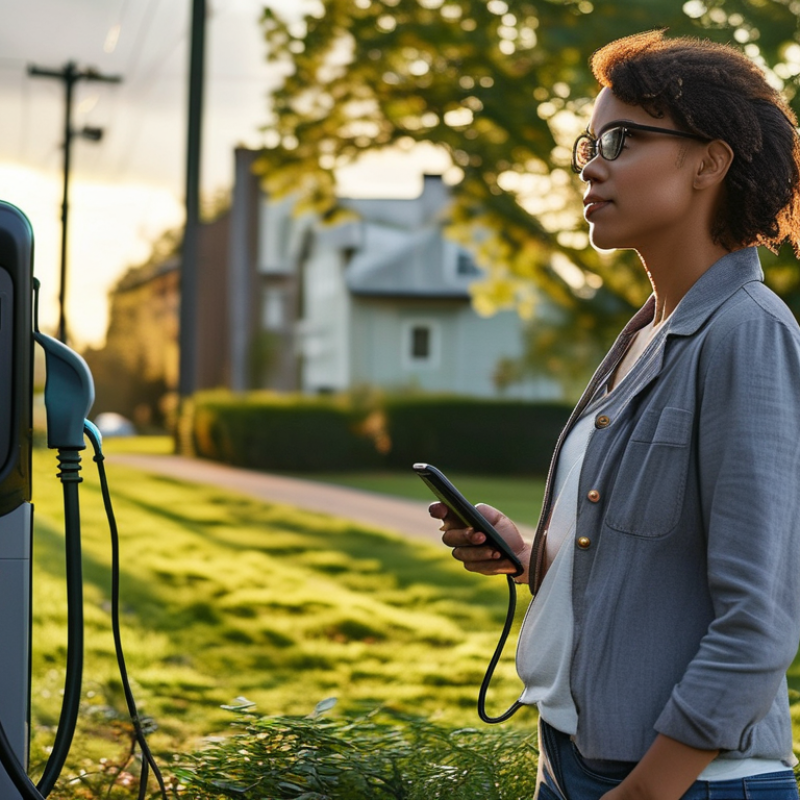
Electric Vehicle (EV) charging is becoming a common practice. Understanding the fundamentals is essential for new users. When you charge an EV, it draws electricity from your home. This process can influence your monthly electricity bill significantly.
Charging typically happens during off-peak hours. Many utility companies offer lower rates during these times. It is smart to take advantage of these hours to save money. However, not all areas have the same pricing structures. Users should check local rates and adjust their charging times accordingly.
Data shows that charging an EV at home can add a notable amount to your bill. Research indicates this increase can vary widely. Factors include the charging speed and vehicle model. Moreover, users must consider their overall electricity usage too. Increasing energy consumption might not be sustainable long-term. Balancing charging needs with overall energy habits is essential.
Electric vehicle (EV) charging can significantly influence your home electricity consumption. A typical EV may require about 30 kWh for a full charge. This demand can increase your electricity usage by as much as 50%. If you're charging during peak hours, those costs add up quickly.
It's essential to evaluate your charging habits. Installing a home charging station can lead to higher consumption. However, off-peak charging, usually done at night, offers a more economical solution. This strategy can reduce your overall bill. Consider checking if your utility provider offers special rates for EV users.
Understanding the impact of EV charging is critical for budgeting. Many homeowners aren’t aware of the extra costs until they see their bills. Tracking usage can reveal surprising trends. Adjusting your charging schedule may save on costs. This awareness can lead to more responsible energy consumption choices for your household.
The impact of electric vehicle (EV) charging on your electricity bill can vary significantly. Several factors come into play, including local electricity rates, charging times, and energy consumption of the vehicle. According to a 2022 report from the U.S. Department of Energy, a typical EV can consume about 30 kWh of electricity per 100 miles driven. If you charge overnight when rates can be lower, the cost can be more manageable.
Geography also affects billing. In some areas, variable electricity pricing can lead to higher costs during peak hours. The average price of electricity in the U.S. is around $0.14 per kWh. If you charge during peak demand hours, you might end up paying more, increasing your overall expenses.
Tips: To minimize costs, consider using a smart charger that allows you to schedule charging during off-peak hours. Monitor your vehicle's energy consumption as well. A higher efficiency rate can lead to lower costs. Regularly check your utility company for any peak hour rates that might adjust over time.
Ultimately, the relationship between EV charging and electricity bills is complex. Understanding your local rates and vehicle consumption is key. Regular review of your energy habits can reveal opportunities to save.
This chart illustrates the factors influencing your electricity bill from EV charging, based on average costs for electricity and charging times.
The rise of electric vehicles (EVs) has spurred discussions about charging costs compared to traditional fuel prices. Industry reports indicate that in the U.S., the average cost of electricity for EVs is about $0.13 per kilowatt-hour (kWh). This translates to approximately $5 for a full charge, allowing an EV to travel around 250 miles. In contrast, gasoline prices have hovered around $3.40 per gallon. For similar distances, traditional combustion vehicles might cost over $20 in fuel.
However, charging costs can vary widely based on several factors. For one, peak electricity rates can increase your bill significantly. If you charge during the day, those costs can climb. Reports suggest that using a public fast charger can cost up to $0.30 per kWh. This can lead to a shocking bill for frequent users. Furthermore, relying solely on home charging might not always provide the expected savings.
Additionally, the environmental impact of sourcing electricity is an evolving consideration. While EVs are often hailed as greener options, the source of electricity matters. Charging from fossil fuel-based plants may negate some environmental benefits. Consumers should remain vigilant about their charging habits and electricity sources to make informed decisions. Understanding the full spectrum of costs and environmental impacts is crucial as the EV market continues to grow.
Charging an electric vehicle (EV) can significantly impact your electricity bill. According to a report by the U.S. Department of Energy, charging an EV can increase household electricity costs by 30% or more. This increase depends on your local energy rates and the efficiency of your charging system. Understanding when and how to charge your vehicle can help mitigate these spikes in costs.
To reduce electricity costs while charging, consider utilizing off-peak hours. Many utility companies offer lower rates during nights or weekends. Charging during these times can save you substantial money. Furthermore, installing a smart charger can allow you to schedule charging sessions during the cheapest rate periods automatically. Regular monitoring of your energy usage through home energy management systems can give you insights on consumption patterns.
Be cautious about the total household power demand. If several appliances run simultaneously with EV charging, it can strain your resources and elevate costs. Adjusting the timing of certain household tasks can help balance load and reduce overall expenses. While charging your EV is convenient, finding the best strategies to balance it with existing home energy use requires mindful planning and consistent adjustments.
| Charging Time | Charging Cost per Hour | Total Cost per Charge | Tips for Reducing Costs |
|---|---|---|---|
| Off-Peak (12 AM - 6 AM) | $0.07 per kWh | $2.10 | Charge at night or use a timer |
| Daytime (6 AM - 12 PM) | $0.15 per kWh | $4.50 | Use home solar power if available |
| Evening (5 PM - 10 PM) | $0.20 per kWh | $6.00 | Avoid charging during peak hours |
| Weekend (Variable) | $0.10 - $0.12 per kWh | $3.00 - $3.60 | Consider scheduling charging on weekends |
: Charging an EV can significantly increase your bill, especially if charging during peak hours.
Off-peak hours, often at night, usually offer lower rates for charging your EV.
Factors include charging speed, vehicle model, and local electricity pricing structures.
Yes, charging at home can increase consumption by up to 50% depending on habits and equipment.
Charging an EV is generally cheaper, averaging about $5 for 250 miles, compared to over $20 for gasoline.
Yes, using public fast chargers can cost more, up to $0.30 per kWh, leading to higher bills for frequent use.
Yes, the source of electricity impacts environmental benefits, so consider using renewable sources if available.
Monitoring your overall electricity usage is key to managing costs effectively and may reveal surprising trends.
While it can be convenient, it might lead to higher consumption. Evaluate your needs carefully before deciding.
Reassess your charging schedule and habits, and adjust to off-peak times to potentially lower costs.
Understanding how EV charging impacts electricity bills is crucial for electric vehicle owners. By examining the fundamentals of EV charging, one can see how it directly affects home electricity consumption. Factors such as the charging frequency, time of day, and local electricity rates play significant roles in determining the overall cost of charging an electric vehicle.
Additionally, when comparing EV charging costs to traditional fuel prices, many find that while initial expenses may seem high, long-term savings can be substantial. To mitigate high electricity costs, implementing smart charging practices, such as utilizing off-peak rates, can help. Ultimately, understanding these dynamics allows EV owners to make informed choices that can benefit both their wallets and the environment.

Voltura Charger