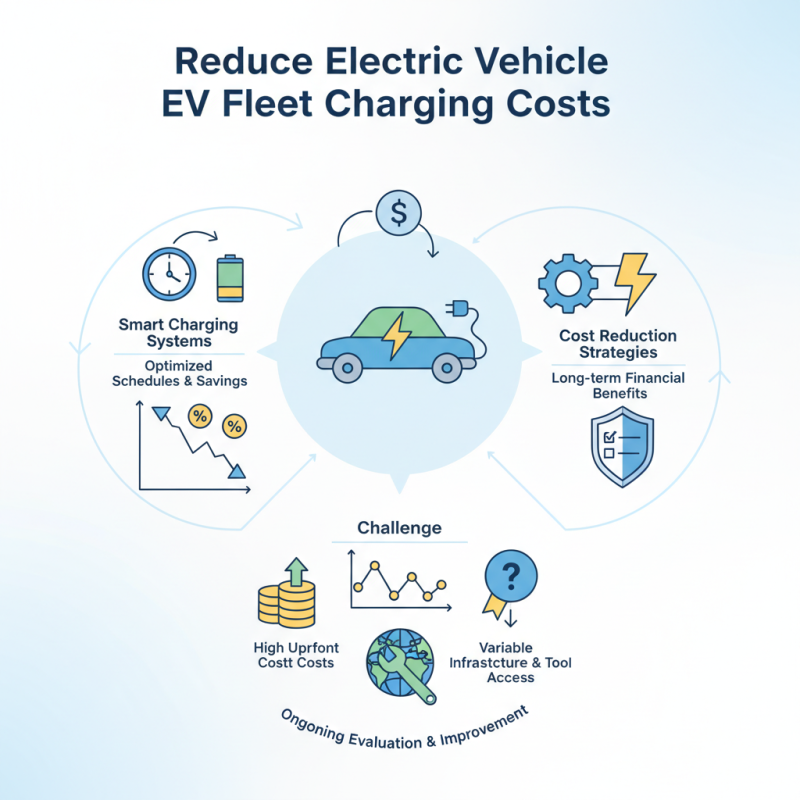
As electric vehicle (EV) fleets grow, managing charging costs becomes crucial. Companies are increasingly seeking ways to reduce expenses without sacrificing efficiency. According to the International Energy Agency, EV adoption might lead to a 22% reduction in fleet operating costs by 2030. However, the reality of how to reduce charging costs for EV fleets remains complex.
There are several strategies available for fleet operators. Implementing smart charging systems can optimize charging times, reducing electricity costs significantly. One study from Bloomberg New Energy Finance indicates that optimizing charging schedules can yield savings of up to 40%. These innovative solutions require investment but ultimately provide long-term financial benefits.
Despite these opportunities, challenges persist. High upfront costs and the variability in electricity prices pose risks for fleet managers. Moreover, not all companies have access to the necessary tools or infrastructure to implement these changes effectively. Therefore, an ongoing evaluation of charging strategies is essential for continuous improvement and sustainable operations.
Charging costs for electric vehicle (EV) fleets can vary significantly. Understanding the key factors influencing these costs is crucial for fleet managers. One major factor is the charging infrastructure. The type and location of charging stations can determine how much you pay. Accessibility to renewable energy sources can also play a role. Utilizing green energy can lead to lower overall costs.
Tips: Consider investing in smart charging systems. These can optimize charging times based on energy prices. It’s essential to analyze your fleet's usage patterns. This helps in choosing the right number of charging stations. Look for incentives or discounts offered by local energy providers. These can significantly reduce expenses.
Another factor is the energy management strategy. Monitoring energy consumption and peak usage times is vital. An effective strategy can capitalize on off-peak tariffs. Analyze how often your EVs are on the road. A fleet that operates mainly during the day might need a different approach compared to one that runs overnight.
Tips: Regularly review your energy contracts. Suppliers may offer better rates over time. Keeping an eye on innovations in energy storage can also help. As battery technology improves, costs may decrease. Stay informed to make effective adjustments to your fleet’s charging approach.
| Factor | Description | Impact on Costs | Potential Savings (%) |
|---|---|---|---|
| Charging Infrastructure | Availability and type of charging stations | High | 15-25% |
| Energy Tariffs | Cost of electricity per kWh | Very High | 20-30% |
| Charging Speed | Time taken to charge vehicles | Medium | 10-15% |
| Fleet Management Software | Tools to optimize charging schedules | Medium | 8-12% |
| Peak Demand Charges | Costs incurred during high usage periods | High | 15-20% |
Evaluating current charging infrastructure is key to cutting EV fleet charging costs. Many organizations invest heavily in chargers without assessing their existing setup. It’s essential to conduct a thorough audit of the current infrastructure. This means understanding not just the number of chargers but also their power output and utilization rates. Gathering data on usage patterns can reveal inefficiencies.
The efficiency of charging stations varies significantly across locations. Some sites may experience frequent idle time while others face congestion. Identifying underused stations allows for strategic reallocations. Implementing smart charging solutions can optimize energy usage. These systems adjust charging schedules based on demand, potentially lowering costs.
However, not all charging infrastructure is created equal. It's important to reflect on whether the current charging technology meets the specific needs of the fleet. Regularly reviewing the performance of charging stations helps in recognizing potential upgrades. While investing in newer technology can seem costly, it may ultimately yield savings. Establishing a clear strategy based on data and reflection is vital for enhancing charging efficiencies.
Implementing smart charging solutions can significantly lower EV fleet charging costs. These technologies allow for better management of energy consumption. By aligning charging times with off-peak rates, fleets can save substantially. This flexibility helps avoid high demand charges during peak hours.
Tips to consider:
1. Evaluate local utility rates. Charging during off-peak times can lead to lower costs. Understanding your provider's billing structure is crucial.
2. Incorporate real-time data. Monitoring charging patterns can reveal inefficiencies. Adjusting habits based on this data can lead to notable savings.
Investing in smart charging stations adds initial costs. However, the long-term savings often justify this expense. Fleets may find that some solutions perform better than others. Regular assessments can ensure that charging strategies remain effective. Adapting to technological advancements will further enhance cost efficiency.
Charging an electric vehicle (EV) fleet can be costly. Companies are increasingly turning to renewable energy sources to lower these expenses. Reports suggest that businesses can save up to 45% on total energy costs by using solar or wind energy for fleet charging. Transitioning to these solutions not only cuts costs but also enhances sustainability.
Utilizing on-site renewable energy systems is one effective strategy. Solar panels can provide a significant portion of a fleet's charging needs. A study from the National Renewable Energy Laboratory indicates that fleets with solar installations reduced their grid dependence by up to 70%. This model creates energy autonomy and shields against fluctuating utility rates.
Tip: Consider installing energy storage systems alongside renewables. They can store energy generated during high production hours for use when needed. Battery systems improve efficiency and reduce peak demand charges.
Another option is participating in renewable energy purchasing programs. Many utilities offer green energy tariffs, allowing fleets to buy renewable energy directly. This can be more cost-effective than traditional energy sources. Yet, not all providers maintain transparent pricing. Research thoroughly before committing to a program.
Tip: Regularly review energy consumption data. Understanding patterns can help identify the best times for charging and optimal energy procurement strategies. Be open to adjusting your approach based on findings.
When analyzing the cost-benefit of charging station location strategies for EV fleets, several factors come into play. Identifying high-traffic areas can maximize utilization rates. However, this strategy has its downsides. Prime locations often come with higher rental costs. Operators must balance location benefits against financial constraints.
A key factor is proximity to fleet operations. Placing charging stations near where vehicles are parked reduces downtime. Yet, this may limit the available real estate options. It's crucial to consider potential overcrowding and efficiency losses when stations are oversubscribed. Evaluating the energy pricing in different areas is also essential. Higher electricity costs can erode savings from strategic locations.
Infrastructure accessibility plays a significant role in deployment success. Areas with outdated electrical systems may require costly upgrades. This requires careful planning and thorough market research. Analyzing local demographics can reveal unexpected challenges, such as low adoption rates. Ultimately, an effective strategy should include pilot programs to test locations before committing long-term resources. Decisions made today will shape future charging costs.
: Assessing charging infrastructure helps identify inefficiencies and cut EV charging costs effectively.
Analyzing usage patterns reveals underused stations and helps optimize resource allocation.
They optimize energy consumption by aligning charging times with lower off-peak rates.
Initial costs are high, but long-term savings from efficiency typically justify this investment.
Using solar or wind energy can reduce energy costs by up to 45%, enhancing sustainability.
They can significantly decrease grid dependence, leading to energy autonomy and cost savings.
They allow storage of excess energy for peak usage, improving efficiency and reducing charges.
Research to ensure transparent pricing and favorable terms, as not all providers are equal.
It reveals charging patterns and optimal energy buying strategies, leading to potential savings.
Overlooking regular assessments can lead to missing out on necessary upgrades and efficiencies.
In exploring how to reduce charging costs for EV fleets, it's essential to identify the key factors influencing charging expenses, such as energy tariffs and vehicle usage patterns. Evaluating the existing charging infrastructure for efficiency can reveal potential areas for improvement, enabling fleet operators to optimize their charging strategies.
Implementing smart charging solutions can further enhance cost reduction by allowing for demand response capabilities, scheduling charging during off-peak hours, and balancing energy loads. Additionally, exploring renewable energy options for fleet charging can significantly lower costs and promote sustainability. Finally, analyzing the cost-benefit of charging station location strategies is vital, as strategic placement can minimize charging downtime and maximize efficiency, ultimately leading to lower operational costs for EV fleets.

Voltura Charger