2026 How to Debunk Common EV Charging Myths?

Time:2026-07-05 Author:Sienna
0%

The rise of electric vehicles (EVs) has transformed the automotive landscape, but misconceptions persist. What are common EV charging myths? Many believe that charging an EV is complicated or overly time-consuming. However, studies show that more than 80% of EV owners charge their vehicles at home, making it convenient and efficient. Advanced home charging systems can fully charge a vehicle overnight, negating the need for public stations during daily use.

Another prevalent myth is that charging infrastructure is inadequate. According to a report from the International Energy Agency (IEA), the number of public charging stations is increasing rapidly, with over 1.3 million globally by the end of 2022. This growth reflects significant investments in renewable energy and charging technology. Despite this, some consumers remain skeptical, influenced by outdated information.

Lastly, many assume that EVs are not as reliable or long-lasting as traditional vehicles. Research demonstrates that electric cars have fewer moving parts and lower maintenance costs, leading to improved reliability. Consequently, debunking these myths is crucial for fostering a wider acceptance of EV technology. Accurate information can help potential buyers make well-informed decisions. As the industry evolves, addressing these misconceptions is essential for future growth.
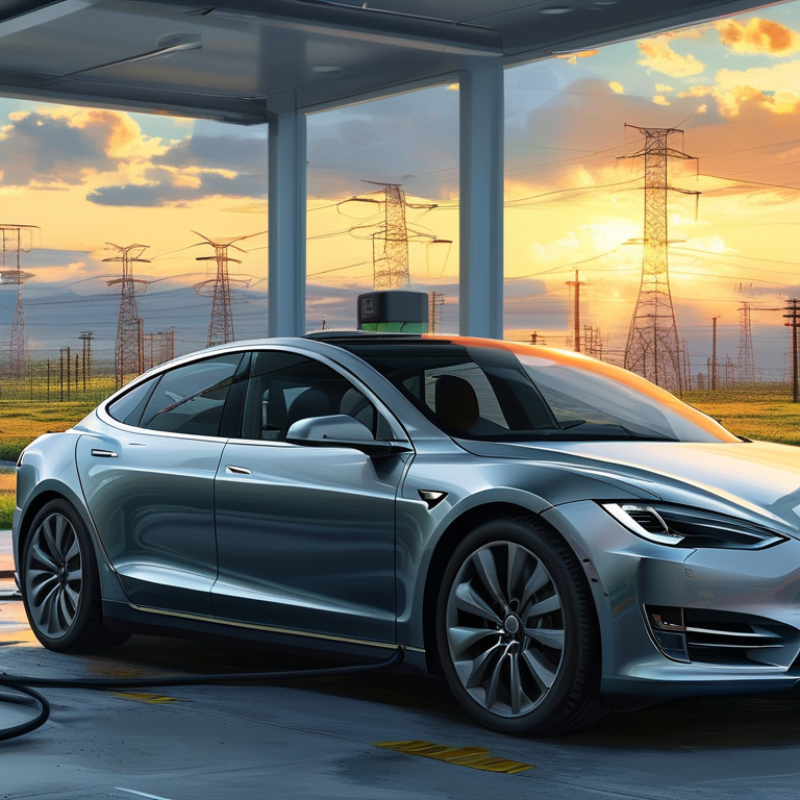
2026 How to Debunk Common EV Charging Myths?

Understanding Common EV Charging Myths with Industry Data

Electric vehicle (EV) charging myths often confuse potential drivers. One common myth is that charging an EV takes too long. According to a 2022 report by the International Energy Agency, 72% of EV owners charge at home overnight. It typically takes about eight hours for a full charge. This is similar to how most people recharge their smartphones.

Another misconception is that charging stations are too scarce. In reality, the U.S. Department of Energy reported over 45,000 public charging stations available across the country, with many located near supermarkets and popular destinations. This means drivers can easily charge while they shop or dine.

When considering an EV, remember these tips: Check local charging station maps for availability. Planning long trips should include charging stops. And, consider your daily driving distance; often, a home charger suffices for most needs. The data shows that charging habits are evolving, but drivers need to remain informed about their options.

Common EV Charging Myths Debunked

This chart illustrates the percentage of respondents who disagree with common myths about electric vehicle (EV) charging. A high percentage indicates a strong understanding of the realities surrounding EVs and their charging infrastructure.

Myth 1: EV Charging Takes Too Long Compared to Gas Vehicles

Many people believe that charging an electric vehicle (EV) takes longer than refueling a gas vehicle. This myth stems from misconceptions about charging infrastructure and time. In reality, charging times vary widely depending on the charging station and battery capacity.

For instance, a fast charger can give an EV substantial range in about 30 minutes. This is similar to a quick gas station stop. However, most EV owners charge at home overnight, which is more convenient. It eliminates the need for frequent trips to gas stations. When properly managed, charging an EV can seamlessly fit into daily routines.

Yet, it’s essential to recognize that not all charging stations are equal. Speed can depend on the station's output and the vehicle’s acceptance rate. Some drivers may experience longer waits during peak times. This highlights the need for communities to enhance charging infrastructure and address demand. As adoption increases, this issue will become less of a concern. Understanding these nuances helps clear up the myth and encourages better habits for EV ownership.

Myth 2: EVs Damage Home Electrical Systems and Increase Costs

Many people believe that electric vehicles (EVs) can damage home electrical systems. This myth often stems from fears about the power demands of charging an EV. In reality, most modern electrical systems can safely handle the additional load of EV charging. Home systems are designed for various appliances with different power needs.

Charging an EV typically requires a dedicated circuit—just like a clothes dryer or an air conditioning unit. With proper installation, the impact on your electrical system is minimal. Consulting with a qualified electrician can ensure that your home is prepared for an EV charging setup. They can evaluate your electrical panel and suggest any necessary upgrades to manage costs efficiently.

Concerns regarding increased energy bills are also common. While charging an EV does use additional electricity, the costs can be quite reasonable. Many regions offer lower electricity rates during off-peak hours. Additionally, the cost per mile driven in an EV is often much lower than that of gasoline. So, while there may be an upfront installation cost, the long-term savings can outweigh these initial expenses.

Myth 3: Public Charging Stations Are Not Widely Available

Myth 3 suggests that public charging stations are not widely available. This belief is fading fast. Data from the International Energy Agency shows that there were over 1.8 million public chargers globally by 2022. Experts predict this number will keep rising. In the U.S. alone, the number of charging points is expected to reach more than 1 million by 2025.

You might feel anxious about finding a charger during a trip. Not all charging stations are located where you expect them. Cities are focusing on expanding charging infrastructure, particularly in urban areas. It's essential to plan your routes carefully. Use apps that provide real-time information on charger availability. They can indicate whether a station is occupied or in use.

Many charging stations are often underused. It's crucial to consider non-peak hours for charging needs. Less traffic can lead to faster charging times. Make it a habit to check reviews and ratings of chargers. Some might not meet expectations, while others can offer excellent experiences. Balancing your charging needs with available infrastructure is key.

Myth 4: EVs Have Limited Range and Can't Handle Long Trips

Long-range travel with electric vehicles (EVs) has raised many questions. One pervasive myth is that EVs have limited range and cannot handle long trips. In reality, many modern EVs can cover over over 300 miles on a single charge. This range often meets the needs of daily commuters and long-distance travelers alike. However, the efficiency of EVs can vary based on driving habits and terrain.

Planning is essential for long journeys. Some may worry about finding charging stations along the way. But, the growing network of charging infrastructure makes it increasingly easy to travel long distances. Apps can help locate chargers and provide real-time availability updates. However, it’s critical to check your vehicle's range before embarking on longer trips. Remember, slow driving and use of eco modes can extend your journey.

Despite these advancements, charging times can still be a concern. While fast chargers can provide 80% of the battery’s capacity in about 30 minutes, this is longer than refueling a gasoline car. Therefore, drivers must be mentally prepared for the differences. Planning breaks or meal stops at charging stations can enhance the travel experience. Overall, the myth of limited range deserves a more nuanced view.

FAQS

: Do EVs take too long to charge?

: Charging an EV typically takes about eight hours at home. It’s similar to how you charge a smartphone.

Are there enough public charging stations?

Yes, there are over 45,000 charging stations in the U.S. They are often located near convenient places like supermarkets.

Can an EV damage my home electrical system?

Most modern electrical systems can handle EV charging. A dedicated circuit is usually required, like for a dryer.

Will charging an EV increase my energy bills significantly?

Charging an EV does use more electricity, but many areas offer lower off-peak rates. Costs per mile can be lower than gasoline.

Can I take long trips with an EV?

Many modern EVs can travel over 300 miles on a single charge. Planning is key for long journeys.

How can I find charging stations on the road?

Apps can help locate charging stations and provide real-time availability. Check your vehicle’s range before you start.

Do I need to upgrade my home electrical system for an EV?

Consulting an electrician is wise, as they can assess your panel for any necessary upgrades.

Is it difficult to use fast chargers?

Fast chargers can recharge 80% of the battery in 30 minutes. This is slower than fueling a gasoline vehicle.

What driving habits can extend an EV's range?

Driving slowly and using eco modes can help maximize your EV's range on longer trips.

What should I consider for daily EV charging needs?

Many drivers find that a home charger suffices for daily use. Check local station maps for extra options.

Conclusion

The article titled "2026 How to Debunk Common EV Charging Myths?" highlights several misconceptions surrounding electric vehicle (EV) charging, aiming to clarify these issues with industry data. A crucial myth is that EV charging takes too long compared to traditional gas vehicles, which overlooks the benefits of home charging convenience. Another prevalent myth suggests that EVs can damage home electrical systems and significantly increase energy costs, while in reality, most home systems can handle EV charging without issues.

Additionally, the article addresses the belief that public charging stations are scarce, countering this notion with evidence of expanding infrastructure. Lastly, it tackles the perception that EVs have limited range, showing that many models are designed for long journeys. By exploring "What are common EV charging myths," the piece empowers potential EV users with factual information, promoting a better understanding of electric vehicle technology and its practical implications.

Sienna

Sienna

Sienna is a skilled marketing professional with a deep expertise in our company’s core products and services. With a passion for innovation and detail, she plays a pivotal role in crafting insightful blog posts that not only highlight the unique features of our offerings but also provide valuable......