How to choose the best EV charger for your home needs?

Time:2026-07-25 Author:Isabella
0%

Choosing the right EV charger for your home can feel daunting. As electric vehicles (EVs) gain popularity, many homeowners face this challenge. According to Kelly McCarthy, an industry expert in EV infrastructure, "The right charger can elevate your EV experience immensely." Understanding how to choose the best EV charger for home is crucial in making this transition smooth and efficient.

Home chargers vary in power levels, installation options, and compatibility with different EV models. Many homeowners overlook these aspects. For instance, a Level 2 charger offers faster charging and is more suitable for daily use. Some might feel overwhelmed by the technical specifications, leading to confusion. It’s important to prioritize what your specific needs are. This could mean assessing your driving habits or available home power supply.

Choosing the best EV charger isn’t just about specifications. It often reflects a homeowner's individual lifestyle and preferences. Rushing into a decision can lead to regrets later. Buyers must weigh factors such as costs, installation complexities, and maintenance needs. Doing thorough research ensures you make a choice that aligns with your long-term goals.
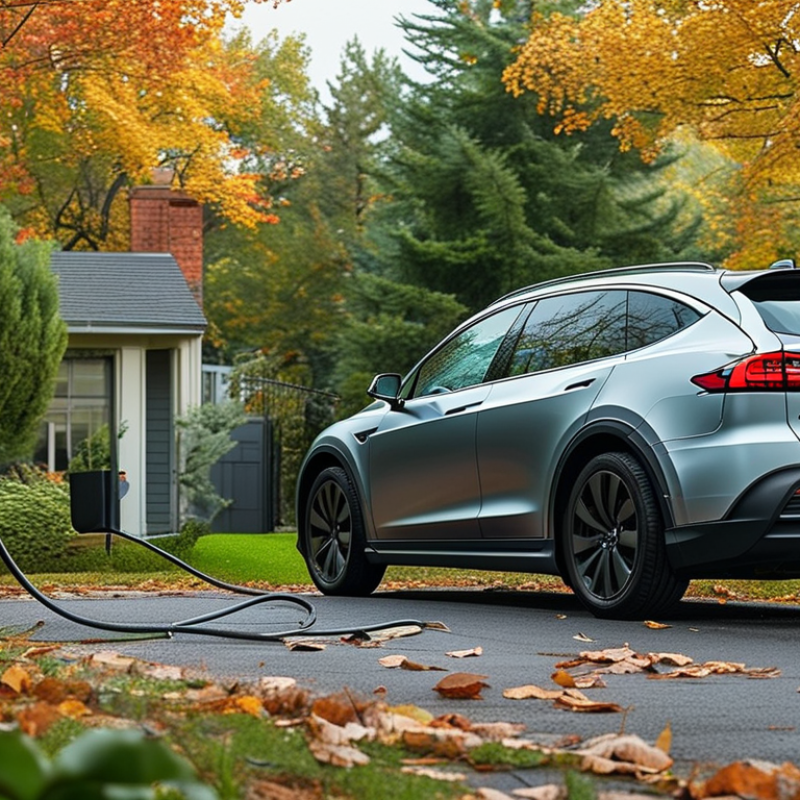
How to choose the best EV charger for your home needs?

Understanding Your Electric Vehicle Charging Needs

When considering an electric vehicle (EV) charger for your home, understanding your charging needs is essential. According to a report by the U.S. Department of Energy, 80% of EV charging occurs at home. This emphasizes the importance of selecting the right charger. Assess your daily driving habits. If you commute frequently, a Level 2 charger may be ideal, providing a full charge overnight.

Tips: Determine your average mileage daily. Most EVs can cover 200-300 miles on a full charge. Choose a charger that can support your vehicle's battery size.

Evaluate the power supply at your home. Many houses have an available 240-volt outlet. Installing a dedicated circuit can enhance charger performance. A study by the Electric Power Research Institute indicates that homes with higher amp service can charge faster.

Tips: Consult with an electrician to assess your electrical capacity. This step ensures safety and efficiency. Understand that not all EV chargers are compatible with every vehicle, so it's crucial to verify specifications before purchase.

Consider your future needs, too. As battery technologies evolve, chargers may need upgrading. Therefore, invest in a reliable, scalable solution. This foresight can save you from costly replacements later.

Evaluating Charging Levels: Level 1 vs. Level 2 Chargers

When deciding on an EV charger for your home, understanding the differences between Level 1 and Level 2 chargers is essential. Level 1 chargers typically use a standard 120-volt outlet. They are convenient but slow, adding about 3 to 5 miles of range per hour. For many, this means long overnight charging sessions. According to a report from the U.S. Department of Energy, home charging accounts for about 80% of EV charging needs, making this aspect critical.


On the other hand, Level 2 chargers operate at 240 volts, providing a much faster charging solution. They can deliver about 25 to 30 miles of range per hour. This speed is crucial for daily drivers who might require quick top-ups during the day. A study by the Electric Power Research Institute found that Level 2 charging can reduce overall charging time by up to 90%. However, installing a Level 2 charger may involve additional costs, including electrical panel upgrades.


Despite the benefits of Level 2 chargers, homeowners should consider their specific usage patterns. Some might find that a Level 1 charger meets their needs. Assessing daily driving distances, existing electrical infrastructure, and energy costs will ensure a more tailored decision. Not everyone needs the fastest option, especially if they have access to overnight charging.

Assessing Installation Requirements and Electrical Capacity

Choosing the right EV charger involves understanding your home's electrical capacity. Start by checking your existing electrical panel. Many homes come with a standard 100-200 amp service. A higher capacity can support faster charging options. According to the U.S. Department of Energy, Level 2 chargers can deliver power at 240 volts. This allows for quicker charging times, typically around 10-25 miles of range per hour.

When considering installation requirements, evaluate your garage or parking area. Space matters when selecting a charger. Ensure there is enough room for the equipment and any necessary wiring. Engage a qualified electrician for an inspection. They can advise on whether upgrades to your electrical panel are needed.

Tips: Assess your driving habits. Consider how often you recharge. If daily trips are short, a standard charger may suffice. For long-distance driving, opt for a faster option. Always verify local building codes before installation. This will prevent compliance issues down the line. Understanding local incentives can also save you money during the installation.

Comparing Charger Brands and Models: Features and Pricing

When choosing an EV charger, understanding various brands and models is vital. Different chargers come with unique features tailored to specific needs. For example, some offer Level 2 charging, which can provide up to 25 miles of range per hour, while others may only support Level 1, significantly extending charging times.

Pricing varies widely. According to industry reports, basic Level 2 chargers can start around $500, while advanced models with smart features can exceed $1,000. Many consumers may overlook the benefits of these smart features, such as app integration, which allows for real-time monitoring and scheduling of charging sessions. Additionally, some models come equipped with adjustable amperage settings. This versatility can be crucial for homes with electrical constraints.

It's essential to consider the installation costs as well. Professional installation might add $300 to $1,000, depending on electrical upgrades needed. Consumers often underestimate these additional expenses, which can affect overall budgeting. Being aware of these factors can help ensure you make an informed decision tailored to your home and budget.

How to choose the best EV charger for your home needs? - Comparing Charger Brands and Models: Features and Pricing

Feature Charger A Charger B Charger C
Charging Speed (kW) 7.2 11 22
Connectivity (WiFi/Bluetooth) WiFi Bluetooth WiFi & Bluetooth
Smart Features Scheduling Remote Monitoring Both
Warranty (Years) 3 5 2
Price (USD) 499 649 799

Incentives and Rebates for Home EV Charger Installation

When considering the installation of a home EV charger, it’s essential to explore available incentives and rebates. Numerous government programs offer financial assistance to ease the initial cost. This can significantly reduce the overall expense of getting a charger installed. Some regions provide tax credits or direct cash rebates, making the transition to electric vehicles more accessible.

Many utility companies also offer special rates or incentives for EV charger installations. These programs may include discounts on the installation costs or reduced electricity rates during off-peak hours. By leveraging these options, homeowners can save substantial amounts annually. These incentives not only promote cleaner energy use but also encourage infrastructure growth for electric vehicles.

However, navigating the landscape of incentives can be challenging. Availability varies by location and often changes over time. Homeowners should conduct thorough research. It's wise to consult local authorities or relevant agencies for the most current information and see if they align with individual installation plans. Flexibility in approach may be necessary to maximize financial benefits.

FAQS

: Why is it important to understand my EV charging needs?

: Understanding your EV charging needs helps you choose the right charger. Most EV charging occurs at home.

How can I assess my daily driving habits?

Determine your average mileage. Most EVs offer a range of 200-300 miles on a full charge.

What type of charger should I consider for frequent commuting?

A Level 2 charger is ideal for frequent commuting. It can provide a full charge overnight.

How can I evaluate my home's power supply for charging?

Check if your home has a 240-volt outlet. Consult an electrician for a detailed assessment.

What should I consider about charger compatibility?

Not all chargers work with every vehicle. Verify the specifications of the charger before purchasing.

Why should I think about future charging needs?

Battery technology is evolving. Investing in a scalable charger can save you from future replacement costs.

How do I know if my electrical panel can support a new charger?

Check your panel's capacity, typically 100-200 amps. A higher capacity supports faster charging options.

What installation requirements should I consider?

Evaluate garage space for the charger and wiring. Ensure there’s enough room for proper installation.

Why is engaging a qualified electrician recommended?

An electrician can inspect your system. They’ll advise you on necessary upgrades for safer charging.

How can local building codes affect my charger installation?

Always verify local codes before installing a charger. This helps avoid compliance issues and potential penalties.

Conclusion

When considering how to choose the best EV charger for home, it is essential to first understand your specific charging needs, which can vary based on your vehicle usage and lifestyle. Evaluating the differences between Level 1 and Level 2 chargers helps determine which option will provide the most efficient and convenient charging solution for your circumstances.

Additionally, assessing the installation requirements and available electrical capacity in your home is crucial for a safe and effective setup. Comparing various charger brands and models allows you to analyze features and pricing to find the best match. Lastly, exploring available incentives and rebates can significantly reduce the overall cost of installation, making it more accessible for homeowners to upgrade their EV charging solutions.

Isabella

Isabella

Isabella is a dedicated marketing professional with a sharp focus on driving brand growth and engagement through strategic content creation. With an extensive background in digital marketing, she combines her passion for storytelling with her keen understanding of industry trends to deliver......