Electric vehicles (EVs) are transforming transportation, but charging infrastructure remains a vital concern. A crucial question arises: "What is the difference between AC and DC EV chargers"? Understanding this difference is essential for buyers considering their options in the market.
AC chargers supply alternating current, making them common for residential use. They are generally slower, taking several hours for a full charge. According to a recent industry report by the International Energy Agency (IEA), nearly 90% of EV owners use AC chargers at home. This reflects their convenience and ease of installation.
In contrast, DC chargers provide direct current, allowing much faster charging times, often under an hour. These chargers are typically found at public charging stations. The demand for DC fast charging is growing rapidly, with a projected compound annual growth rate of 30% by 2025. However, they come with higher costs and require more significant electrical infrastructure. Buyers must weigh operational needs against the type of EV they own. Knowing these differences is crucial for making informed purchasing decisions.
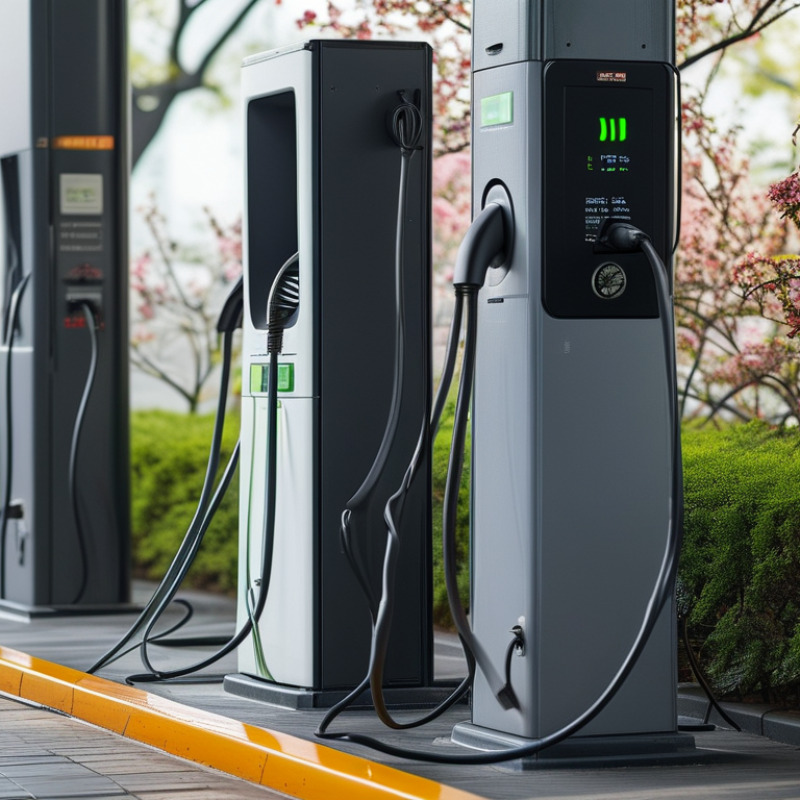
Electric vehicles (EVs) are increasingly popular, and understanding charging types is essential. The two primary charging methods are AC (Alternating Current) and DC (Direct Current). AC chargers are common for home use. They charge vehicles more slowly, typically at a rate of 3.7 to 22 kW. This charging method suits overnight or longer park durations. In contrast, DC chargers provide rapid charging, with outputs ranging from 50 kW to 350 kW. This is ideal for quick stops during long trips.
Choosing the right charger is crucial for EV owners. A 2022 report by the International Energy Agency noted that global EV sales reached 6.6 million, showcasing rising demand. With this growth, the need for reliable charging infrastructure is paramount. Many users experience confusion when selecting charging options. It's vital to understand your typical driving habits. Do you charge at home or need rapid options on the road?
**Tip:** Create a charging schedule. Know your daily commute and plan charging times accordingly.
**Tip:** Always check the charger’s compatibility with your EV model.
Consider the location of charging stations when planning trips. Accessibility can significantly impact your experience. Users should monitor local charging developments and updates to ensure a seamless journey.
When considering electric vehicle (EV) chargers, understanding the key differences between AC and DC chargers is crucial.
AC chargers are typically used at home or in public charging stations. They convert alternating current to charge the vehicle's battery. This process can take longer, often several hours, depending on the battery capacity and charger power output. Many EV owners appreciate the convenience of overnight charging, as it fits seamlessly into their daily routine.
On the other hand, DC fast chargers supply direct current to the vehicle’s battery. These chargers are designed for quick top-ups, usually found at highway locations for long-distance travel. They can significantly reduce charging time to just 30 minutes for an 80% charge. However, not all EVs can use DC charging, so it's essential to check compatibility.
Price can vary widely between AC and DC chargers. While DC chargers may have a higher installation cost, the speed they offer can be invaluable during road trips. Some buyers may feel overwhelmed by these options. Consider personal usage patterns and vehicle requirements before investing.
When choosing an electric vehicle (EV) charger in China, several critical factors play a role. First, consider the type of charger: AC or DC.
AC chargers are generally more common for home use. They are more affordable and easier to install. However, DC fast chargers significantly reduce charging time, making them ideal for commercial use and highway charging stations.
According to industry reports, about 80% of charging facilities are AC, highlighting the preference in residential areas.
Next, compatibility is essential. Ensure that the charger works seamlessly with your EV model. Different vehicles may require distinct connectors, affecting charging efficiency. Reports indicate that 30% of users face issues with compatibility, leading to frustrating experiences. The voltage of the charger also matters. Higher voltages mean faster charging times. A study shows that using a 22kW charger instead of a 7kW one can cut charging time by up to 70%.
Lastly, pay attention to safety features. Quality chargers include overcurrent and short circuit protection to prevent accidents. It’s crucial to research certifications from organizations like the China Quality Certification Centre. Foreign standards may not apply, introducing uncertainty regarding product safety and reliability. Investing in a certified charger ensures peace of mind while you charge your EV.
In recent years, the electric vehicle (EV) market in China has seen significant growth. With this rise, the demand for both AC and DC chargers has surged. Understanding the options available is crucial for potential buyers.
Many top brands offer reliable AC and DC chargers. AC chargers are often used for home charging. They are easy to install and generally more affordable. A report from the China Electric Vehicle Charging Infrastructure Promotion Alliance noted that AC chargers account for over 70% of the installed charging points in urban areas. However, they have longer charging times compared to DC chargers.
On the other hand, DC chargers provide rapid charging, ideal for public stations. They can charge an EV in under an hour. The same report indicates that DC charging stations are expected to grow exponentially, reflecting their importance in the EV ecosystem. Buyers should analyze their specific needs before making a decision.
Tips: When selecting a charger, consider the installation site and power demand. Check for compatibility with different EV models. Always factor in future expansion needs, as the EV market continues to evolve. Investing in a good charger today means better options tomorrow, but mistakes can be costly.
This chart illustrates the charging power of various types of electric vehicle chargers available in China. The data points represent the maximum output of different AC and DC charger types, showcasing how they compare in terms of charging speed and efficiency.
As electric vehicles (EVs) gain traction in China, the charging infrastructure is evolving. With increasing demand, innovative charging technology emerges. Charging stations are becoming smarter, offering faster and more efficient charging solutions. Many urban areas are witnessing a surge in both AC and DC chargers.
However, the transition poses challenges. Not every region supports advanced charging options. Some localities still lack sufficient charging points, leading to range anxiety among potential users. It’s crucial to address these gaps for broader EV adoption. The government is investing in infrastructure, yet progress remains uneven.
Future trends suggest that wireless charging technology could revolutionize the market. This method offers convenience but raises concerns about efficiency and cost. As new technologies develop, it’s essential to balance innovation with practicality. Stakeholders must consider users’ needs. Charging solutions should be accessible and reliable for future growth.
| Charger Type | Charging Speed (kW) | Charging Time (for 50% charge) | Connector Types | Installation Cost (Approx.) | Maintenance Frequency |
|---|---|---|---|---|---|
| AC Charger | 3.7 - 22 | 4 - 8 hours | Type 1, Type 2 | $500 - $1500 | Annual |
| DC Fast Charger | 50 - 350 | 30 - 60 minutes | CHAdeMO, CCS | $10,000 - $40,000 | Quarterly |
| Home Charger | 3.7 - 7.4 | 5 - 12 hours | Type 1, Type 2 | $300 - $800 | Annual |
| Wireless Charger | 3 - 10 | Varies | N/A | $2000 - $5000 | Annual |
: The two primary types are AC (Alternating Current) and DC (Direct Current).
AC chargers charge slowly, typically at 3.7 to 22 kW, perfect for overnight charging.
DC chargers can charge an EV in under an hour, offering rapid charging.
Consider your driving habits, charging needs, and the charger's compatibility with your EV.
Monitor your daily commute and plan your charging times based on that routine.
The location of charging stations impacts your charging experience on trips.
AC chargers are easier to install and more affordable than DC chargers.
Increased charging stations enhance convenience but require users to stay updated on local options.
Always check compatibility and consider future EV market changes before purchasing.
AC chargers take longer compared to DC, which offers faster charging capabilities.
This article explores the critical distinctions between AC and DC electric vehicle (EV) chargers, addressing the fundamental question: "What is the difference between AC and DC EV chargers?" AC chargers typically offer slower charging speeds and are more common for home use, while DC chargers provide faster charging, suitable for public charging stations. Understanding these differences is vital for potential buyers in China.
When selecting an EV charger, several factors should be considered, including charging speed, compatibility with vehicle models, and installation requirements. The article also highlights emerging trends in EV charging technology and infrastructure in China, emphasizing the ongoing evolution of the market and the increasing availability of advanced charging solutions. As EV adoption grows, understanding these elements will aid consumers in making informed choices about their charging needs.

Voltura Charger