EV charging should feel routine, yet a silent charger can disrupt an entire morning. The screen may show “connected,” while the battery percentage remains unchanged. A loose connector, interrupted communication, tripped breaker, payment error, or unsuitable cable may be responsible. These faults often look similar, but they require different checks.
Tom Moloughney, an EV charging specialist and founder of State of Charge, explains the wider issue clearly: “Charging is a system, not a single piece of equipment.” His observation matters because reliable charging depends on the vehicle, charger, electrical supply, software, and network working together. A driver who replaces a cable immediately may miss a simple scheduling setting. That mistake is common.
This guide explains How to troubleshoot EV charging issues through seven practical approaches. It covers home chargers, public stations, and common dashboard warnings. You will learn how to inspect the connector, confirm charging settings, restart equipment safely, and identify power or network problems. Small details matter, such as a connector that clicks but does not lock, or a breaker that feels warm after repeated charging.
Some problems need professional attention. Do not open energized equipment or test unfamiliar circuits without suitable training. An electrician or certified charging technician can verify voltage, grounding, and installation quality. The process is not always neat. A charger may work perfectly after a restart, leaving the real cause uncertain. That uncertainty deserves attention, not guesswork.
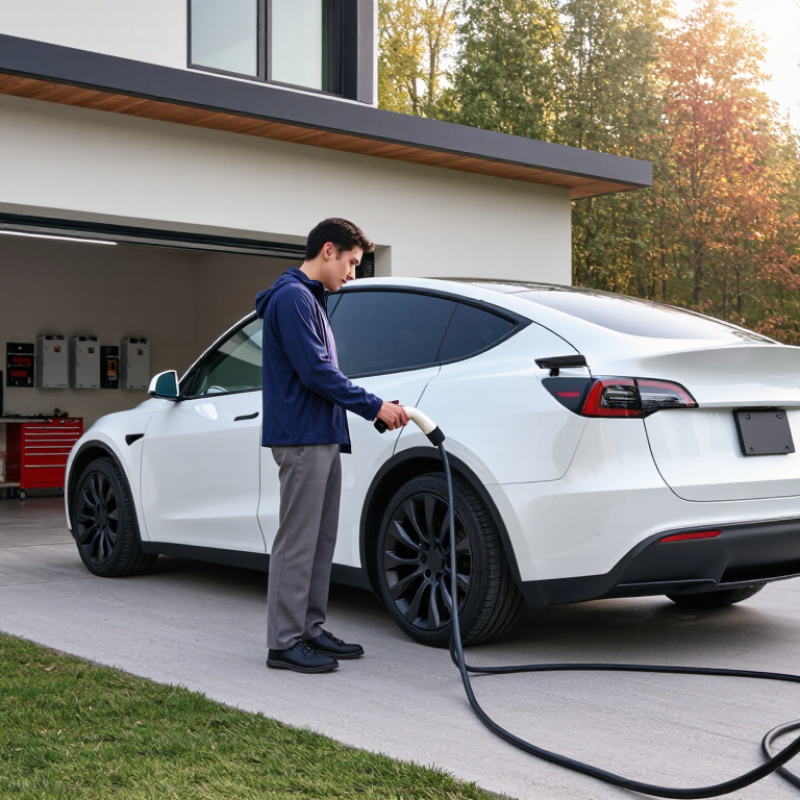
When an EV will not charge, check the power source before blaming the vehicle. Level 2 charging normally uses 208–240 V AC, so a tripped breaker can stop charging completely. Look for a dark display, warning light, or warm outlet. Stop immediately if you notice burning smells, melted plastic, or unusual buzzing.
Inspect the charging cable from end to end. Check for cuts, flattened sections, bent pins, moisture, or debris inside the connector. A loose connection can create heat and interrupt charging. Push the plug firmly into the vehicle and charging unit, but never force it. Keep the connector dry. Small details matter.
I have seen drivers reset equipment repeatedly without checking the panel. That wastes time and may hide a serious electrical fault. Reset the breaker only once, if it is safe and accessible. If it trips again, leave it off and contact a qualified electrician. Do not remove covers or test live terminals unless you are trained and properly equipped. A licensed professional can verify voltage, grounding, and circuit capacity with suitable instruments. Sometimes the cable is fine, but the outlet connection has loosened behind the wall. That possibility is easy to miss.
Check Vehicle Settings and Charging Limits
A vehicle may display a 19.2 kW AC capability, yet charge far more slowly. The U.S. Department of Energy’s Alternative Fuels Data Center lists AC Level 2 charging up to 19.2 kW under suitable voltage and current conditions. That figure is a ceiling, not a promise. The vehicle’s onboard charger, charging equipment, circuit rating, and cable must all support it.
Check the charging menu before replacing hardware. Confirm that maximum AC current is not reduced, scheduled charging is disabled, and the battery target is high enough. Some vehicles also lower power near full charge, during cold weather, or when the battery is hot. Watch the display for ten minutes. A steady 9.6 kW reading may indicate a 40-amp limit, while 19.2 kW usually requires a 240-volt, 80-amp circuit. The numbers matter.
The IEA’s Global EV Outlook 2024 reports that electric car sales exceeded 14 million worldwide in 2023. More vehicles now share aging residential circuits, making load management increasingly important. If charging drops unexpectedly, compare the vehicle setting with the equipment’s rated output. Then inspect the breaker, connector, and cable for heat or visible damage. Stop if anything feels unusually hot.
Do not assume the highest setting is safest. A qualified electrician should verify circuit capacity and installation condition. My own troubleshooting habit is simple: record time, battery percentage, temperature, and displayed power. The pattern often reveals the problem, although not every result fits neatly.
Nominal AC charging power at 240 V increases with the EVSE current setting. A vehicle may charge below this level when its onboard charger, charging schedule, battery temperature, or user-defined limit restricts power.
Values are calculated using P = V × I. For example, 240 V × 80 A = 19.2 kW. Actual charging power can be lower because of vehicle limits, electrical installation constraints, state of charge, and charging losses.
At a 50–350 kW DC fast charger, a failed session does not always mean the vehicle is faulty. Check the connector for dirt, moisture, or visible damage. Push it firmly into the inlet until the locking sound is clear. Confirm the charger shows the correct charging power. A 150 kW unit may deliver less when the battery is cold, nearly full, or sharing power with another vehicle. That detail is easy to miss.
Network problems can look like hardware failures. Check whether the charger screen responds slowly or displays an offline message. If possible, use a second charger at the same location. A stable mobile signal may still fail when the station’s backend system is disconnected.
Payment deserves a separate check. Confirm the card, account balance, authorization, and session status. Never repeat payment rapidly if the first attempt is pending. Duplicate holds can appear temporarily.
I have seen drivers replace a charging cable when the real issue was an expired payment method.
If charging stops after a few minutes, record the time, charger number, battery percentage, and error message. These details help qualified support staff identify patterns. Stop using the unit if the cable becomes unusually hot, smells burned, or shows damage. My earlier assumption would have been “bad charger,” but reliable diagnosis needs evidence, not guesswork.
When an EV stops charging, read the error code before resetting the equipment. Record the code, charging time, connector temperature, and control-pilot status. IEC 61851 offers a useful reference for interpreting pilot states and charging communication. However, error-code formats vary between charging equipment and vehicles.
An EVSE-related fault often appears before energy transfer begins. Check whether the connector is fully inserted, the cable is damaged, or the protective device has opened. Do not remove covers or touch internal wiring. If the same vehicle charges normally at another station, the original EVSE becomes more suspicious. If several vehicles fail there, isolate the equipment and request qualified service.
A vehicle fault may follow the car between different stations. Battery-management, isolation, or onboard-charger codes need professional diagnosis. Thermal warnings deserve special attention. Feel for unusual heat near the plug, but do not touch a hot connector. Stop charging and allow the system to cool. A repeated thermal code can indicate poor contact, restricted airflow, or a sensor problem.
This process is not perfect. Codes can be incomplete, misunderstood, or caused by temporary communication noise. I have seen a simple connector seating issue mimic a serious charging failure. Compare the code with charging history, ambient temperature, and results from another compatible EVSE. Clear evidence is safer than guessing.
Electric vehicles are becoming ordinary, but their electrical risks are not. The IEA’s Global EV Outlook 2024 reports more than 14 million electric cars sold in 2023. It also counted over four million public charging points worldwide. More equipment means more opportunities for damaged cables, moisture, and isolation faults.
Stop charging immediately when the vehicle displays an isolation or ground-fault warning. Do not repeatedly reset the charger. Move away from standing water, smoke, sparks, or a hot connector. Use the emergency stop only when it is clearly accessible. Keep other people away. A battery system above 400 V can cause fatal shock, even when no arc is visible. Power-down does not always mean zero voltage.
Call the charging operator and a qualified high-voltage technician. Do not open the vehicle, probe terminals, or pull apart a damaged connector. NFPA 70E guidance requires establishing an electrically safe work condition before qualified work begins. Technicians should follow the vehicle’s isolation procedure, lock out energy sources, and verify absence of voltage with properly rated instruments.
The charging report should include the fault code, time, weather, connector condition, and any unusual sound or smell. Small details matter. I have seen troubleshooting advice overlook them. That is a weakness worth correcting. The U.S. Department of Energy’s Alternative Fuels Data Center also shows how rapidly charging infrastructure is expanding, making consistent inspection and escalation practices increasingly important.
Check the breaker, outlet, display, and warning lights first. Level 2 charging usually uses 208–240 volts AC. A dark display may indicate lost power. Stop if you smell burning, see melted plastic, or hear buzzing.
Examine the cable from end to end. Look for cuts, flattened areas, bent pins, moisture, or debris. Keep the connector dry. Insert it firmly, but never force it. Small details matter.
Reset it only once, if the panel is safe and accessible. If it trips again, leave it off. Contact a qualified electrician. Do not remove covers or test live terminals yourself.
The displayed maximum is only a ceiling. Vehicle settings, circuit limits, battery temperature, and charge level affect power. A reading near 9.6 kilowatts may reflect a 40-amp limit. Higher output needs suitable voltage, current, wiring, and equipment.
Check the maximum AC current setting. Disable scheduled charging if immediate charging is needed. Confirm the battery target is high enough. Power may also fall near full charge, in cold weather, or when the battery is hot.
Inspect the connector for dirt, moisture, or damage. Push it into the inlet until the lock engages. Check the displayed power. A 150-kilowatt charger may deliver less with a cold or nearly full battery. Power sharing can also reduce output.
Yes. A slow screen or offline message may indicate a network fault. Try another connector at the same location. Check authorization, account balance, and session status. Do not repeat payment quickly while the first attempt remains pending.
Record the time, battery percentage, temperature, charger number, displayed power, and error message. Keep the receipt. These details reveal patterns. My first guess might be “bad charger,” but evidence can prove otherwise. Not every result fits neatly.
Stop immediately if the cable becomes unusually hot, smells burned, or shows visible damage. Do not continue testing. A qualified professional should verify voltage, grounding, circuit capacity, and installation condition. Safety comes before speed.
Learning how to troubleshoot EV charging issues starts with checking the basics. Confirm that power is available, the cable is undamaged, and all plugs are fully seated. Level 2 charging typically uses 208–240 V, so an unsuitable outlet or tripped circuit can prevent charging. Next, review the vehicle’s charging schedule, state-of-charge limit, and AC power setting, since some vehicles can accept up to 19.2 kW but may be configured to draw less.
If the problem continues, test whether the charger, network connection, or payment system is responsible, especially during DC fast charging sessions that may range from 50 to 350 kW. Record any displayed error codes and use them to distinguish between EVSE, vehicle, communication, or thermal faults, with IEC 61851 guidance providing useful context. Stop charging immediately if an isolation fault, overheating warning, damaged cable, smoke, or unusual odor appears. Because EV battery systems commonly exceed 400 V, do not open equipment or attempt high-voltage repairs; isolate the system safely and contact a qualified technician.

Voltura Charger